Garden of Eden: Myth or Reality? Scholar Insights on History’s Most Famous Garden
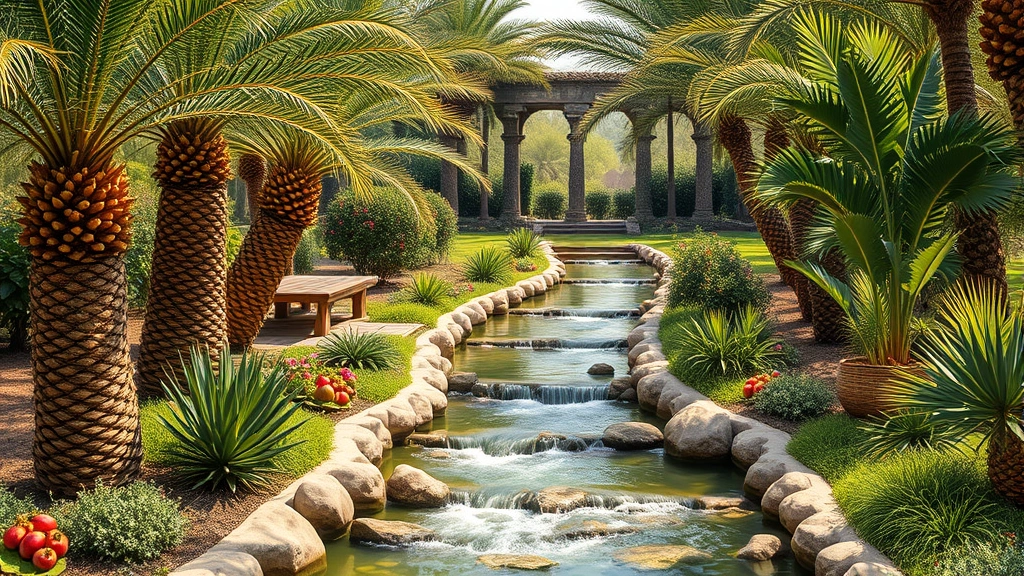
The Garden of Eden represents humanity’s oldest and most enduring vision of paradise—a place of perfect harmony where humans lived in abundance without toil, sorrow, or death. For millennia, theologians, archaeologists, and historians have debated whether this biblical sanctuary existed as a literal location or served as a metaphorical representation of humanity’s lost innocence. The question “where is the Garden of Eden” has captivated scholars across disciplines, spawning expeditions, archaeological investigations, and countless theories about its possible geographical location.
As gardeners and horticulturists, we find particular fascination in Eden’s botanical significance. The garden described in ancient texts flourished with every tree pleasant to the sight and good for food, suggesting sophisticated horticultural knowledge and an understanding of plant cultivation that predates recorded agricultural history. Whether Eden was real or mythological, its influence on how humans conceptualize gardens, agriculture, and our relationship with nature remains profound and immeasurable.
Biblical Descriptions and Geographic Clues
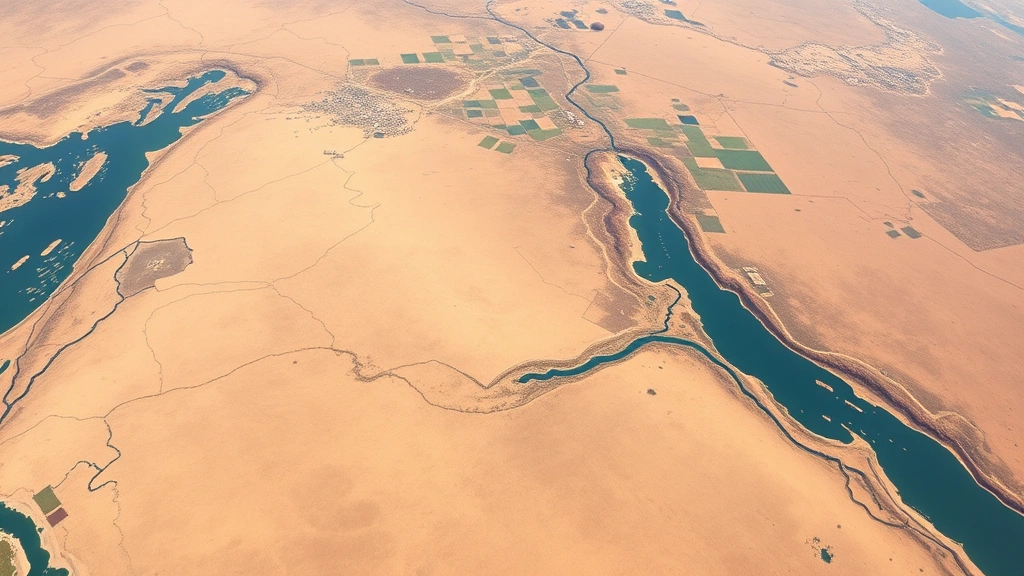
The Book of Genesis provides the most detailed account of Eden’s location, offering tantalizing geographical hints that scholars have analyzed for centuries. According to the text, God planted a garden eastward in Eden, and a river watered the garden, then parted into four headwaters: Pishon, Gihon, Tigris, and Euphrates. The mention of these rivers—particularly the Tigris and Euphrates, which are real geographical features—has led many researchers to focus their investigations on the Fertile Crescent region of the Middle East.
The biblical narrative describes Eden as containing every tree that is pleasant to the sight and good for food, with the Tree of Life in the midst of the garden and the Tree of Knowledge of Good and Evil. This botanical abundance suggests a location with exceptional climatic conditions and water availability. Scholars have noted that the description aligns with ancient understandings of paradisiacal gardens that incorporated irrigation systems, diverse plant species, and carefully organized growing spaces—much like how modern gardeners approach how to prepare garden soil for a thriving garden.
The location “eastward in Eden” has generated considerable debate. Some scholars interpret “eastward” as directional from the writer’s perspective, while others suggest it indicates a specific geographical orientation. The presence of the four rivers flowing from a single source presents a geographical puzzle, as no known location perfectly matches this hydrological description, leading some to conclude the account may be metaphorical or based on ancient geographical misunderstandings.
Historical and Archaeological Theories
Archaeological investigations have uncovered evidence of early agricultural settlements in the Fertile Crescent dating back to approximately 10,000 BCE, during the Neolithic Revolution. These settlements, such as Jericho and Çatalhöyük, represent humanity’s first experiments with cultivating plants and domesticating animals. Some scholars propose that Eden may represent a collective memory of these early horticultural communities, where humans first transitioned from nomadic hunter-gatherer lifestyles to settled agricultural existence.
The archaeological record shows that the earliest farmers in this region cultivated wheat, barley, lentils, and peas—crops that would have seemed miraculous in their productivity compared to wild food gathering. This agricultural abundance could have inspired the mythological account of a garden where food grew abundantly without extensive human labor. Understanding how to start a flower garden requires knowledge similar to what ancient peoples would have needed to establish their first permanent settlements.
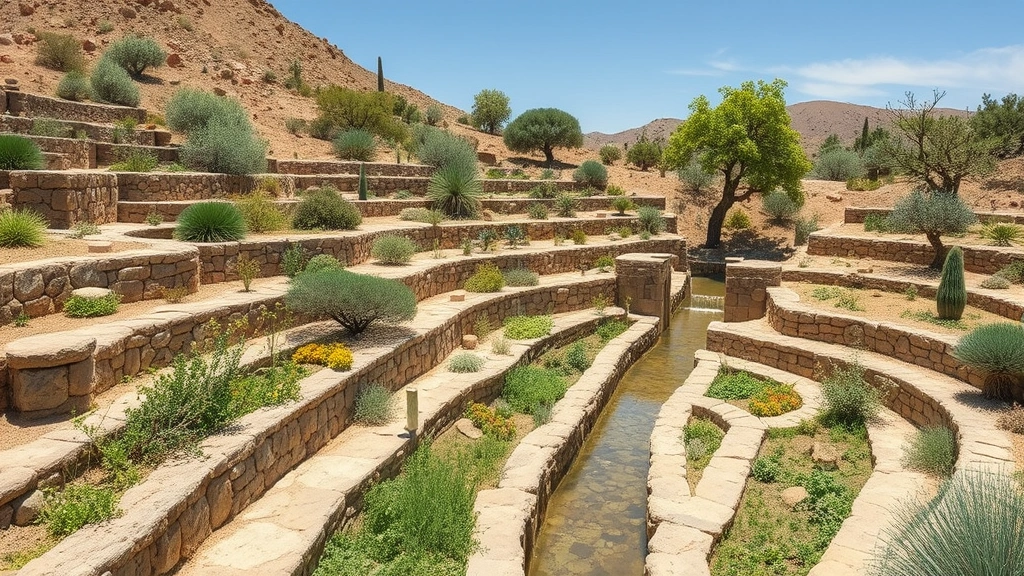
Excavations at various sites have revealed sophisticated irrigation systems, suggesting that ancient Mesopotamian civilizations possessed advanced horticultural knowledge. The ziggurats and temple gardens of ancient Sumer and Babylon, with their carefully engineered water systems and diverse plantings, may have influenced the biblical description of Eden. Some researchers propose that specific historical gardens—such as the legendary Hanging Gardens of Babylon—might have inspired the Eden narrative, though this remains speculative.
The Garden of Eden theory has also intersected with geological studies examining ancient climate patterns and sea levels. Some scholars suggest that the location of Eden might have been submerged by rising waters following the Ice Age, explaining why no archaeological evidence of this paradisiacal garden has been definitively located. Others point to catastrophic flooding events documented in Mesopotamian literature and the Bible as potential explanations for Eden’s disappearance from the geographical landscape.
Mesopotamian Connections
The strongest geographical candidate for Eden’s location remains Mesopotamia, the ancient region between the Tigris and Euphrates rivers in modern-day Iraq. This “land between rivers” was home to humanity’s first urban civilizations and represents the cradle of written history. The Sumerians, Akkadians, and Babylonians all produced literature and religious texts that predate or parallel biblical accounts, suggesting shared cultural and geographical knowledge.
Mesopotamian mythology contains numerous references to paradisiacal gardens and sacred groves. The Sumerian texts describe Dilmun, a mythical land of purity and abundance where the sun god Utu dwelt. Some scholars propose that Dilmun may have influenced or even inspired the biblical Eden narrative, particularly given the extensive cultural contact between Mesopotamian and Hebrew civilizations. The similarities between the Babylonian flood narrative and the biblical flood account strengthen the argument for shared mythological traditions.
The Persian Gulf region, particularly the area around modern Kuwait and the southern reaches of Iraq, has been proposed as a possible Eden location. Some researchers suggest that before ancient sea level changes, the Persian Gulf extended further inland, and a river delta region with four major waterways might have existed in this area. This theory would place Eden in a location that ancient peoples could have visited or heard about through trade networks, lending credibility to the account’s transmission through oral tradition.
Archaeological evidence from Mesopotamian sites demonstrates that ancient peoples possessed sophisticated knowledge of horticulture and irrigation. The development of the advantages of raised bed gardening techniques in ancient Mesopotamia shows how early gardeners engineered growing systems to maximize productivity in arid climates. These innovations could have inspired the mythological account of a perfect garden requiring no human sweat or toil.
The Horticultural Perspective
From a botanical and horticultural standpoint, the Garden of Eden represents an idealized vision of agricultural perfection that transcends any single historical location. The description of a garden containing “every tree that is pleasant to the sight and good for food” suggests knowledge of diverse plant species and their cultivation requirements. Ancient gardeners in the Fertile Crescent would have been familiar with date palms, pomegranates, figs, olives, and various grain crops that could flourish in Mediterranean and subtropical climates.
The concept of a self-sustaining garden that produced food without extensive human labor aligns with modern permaculture principles and sustainable gardening with native plants practices. Ancient gardeners who understood which plants thrived together, how to utilize water efficiently, and how to work with natural ecological systems could create gardens of remarkable productivity. The Eden narrative may represent humanity’s earliest aspirations toward creating abundant, harmonious growing spaces that worked with rather than against natural processes.
The mention of the Tree of Life and Tree of Knowledge suggests symbolic botanical significance beyond literal interpretation. These trees may represent different plant species or categories of plants—perhaps fruit-bearing trees representing abundance and grain crops representing knowledge and civilization. The diversity of plants in Eden implies horticultural sophistication, including understanding of pollination, seed dispersal, seasonal cycles, and companion planting—knowledge that ancient farmers gradually accumulated over centuries.
Consider the practical requirements for maintaining such a garden: sophisticated irrigation systems to distribute water from the central river, soil management to maintain fertility without modern fertilizers, and knowledge of which plants could coexist productively. These requirements suggest either a literal historical garden maintained by people with exceptional horticultural knowledge or a mythological composite drawing on the collective horticultural achievements of multiple ancient civilizations. Either way, Eden represents humanity’s recognition that gardens require careful planning and management—much like modern gardeners who understand the importance of easy to grow vegetables for beginners as a starting point for developing gardening expertise.
Modern Scholar Consensus
Contemporary scholars across theological, archaeological, and historical disciplines have largely reached a consensus that the Garden of Eden should be understood as a mythological or symbolic narrative rather than a literal historical location that can be archaeologically verified. This perspective does not diminish the Eden account’s significance but rather recognizes it as a profound expression of human values, aspirations, and understanding of our relationship with nature and the divine.
Dr. Carol Meyers, professor of religion at Duke University, argues that the Eden narrative represents an ancient explanation for the human condition, incorporating observations about agriculture, gender relations, and mortality into a coherent mythological framework. Similarly, scholars examining Mesopotamian parallels suggest that the Eden account drew on widespread ancient Near Eastern traditions about paradisiacal gardens and divine punishment, adapting these themes for Hebrew theological purposes.
The archaeological consensus suggests that if Eden had a historical basis, it likely represented a composite memory of several early agricultural settlements or a legendary garden that held cultural significance for ancient Hebrew communities. The specific geographical markers mentioned—the four rivers, the eastward location, the abundance of plants—may derive from travelers’ accounts, geographical knowledge passed through trade networks, or imaginative reconstruction of places that early Hebrew peoples had heard about but never visited.
Modern scholars increasingly recognize that the Eden narrative served important theological and social functions in ancient Hebrew culture. It explained humanity’s fallen nature, justified the necessity of agricultural labor, and established moral and ethical frameworks. The garden represented not just a physical space but a state of human existence—one of innocence, harmony with creation, and direct communion with the divine.
Religious scholars from various traditions have offered interpretations that honor both the symbolic significance and historical context of the Eden account. Jewish scholars often emphasize the ethical and spiritual dimensions of the narrative, while Christian theologians debate its implications for understanding human nature and divine grace. Islamic scholarship similarly treats the garden account as spiritually significant while acknowledging its metaphorical dimensions.
The question “where is the Garden of Eden” ultimately reveals more about human nature than about geography. Our persistent search for this location reflects our longing for harmony with nature, our desire to understand our origins, and our hope that paradise might be recoverable or recreatable. Whether Eden existed as a literal place or lived only in human imagination, its influence on how we conceptualize gardens, agriculture, and our proper relationship with the natural world remains profound and enduring.
For modern gardeners, the Eden narrative offers valuable lessons about stewardship, sustainability, and the possibility of creating abundant, beautiful spaces that nourish both body and spirit. The vision of a garden where plants flourish in harmony, where water flows abundantly, and where humans live in partnership with nature continues to inspire contemporary horticultural practices and ecological awareness.
FAQ
Is the Garden of Eden a real place that archaeologists can find?
Most modern scholars believe the Garden of Eden is a mythological or symbolic narrative rather than a literal location that can be archaeologically verified. While the Fertile Crescent region where the Tigris and Euphrates rivers flow contains extensive archaeological evidence of early agricultural settlements, no specific site has been definitively identified as the historical Garden of Eden. The account likely represents a composite memory of early horticultural achievements or a legendary place that held cultural significance for ancient peoples.
Why do the four rivers mentioned in Genesis present a geographical puzzle?
The biblical account describes a single river that flows from Eden and then divides into four headwaters: Pishon, Gihon, Tigris, and Euphrates. While the Tigris and Euphrates are real rivers in Mesopotamia, no known geographical location has a single river source that divides into exactly four major waterways. This discrepancy has led scholars to conclude that either the account is metaphorical, based on ancient geographical misunderstandings, or describing a location that no longer exists in its original form.
Could the Garden of Eden represent early agricultural settlements in Mesopotamia?
Yes, this is a leading theory among scholars. Archaeological evidence shows that the Fertile Crescent hosted humanity’s earliest agricultural communities around 10,000 BCE. The transition from nomadic hunting and gathering to settled farming would have seemed miraculous—producing abundant food from cultivated plants. These early gardens and agricultural innovations may have inspired the mythological account of a paradise where food grew abundantly without excessive human toil.
What do Mesopotamian texts say about paradisiacal gardens?
Mesopotamian mythology, particularly Sumerian texts, contains references to Dilmun, a mythical land of purity and abundance. Some scholars propose that Dilmun influenced the biblical Eden narrative, especially given cultural contact between Mesopotamian and Hebrew civilizations. The similarities between Mesopotamian flood narratives and the biblical flood account suggest shared mythological traditions that may have influenced how the Eden story was understood and transmitted.
How has the search for Eden influenced our understanding of ancient gardening practices?
Investigating the Eden narrative has led scholars to study ancient horticultural knowledge, irrigation systems, and agricultural innovations in the Fertile Crescent. This research reveals that ancient peoples possessed sophisticated understanding of plant cultivation, water management, and garden design. Their achievements in creating productive gardens despite challenging climates demonstrate that the vision of Eden—a garden of abundance—may have been inspired by real horticultural accomplishments that seemed miraculous to ancient peoples.


