Raised Garden Beds? Gardener’s Choice Tips
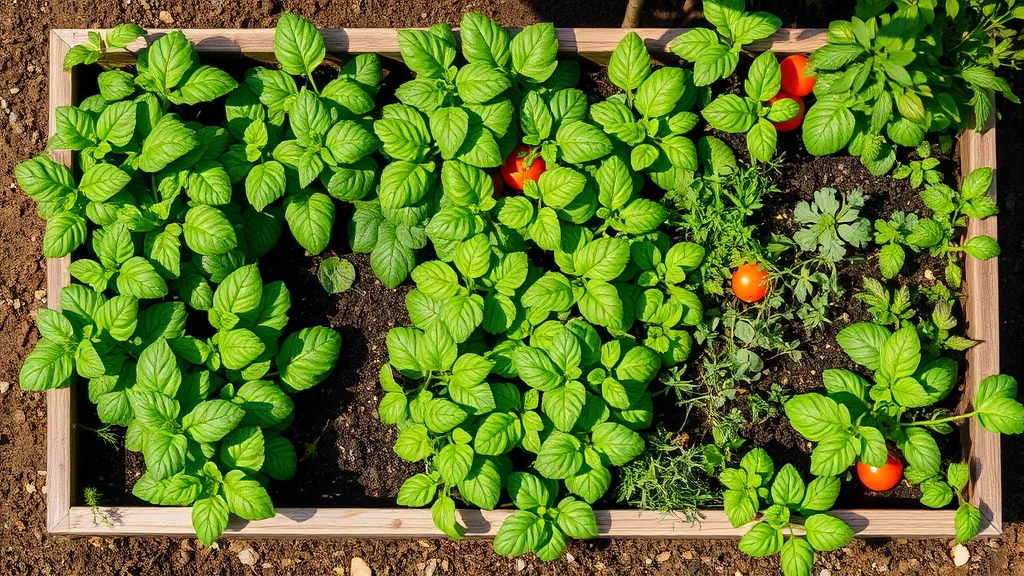
Raised garden beds have revolutionized how home gardeners approach vegetable cultivation, offering superior drainage, better soil control, and easier access compared to traditional in-ground gardens. Whether you’re a seasoned gardener or just starting your growing journey, understanding the benefits and best practices for raised garden beds can dramatically improve your harvest and reduce maintenance headaches throughout the season.
A vegetable raised garden bed transforms your gardening experience by providing an elevated growing space that you can customize entirely. From selecting the right dimensions to choosing optimal soil composition, every decision impacts your plants’ success. This comprehensive guide walks you through everything you need to know to create thriving raised beds that produce abundant vegetables year after year.
Why Choose Raised Garden Beds for Vegetables
Raised garden beds offer multiple advantages that make them the preferred choice for vegetable gardeners everywhere. The elevated design naturally improves drainage, preventing waterlogging that can rot roots and encourage fungal diseases. This is especially valuable in areas with heavy clay soil or regions prone to excessive rainfall during growing seasons.
Another significant benefit involves soil quality control. Rather than amending poor native soil, you fill your raised bed with premium garden soil tailored to your vegetables’ specific needs. This means better nutrient availability, optimal pH levels, and superior growing conditions from day one. You’ll notice stronger plant growth and higher yields compared to struggling with substandard ground soil.
The ergonomic advantage cannot be overstated. Raised beds reduce bending and strain on your back, knees, and joints—making gardening more comfortable and sustainable as you age. You can tend plants, harvest vegetables, and perform maintenance tasks while standing or sitting on the bed’s edge, transforming gardening into an activity you’ll actually enjoy doing regularly.
Accessibility improvements extend to pest management as well. The elevated structure creates a physical barrier against certain ground-dwelling pests and makes it easier to inspect plants for early disease detection. You’ll spot problems quickly and address them before they spread, protecting your investment and ensuring consistent production.
Selecting the Perfect Location and Size
Location determines everything in vegetable gardening. Most vegetables require six to eight hours of direct sunlight daily, so position your raised garden bed in the sunniest spot available. Observe your yard throughout the day, noting where shadows fall during morning, midday, and afternoon hours. North-facing locations rarely work for vegetable production, while south-facing spots typically provide optimal light exposure.
Consider proximity to water sources and your home. A bed located near an outdoor faucet simplifies watering tasks, while positioning near your kitchen door encourages frequent harvesting and monitoring. Avoid areas beneath large trees where root competition and shade limit growth, and steer clear of low spots where water accumulates after heavy rains.
Standard raised bed dimensions measure four feet by eight feet with a depth of twelve inches, though you can adjust based on your space and preferences. Four-foot width allows comfortable reach to the center from either side without stepping into the bed. Eight-foot length provides ample growing space without becoming unwieldy or difficult to manage. Depth of twelve inches accommodates most vegetable root systems, though root crops and deep-rooting plants benefit from eighteen-inch depths.
If you have limited space, construct narrower beds (two to three feet wide) or smaller square configurations. Even a single four-by-four-foot bed produces impressive vegetable yields when properly managed. Multiple smaller beds offer flexibility for crop rotation and different plant spacing requirements compared to one large bed.
Building Your Raised Bed Structure
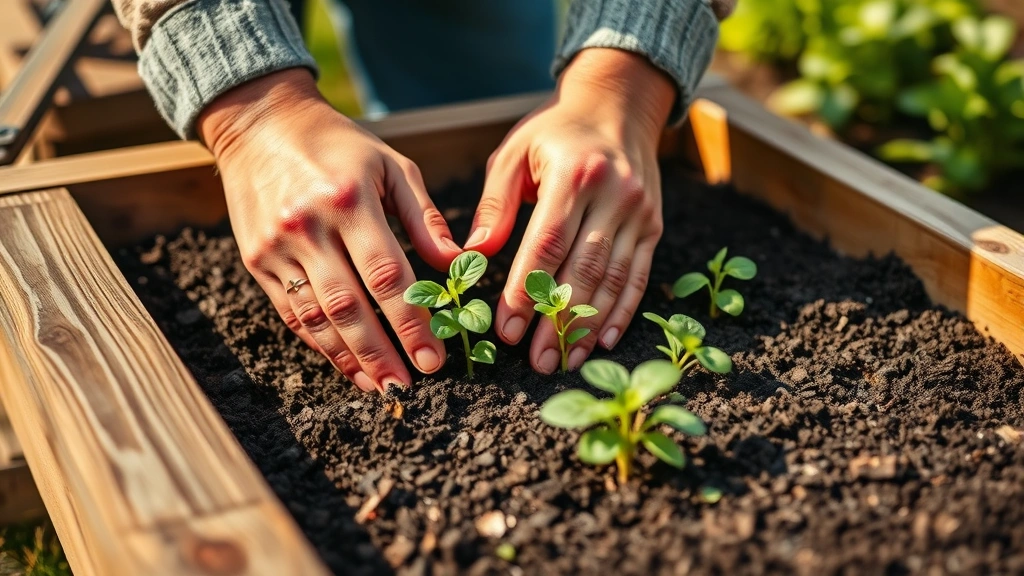
Material selection impacts durability, aesthetics, and safety. Cedar or redwood naturally resist rot and decay, lasting ten to fifteen years without treatment. These premium options cost more initially but require minimal maintenance and provide beautiful garden aesthetics. Avoid pressure-treated wood from older construction periods, as it may contain harmful chemicals, though modern pressure-treated lumber is considered safe for vegetable growing.
Composite materials and galvanized metal offer longevity alternatives. Composite boards won’t rot and require no staining or sealing, though they cost significantly more than wood. Galvanized steel or aluminum frames provide durability and clean lines, working well in modern garden designs while resisting rust and deterioration.
When building a raised garden bed, ensure corners are square and the structure sits level. Use exterior-grade wood screws rather than nails, as screws hold better through wood movement caused by moisture and temperature fluctuations. Add landscape fabric to the bottom, stapling it to the interior frame to prevent weeds from invading while allowing water drainage.
For enhanced longevity, consider adding a second layer of landscape fabric on top of the soil, cutting X-shaped holes for plants. This suppresses weeds dramatically, reducing maintenance throughout the season while preserving soil moisture. Many gardeners find this extra step saves countless hours of weeding.
Soil Composition and Preparation
Quality soil forms the foundation of productive raised beds. The ideal vegetable growing medium combines topsoil, compost, and peat moss or coconut coir in roughly equal proportions. This mixture provides nutrients, water retention, and drainage—the perfect balance for most vegetables. Some gardeners prefer the Mel’s Mix formula: one-third compost, one-third peat moss, and one-third vermiculite, which has proven successful for countless gardeners.
Fill your bed with quality garden fertilizer and soil amendments before planting. The initial investment in premium soil pays dividends through superior plant growth and reduced disease pressure. Budget approximately one cubic yard of soil per forty-eight square feet of bed surface area. A four-by-eight-foot bed with twelve-inch depth requires about thirty-two cubic feet of soil.
As seasons progress, soil naturally compacts and settles. Plan to add two to three inches of compost annually to maintain nutrient levels and soil structure. This top-dressing approach gradually builds soil quality while feeding your vegetables naturally. Over several years, your raised bed becomes increasingly productive as organic matter accumulates.
Test your soil pH and nutrient content before the first planting season. Most vegetables prefer slightly acidic soil with a pH between 6.0 and 7.0. Extension services offer affordable soil testing services that provide specific recommendations for amendments needed to optimize growing conditions. This information guides your fertilization strategy throughout the growing season.
Best Vegetables for Raised Beds
Shallow-rooted vegetables thrive in standard twelve-inch-deep raised beds. Lettuce, spinach, kale, and other leafy greens flourish with minimal root depth, allowing you to pack more plants into available space. These cool-season crops produce quickly, often ready for harvest within four to six weeks of planting, enabling succession planting for continuous harvests.
Tomatoes, peppers, and eggplants represent the vegetable garden’s superstars, producing abundantly in raised beds with proper support and fertilization. Indeterminate varieties benefit from sturdy cages or stakes, preventing branches from bending under fruit weight. Determinate types require less support and work well in limited spaces.
Root vegetables like carrots, beets, and radishes perform excellently in raised beds, especially when soil depth exceeds twelve inches. These crops tolerate crowding better than many vegetables, allowing higher planting densities. Butternut squash and other winter squash varieties require more space but produce impressive yields when given adequate room to sprawl or vertical support structures.
Herbs integrate beautifully into vegetable raised beds, occupying corner spaces while providing culinary benefits. Basil, parsley, cilantro, and oregano grow vigorously in quality soil and thrive alongside vegetables. Their aromatic compounds may even deter certain pests, providing subtle pest management benefits alongside their obvious culinary value.
Consider your climate and growing season length when selecting vegetables. Cool-season crops like broccoli, cabbage, and cauliflower prefer spring and fall conditions, while warm-season varieties like beans, cucumbers, and melons need summer heat. Succession planting—sowing seeds every two to three weeks—extends harvests and maximizes bed productivity throughout the year.
Watering and Irrigation Solutions
Raised beds require consistent moisture, especially during fruit-bearing stages when water demand peaks. The elevated structure drains quickly, meaning daily watering becomes necessary during hot weather. Hand watering with a hose works for small gardens, but larger setups benefit from automated systems that deliver water efficiently.
A garden irrigation system saves time and ensures consistent moisture levels. Drip irrigation delivers water directly to soil, minimizing waste and reducing foliar diseases caused by overhead watering. Soaker hoses provide similar benefits at lower cost, though they require manual setup and adjustment. Both methods reduce water consumption by thirty to fifty percent compared to sprinkler irrigation.
Mulching conserves soil moisture significantly. A two-inch layer of straw, shredded leaves, or wood chips moderates soil temperature, suppresses weeds, and reduces evaporation. Keep mulch several inches away from plant stems to prevent rot and pest problems. As mulch decomposes, it adds organic matter to your soil, gradually improving structure and water-holding capacity.
Morning watering proves superior to evening irrigation. Water applied early allows foliage to dry quickly, reducing fungal disease risk. Evening watering leaves plants wet overnight, creating ideal conditions for powdery mildew, damping off, and other moisture-related diseases. Consistent morning watering establishes healthy plants better equipped to withstand pest and disease pressure.
Monitor soil moisture by inserting your finger two inches deep into the soil. If it feels dry, water thoroughly until moisture penetrates the entire bed depth. Proper watering encourages deep root development, making plants more drought-tolerant and stable. Shallow, frequent watering creates weak root systems vulnerable to stress.
Managing Pests and Diseases
Raised beds experience fewer pest problems than ground gardens, but vigilance remains essential. Inspect plants regularly, checking leaf undersides where many pests hide. Early detection allows intervention before populations explode and cause significant damage. Hand-picking larger pests like caterpillars and beetles proves effective and requires no chemicals.
Row covers protect young plants from flying insects while allowing light and water penetration. Remove covers once plants flower if they require pollinator visits. Floating row covers work best for plants with extended harvest periods, providing season-long protection against common pests without pesticide applications.
Companion planting deters pests naturally. Marigolds repel certain beetles and aphids, while nasturtiums act as trap crops, drawing pests away from vegetables. Herbs like basil and cilantro attract beneficial insects that prey on garden pests, creating a balanced ecosystem within your raised bed. This biological pest management reduces chemical inputs while supporting overall garden health.
Disease prevention emphasizes cultural practices over treatment. Proper spacing ensures air circulation, reducing fungal disease risk. Avoid overhead watering that keeps foliage wet. Remove infected leaves promptly and dispose of them in trash rather than compost, preventing disease spore spread. Crop rotation, even within raised beds, prevents pathogen buildup in soil.
When pest or disease problems occur, start with the gentlest effective solution. Neem oil, insecticidal soap, and sulfur dust address many common issues organically. Reserve stronger pesticides for severe infestations after other approaches fail. Integrated pest management minimizes chemical use while maintaining healthy, productive plants.
Seasonal Maintenance Tips
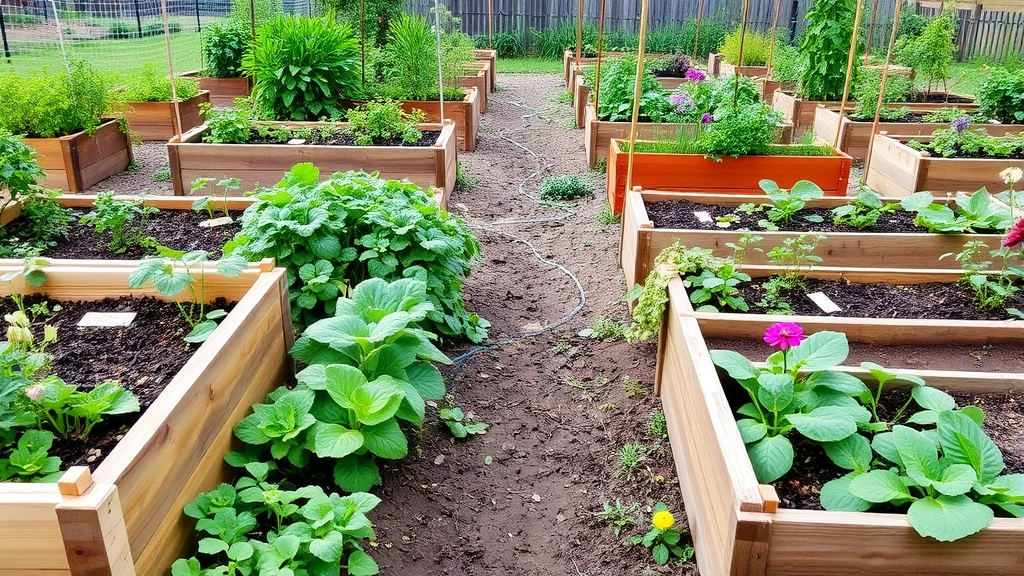
Spring preparation sets the tone for the entire growing season. Add two to three inches of compost, incorporating it gently into the top few inches of existing soil. Test soil pH and nutrient levels, adjusting with amendments as needed. Construct trellises and support structures before planting, avoiding root disturbance later. Harden off transplants gradually before moving them outdoors, preparing them for environmental stresses.
Summer maintenance focuses on consistent watering, pest monitoring, and succession planting. Harvest vegetables regularly—removing mature fruits encourages continued production. Deadhead spent flowers on herbs to extend their productive period. Top-dress with compost midseason to replenish nutrients depleted by growing plants.
Fall transitions your garden toward cool-season crops. Remove spent summer plants entirely, clearing space for fall vegetables. Plant broccoli, cabbage, kale, and other brassicas six to eight weeks before the first expected frost. These crops tolerate light frosts better than warm-season vegetables, extending your harvest deep into autumn.
Winter preparation protects your beds and improves soil for spring. In cold climates, cover beds with leaves or straw to moderate temperature fluctuations. Plant cover crops like clover or hairy vetch that add nitrogen while protecting soil from erosion. In mild climates, continue growing cold-hardy vegetables like spinach, arugula, and mâche for winter harvests.
Year-round maintenance includes removing fallen leaves, monitoring for pest problems, and adjusting watering schedules seasonally. Keep detailed records of what you planted, when you harvested, and how well varieties performed. This information guides future planting decisions, helping you optimize your raised bed garden continuously.
FAQ
How deep should a vegetable raised garden bed be?
Most vegetables thrive in twelve-inch-deep beds, though root crops and deep-rooting plants benefit from eighteen-inch depths. Shallow-rooted greens and herbs need only eight to ten inches. Match bed depth to your primary crops for optimal results.
Can I grow blueberries in containers alongside vegetables?
Yes, blueberries can grow in containers positioned near raised beds. They require acidic soil distinct from most vegetables’ preferences, so container growing prevents soil mixing while allowing complementary plantings.
What’s the best soil mix for vegetable raised beds?
Combine equal parts topsoil, compost, and peat moss or coconut coir. Alternatively, use Mel’s Mix: one-third compost, one-third peat moss, and one-third vermiculite. Both formulas provide excellent drainage and nutrient availability.
How often should I water raised beds?
Most vegetables need one to two inches of water weekly, delivered through consistent daily watering during hot weather. Check soil moisture by inserting your finger two inches deep—water when it feels dry at that depth.
Can I use treated wood for raised beds?
Modern pressure-treated lumber is safe for vegetable growing, though cedar and redwood naturally resist rot without chemical treatment. Avoid old treated wood that may contain harmful preservatives. Composite materials offer chemical-free durability alternatives.
What vegetables grow best in raised beds?
Tomatoes, peppers, lettuce, spinach, kale, carrots, beets, beans, and cucumbers all thrive in raised beds. Choose varieties suited to your climate and available space, considering both cool-season and warm-season options for year-round production.
How can I prevent weeds in raised beds?
Line bed bottoms with landscape fabric stapled to interior frames. Add a second fabric layer on top of soil with X-shaped holes for plants. Mulch with two inches of straw or wood chips, keeping material away from plant stems to prevent rot.
Should I amend my raised bed soil annually?
Yes, add two to three inches of compost annually to replenish nutrients and maintain soil structure. This top-dressing approach gradually builds soil quality while feeding vegetables naturally throughout the growing season.
What’s the ideal size for a vegetable raised bed?
Four feet by eight feet with twelve-inch depth represents the standard, allowing comfortable reach from either side while providing ample growing space. Adjust dimensions based on available space and your physical capabilities—even smaller beds produce impressive yields.
Can I grow a cottage garden style in raised beds?
Absolutely! Combine vegetables, herbs, and flowers in raised beds for charming cottage garden aesthetics. Mix tall plants in back with shorter varieties in front, creating layered visual interest while maintaining functionality and productivity.


