Transform Urban Gardens: Expert Tips & Tricks for City Growers
Urban gardening has revolutionized how city dwellers connect with nature and grow their own food. Whether you have a tiny balcony, a rooftop, or a small backyard, transforming your urban space into a thriving garden is entirely possible with the right knowledge and techniques. This comprehensive guide will walk you through everything you need to know to become a successful urban gardener.
The beauty of urban gardening lies in its flexibility and accessibility. You don’t need acres of land or perfect soil conditions to cultivate a productive garden. Modern urban gardeners are discovering innovative ways to maximize limited space, overcome environmental challenges, and create green oases in concrete jungles. From vertical gardens to container cultivation, the possibilities are endless for those willing to experiment and learn.
Understanding Your Urban Space
Before you begin any urban gardening project, take time to thoroughly assess your available space. Urban environments present unique opportunities and constraints that differ significantly from traditional garden settings. Understanding these factors will help you make informed decisions about what to grow and how to grow it.
Start by measuring your space accurately. Whether you’re working with a balcony, patio, windowsill, or rooftop, knowing the exact dimensions will help you plan your layout effectively. Consider the weight-bearing capacity of your space, especially if you’re planning to use multiple containers or raised garden beds on breeze blocks. Apartment dwellers should check their lease agreements and building regulations before installing permanent structures.
Next, evaluate the microclimates within your space. Urban areas create their own weather patterns due to building reflectivity, wind tunnels between structures, and heat absorption from concrete and asphalt. Some areas might receive intense afternoon sun reflecting off buildings, while others remain perpetually shaded. Observe your space throughout the day to map out sun exposure patterns. Most vegetables require six to eight hours of direct sunlight daily, while many herbs can thrive with four to six hours.
Wind exposure is another critical factor often overlooked by urban gardeners. High-rise balconies and rooftops can experience strong winds that stress plants and increase water evaporation. Consider installing windbreaks using trellises or strategic plant placement to protect your more delicate specimens.
Container Gardening Essentials
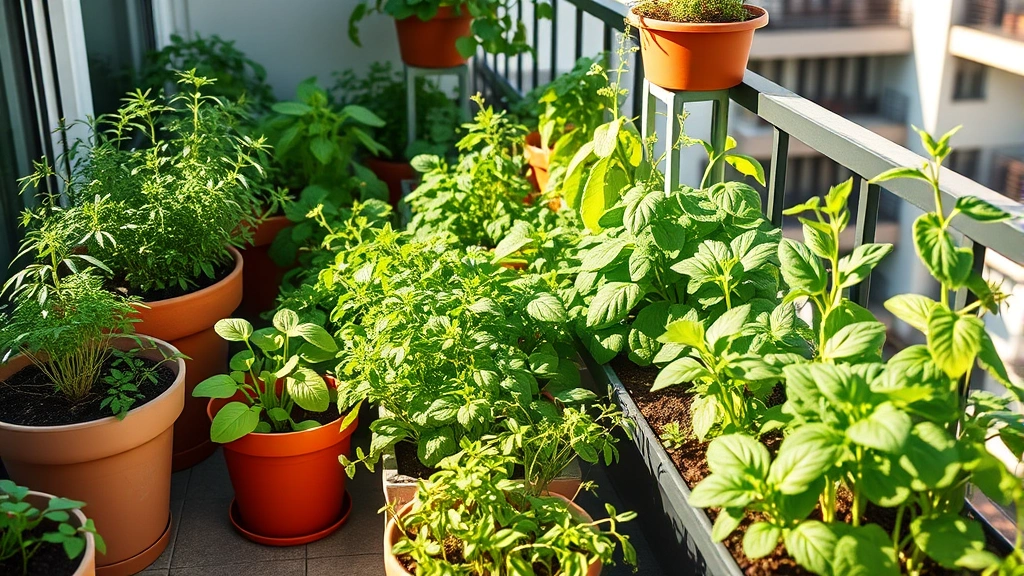
Container gardening forms the foundation of most urban gardening projects. The beauty of this approach is its incredible flexibility—you can move containers to optimize light, create instant garden displays, and completely transform your space without permanent modifications.
Selecting appropriate containers is crucial for plant health and success. Choose containers with drainage holes to prevent waterlogging, which is the primary killer of container plants. Size matters significantly; larger containers retain moisture longer and provide more root space for plants to establish themselves. A general rule is to use containers at least twelve inches deep for most vegetables and herbs, though smaller plants like lettuce can thrive in six-inch containers.
Material selection affects both plant health and aesthetics. Terracotta containers are attractive and allow soil to breathe, but they dry out quickly in hot weather. Plastic containers are lightweight and retain moisture better, making them ideal for balconies and rooftops. Ceramic containers offer visual appeal and moderate moisture retention. Reclaimed containers like wooden crates, old buckets, and storage bins can work wonderfully with creative drainage hole additions.
Soil quality is absolutely paramount in container gardening. Never use garden soil in containers—it compacts and drains poorly in confined spaces. Instead, invest in high-quality potting mix specifically formulated for containers. These mixes typically contain peat moss or coco coir, perlite, and compost, creating an environment that balances moisture retention with drainage. You can also create your own mix by combining equal parts compost, peat moss, and perlite.
Fertilization becomes more important in containers since nutrients leach out with regular watering. Use slow-release fertilizers or add compost to the top of your soil monthly. Liquid fertilizers work well for quick nutrient boosts during peak growing seasons.
Vertical Growing Systems
Vertical gardening dramatically increases your growing capacity by utilizing wall space and overhead areas. This technique is perfect for urban gardeners with limited floor space and creates visually stunning garden displays.
Trellises and wall-mounted systems allow you to grow climbing plants, pole beans, and cucumbers vertically. Install sturdy trellises against sunny walls and watch your plants climb toward the light. These systems not only maximize space but also improve air circulation around plants, reducing disease pressure.
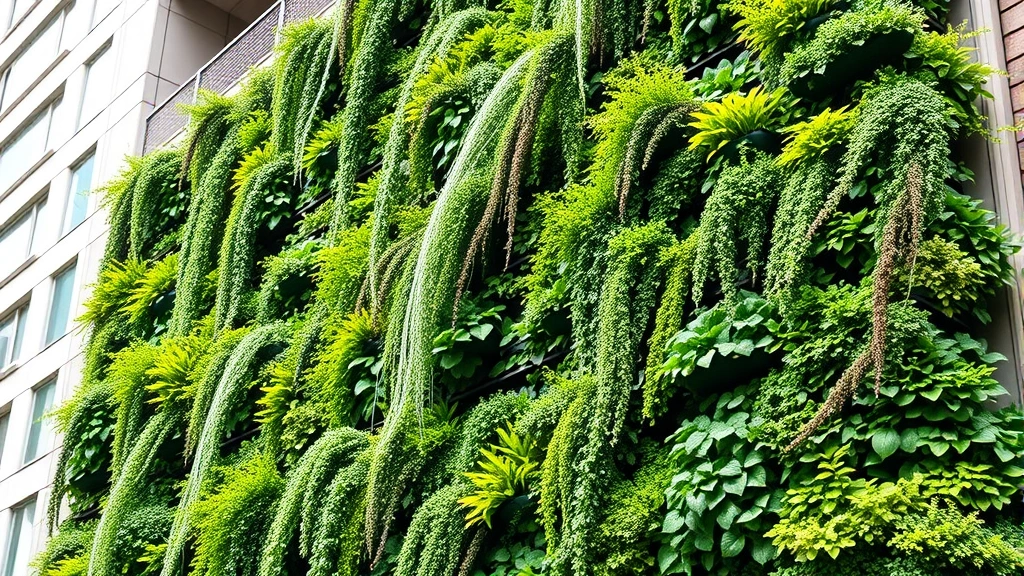
Living walls and green walls represent the pinnacle of vertical gardening innovation. These modular systems feature multiple pockets or channels where individual plants grow. While more expensive initially, living walls create dramatic focal points and provide excellent insulation for buildings. Many cities now offer incentives for installing green infrastructure like living walls.
Hanging baskets and suspended containers bring gardening to new heights—literally. Trailing plants like strawberries, herbs, and ornamental sweet potato vine create cascading displays while freeing up valuable ground space. Use sturdy hooks rated for your local wind conditions and ensure adequate water access since hanging containers dry out quickly.
Shelving systems maximize vertical space efficiently. Tiered metal shelving holds multiple container plants while remaining portable and lightweight. This approach works particularly well for herb gardens, where you can organize different varieties at convenient heights.
Selecting the Right Plants
Choosing appropriate plants is essential for urban gardening success. Select varieties that match your available light, space constraints, and climate zone.
For sunny urban spaces receiving six or more hours of direct sunlight, grow productive vegetables like tomatoes, peppers, eggplants, and beans. These sun-loving plants thrive in containers and produce abundantly throughout the season. Consider visiting how to grow peas in your garden for a complete guide to understanding cool-season crops perfect for spring and fall growing.
Herbs are urban gardening superstars. Basil, parsley, cilantro, chives, and oregano grow prolifically in containers, requiring minimal space while providing regular harvests for your kitchen. These culinary herbs also attract pollinators and beneficial insects, supporting a healthy garden ecosystem.
For shadier urban spaces, explore shade-tolerant options. Leafy greens like lettuce, spinach, and kale flourish in partial shade. Many herbs including mint, parsley, and chives tolerate four to six hours of sunlight. For more comprehensive information, check out our shade garden guide for detailed shade-growing strategies.
Ornamental plants shouldn’t be overlooked in urban gardens. Explore flower garden ideas to integrate colorful blooms with your edible plants. Flowers attract pollinators essential for vegetable production while adding visual interest and beauty to your urban space.
Strawberries, blueberries, and dwarf fruit trees bring diversity to urban gardens. These productive plants provide fresh fruit while requiring relatively modest space. Dwarf varieties developed specifically for container growing make fruit gardening accessible to apartment dwellers.
Managing Light and Water
Two factors most critically determine urban gardening success: light and water management. Urban environments often present challenges with both.
For insufficient natural light, consider supplemental grow lights. LED grow lights have revolutionized indoor gardening, consuming minimal electricity while providing the full spectrum plants need for photosynthesis. Position lights eight to twelve inches above plants, adjusting as they grow. Most vegetables require fourteen to sixteen hours of light daily under artificial systems.
Reflective surfaces amplify available light in urban spaces. Paint walls white, use reflective mulch, or install mirrors strategically to bounce sunlight onto your plants. These simple techniques can increase effective light by twenty to thirty percent without additional energy costs.
Watering requires careful attention in urban container gardens. Containers dry out much faster than in-ground gardens, especially in hot weather and windy locations. Check soil moisture daily by inserting your finger one inch into the soil. Water thoroughly when the top inch feels dry, ensuring water drains from drainage holes.
Drip irrigation and soaker hoses save time while delivering water directly to plant roots where it’s needed most. Timer systems automate watering, perfect for busy urban dwellers or those frequently away from home. Rainwater collection systems reduce your water consumption and municipal water bills while providing free, chemical-free water for your plants.
Mulching container plants helps retain moisture and moderate soil temperature. Apply two inches of organic mulch around plants, keeping it several inches away from stems to prevent rot.
Building Raised Garden Beds
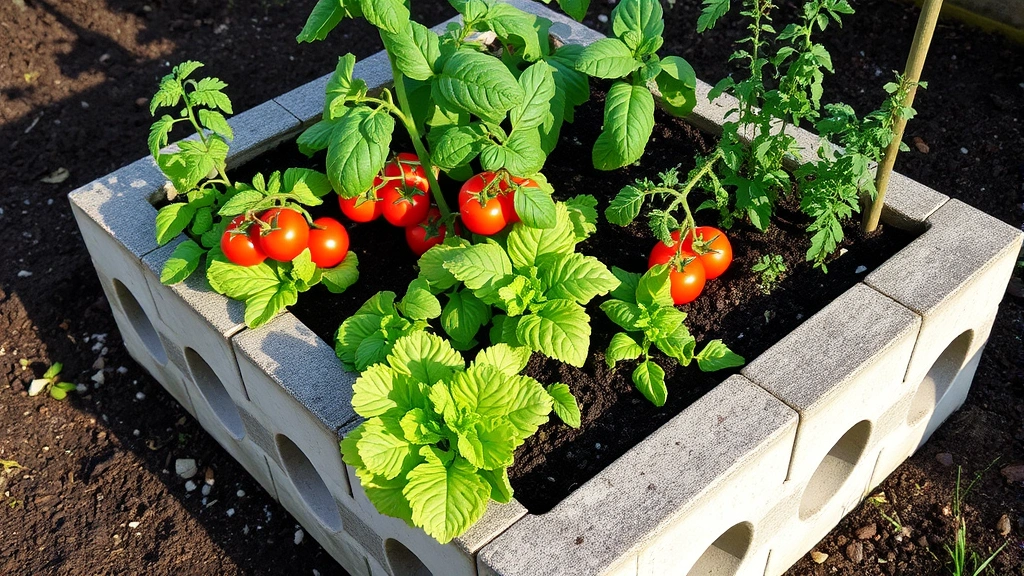
If you have ground-level space like a patio or small yard, raised garden beds built with breeze blocks offer an excellent alternative to containers. These structures provide better drainage, easier access, and improved soil conditions compared to traditional ground gardens in urban environments.
Raised beds work particularly well in urban settings where existing soil may be contaminated with heavy metals or other pollutants. By filling your raised beds with quality potting mix or garden soil, you control exactly what your plants grow in. This approach is especially important for food gardens where soil safety directly affects your health.
Breeze block construction provides several advantages. These concrete blocks are affordable, widely available, and relatively simple to assemble. They stack easily to create beds of various heights—eighteen to twenty-four inches is ideal for most vegetables and provides comfortable working height for many gardeners. The hollow cores of breeze blocks can even accommodate small plants, creating additional growing space.
Construct your raised beds on level ground, checking frequently with a level as you stack blocks. You don’t need mortar for temporary beds, though it improves longevity. Line the bottom with landscape fabric to prevent weeds from growing up into your bed while allowing water drainage.
Consider incorporating garden sculptures or trellises within your raised bed design for visual interest and functional plant support. This integration creates beautiful, productive spaces that serve as focal points in your urban garden.
Seasonal Urban Gardening
Urban gardeners can extend their growing season significantly by understanding seasonal variations and using season-extending techniques.
Spring marks the beginning of the growing season in most climates. Start cool-season crops like peas, lettuce, and spinach as soon as soil can be worked. Transplant warm-season crops like tomatoes and peppers after the last frost date. Spring is ideal for establishing perennial herbs that will produce for years.
Summer brings peak growing conditions for most vegetables. Monitor water needs carefully as heat increases evaporation rates. Provide afternoon shade cloth for heat-sensitive crops like lettuce and spinach. Continue harvesting regularly to encourage continued production.
Fall offers a second planting window for cool-season crops. Many urban gardeners find fall gardening more successful than spring because soil is warm from summer while air temperatures cool, creating ideal conditions for plant establishment. Plant new lettuce, kale, and other greens for fall and early winter harvests.
Winter gardening is possible even in cold climates with proper techniques. Cold frames and row covers extend the season for hardy greens. In mild climates, cool-season crops continue producing through winter. Focus on overwintering perennial herbs and planning next season’s garden.
Common Urban Gardening Challenges
Urban gardeners face distinctive challenges that require specific solutions. Understanding these problems helps you overcome them effectively.
Air Pollution: Urban air pollution can stress plants and reduce productivity. Choose pollution-tolerant varieties and provide adequate water to help plants manage stress. Regular foliage washing removes accumulated pollutants.
Pest Management: Urban gardens often attract common pests like aphids, spider mites, and whiteflies. Use integrated pest management approaches including hand-picking, insecticidal soaps, and introducing beneficial insects. Avoid broad-spectrum pesticides that harm pollinators.
Limited Space: Maximize your space through vertical growing, succession planting, and careful variety selection. Focus on high-value crops that provide maximum nutrition or flavor in minimal space.
Poor Drainage: Ensure all containers have adequate drainage holes. Improve soil drainage by amending with perlite or coarse sand. Never allow plants to sit in standing water.
Neighbor Relations: Be considerate about water runoff, pest management chemicals, and visual aesthetics. Many neighbors become interested when they see your successful garden—use this as an opportunity to build community connections and share knowledge.
Theft and Vandalism: Secure your garden space if possible. Community gardens and visible front-yard gardens sometimes experience theft. Consider using less-visible locations or installing simple fencing to protect your plants.
FAQ
What’s the minimum amount of sunlight needed for vegetables?
Most vegetables require six to eight hours of direct sunlight daily. Leafy greens can tolerate four to six hours, while root crops need five to seven hours. Check specific plant requirements and observe your space throughout the day to determine suitability.
Can I garden in complete shade?
Complete shade is challenging, but you can grow shade-tolerant herbs like mint and parsley, plus leafy greens like lettuce and spinach. Supplement with grow lights for better productivity, or focus on ornamental shade plants.
How often should I water my containers?
Container watering frequency depends on temperature, humidity, container size, and plant type. Check soil moisture daily and water when the top inch feels dry. In hot weather, this may mean daily watering. Use drip irrigation or soaker hoses to automate this process.
What’s the best potting mix for urban gardens?
Purchase quality commercial potting mixes formulated for containers, or create your own by mixing equal parts compost, peat moss, and perlite. Avoid garden soil, which compacts and drains poorly in containers.
Can I grow food year-round in an urban garden?
In most climates, you can extend your season significantly with proper techniques. Cool-season crops grow in spring and fall, while summer brings warm-season vegetables. In mild climates, winter gardening is possible. Grow lights enable year-round indoor gardening.
How do I prevent pests in urban gardens?
Use integrated pest management including regular inspection, hand-picking larger pests, and using insecticidal soaps for infestations. Introduce beneficial insects like ladybugs. Avoid broad-spectrum pesticides that harm pollinators. Maintain healthy plants through proper watering and nutrition.
What are the best plants for beginners?
Start with herbs like basil, parsley, and chives. Grow easy vegetables including lettuce, spinach, cherry tomatoes, and peppers. These plants are forgiving, productive, and thrive in containers with basic care.