Uptown Beer Garden: Perfect Plants for Décor
Creating an inviting uptown beer garden requires more than just cold beverages and comfortable seating—the right plants can transform your outdoor space into a lush, sophisticated retreat. Whether you’re designing a rooftop oasis, a courtyard sanctuary, or an urban patio, carefully selected greenery adds ambiance, natural cooling, and visual appeal that keeps patrons returning. Plants bring life to concrete jungles and create the perfect backdrop for relaxation and socializing.
The key to a successful beer garden aesthetic lies in choosing plants that thrive in your specific climate while complementing your venue’s architectural style. Urban environments present unique challenges: limited space, varying light conditions, container constraints, and foot traffic. This guide explores the best plant selections, care strategies, and design principles for creating a memorable uptown beer garden that balances beauty with practicality.
Best Plants for Urban Beer Gardens
Selecting the right plants for an uptown beer garden means prioritizing hardy varieties that tolerate urban conditions. The best candidates combine aesthetic appeal with low-maintenance requirements, allowing your staff to focus on hospitality rather than constant gardening tasks.
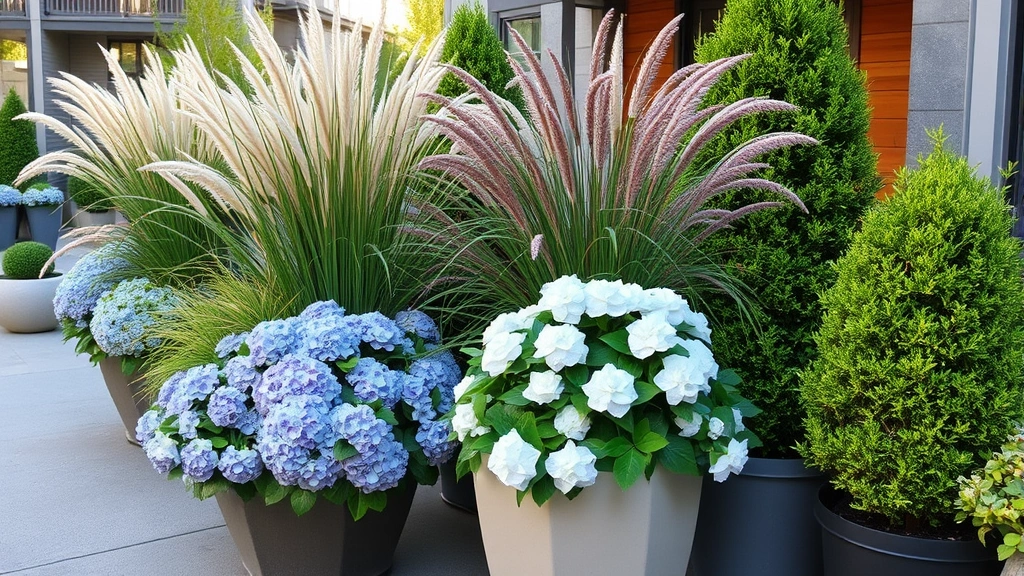
Ornamental Grasses offer elegant movement and texture without demanding intensive care. Fountain grass, feather reed grass, and Japanese forest grass create visual interest while requiring minimal water once established. These plants add dimension to corners and edges, softening hard landscaping elements common in urban settings. Their graceful, flowing forms provide a calming backdrop perfect for beer garden conversations.
Boxwood and Privet specimens deliver classic sophistication and year-round structure. These evergreen shrubs tolerate pruning, allowing you to maintain neat, manicured appearances or create topiary features. Boxwood’s dense foliage makes excellent screening for unsightly urban views, while its formal appearance elevates the entire venue’s aesthetic. Container-grown boxwoods work particularly well in smaller spaces.
Hydrangeas provide spectacular seasonal blooms in pink, blue, or white depending on soil pH. These shade-tolerant shrubs thrive in containers and reward minimal effort with abundant flowers from summer through fall. Their large flower heads create visual drama without requiring constant deadheading, making them ideal for venues where staff time is limited.
When starting a flower garden in urban settings, consider perennials like coneflowers, black-eyed Susans, and salvias. These hardy bloomers attract pollinators, extend seasonal interest, and self-seed for natural renewal. Their cottage-garden charm contrasts beautifully with modern urban architecture.
Clematis vines and climbing roses add vertical interest to walls, arbors, and trellises. These flowering climbers soften architectural lines while creating intimate alcoves within your beer garden. Choose repeat-blooming varieties for continuous color throughout the season. Their dramatic blooms serve as natural focal points that draw patrons’ eyes upward.
Container Gardening Essentials
Most uptown beer gardens rely heavily on container plantings due to limited soil space and hardscaping constraints. Successful container gardening begins with understanding drainage, soil quality, and pot selection.
Container Selection impacts both plant health and aesthetic appeal. Ceramic pots offer classic elegance and excellent insulation, protecting roots from temperature extremes. Wooden containers provide rustic charm and better drainage regulation. Avoid plastic in high-visibility areas; instead reserve plastic containers for behind-the-scenes utility. Ensure all containers have drainage holes—waterlogged roots quickly lead to plant failure.
Container size matters significantly for plant longevity. Undersized containers dry quickly and restrict root development, while oversized pots retain excess moisture. As a general rule, containers should be at least 12 inches deep for most ornamental plants. Larger specimens like hydrangeas and small shrubs need 18-24 inch containers for optimal growth.
Soil Quality determines whether container plants thrive or merely survive. Use high-quality potting mix specifically formulated for containers—never use garden soil, which compacts in pots and prevents proper drainage. Premium potting mixes include perlite, coconut coir, and compost, creating ideal conditions for root development. Consider moisture-retaining formulas for high-traffic areas where daily watering isn’t feasible.
When growing mint in pots, use containers at least 12 inches deep with excellent drainage. Mint’s aggressive growth habit means it performs better in individual containers rather than mixed plantings. The aromatic foliage enhances beer garden ambiance while providing fresh garnish for beverages.
Fertilization becomes essential in container systems since nutrients leach away with regular watering. Apply slow-release fertilizers at planting, supplementing with liquid feeds monthly during growing season. Organic options like fish emulsion and seaweed extract provide nutrients while improving soil biology. Reduce feeding in late summer to encourage hardening-off before winter dormancy.
Seasonal Planting Strategies
Strategic seasonal planting keeps your beer garden visually dynamic year-round. Rather than static installations, consider rotating plantings to maximize impact during peak operating seasons.
Spring Installations should emphasize renewal and color. Flowering bulbs like tulips, hyacinths, and daffodils provide cheerful early-season interest. Follow bulbs with annual bedding plants—petunias, marigolds, and impatiens—that deliver continuous color through summer. These tender annuals typically thrive from May through first frost, making them perfect for seasonal venues.
Summer Plantings focus on heat-tolerant specimens that withstand intense sun and occasional neglect. Lantana, verbena, calibrachoa, and zinnias deliver vibrant blooms while tolerating drought stress. Foliage plants like coleus and dusty miller add textural interest without relying solely on flowers. These summer performers handle the heat and foot traffic inherent in busy beer gardens.
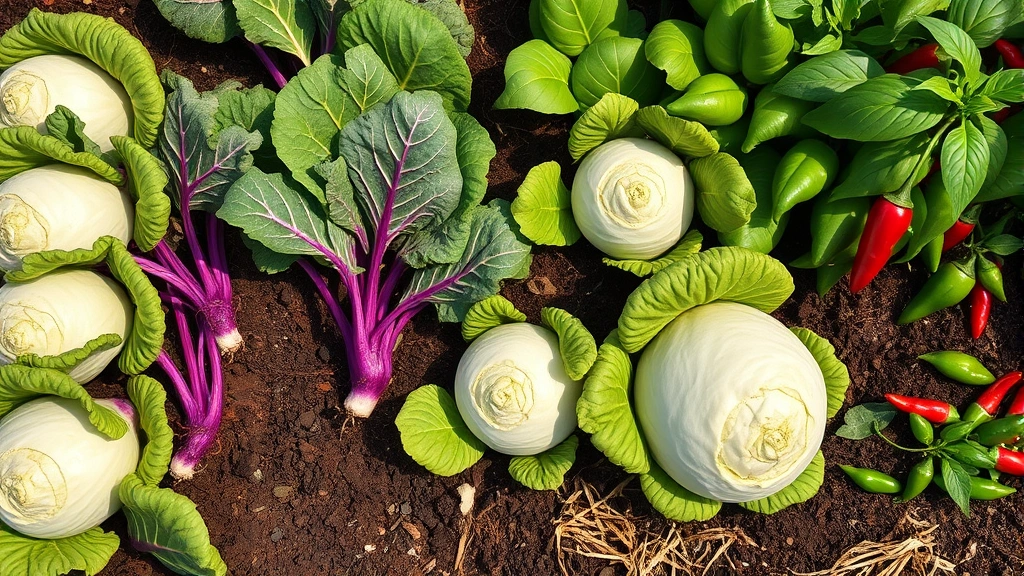
Fall Installations shift toward warm tones and structural interest. Mums, ornamental kale, and asters extend the growing season. Ornamental grasses reach peak beauty as they develop golden and bronze tones. Add seasonal elements like pumpkins, corn stalks, and hypericum berries for authentic fall ambiance that appeals to patrons seeking seasonal atmosphere.
Winter Plantings require cold-hardy selections that maintain appearance during dormancy. Evergreen shrubs, winter-blooming heathers, and ornamental cabbages provide color when deciduous plants fade. Winter-berrying plants like ilex and cotoneaster add visual interest and support wildlife. In mild climates, winter-flowering pansies and cyclamen bridge seasons with reliable color.
Creating Vertical Green Spaces
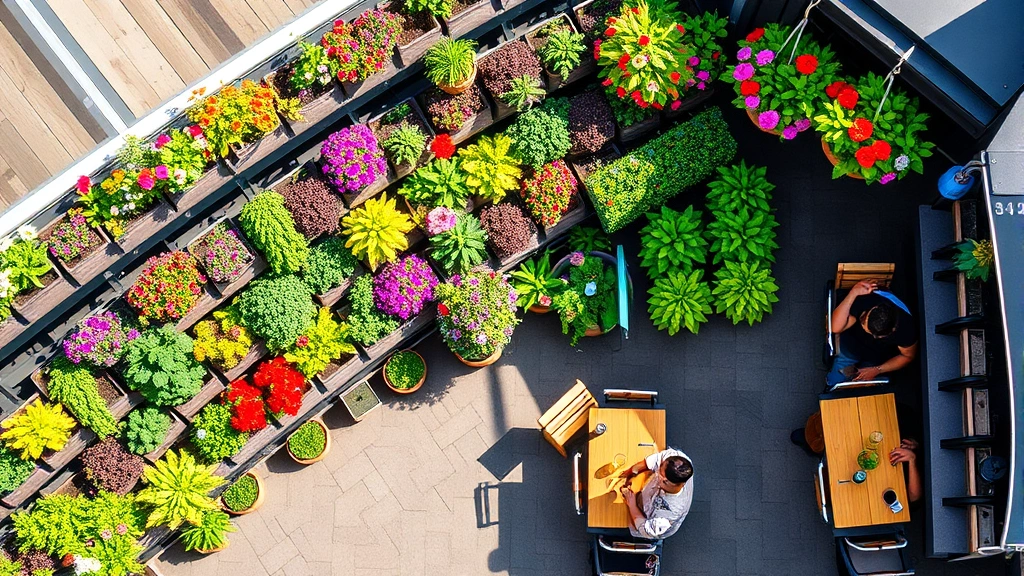
Urban beer gardens often face square-footage limitations, making vertical gardening essential for maximizing greenery. Green walls, trellises, and elevated plantings transform tight spaces into lush environments.
Living Walls create dramatic focal points while improving air quality and reducing ambient temperature. Modular living wall systems allow flexible installation on existing structures. Select shade-tolerant foliage plants for north-facing walls: ferns, ivy, and hostas. Sun-facing installations accommodate sedums, creeping thyme, and ornamental grasses. Living walls require drip irrigation systems and regular monitoring but reward with unmatched visual impact.
Trellis Systems support climbing plants that soften hard architectural lines. Install sturdy trellises on blank walls, fences, or as standalone features. Train clematis, jasmine, or climbing hydrangea to create living screens and intimate seating areas. Trellis-trained plants require initial guidance but eventually self-support, becoming increasingly beautiful with age.
Tiered Planting maximizes visual depth in compact spaces. Use elevated beds, stepped containers, and wall-mounted planters to create layered plantings. Position tall specimens at back, medium plants in middle, and trailing varieties at front. This tiered approach makes small areas appear larger while accommodating diverse plant types.
Hanging Baskets and Suspended Planters utilize overhead space without consuming ground area. Trailing petunias, fuchsias, ivy geraniums, and sweet potato vine cascade beautifully from overhead installations. Suspend baskets at varying heights to create visual rhythm. Ensure secure installation to prevent accidents in high-traffic areas, and implement drip irrigation systems for efficient watering.
Aromatic Plants for Ambiance
Fragrant plants elevate the sensory experience, creating multisensory appeal that distinguishes your beer garden from competitors. Strategic placement of aromatic specimens enhances the overall atmosphere without overwhelming patrons.
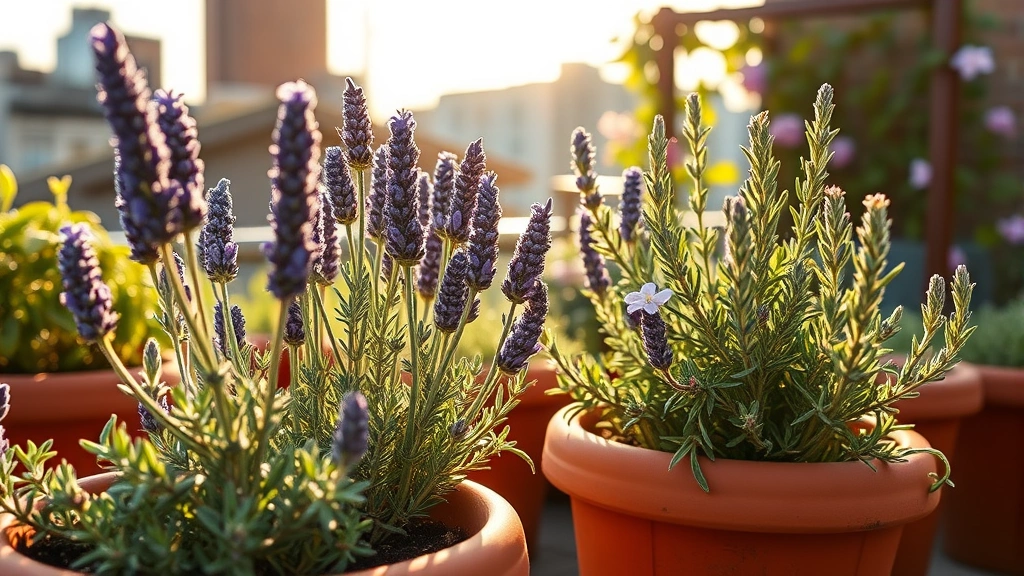
Lavender provides iconic fragrance and stunning purple blooms. This Mediterranean native tolerates heat and drought while attracting pollinators. Plant lavender in well-draining containers or raised beds in sunny locations. Its soothing scent complements relaxed beer garden vibes perfectly. Cut stems for fresh arrangements or dried sachets.
Herbs as Ornamentals blur the line between function and decoration. Rosemary, thyme, oregano, and sage offer culinary value alongside attractive foliage. These Mediterranean herbs tolerate container culture and poor soil, making them ideal for urban venues. Their aromatic foliage releases fragrance when brushed by passing patrons, creating subtle sensory experiences.
Jasmine and Honeysuckle deliver intoxicating evening fragrance. These climbing vines create romantic atmospheres while covering unsightly structures. Plant near seating areas where evening guests can appreciate their strongest scent. Some varieties bloom seasonally; select varieties that flower during your peak operating season.
Gardenias and Camellias offer sophisticated fragrance in warm climates. These evergreen shrubs produce showy flowers with exceptional scent. While somewhat demanding, their unmatched elegance justifies the care investment. Position near entrances where arriving guests encounter their welcoming fragrance.
When propagating plants, aromatic specimens like rosemary and lavender multiply easily from cuttings, allowing cost-effective expansion of your fragrant plantings. Simple propagation techniques let you create fresh stock without purchasing new plants.
Maintenance and Care Tips
Beautiful beer gardens require consistent maintenance. Develop sustainable care routines that fit your venue’s staffing and budget constraints.
Watering Systems deserve careful attention. Hand-watering works for small installations but becomes impractical for large beer gardens. Drip irrigation delivers water directly to root zones, reducing waste while improving plant health. Install timers for consistent watering regardless of staff availability. Container plants in summer heat need daily watering; monitor soil moisture regularly to prevent stress.
Pruning and Deadheading maintain plant appearance and encourage continued blooming. Remove spent flowers to redirect energy toward new growth. Prune shrubs in early spring before active growth begins. Use quality garden shears for clean cuts that heal quickly. Regular pruning prevents overgrown plants from overwhelming your space.
Pest Management keeps plants healthy without harsh chemicals inappropriate for food-service venues. Monitor regularly for common pests like aphids, spider mites, and whiteflies. Introduce beneficial insects like ladybugs and lacewings. Use organic sprays sparingly when pest populations spike. Neem oil and insecticidal soap address most common garden pests safely.
Disease Prevention starts with proper cultural practices. Ensure adequate air circulation around plantings to prevent fungal diseases. Water at soil level rather than overhead to keep foliage dry. Remove diseased leaves immediately to prevent spread. Select disease-resistant varieties when available.
Seasonal Transitions require planned activities. Remove summer annuals before frost, replacing them with fall and winter plantings. Divide perennials every 3-4 years to maintain vigor. Cut back dormant perennials in early spring. Mulch around shrubs and perennials to suppress weeds and regulate soil temperature.
Consider implementing flower arranging tips to maximize your plantings’ impact. Fresh-cut arrangements from your garden create beautiful table settings while extending plant material usefulness. Rotate arrangements seasonally to match overall beer garden themes.
Documentation and Planning simplify ongoing maintenance. Keep records of plant types, planting dates, fertilizer schedules, and pest issues. Photo documentation tracks seasonal changes and growth patterns. Create maintenance calendars noting seasonal tasks, watering requirements, and pruning schedules. This systematic approach ensures consistency even when staff changes occur.
FAQ
What plants tolerate heavy foot traffic in beer gardens?
Ornamental grasses, boxwoods, and shrubs with sturdy stems handle foot traffic better than delicate annuals. Position fragile plants away from main pathways. Use raised beds and containers to create physical barriers protecting plants from excessive contact.
How often should I water container plants in beer gardens?
Container plants typically need daily watering during hot months, especially in sunny locations. Check soil moisture by inserting your finger 2 inches deep—if dry, water thoroughly until drainage appears. Adjust frequency based on weather, container size, and plant type. Drip irrigation systems automate this process effectively.
Can I grow vegetables in uptown beer gardens?
Absolutely! Vegetable containers add functional beauty and freshness. Herbs like basil, parsley, and chives work particularly well, providing garnishes for beverages. Cherry tomatoes, lettuce, and peppers produce abundant harvests in containers. Position vegetables in sunny locations and provide regular feeding for optimal production.
What’s the best time to plant for beer gardens?
Spring and fall offer ideal conditions for planting permanent installations. Spring plantings establish before summer stress; fall plantings develop roots before winter dormancy. Summer installations focus on heat-tolerant annuals. Winter plantings target cold-hardy specimens in mild climates. Tailor timing to your local climate and operating season.
How do I create privacy with plants in urban beer gardens?
Tall shrubs like bamboo (in containers to control spread), ornamental grasses, and climbing vines on trellises create effective screens. Stagger plantings at varying heights for natural-looking privacy that doesn’t appear fortress-like. Living walls provide complete coverage in minimal space. Combine multiple strategies for maximum privacy impact.
Are there low-maintenance plant options for neglected beer gardens?
Yes! Ornamental grasses, sedums, ornamental cabbage, boxwoods, and established shrubs tolerate inconsistent care. Xerophytic plants adapted to dry conditions handle missed waterings. Mulching reduces watering frequency. Select native plants suited to your region—they typically require minimal intervention. Container sizes matter: larger containers dry slower than small pots.
What’s the best garden arch for beer garden installations?
Metal arches provide durable, elegant frameworks for climbing plants. Wood arches offer rustic charm but require maintenance. Wrought iron arches withstand urban elements while supporting heavy vines. Position arches as focal points at entrances or seating areas. Train clematis or climbing roses over arches to create romantic, intimate spaces within your beer garden.