Essential Tools for Gardening Success: Expert Advice
Whether you’re cultivating a sprawling vegetable patch or tending to container herbs on a balcony, having the right tools in the garden makes all the difference between frustration and flourishing plants. The difference between a struggling gardener and a successful one often comes down to preparation, technique, and—critically—the quality of equipment at hand. This comprehensive guide explores the essential tools every gardener needs, from basic hand implements to specialized equipment that transforms your gardening experience.
Investing in quality gardening tools isn’t just about convenience; it’s about protecting your physical health, improving efficiency, and creating an environment where your plants can thrive. Many beginners make the mistake of purchasing cheap, low-quality tools that break easily or cause strain during use. By understanding which tools are truly essential and how to choose them wisely, you’ll build a toolkit that lasts for years and makes every gardening session more enjoyable.
Hand Tools: The Foundation of Every Garden
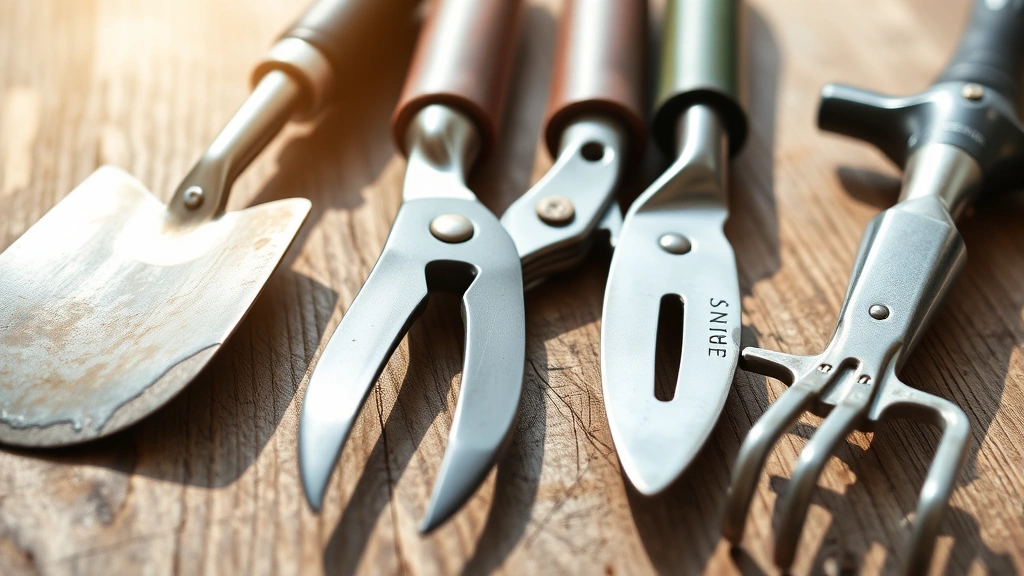
Hand tools form the backbone of any gardener’s collection. These fundamental implements handle countless tasks, from planting seeds to weeding problem areas. The most important hand tool is undoubtedly the hand trowel—a small, shovel-like instrument perfect for digging holes, transplanting seedlings, and breaking up compacted soil. Look for trowels with reinforced handles and stainless steel blades that resist rust and maintain their edge longer than cheaper alternatives.
The hand fork, also called a cultivator, features multiple prongs and excels at aerating soil, loosening weeds, and preparing planting beds. Many gardeners find this tool invaluable for breaking up hard soil without the strain of full-sized implements. When you’re starting your gardening journey as a beginner, these two hand tools will handle 70% of your routine tasks.
Weeding tools deserve special attention because proper weeding prevents countless plant diseases and pest problems. A weeding fork or dandelion digger removes deep-rooted weeds without breaking them off below the soil surface, which allows roots to regenerate. The hoe, while technically larger, functions as a hand tool in many gardening contexts and proves essential for creating furrows, breaking up soil clumps, and removing shallow-rooted weeds from between rows.
Don’t overlook simple tools like the hand rake, which smooths soil, removes debris, and creates fine seedbeds. A quality pair of gardening gloves protects your hands from thorns, blisters, and soil-borne pathogens while providing grip and dexterity. Invest in gloves made from breathable materials with reinforced palms—you’ll wear them constantly and cheap versions disintegrate quickly.
Digging and Turning Tools
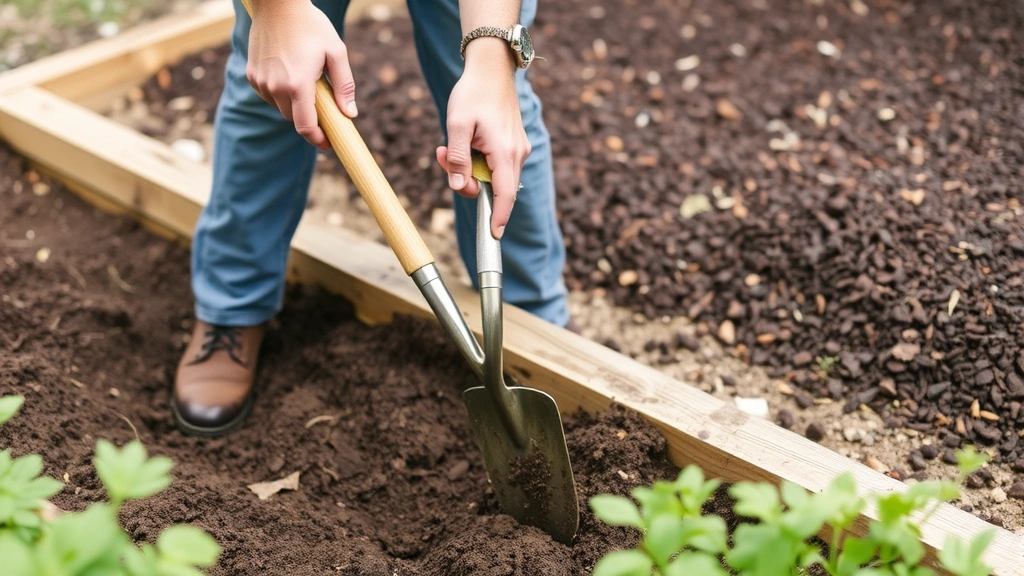
For larger-scale projects like building raised garden beds or preparing new planting areas, you’ll need full-sized digging tools. The spade (with a flat, rectangular blade) differs from the shovel (with a curved, rounded blade), and choosing the right one matters. Spades excel at edging, transplanting, and precise digging, while shovels move loose materials like mulch, compost, and soil amendments more efficiently.
A quality spade should have a comfortable handle length—typically 28-32 inches for most adults—and weigh enough to move soil effectively without being so heavy that it causes fatigue. Stainless steel blades resist rust and require less maintenance than carbon steel, though they cost more initially. Many experienced gardeners swear by the durability of well-maintained carbon steel tools that develop a natural patina protecting against rust.
The garden fork, with its four sturdy tines, proves indispensable for turning compost, aerating soil, and breaking up dense earth. Unlike shovels and spades, forks won’t slice through rocks or roots as easily, making them safer for rocky soil. A broadfork or two-handled fork allows you to aerate and loosen soil without turning it completely over—an excellent technique for preserving soil structure and beneficial microorganisms.
The mattock or pickaxe becomes necessary when dealing with extremely compacted soil, clay, or rocky terrain. While not essential for all gardeners, anyone working with challenging soil conditions will appreciate this tool’s power. A standard garden rake with sturdy tines helps level soil, remove stones and debris, and create smooth planting surfaces.
Watering Equipment and Systems
Consistent, appropriate watering determines more than any other single factor whether your plants thrive or merely survive. The watering can remains the most fundamental watering tool, useful for container plants, seedlings, and targeted watering of individual plants. Choose cans with fine rose attachments for delicate seedlings and coarser options for established plants that need vigorous watering.
A quality garden hose expands your watering reach exponentially. Look for hoses that resist kinking, withstand UV exposure, and connect securely to spigots. Length matters—measure your garden’s dimensions and add 10-15 feet for flexibility. Hose reels or carts keep equipment organized and prevent damage that shortens hose lifespan.
Sprinkler systems range from simple oscillating sprinklers to complex automated drip irrigation networks. Soaker hoses deliver water directly to soil, minimizing evaporation and reducing fungal diseases that develop when foliage stays wet. For protecting gardens from wildlife, proper watering systems positioned to avoid wetting paths can discourage certain pests.
Drip irrigation systems represent the gold standard for water efficiency, delivering water slowly to plant roots while conserving resources. These systems reduce water waste by 50% compared to traditional overhead watering. Installing drip irrigation requires initial investment but pays dividends through lower water bills and healthier plants requiring less maintenance.
A watering wand with an adjustable nozzle extends your reach and gives you control over water flow intensity. This simple tool proves invaluable for reaching hanging baskets, tall containers, and plants in the back of beds without dragging the entire hose system.
Pruning and Cutting Implements
Proper pruning shapes plants, encourages productive growth, and removes diseased material that threatens plant health. Hand pruners or secateurs should be your constant companion, capable of cleanly cutting stems up to roughly half an inch in diameter. Bypass pruners (with two sharp blades that pass each other) make cleaner cuts than anvil pruners (with one blade pressing against a flat surface), reducing damage and disease transmission.
Keeping pruners sharp is critical—dull blades crush tissue rather than cutting cleanly, creating entry points for pathogens. Sharpen regularly and wipe blades with disinfectant between plants to prevent spreading diseases. A pruning saw handles thicker branches (typically one to three inches) that exceed hand pruner capacity. Folding saws remain portable and safe, while curved blades cut on the pull stroke, making them easier to control.
Loppers extend your reach and leverage, allowing you to cut branches up to two inches thick without excessive strain. These two-handed tools prove essential for maintaining shrubs and removing dead wood from trees. Long-handled loppers reach high branches without climbing, improving safety significantly.
Hedge shears with long, straight blades maintain hedges and ornamental plants with precision. Electric hedge shears speed up larger projects, though manual versions work fine for small gardens. A pruning knife handles detail work, removing small branches and shaping plants with surgical precision.
Specialized Tools for Specific Tasks
Beyond the essentials, certain specialized tools address specific gardening challenges. A bulb planter creates perfectly-sized holes for spring and fall bulbs, saving time and ensuring proper planting depth. These tools come in handheld versions for small quantities or auger-style implements for planting dozens of bulbs.
A soil pH tester and moisture meter transform guesswork into precision. Understanding your soil’s pH and moisture content allows you to adjust conditions for specific plants. When growing specialty plants like calla lilies, these measurements become crucial for success.
Dibbers create uniform planting holes for seeds and transplants, ensuring consistent depth and spacing. A seed spreader distributes seeds evenly across large areas, particularly useful for lawn seeding or broadcasting cover crops. Row markers keep your planting organized and help you remember what you’ve planted where.
A garden knife or hori-hori knife (Japanese gardening knife) handles countless tasks from dividing perennials to harvesting vegetables. The serrated edge cuts through roots and tough plant material while the flat blade digs and scrapes. If you enjoy cooking with homegrown produce, a dedicated harvesting knife prevents damage to plants and fruits.
Kneeling pads and garden stools protect your knees and back during extended weeding or planting sessions. These ergonomic tools prevent injury and allow you to work longer with less fatigue. A tool caddy or apron keeps frequently-used items within arm’s reach, eliminating trips back to the shed.

Tool Maintenance and Storage
Quality tools represent a significant investment, and proper maintenance extends their lifespan dramatically. Clean tools immediately after use, removing soil and plant material that promotes rust and disease transmission. A stiff brush and rinse with the hose removes most debris efficiently.
Store tools in a dry location protected from weather extremes. A dedicated garden shed, garage corner, or wall-mounted rack system keeps tools organized and accessible. Hanging tools on pegboards or magnetic strips prevents tangling and makes identifying what you need simple.
Sharpening tools regularly maintains efficiency and reduces strain. A simple sharpening stone or steel keeps pruners and knives keen. Spades and hoes benefit from periodic sharpening, which improves cutting efficiency and reduces the physical effort required. Many garden centers and tool shops offer professional sharpening services at reasonable cost.
Oil wooden handles occasionally with linseed oil to prevent cracking and splintering. Replace worn handles rather than discarding entire tools—many hardware stores stock replacement handles for common implements. Store metal tools with a light coat of oil to prevent rust, particularly if you live in humid climates.
Seasonal Tool Considerations
Different seasons demand different tools. Spring requires heavy digging and soil preparation implements, while summer emphasizes watering equipment and pruning tools. Fall brings leaf removal and cleanup, necessitating rakes, tarps, and wheelbarrows. Winter is ideal for tool maintenance and organizing your shed.
A wheelbarrow or garden cart becomes essential during heavy work seasons. These tools reduce strain on your back and allow moving large quantities of soil, compost, and mulch efficiently. Choose carts with pneumatic tires for smooth operation on rough terrain.
Frost-resistant tools matter in cold climates. Metal handles become painfully cold in winter, so look for insulated or wood handles. Store tools in accessible locations during growing season but protect them from freezing temperatures that can damage metal and crack wooden handles.
Autumn requires specialized tools like leaf rakes and leaf blowers for managing fallen foliage. Mulching mowers shred leaves into fine particles that decompose quickly, enriching soil naturally. Spring cleanup demands edging tools to define bed boundaries and pruning saws to remove winter damage.
Consider your specific growing region’s challenges. Gardeners in heavy clay soil benefit from broadforks and mattocks, while those in sandy soil prioritize moisture retention equipment. Cooperative Extension Services provide region-specific guidance on essential tools for local conditions.
FAQ
What are the absolute minimum tools needed to start gardening?
Begin with a hand trowel, hand fork, pruning shears, a spade, a garden hose, and gardening gloves. These five tools handle most basic gardening tasks. Add a garden fork and watering can as your second purchases.
Should I buy cheap tools or invest in expensive ones?
Mid-range quality tools offer the best value. Extremely cheap tools break quickly and cause frustration, while premium brands sometimes charge for prestige rather than function. Look for stainless steel or carbon steel blades, comfortable handles, and reputable manufacturers with good warranties.
How often should I sharpen my gardening tools?
Sharpen pruning shears, pruning saws, and knives every 2-4 weeks during active growing season. Spades and hoes need sharpening 2-3 times annually. Tools with dull blades require excessive force, increasing injury risk and causing poor cuts that damage plants.
What’s the difference between a spade and a shovel?
Spades have flat, rectangular blades designed for edging and precise digging, while shovels have curved, rounded blades ideal for moving loose materials. Use a spade for turning soil and transplanting; use a shovel for moving compost, mulch, and amendments.
Do I really need specialized tools like bulb planters?
Specialized tools improve efficiency but aren’t essential. A hand trowel plants bulbs adequately, though a bulb planter ensures uniform depth faster. Prioritize essential tools first, then add specialized implements as your gardening expands.
How should I store tools to prevent rust?
Store tools in a dry location with good air circulation. Hang metal tools with a light oil coating on pegboards or wall-mounted racks. Keep handles away from extreme temperature fluctuations that cause wood cracking. Store pruning tools with closed blades for safety.
What maintenance keeps tools in top condition?
Clean tools immediately after use, sharpen regularly, oil wooden handles periodically, and inspect for damage. Replace worn handles rather than discarding entire tools. Store properly in dry conditions protected from weather extremes.
Are battery-powered tools worth the investment?
Battery-powered hedge shears and pruning saws reduce fatigue significantly and work well for large gardens. For small plots, manual tools suffice and require no charging. Consider power tools if you find yourself working for extended periods regularly.
What’s the best way to organize a small garden shed?
Use pegboards for hanging hand tools, wall-mounted racks for larger implements, and shelving for supplies. Group similar tools together and keep frequently-used items at eye level. Label shelves clearly and maintain a tool inventory to prevent duplicate purchases.
Where can I learn proper tool techniques?
The American Horticultural Society and local Master Gardener programs offer workshops on proper tool use. Your USDA plant database and local botanical gardens often host demonstrations and training sessions.