Garden Bar Ideas for Beginners: Expert Advice
A garden bar represents one of the most inviting and functional additions to any outdoor space, combining refreshment, entertainment, and botanical beauty in a single cohesive design. Whether you’re envisioning a casual beverage station nestled among flowering plants or a more elaborate outdoor bar surrounded by climbing vines and potted herbs, creating the perfect garden bar requires thoughtful planning, practical knowledge, and creative inspiration. This comprehensive guide will walk you through every aspect of designing and building your own garden bar, from selecting the ideal location to choosing plants that complement your setup and ensuring your space functions beautifully throughout the seasons.
The concept of a garden bar has evolved significantly in recent years, transforming from a simple poolside setup into a sophisticated outdoor entertaining space that serves as both a functional refreshment station and a stunning garden feature. For beginners, the prospect of creating such a space might seem daunting, but with the right guidance and approach, you can design a garden bar that perfectly suits your lifestyle, budget, and gardening experience level. This article provides practical, expert-backed advice to help you navigate the planning, construction, and planting phases of your garden bar project.
Understanding Garden Bar Fundamentals
Before diving into the specifics of construction and planting, it’s essential to understand what makes a garden bar successful. At its core, a garden bar serves as a dedicated space where you can prepare and serve beverages while enjoying your garden environment. This might include a countertop or serving surface, storage for glasses and supplies, shelter from the elements, and beautiful plantings that create an inviting atmosphere. Understanding these foundational elements helps you make informed decisions about every aspect of your project.
A well-designed garden bar functions on multiple levels. First, it provides practical workspace for mixing drinks and serving guests. Second, it creates a focal point in your garden that draws people outdoors and encourages socializing. Third, it offers an opportunity to showcase your gardening skills through strategic plant selection and arrangement. For beginners just starting their gardening journey with helpful tips, a garden bar presents an exciting project that combines hardscape design with horticultural elements.
The beauty of a garden bar for beginners lies in its flexibility. You can start with a simple setup and gradually expand it as your confidence and experience grow. Whether you have a sprawling backyard or a compact patio, there’s a garden bar design that will work for your space. The key is understanding your needs, assessing your available space, and selecting plants and materials that align with your climate zone and maintenance capacity.
Choosing the Perfect Location
Location determines the success of your garden bar in ways that go beyond aesthetics. The right spot must balance practical considerations like water access and electricity with environmental factors such as sunlight exposure and wind patterns. Begin by evaluating different areas of your yard during various times of day, noting where shade falls, how sun moves across the space, and where natural gathering points seem to occur.
Sunlight exposure is perhaps the most critical factor. Most entertaining spaces benefit from afternoon shade, particularly in hot climates where guests will appreciate protection from intense UV rays. Consider positioning your garden bar on the east or north side of structures that will provide natural shade during peak afternoon hours. However, you don’t want complete shade, as this can make the space feel gloomy and may limit your plant options. Aim for dappled shade or partial sun conditions that allow both your guests and plants to thrive.
Proximity to your home is another important consideration. Your garden bar should be easily accessible from your kitchen, allowing you to transport supplies and beverages without excessive effort. Water access is equally crucial—you’ll need convenient water sources for cleaning, watering plants, and preparing beverages. If your ideal location lacks nearby water access, you might need to install an outdoor faucet or plan a different approach to water delivery.
Wind exposure deserves careful attention as well. While some air circulation prevents stagnant conditions, strong persistent winds can damage plants, scatter materials, and make the space uncomfortable for guests. If your property experiences notable wind, consider positioning your bar near structures or using strategic plantings to create windbreaks. Additionally, think about views—position your bar to take advantage of pleasant vistas while minimizing sight lines to less attractive areas of your property.
Designing Your Garden Bar Structure
The physical structure of your garden bar can range from extremely simple to quite elaborate, depending on your budget, building skills, and long-term vision. For absolute beginners, starting with a modest setup allows you to test your design before investing heavily in permanent installations.
Simple Bar Setups for Beginners: A basic garden bar can consist of a simple table positioned strategically in your garden space, surrounded by potted plants and climbing vines on a trellis. This approach requires minimal construction skills and allows flexibility—you can easily relocate or modify the setup. A sturdy outdoor table, some weatherproof shelving, and carefully arranged plantings create a charming, functional bar without major renovation.
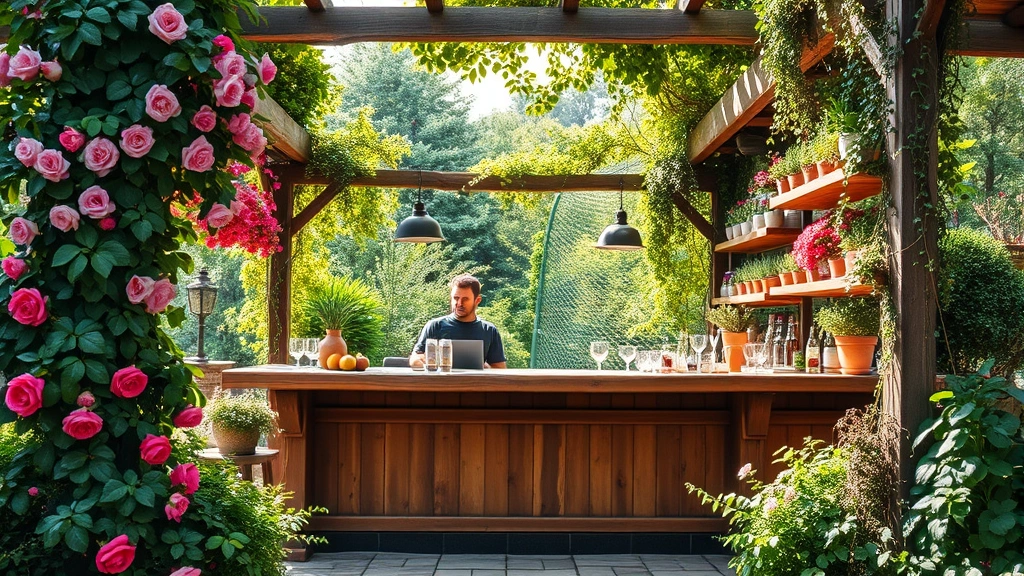
Intermediate Designs: As your confidence grows, you might consider building a more permanent structure. A simple wooden bar counter, either freestanding or attached to an existing deck or patio, provides dedicated workspace and storage. Many beginners successfully build basic bar structures using pressure-treated lumber and outdoor finishes. Adding a pergola or shade structure above your bar creates a defined space and provides support for climbing plants like clematis or climbing roses.
Material Selection: Choose materials that withstand outdoor conditions and complement your garden aesthetic. Pressure-treated wood offers durability and affordability. Composite materials require less maintenance than wood. Stone or concrete countertops provide weather-resistant work surfaces. For plant support structures, consider trellises, arbors, or living walls that showcase your favorite climbing plants and vertical garden solutions.
Storage and Functionality: Incorporate practical storage solutions into your design. Weatherproof cabinets keep supplies protected from the elements. Open shelving displays attractive glassware while keeping items accessible. Consider a small refrigerator or beverage cooler if your budget allows. A sink or water feature adds luxury and functionality. Remember to include adequate counter space for mixing drinks and serving food.
Essential Plants for Your Garden Bar
Plant selection transforms your garden bar from a simple furniture arrangement into a lush, inviting retreat. Choose plants strategically to create shade, add fragrance, attract pollinators, and enhance the overall ambiance of your space. For beginners, selecting hardy, low-maintenance plants ensures your garden bar remains attractive throughout the seasons without requiring advanced horticultural expertise.
Climbing Plants and Vines: Climbing plants are essential for creating the characteristic lush, enclosed feeling of a garden bar. These plants soften hard structures, provide shade, and create living walls that define your space. For beginners, consider these reliable options: clematis offers delicate flowers and comes in numerous varieties; climbing hydrangea provides shade and beautiful white flowers; jasmine adds intoxicating fragrance; honeysuckle attracts hummingbirds and butterflies; and ivy creates quick coverage with minimal maintenance. When selecting vines, check your USDA hardiness zone to ensure cold-hardy varieties for your region.
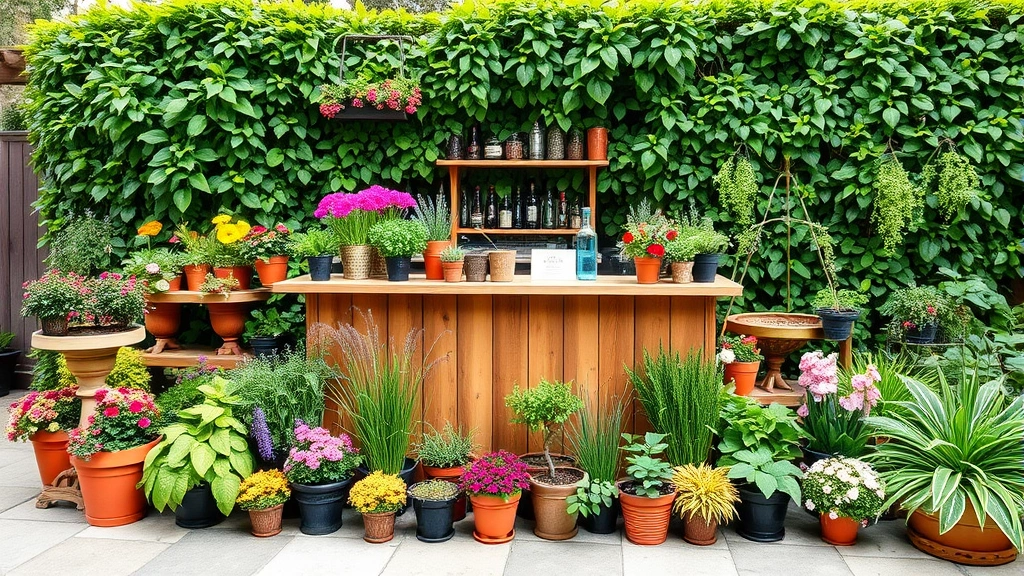
Container Plants and Potted Specimens: Potted plants offer flexibility and allow you to change your garden bar’s appearance seasonally. Large containers with specimen plants like ornamental grasses, dwarf conifers, or flowering shrubs create visual interest without requiring in-ground planting. For those interested in edible gardening, growing cucumbers and other vegetables in containers provides fresh ingredients for your bar beverages. Herbs in containers—mint, basil, lemon verbena, and rosemary—serve both decorative and functional purposes, providing garnishes and flavoring for drinks.
Shade-Tolerant Understory Plants: If your garden bar location receives dappled shade, incorporate shade-loving plants that create layered plantings. Hostas provide bold foliage texture; ferns add delicate, airy qualities; coral bells offer colorful foliage; astilbe produces feathery plumes of flowers. These plants thrive in the filtered light beneath trees and larger structures, creating a sophisticated garden room feel.
Fragrant Plants: Scent elevates the sensory experience of your garden bar. Position fragrant plants where evening breezes carry their aroma toward seating areas. Lavender, gardenias, lilacs, roses, and sweet peas all provide wonderful fragrance. For year-round scent, choose plants with different bloom times so fragrance is available throughout the seasons.
Pollinator-Friendly Plantings: Creating a garden bar that attracts butterflies and hummingbirds adds movement and life to your space. Choose nectar-rich flowers like zinnias, dahlias, coneflowers, bee balm, and salvia. These plants not only attract beneficial insects but also provide beautiful blooms that enhance your garden bar’s visual appeal. An active pollinator garden creates an engaging, dynamic environment that guests will enjoy observing.
Creating Year-Round Appeal
A truly successful garden bar remains attractive and functional throughout the entire year, not just during peak growing season. This requires thoughtful planning that considers seasonal changes in plant appearance, light quality, and weather patterns.
Spring Plantings: As temperatures warm and growth accelerates, spring offers opportunities for colorful bulbs, flowering shrubs, and fresh green foliage. Incorporate early bloomers like tulips, daffodils, and cherry blossoms to signal the garden bar’s seasonal opening. Freshly leafed-out vines and climbing plants create lush backdrops for entertaining.
Summer Abundance: Summer is your garden bar’s peak season. Flowering plants reach their fullest expression, vines provide maximum shade, and outdoor entertaining peaks. Take advantage of this season by incorporating plants with continuous blooms—zinnias, marigolds, petunias, and annuals that flower until frost. Ensure adequate water delivery through drip irrigation or regular hand watering, as summer heat stresses plants significantly.
Fall Transitions: As summer fades, shift your plantings toward warm autumn tones. Ornamental grasses reach their peak beauty with feathery plumes and golden tones. Chrysanthemums provide reliable fall color. Trees and shrubs transition to brilliant reds, oranges, and yellows. This season offers unique opportunities for entertaining as temperatures cool to comfortable levels.
Winter Considerations: In colder climates, winter presents challenges but also opportunities. Evergreen plants maintain structure and color when deciduous plants have dropped their leaves. Ornamental grasses provide architectural interest even after frost. Colorful bark plants like dogwood and birch offer visual interest. In milder climates, winter-blooming plants like hellebores and winter jasmine provide flowers when little else blooms. Consider installing outdoor heating elements like fire pits or patio heaters to keep your garden bar functional during cooler months.
For those interested in exploring additional garden design concepts, fairy garden ideas offer creative inspiration for creating magical, intimate spaces that complement garden bar design principles.
Practical Maintenance Tips
Successfully maintaining your garden bar ensures it remains beautiful and functional year after year. Beginners should establish simple routines that prevent problems before they develop.
Watering Schedules: Consistent, appropriate watering is crucial for healthy plants. Container plants require more frequent watering than in-ground plantings, especially during hot months. Check soil moisture regularly—water when the top inch feels dry to touch. Deep, infrequent watering encourages deeper root growth and drought tolerance compared to shallow, frequent watering. Install drip irrigation or soaker hoses for efficiency. An outdoor faucet with timer capabilities simplifies water delivery, particularly if you travel or have a busy schedule.
Pruning and Deadheading: Regular pruning keeps plants shapely and encourages vigorous growth. Deadheading—removing spent flowers—promotes continuous blooming throughout the season. For climbing vines, establish a pruning schedule that maintains coverage on your structures without allowing plants to become overgrown. Cut back vines that grow beyond their intended boundaries. Many flowering plants benefit from light pruning in early spring before new growth emerges.
Fertilizing Programs: Container plants benefit from regular feeding since nutrients leach from pots with watering. Use balanced, slow-release fertilizers that provide consistent nutrition throughout the growing season. In-ground plants may need less supplemental fertilizer if your soil is naturally fertile, but annual applications of compost or organic fertilizer improve soil structure and nutrient availability. Avoid over-fertilizing, which can produce excessive foliage at the expense of flowers.
Pest and Disease Management: Monitor plants regularly for signs of pest damage or disease. Early detection allows treatment before problems become severe. Remove affected leaves or branches promptly. Encourage beneficial insects that prey on garden pests. Use organic pest management techniques when possible—insecticidal soap, neem oil, and horticultural oils provide effective, low-toxicity control. Ensure adequate air circulation around plants to prevent fungal diseases.
Seasonal Cleanup: Establish a seasonal cleanup routine that prepares your garden bar for changing conditions. In fall, remove dead annuals, cut back perennials, and rake accumulated leaves. In spring, prune winter-damaged branches, refresh mulch layers, and prepare beds for new plantings. This preventative maintenance prevents disease buildup and keeps your garden bar looking pristine.
Tool and Supply Storage: Organize a convenient storage area for gardening tools, supplies, and maintenance equipment. A simple shed or weatherproof cabinet keeps everything accessible and protected. Label containers and organize supplies logically so you can quickly find what you need. This organization makes regular maintenance tasks quicker and more enjoyable.
For inspiration on additional garden features that complement your bar setup, explore resources like selecting the best garden hose for efficient watering, or consider how bonsai tree cultivation might add sophisticated touches to your container plantings.
FAQ
What’s the minimum space needed for a garden bar?
A garden bar can fit in surprisingly small spaces. Even a compact patio with 8×8 feet of space accommodates a simple bar setup with surrounding plantings. The key is choosing appropriately scaled furniture, containers, and plants that fit your available area. Vertical growing and vertical garden techniques maximize plantings in limited spaces.
Can I build a garden bar if I’m not handy?
Absolutely. Start with simple setups using existing furniture and potted plants. As you gain confidence, tackle more ambitious projects or hire professionals for construction while you handle the planting and design aspects. Many garden bar projects can be completed by beginners with basic tools and simple materials.
What plants work best in shaded garden bar areas?
Shade-tolerant options include hostas, ferns, coral bells, astilbe, hydrangeas, and shade-loving vines like climbing hydrangea and English ivy. Many flowering plants also thrive in partial shade—check plant tags and consult your local extension service for shade-adapted varieties suited to your region.
How often should I water my garden bar plants?
Watering frequency depends on plant type, container size, season, and climate. Check soil moisture regularly—water when the top inch feels dry. Container plants typically need watering more frequently than in-ground plants. During hot summers, daily watering may be necessary. In cooler seasons or with rain, you might water less frequently. Drip irrigation or soaker hoses deliver water efficiently and consistently.
What’s the best time to plant around my garden bar?
Spring and fall offer ideal planting conditions in most climates, with moderate temperatures and adequate moisture. However, you can plant year-round if you provide appropriate care. Spring plantings establish before summer heat; fall plantings establish before winter dormancy. Container plants can be planted and repositioned seasonally to maintain year-round appeal.
Can I include edible plants in my garden bar design?
Yes. Herb containers provide both functionality and beauty. Mint, basil, rosemary, lemon verbena, and other herbs thrive in containers and offer fresh garnishes for beverages. Fruit-bearing plants like berry bushes and dwarf fruit trees add visual interest and provide fresh ingredients. Ensure edible plants receive appropriate sunlight and care for healthy production.
How do I protect my garden bar from extreme weather?
Choose hardy plants suited to your hardiness zone. Install shade cloth or structures to protect plants from intense summer sun. Use windbreaks to shield delicate plants from strong winds. In winter, mulch around plants for insulation. Move tender container plants indoors or to protected locations during cold snaps. Consider a pergola or shade structure that protects both plants and guests from excessive sun and rain.


