Create a Sushi Garden? Expert Tips & Tricks for Growing Your Own Ingredients
A sushi garden is a specialized culinary garden designed to grow the fresh ingredients needed for making authentic sushi at home. Rather than purchasing pre-packaged vegetables and herbs from grocery stores, you cultivate wasabi, shiso leaves, cucumber, daikon radish, ginger, and other essential sushi components in your own backyard or container garden. This unique gardening approach combines Japanese horticultural traditions with modern home gardening practices, allowing you to harvest peak-freshness ingredients that elevate your homemade sushi rolls to restaurant quality.
Growing a sushi garden requires understanding the specific needs of Japanese vegetables and herbs that may not be as common in Western gardens. Many of these plants thrive in cool, humid conditions with consistent moisture and partial shade. Whether you’re a sushi enthusiast looking to enhance your culinary skills or a beginner gardener exploring new growing opportunities, this comprehensive guide will walk you through everything you need to know about establishing and maintaining a thriving sushi garden.
Essential Sushi Garden Ingredients to Grow
The foundation of any successful sushi garden starts with selecting the right plants. Wasabi (Japanese horseradish) is perhaps the most iconic ingredient, though notoriously challenging to grow. This semi-aquatic plant requires consistently moist soil, cool temperatures between 50-60°F, and shade from direct afternoon sun. True wasabi is a long-term investment, taking 2-3 years to mature, but the pungent, fresh rhizome you harvest will far surpass store-bought substitutes.
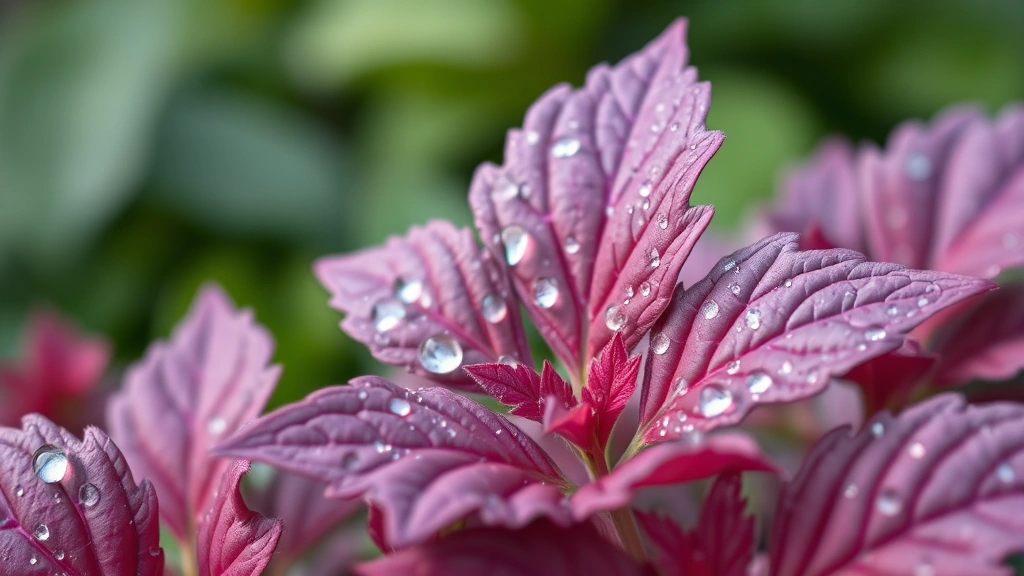
Shiso leaves (also called perilla) are another cornerstone ingredient, prized for their aromatic, slightly minty flavor. These plants are relatively easy to cultivate, preferring partial shade and moderate moisture. They grow quickly from seed and can be harvested continuously throughout the growing season. Red and green varieties both work beautifully in sushi presentations.
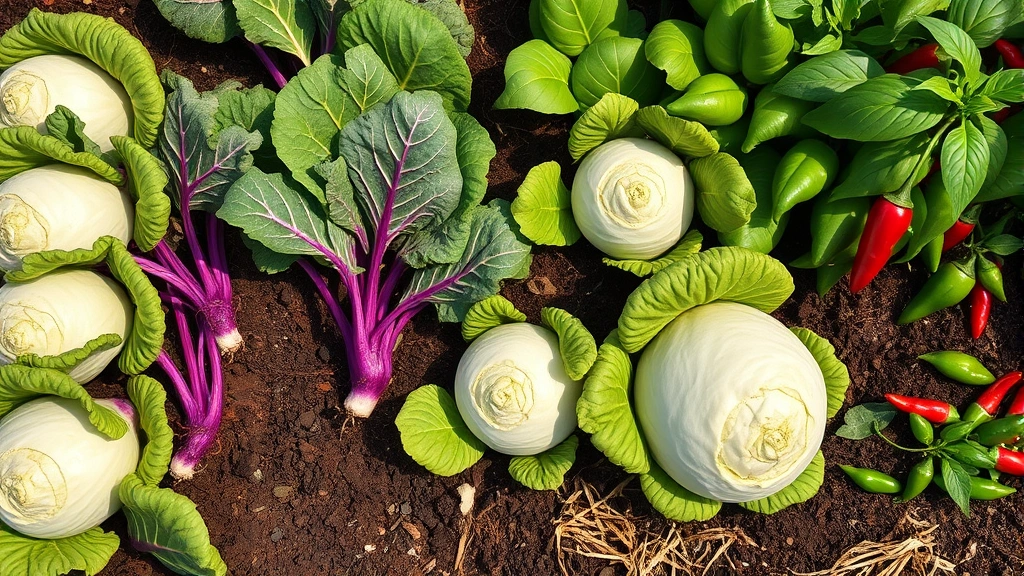
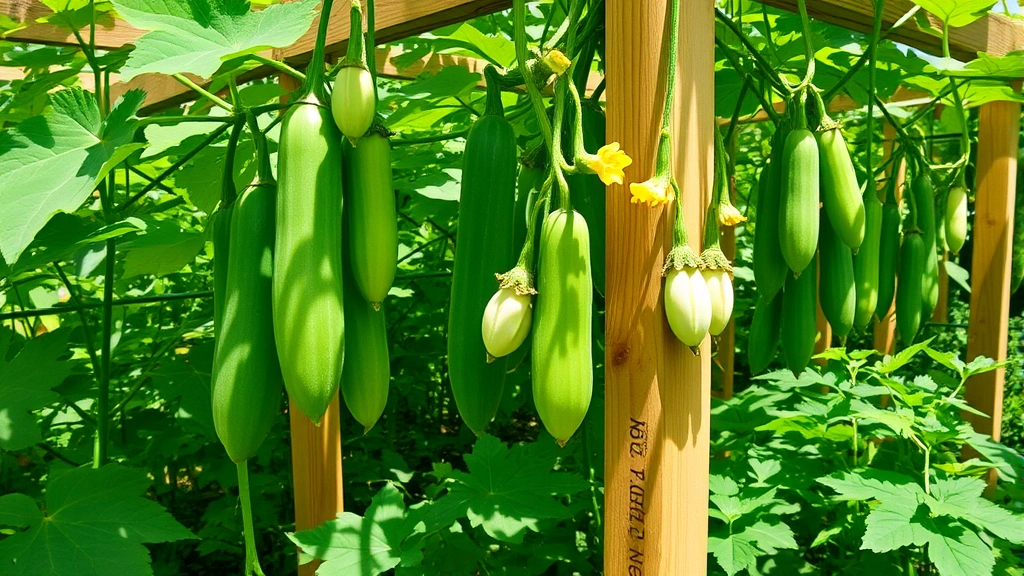
Cucumber varieties specific to Asian cuisine differ from standard garden cucumbers. Japanese varieties like ‘Suyo Long’ and ‘Armenian’ produce slender, thin-skinned fruits perfect for sushi rolls. These cucumbers thrive in warm soil and benefit from vertical trellising. Daikon radish, with its crisp white flesh and mild flavor, adds essential crunch and freshness to rolls. These fast-growing roots mature in 50-70 days and prefer cool weather.
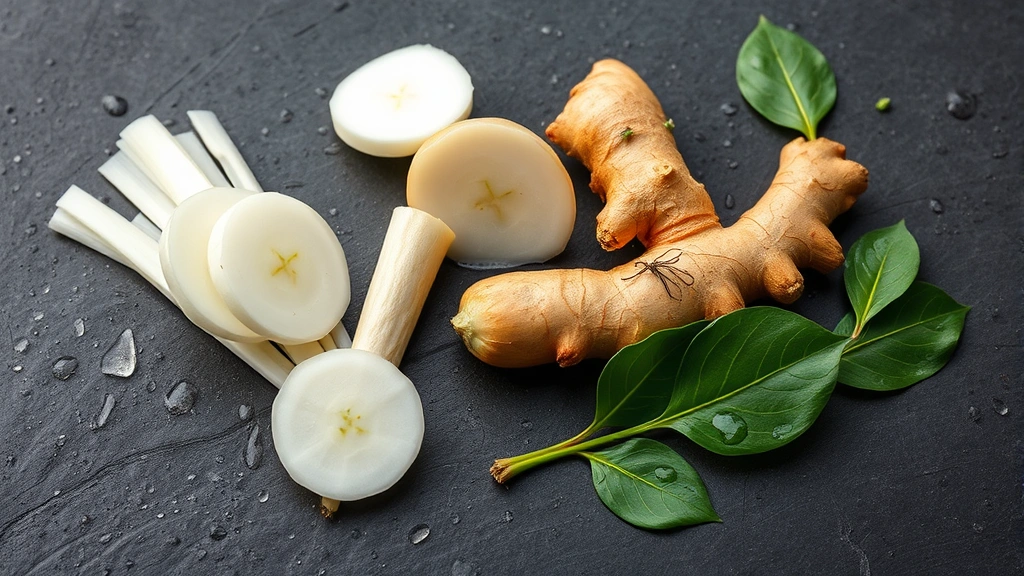
Ginger is another multi-purpose ingredient that brings warmth and spice to sushi. Plant ginger rhizomes in spring and allow 8-10 months for maturation. Nori seaweed cannot be home-grown in most climates, but you’ll want to source premium quality from USDA agricultural resources. Additionally, consider growing scallions (negi), Japanese eggplant, and sesame for comprehensive sushi ingredient coverage.
Choosing Your Growing Location and Setup
Location selection is critical for sushi garden success. Most sushi ingredients prefer partial shade with 4-6 hours of filtered sunlight daily. This is particularly important for wasabi and shiso, which can bolt or develop bitter flavors in intense afternoon heat. If you live in a warm climate, east-facing locations that receive morning sun but afternoon shade are ideal.
Container gardening is an excellent option for sushi gardens, offering flexibility and better moisture control. Raised bed gardening also works wonderfully, allowing you to customize soil composition and drainage. For wasabi specifically, consider creating a small bog garden or using containers with drainage holes and a moisture-retentive setup. A 20-gallon container works well for individual wasabi plants, while shiso and cucumber can share larger beds.
Climate considerations are paramount. Wasabi and shiso prefer cooler growing zones (USDA zones 5-8), while ginger and cucumber need warmer conditions. If you live in an extreme climate, you might grow cool-season ingredients in spring and fall, then transition to warm-season crops. Alternatively, use shade cloth and strategic irrigation to moderate temperatures.
Access to water is essential for a sushi garden. Install a drip irrigation system or soaker hoses to maintain consistent moisture without waterlogging. This is especially important for wasabi, which needs evenly moist conditions but will rot in standing water. Consider proximity to your kitchen—having your garden nearby encourages frequent harvesting and use.
Soil Preparation and Amendments
Japanese vegetables have specific soil preferences that differ from traditional Western gardens. Proper soil preparation is foundational to sushi garden success. Most sushi ingredients prefer slightly acidic soil with a pH of 6.0-6.8. Begin by testing your soil pH and amending accordingly with sulfur to lower pH or lime to raise it.
Incorporate abundant organic matter—aim for 30-40% by volume. Aged compost, leaf mold, and peat moss create the rich, moisture-retentive environment these plants crave. Wasabi, in particular, benefits from a specialized mix of 50% compost, 30% peat moss, and 20% perlite for excellent drainage combined with water retention.
Add mineral amendments including rock phosphate for phosphorus and kelp meal for trace minerals and potassium. Japanese gardeners traditionally use hardwood charcoal in their soil mixes to improve drainage and create a more alkaline microenvironment. Bone meal provides slow-release phosphorus beneficial for root development in daikon and ginger.
For container gardens, create a custom potting mix rather than using standard commercial blends. Combine 40% high-quality compost, 30% coconut coir or peat moss, 20% perlite or pumice, and 10% aged bark fines. This mixture provides excellent drainage while maintaining adequate moisture for these moisture-loving plants. Refresh container soil annually, replacing the top 3-4 inches with fresh compost.
Planting Timeline and Seasonal Considerations
Successful sushi gardening requires understanding the unique seasonal needs of each plant. Spring is prime planting season for most sushi garden ingredients. Start wasabi rhizomes indoors in late winter, transplanting outdoors after the last frost. Shiso seeds can be direct-sown or started indoors 6-8 weeks before your last spring frost date. This beginner-friendly timing aligns with general vegetable gardening schedules.
Ginger rhizomes should be planted in spring after soil temperatures reach 65°F. Choose plump, healthy rhizomes with visible growth buds. Plant 1-2 inches deep, 8-12 inches apart. Cucumber can be direct-seeded or transplanted after all frost danger passes and soil warms to 70°F. Japanese varieties often mature faster than standard cucumbers, producing harvest-ready fruit in 50-65 days.
Daikon radish is a cool-season crop best planted in late summer for fall harvest, or in early spring for late spring harvest. These fast growers can be succession-planted every 2-3 weeks for continuous harvests. Scallions can be planted spring through early fall, offering multiple planting windows. Wasabi is the exception—it’s a perennial that takes 2-3 years to reach maturity, so patience is essential.
Stagger your plantings to ensure continuous harvests. Plant shiso every 3 weeks from spring through midsummer. Sow daikon every 2 weeks for rolling harvests. Cucumber succession-plant every 2-3 weeks until 8-10 weeks before your first fall frost. This approach provides fresh ingredients throughout the growing season rather than a single overwhelming harvest.
Watering and Humidity Management
Consistent moisture is the cornerstone of sushi garden care. Wasabi is the most moisture-demanding plant, requiring soil that’s consistently moist but never waterlogged. Check wasabi soil daily; it should feel like a wrung-out sponge. In hot weather, you may need to water twice daily. Use mulch to maintain moisture and moderate soil temperature fluctuations.
Shiso prefers moderate moisture—allow the top inch of soil to dry slightly between waterings. Overwatering encourages fungal diseases in shiso’s foliage. Use drip irrigation or soaker hoses to deliver water at soil level rather than wetting leaves. Cucumber and ginger need regular water during active growth, particularly once flowering or fruiting begins.
Humidity levels are critical for shiso and wasabi. Aim for 60-70% relative humidity. In dry climates, mist plants lightly in early morning or use a humidity tray beneath containers. Avoid misting in late afternoon or evening, as this promotes fungal diseases. Proper air circulation—achieved through gentle spacing and strategic pruning—helps prevent moisture-related problems.
Water quality matters more than many gardeners realize. Chlorinated tap water can stress sensitive plants like wasabi. If possible, collect rainwater or allow tap water to sit for 24 hours before using. Test your water’s pH; extremely hard or alkaline water may require amendment. During establishment phases, newly planted wasabi and ginger benefit from consistent, gentle watering rather than deep soaking.
Adjust watering frequency based on seasonal changes. Spring and fall rains reduce watering needs, while summer heat increases demand. Winter brings dormancy for some crops like ginger; reduce watering significantly during this period. Container gardens dry faster than in-ground beds, requiring more frequent watering, especially in warm weather.
Pest Control and Disease Prevention
Sushi gardens face relatively few pest pressures compared to conventional vegetable gardens, but vigilance is important. Slugs and snails are the primary concern, particularly for tender shiso leaves and young wasabi shoots. Implement physical barriers using copper tape around containers or hand-pick pests during evening hours. Beer traps and diatomaceous earth create effective organic controls.
Spider mites can infest cucumber and ginger in hot, dry conditions. Increase humidity and improve air circulation to prevent infestations. If spider mites appear, spray affected plants with water or use neem oil according to label directions. Japanese beetles occasionally target shiso foliage; handpick them into soapy water or use row covers on young plants.
Fungal diseases are the most serious threat to sushi gardens. Powdery mildew affects cucumber and shiso, particularly in humid conditions with poor air circulation. Prevent this by spacing plants adequately, pruning lower leaves, and avoiding overhead watering. Early applications of sulfur or potassium bicarbonate fungicides work well for organic gardening.
Root rot is a critical concern for wasabi and ginger if soil drainage is inadequate. Ensure containers have drainage holes and use well-draining soil mixes. Avoid overwatering, even though these plants prefer moisture. If root rot appears, remove affected plants and sterilize containers before replanting. Oregon State University Extension offers excellent organic pest management resources.
Prevention is always superior to treatment. Maintain garden hygiene by removing dead leaves and plant debris. Quarantine new plants for 2-3 weeks before introducing them to your garden. Use sterile tools when pruning. Proper spacing, watering techniques, and air circulation prevent 90% of common sushi garden problems.
Harvesting Your Sushi Garden Crops
Timing and technique determine the quality of your sushi garden harvests. Shiso leaves can be harvested continuously once plants reach 6-8 inches tall. Pinch off the top 2-3 leaves regularly to encourage bushier growth. Harvest in the morning when flavor compounds are most concentrated. Young, tender leaves have superior flavor and texture for sushi applications.
Cucumber should be harvested when 6-8 inches long for sushi applications—don’t wait for full maturity as larger fruits become seedy and watery. Check plants daily during peak season; frequent harvesting encourages continued production. Use pruning shears rather than pulling to avoid damaging vines.
Daikon radish reaches harvest maturity in 50-70 days, depending on variety and growing conditions. Pull radishes when they’re 1-2 inches in diameter for tender, crisp texture. Larger radishes become woody and less suitable for fresh sushi. Store harvested daikon in the refrigerator for up to 3 weeks.
Ginger requires patience—wait 8-10 months after planting before harvesting. You can take small harvests of young ginger (4-5 months) for fresh, spicy applications, though the rhizomes will be smaller. For mature ginger, dig carefully to avoid damaging rhizomes. Cure harvested ginger in a warm, humid location for 1-2 weeks before storage.
Wasabi is the ultimate test of patience. Rhizomes reach harvestable size in 2-3 years. When ready, carefully dig plants and harvest the entire rhizome or take partial harvests by removing side shoots. Fresh wasabi should be grated immediately before serving for maximum pungency and flavor. Properly stored wasabi rhizomes last 3-4 weeks in the refrigerator.
Scallions can be harvested continuously by cutting outer leaves 1-2 inches above soil level, allowing the center to continue growing. Harvest in morning for best flavor. Japanese eggplant should be picked when 4-6 inches long and glossy-skinned; older fruits become bitter and seedy. Use a sharp knife to harvest to avoid damaging the plant.
FAQ
Can I grow wasabi indoors year-round?
True wasabi can be grown indoors with proper conditions: consistent 50-60°F temperatures, high humidity (70%+), and 4-6 hours of filtered light daily. Most home gardeners find this challenging without specialized equipment. A cool basement with grow lights and a humidity chamber works best. Many prefer outdoor growing or using Japanese wasabi substitutes for convenience.
What’s the difference between true wasabi and wasabi substitutes?
True wasabi (Wasabia japonica) is a rare, expensive plant with complex flavor. Most commercial “wasabi” is actually horseradish with green coloring. Growing true wasabi at home provides authentic flavor that justifies the effort. If true wasabi proves too challenging, horseradish is a viable alternative, though the flavor profile differs significantly.
How much space do I need for a sushi garden?
A productive sushi garden requires surprisingly little space. A 4×4 foot raised bed or 6-8 large containers can provide abundant fresh ingredients. Wasabi needs its own dedicated space due to unique requirements. Start small and expand as you gain confidence and experience with these specialized plants.
Can I grow sushi garden plants in cold climates?
Yes, with modifications. Grow cool-season crops (shiso, daikon, cucumber) during spring and fall. Bring ginger and wasabi indoors for winter or use cold frames. Many gardeners in cold climates successfully grow sushi gardens by extending seasons with protective structures and strategic timing of plantings.
When is the best time to start a sushi garden?
Spring is ideal for most sushi garden plants. However, you can begin planning and preparing soil in fall for spring planting. Consider your local climate and frost dates when planning. If starting with herb varieties like shiso, spring offers the longest growing season for establishment.
Do sushi garden plants need fertilizer?
Yes, supplemental feeding supports vigorous growth. Use balanced organic fertilizers (10-10-10) monthly during the growing season. Wasabi and ginger benefit from higher potassium applications. Shiso responds well to moderate nitrogen for leaf production. Container gardens especially need regular feeding since nutrients leach from potting soil. Use fish emulsion, kelp extract, or balanced organic fertilizers according to label directions.
How do I store fresh sushi garden harvests?
Shiso leaves keep 5-7 days in a plastic bag in the refrigerator. Cucumber lasts 1-2 weeks refrigerated. Daikon stores 3-4 weeks in high-humidity crisper drawers. Ginger keeps 3-4 weeks refrigerated or much longer in cool, humid storage. Wasabi rhizomes last 3-4 weeks refrigerated. For best flavor, use harvests within days of picking when possible.