
Top Garden Stools? Expert Recommendations for Comfortable Gardening
Whether you’re tending to easy vegetables for beginners or spending hours perfecting your landscape, having the right garden stool can transform your experience from backbreaking to blissful. A quality garden stool elevates your gardening practice by reducing strain on your knees, back, and joints while keeping you at the perfect working height for detailed tasks. After years of recommendations from master gardeners and horticultural professionals, certain stools consistently stand out for their durability, comfort, and practical design features.
Garden stools aren’t just functional tools—they’re investments in your long-term gardening health and productivity. Whether you’re preparing garden soil, propagating plants, or weeding raised beds, the right stool keeps you comfortable and engaged for extended periods. This guide explores expert-recommended options that balance quality construction, ergonomic design, and value for serious and casual gardeners alike.
Types of Garden Stools
Garden stools come in several distinct styles, each designed for different gardening tasks and preferences. Understanding the variations helps you select the option that best matches your gardening style and physical needs.
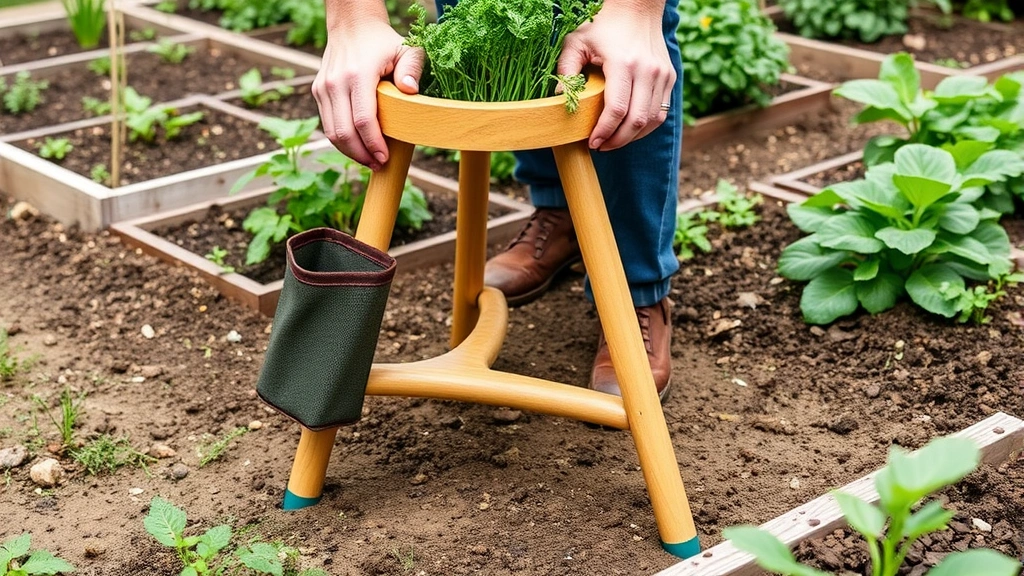
Traditional Three-Legged Stools remain popular because of their lightweight construction and stability. These classic designs typically feature a sturdy metal or wooden frame with a padded seat, offering excellent portability around your garden beds. They’re particularly useful when building raised garden beds since you can easily move them between different work stations. The three-point contact provides reliable support on uneven ground, making them ideal for vegetable gardens and flower borders.
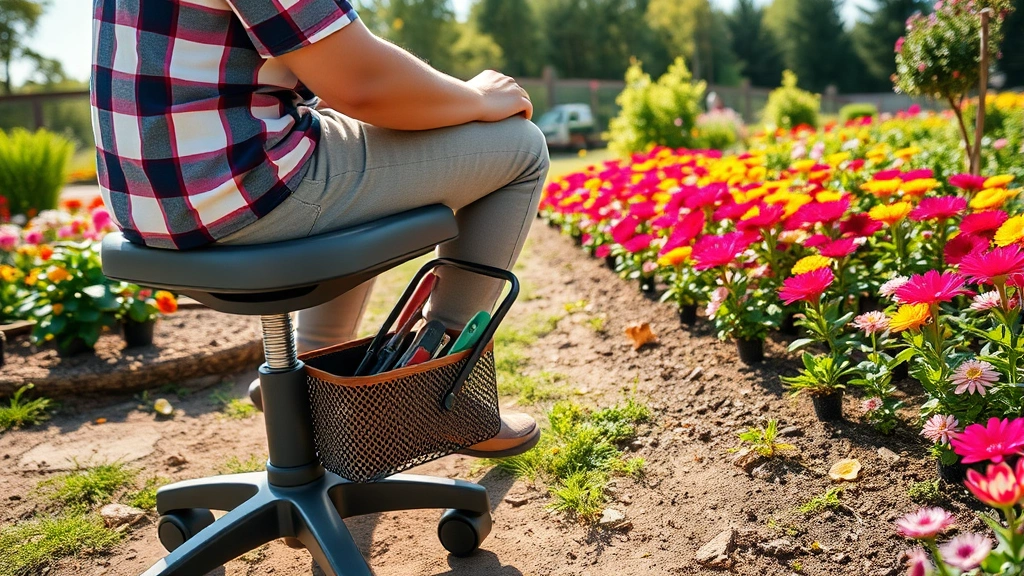
Wheeled Garden Stools incorporate mobility as a primary feature. With swivel seats and sturdy caster wheels, these stools allow you to move smoothly across hardscape and soil surfaces while remaining seated. Many models include tool storage underneath or on the sides, effectively combining seating with convenient access to your most-used implements. These excel in larger garden spaces where you need to cover significant distances during maintenance tasks.
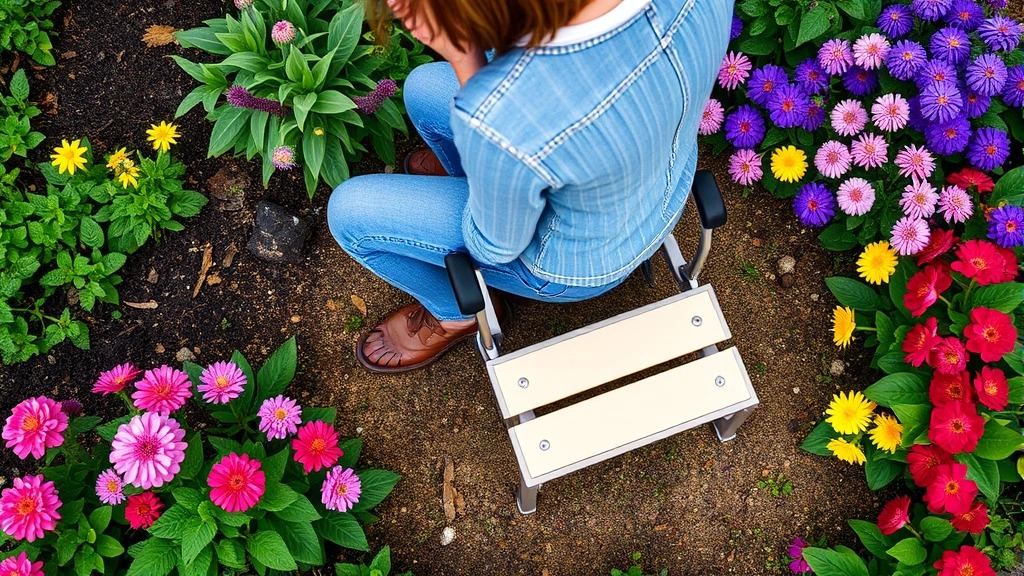
Kneeling Stools offer dual functionality by converting between a low seat and a kneeling platform. This hybrid design proves invaluable for gardeners with varying mobility needs or those transitioning between different task heights. The handles provide stability when rising from a kneeling position, which is particularly beneficial for older gardeners or those with joint concerns.
Folding Garden Stools prioritize storage and portability. These collapsible designs pack away easily in sheds or garages, making them perfect for gardeners with limited space. Despite their compact nature, quality folding stools maintain excellent stability and comfort when deployed.
Bench-Style Stools provide wider seating surfaces and often feature back support, offering extended comfort during longer gardening sessions. Some include storage compartments beneath the seat, combining functionality with seating. These work exceptionally well when considering garden bench options that serve dual purposes.
Top Features to Consider
Selecting an appropriate garden stool requires evaluating specific features that impact comfort, durability, and functionality. Expert gardeners consistently prioritize certain characteristics when making their recommendations.
Material Quality and Weather Resistance directly affects stool longevity. Premium models use powder-coated steel frames that resist rust and corrosion, while quality cushions employ outdoor-grade foam and UV-resistant fabrics. Look for stools with galvanized or stainless steel components if your garden experiences high humidity or coastal salt spray. Hardwood options like teak or cedar provide natural rot resistance, though they require periodic conditioning.
Seat Height and Comfort significantly impact usability during extended work sessions. Standard garden stools sit between 14 to 18 inches high—low enough for detailed work but high enough to reduce strain on knees and ankles. Padded seats with contoured designs distribute weight evenly and prevent pressure points during prolonged sitting. Memory foam cushions conform to your body shape, enhancing comfort over hours of gardening activities.
Weight Capacity and Stability ensure safe, reliable use across all gardener body types. Quality stools typically support 250 to 400 pounds, with premium models exceeding these specifications. Wide stance designs with low centers of gravity provide stability on slopes and uneven terrain common in garden environments. Non-slip feet or rubber pads prevent sliding on smooth surfaces.
Portability Features matter significantly in practical garden use. Lightweight construction (under 10 pounds for wheeled models) allows easy repositioning between tasks. Integrated handles facilitate carrying, while folding mechanisms reduce storage footprints. Some advanced designs include shoulder straps for hands-free transport.
Additional Storage and Tool Access enhance efficiency by keeping frequently-used items within arm’s reach. Stools with side pouches, underseat baskets, or tool racks eliminate the need for separate trips to fetch supplies. This is particularly valuable when working with small evergreen plants that require precise pruning and shaping.
Expert-Recommended Models
Horticultural professionals and master gardener programs consistently recommend several proven stool models that balance performance with value.
The Premium Wheeled Swivel Seat represents the top tier for serious gardeners. These stools feature 360-degree swiveling seats mounted on industrial-grade caster wheels, allowing seamless movement without standing. Heavy-duty steel frames support weights up to 400 pounds, while thick foam cushions provide all-day comfort. Many include underseat storage baskets perfect for hand tools, pruners, and gloves. Expect to invest $150-$250 for quality wheeled models from established manufacturers.
The Classic Three-Legged Stool with Storage offers timeless design with modern functionality. Lightweight aluminum or steel construction weighs just 5-7 pounds, making it highly portable. Many include canvas or nylon side bags that hold tools, seeds, and supplies. The traditional three-point stance works excellently on sloped terrain. Quality examples range from $50-$100 and last for decades with minimal maintenance.
The Convertible Kneeling Stool bridges the gap between sitting and kneeling positions. These dual-purpose tools feature handles that flip between arm rests and support grips for rising. The padded kneeling surface accommodates knee pressure during detailed work, while the seat mode provides relief during transitions. Premium convertible models cost $80-$150 and prove invaluable for gardeners with variable mobility needs.
The Folding Portable Garden Stool maximizes convenience for space-conscious gardeners. These compact designs collapse to briefcase-like proportions, fitting easily in sheds, vehicles, or apartment patios. Despite their portability, quality folding stools maintain excellent stability and often include carrying handles. Expect prices around $40-$90 for reliable models.
The Premium Cushioned Bench Stool provides extended seating comfort for longer gardening sessions. Wide seats (16-20 inches) distribute weight evenly, while optional back support reduces spinal strain. Many include underseat storage and attractive designs that complement garden aesthetics. These investment pieces range from $120-$300 but deliver exceptional comfort during marathon gardening days.
When evaluating specific recommendations, consult resources from American Horticultural Society and your local Master Gardener program for region-specific insights on materials suited to your climate.
The Cooperative Extension System provides excellent guidance on ergonomic gardening practices that complement proper stool selection. Their publications address aging-in-place gardening and accessibility modifications that help gardeners remain active throughout their lives.
Maintenance and Care
Proper maintenance extends your garden stool’s lifespan and maintains comfort and safety. Regular care prevents rust, fabric deterioration, and structural compromise.
Seasonal Cleaning removes dirt, pollen, and organic matter that accumulate on your stool. Rinse metal frames with a garden hose in spring and fall, using a soft brush to dislodge stubborn debris. For cushioned seats, vacuum loose dirt and wipe with a damp cloth using mild soap solution. Allow complete air drying before storing.
Metal Protection prevents corrosion and extends frame life. Apply thin coats of marine-grade wax or automotive sealant to steel frames annually, particularly in humid climates. For stainless steel models, occasional polishing with specialized stainless steel cleaner maintains appearance and protective properties. Inspect welds and joints regularly for early signs of rust development.
Cushion Care preserves comfort and hygiene. Outdoor-grade foam naturally resists mildew, but occasional cleaning prevents surface growth. Most cushion covers are removable and washable—check manufacturer instructions for temperature and detergent recommendations. Store cushions in dry locations during off-seasons to prevent moisture absorption and deterioration.
Hardware Inspection ensures safety during use. Check bolts, rivets, and fasteners quarterly, tightening any loose connections. Examine caster wheels for debris buildup and smooth rotation. Replace worn wheels promptly, as damaged casters compromise stability and increase accident risk.
Protective Storage during winter months prevents weather damage. Clean and dry your stool thoroughly before storage. Store in sheds, garages, or covered locations away from direct moisture exposure. Use furniture covers for extended outdoor storage, allowing air circulation to prevent mildew growth.
Budget Considerations
Garden stools span a wide price range, with options available for virtually any budget. Understanding value relationships helps you make informed purchasing decisions.
Budget-Friendly Options ($30-$60) include basic folding stools and simple three-legged designs. These entry-level choices suit occasional gardeners or those testing whether stool assistance improves their practice. Quality budget models from reputable manufacturers offer surprising durability, though cushioning may be minimal and materials less weather-resistant than premium alternatives.
Mid-Range Selections ($60-$150) represent the sweet spot for most home gardeners. These stools incorporate quality materials, comfortable cushioning, and useful features like storage or wheels. Mid-range models from established brands typically last 10+ years with proper care, offering excellent value for regular gardeners.
Premium Investments ($150-$300+) deliver maximum comfort, durability, and advanced features. Premium stools use superior materials, industrial-grade construction, and thoughtful ergonomic design. These are ideal for serious gardeners spending several hours weekly in the garden or those with mobility challenges requiring maximum support.
Consider your gardening frequency, physical needs, and available space when determining appropriate budget levels. A $100 wheeled stool used daily provides better value than a $300 premium model sitting unused in a shed.
For detailed comparisons of specific models and current pricing, check resources like Better Homes & Gardens gardening guides and Garden Myths research articles that regularly evaluate outdoor furniture and tools.
FAQ
What’s the best garden stool for someone with knee problems?
A convertible kneeling stool with armrest handles provides excellent support for both kneeling and standing transitions. The handles prevent strain when rising from low positions. Alternatively, wheeled swivel stools keep you seated at comfortable heights, eliminating kneeling entirely. Consult your healthcare provider for personalized recommendations based on your specific knee condition.
Can garden stools work on uneven terrain?
Yes, three-legged stools excel on uneven surfaces because their design naturally adapts to ground contours. Models with wide stance and rubber feet provide excellent stability. Wheeled stools work best on relatively level ground; avoid them on steep slopes or very rough terrain where casters may catch or tip.
How much weight can garden stools support?
Quality garden stools typically support 250-400 pounds. Premium models exceed these specifications. Always check manufacturer weight ratings before purchasing, as exceeding capacity compromises safety and durability.
Are cushioned seats worth the extra cost?
For gardeners spending more than an hour at a time working, padded cushions significantly enhance comfort and reduce pressure-related pain. The extra investment typically ranges from $20-$50 and proves worthwhile for regular gardeners. Those using stools only occasionally may find basic designs sufficient.
What’s the difference between outdoor and indoor stools?
Outdoor garden stools feature weather-resistant materials, rust-proof frames, and UV-stable fabrics designed for temperature fluctuations and moisture exposure. Indoor stools lack these protective features and deteriorate quickly when exposed to elements. Always select stools specifically designed for outdoor use.
Can I leave my garden stool outside year-round?
Quality outdoor stools withstand seasonal weather, but longevity improves with seasonal storage. Covering stools during winter months or heavy rain seasons extends lifespan significantly. UV exposure gradually fades fabrics, so storing during off-seasons preserves appearance and material integrity.