Spring Garden Ideas: Expert Horticulturist Recommendations for Your Thriving Garden
Spring represents the most exciting season for gardeners—a time when soil warms, daylight extends, and nature awakens from winter dormancy. Whether you’re a seasoned gardener or just beginning your green journey, spring offers countless opportunities to transform your outdoor space into a vibrant, productive garden. Horticulturists recommend approaching spring gardening strategically—timing plantings correctly, selecting appropriate varieties for your climate zone, and preparing your soil before introducing new plants.
This comprehensive guide draws from decades of horticultural expertise to help you maximize your spring growing season. From understanding your local frost dates to selecting the best vegetables and flowers for spring planting, you’ll discover actionable recommendations that transform garden dreams into flourishing reality. The key to spring gardening success lies in proper planning, soil preparation, and selecting plants that thrive during this transitional season.
Understanding Your Spring Growing Season
Every successful spring garden begins with understanding your specific growing zone and local climate patterns. The USDA Plant Hardiness Zone Map serves as an essential reference, but equally important is knowing your region’s average last frost date—the date when spring frost typically ceases. This date determines when you can safely transplant tender seedlings outdoors without risk of frost damage.
Spring gardens experience unique challenges compared to other seasons. Temperatures fluctuate dramatically—warm days followed by cold nights stress tender plants. Moisture patterns vary significantly, with spring rains alternating with dry spells. Horticulturists recommend consulting resources like your local USDA extension office for zone-specific recommendations. These experts provide free, research-backed guidance tailored to your exact location, including frost dates, recommended varieties, and seasonal planting calendars.
Understanding soil temperature proves equally critical. Most cool-season crops germinate when soil reaches 40-50°F, while warm-season plants require soil temperatures between 60-70°F. Using an inexpensive soil thermometer helps you time plantings precisely, preventing seed rot from planting in cold, wet soil.
Soil Preparation and Amendment
Before planting anything, invest time in preparing garden soil for a thriving garden. Spring soil preparation determines whether your plants thrive or merely survive. Begin by testing your soil’s pH and nutrient levels through your local extension service—this inexpensive test ($10-20) reveals exactly what amendments your specific garden needs rather than guessing.
Horticulturists universally recommend incorporating 2-3 inches of compost or well-aged manure into the top 8-10 inches of soil. This organic matter improves soil structure, water retention, and microbial activity—the living ecosystem that makes nutrients available to plants. Spring is the ideal time for this amendment because warming soil temperatures activate beneficial microorganisms that break down organic matter into plant-available nutrients.
If your soil pH is too acidic (below 6.0), add lime in fall so it can work through winter; if too alkaline (above 7.5), sulfur amendments take months to lower pH effectively. For spring planting, focus on adding organic matter and addressing obvious deficiencies revealed by soil testing. Raised bed gardening offers an excellent alternative if your native soil proves problematic, allowing you to create ideal growing conditions with imported soil and compost blends.
Consider adding a balanced organic fertilizer (like 5-5-5 NPK ratio) at planting time. Horticulturists prefer slow-release organic options over synthetic fertilizers because they feed soil biology while providing steady nutrient availability throughout the growing season.
Best Spring Vegetables to Plant
Spring vegetables divide into two categories: cool-season crops planted early and warm-season crops planted after frost danger passes. Cool-season vegetables tolerate—and often prefer—spring’s cooler temperatures, producing better quality than summer plantings. These include:
- Leafy Greens: Lettuce, spinach, arugula, and kale germinate in soil as cool as 40°F and produce tender, flavorful leaves in spring’s mild conditions. Direct seed these crops 2-3 weeks before your last frost date.
- Brassicas: Broccoli, cabbage, and cauliflower prefer spring’s cool weather. Start seeds indoors 5-6 weeks before transplanting, or purchase seedlings from local nurseries for faster production.
- Root Vegetables: Carrots, beets, radishes, and turnips thrive in spring. Direct seed these crops as soon as soil becomes workable, typically 2-4 weeks before the last frost date.
- Peas: Both snow peas and snap peas are spring classics. Their nitrogen-fixing root nodules also benefit your soil for subsequent plantings. Soak seeds 24 hours before planting to speed germination.
- Onions and Garlic: If not planted in fall, spring offers a second window for onion sets and small garlic cloves, though fall planting produces superior yields.
Warm-season vegetables require waiting until soil warms and frost danger completely passes. Horticulturists recommend planting these after your last spring frost date:
- Tomatoes: Start seeds indoors 6-8 weeks before transplanting. Wait until nighttime temperatures consistently exceed 50°F and soil reaches 60°F minimum.
- Peppers: These heat-lovers need even warmer conditions—plant after soil reaches 65°F and all frost danger passes. Start seeds indoors 8-10 weeks before transplanting.
- Beans: Wait until soil reaches 60°F and nighttime temperatures stay above 50°F. Both bush and pole varieties thrive in spring, with pole beans producing over longer periods.
- Squash and Cucumbers: Plant after all frost danger passes and soil reaches 65-70°F. These vigorous growers benefit from rich soil amended heavily with compost.
- Herbs: Basil, cilantro, and parsley love spring conditions. Start from seed or transplants after frost danger passes.
Success with spring vegetables requires succession planting—sowing new seeds every 2-3 weeks to ensure continuous harvests rather than single overwhelming crops.
Spring Flower Garden Ideas
Spring flowers transform gardens into vibrant displays while supporting early-season pollinators. Horticulturists recommend combining bulbs, perennials, and annuals for layered, season-long color.
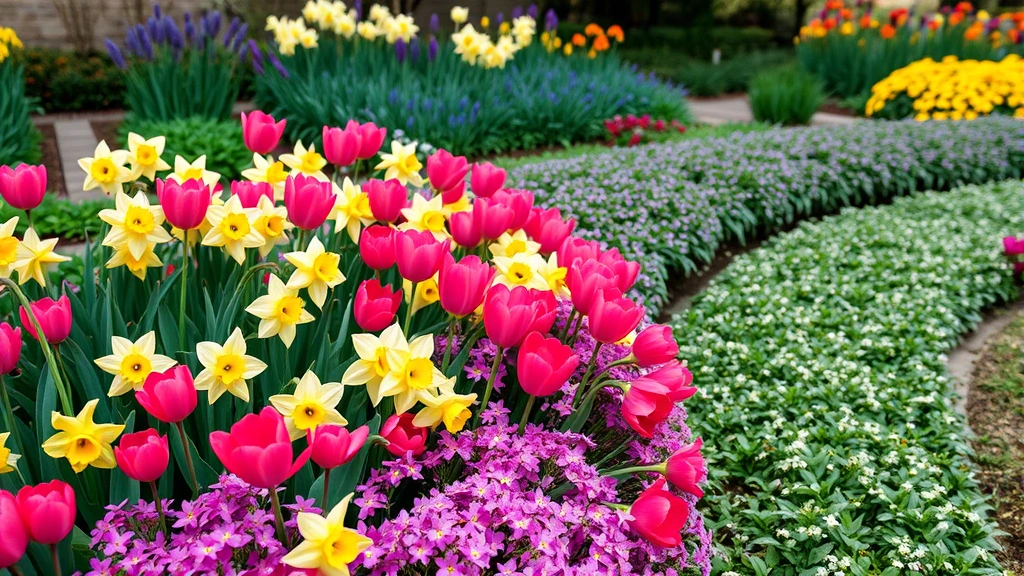
Spring Bulbs: Daffodils, tulips, crocuses, and hyacinths planted in fall create spring’s most reliable flower shows. If you missed fall planting, pre-chilled bulbs sometimes work in early spring, though success rates decline. For this year, enjoy existing bulbs and plan fall planting for next spring’s spectacular display.
Early Perennials: Hellebores (Lenten roses) bloom in late winter through spring. Bleeding heart, creeping phlox, and candytuft follow as temperatures warm. These perennials return yearly, providing reliable spring color with minimal maintenance. Native plants provide excellent spring options, supporting local pollinators while thriving in your climate.
Spring Annuals: Pansies, violas, snapdragons, and sweet alyssum tolerate cool spring temperatures and light frost, producing flowers weeks before tender annuals. Plant these transplants directly after your last frost date for immediate color.
DIY Spring Flower Garden: Combine a bed of spring bulbs underplanted with creeping phlox, add clusters of bleeding heart for shade areas, edge with violas, and fill gaps with sweet alyssum. This layered approach provides continuous blooms from late winter through late spring while creating visual depth and interest.
For a more natural aesthetic, start a flower garden focused on native spring bloomers. Native wildflowers require less maintenance, support local butterfly and bee populations, and create habitat for beneficial insects that control garden pests.
Timing Your Plantings Right
Horticulturists emphasize that timing represents perhaps the most critical factor in spring gardening success. Planting too early in cold, wet soil causes seed rot and seedling diseases. Planting too late means missing the cool-season window when certain crops produce best quality.
Create a spring planting calendar for your specific zone. Begin with your last spring frost date (available from your local extension office or online USDA frost date calculators). Then work backward:
- 8-10 weeks before last frost: Start pepper and eggplant seeds indoors
- 6-8 weeks before last frost: Start tomato seeds indoors
- 4-6 weeks before last frost: Start brassica and leafy green seeds indoors
- 2-4 weeks before last frost: Direct seed cool-season crops (peas, carrots, lettuce, spinach)
- On or just after last frost date: Transplant frost-tolerant seedlings (broccoli, cabbage, kale)
- 1-2 weeks after last frost: Plant warm-season annuals and herbs
- 2-3 weeks after last frost: Direct seed warm-season crops (beans, squash, cucumbers) and transplant tomatoes/peppers
This schedule provides a framework, but adjust based on your specific conditions. A late cold snap might delay warm-season planting; an early warm spell might accelerate schedules. Monitor soil temperature and local weather forecasts closely.
Horticulturists also recommend hardening off seedlings—gradually acclimating indoor-started plants to outdoor conditions over 7-10 days before transplanting. Place seedlings in a sheltered spot outdoors for increasing durations, starting with 2-3 hours and building to full days. This process prevents transplant shock and produces more vigorous plants.
Spring Garden Maintenance Tasks
Beyond planting, spring requires consistent maintenance to keep gardens healthy and productive. Horticulturists recommend establishing weekly routines:
- Watering: Spring rains provide moisture, but monitor soil moisture 2-3 inches deep. Water thoroughly but infrequently to encourage deep root development. Morning watering reduces disease risk by allowing foliage to dry quickly.
- Mulching: Apply 2-3 inches of organic mulch (shredded bark, compost, straw) around plants once soil warms. Mulch retains moisture, regulates soil temperature, and suppresses weeds while decomposing to improve soil structure.
- Weeding: Spring weeds germinate rapidly as soil warms. Remove weeds when small, before they set seed. Regular weeding prevents weed populations from exploding later in the season.
- Staking and Support: Install supports for tall plants like tomatoes, peas, and beans early—before plants become large and tangled. Proper support prevents disease by improving air circulation and reducing disease-spreading contact.
- Thinning Seedlings: Thin direct-seeded crops to proper spacing when seedlings develop first true leaves. Crowded plants compete for nutrients, producing poor-quality harvests.
- Fertilizing: Apply balanced organic fertilizer every 3-4 weeks for heavy feeders like tomatoes and squash. Lighter feeders like root vegetables need minimal fertilizer if soil was properly amended at planting.
Horticulturists also recommend learning plant propagation techniques during spring—taking cuttings from herbs to multiply plants, dividing perennials to expand gardens, or growing new plants from seed. Spring’s active growth phase makes propagation success rates highest.
Pest and Disease Management
Spring brings not only garden opportunities but also pest and disease challenges. Horticulturists recommend integrated pest management—combining multiple strategies rather than relying solely on pesticides.
Common Spring Pests: Aphids, flea beetles, and slugs emerge as temperatures warm. Monitor plants regularly, catching infestations early when populations remain small and manageable. Hand-pick larger pests like Japanese beetles and hornworms. For aphids, strong water sprays dislodge them; insecticidal soap works for heavy infestations.
Disease Prevention: Spring moisture and temperature fluctuations create conditions favoring fungal diseases like powdery mildew and damping-off (seedling disease). Prevent problems through proper spacing, morning watering (avoiding wet foliage), and removing infected plant material immediately. Avoid working in wet gardens—this spreads disease between plants.
Beneficial Insects: Ladybugs, lacewings, and parasitic wasps control pest populations naturally. Encourage beneficials by planting spring flowers like alyssum, calendula, and borage. Avoid broad-spectrum pesticides that kill beneficial insects along with pests.
Resistant Varieties: Choose vegetable and flower varieties with disease resistance ratings. Horticulturists increasingly breed crops with built-in disease resistance, reducing pest management needs while improving yields.
FAQ
When should I start seeds indoors for spring gardening?
Timing depends on the crop. Cool-season crops like broccoli start 4-6 weeks before your last frost date, while warm-season crops like tomatoes and peppers start 6-10 weeks before. Calculate backward from your last frost date—available from local extension services—to determine exact start dates for your region.
Can I plant vegetables directly in spring or should I use transplants?
Both methods work, but timing differs. Cool-season crops like peas, carrots, and lettuce prefer direct seeding as soon as soil becomes workable. Warm-season crops benefit from transplants started indoors, giving them a head start before outdoor conditions warm sufficiently. Direct seeding warm-season crops works too but produces later harvests.
How do I know if my soil is ready for spring planting?
Soil readiness depends on moisture content and temperature. Squeeze a handful of moist soil; if it forms a tight ball that doesn’t crumble, it’s too wet. If it crumbles easily, it’s ready. Additionally, soil temperature should reach 40°F for cool-season crops, 60°F for warm-season crops. Use an inexpensive soil thermometer to verify.
What’s the best way to improve poor spring garden soil?
Incorporate 2-3 inches of compost or well-aged manure into the top 8-10 inches of soil. This organic matter improves structure, water retention, and microbial activity. Conduct a soil test through your extension office to identify specific deficiencies—pH, nutrient levels, or organic matter content—then address those issues specifically.
How often should I water spring gardens?
Spring rain often provides adequate moisture, but monitor soil moisture 2-3 inches deep. Water thoroughly when the top 2-3 inches become dry. Water deeply and infrequently rather than shallow daily watering, encouraging deep root development. Morning watering reduces disease risk.
When can I plant frost-sensitive plants like tomatoes and peppers?
Wait until your last spring frost date completely passes and nighttime temperatures consistently stay above 50°F. Soil should reach 60°F for tomatoes, 65°F for peppers. Planting prematurely in cold soil causes poor growth and increased disease susceptibility. Patience during this final waiting period pays dividends in plant vigor and productivity.
What are the best spring flowers for beginners?
Spring bulbs (daffodils, tulips, crocuses) planted in fall provide foolproof spring color. For spring planting, choose pansies, violas, snapdragons, and sweet alyssum—all frost-tolerant annuals producing flowers weeks after planting. Native spring perennials like creeping phlox and bleeding heart require minimal maintenance while supporting pollinators.


