Maximize South Garden Light? Expert Insights for Your South House Garden
A south-facing garden is one of the most coveted assets for any gardener, yet many property owners struggle to fully capitalize on this sun-drenched space. Whether you’re dealing with a small south house garden tucked against your home’s foundation or a sprawling southern exposure landscape, understanding how to optimize light exposure can transform your growing potential dramatically. South-facing areas receive the most consistent sunlight throughout the day, making them ideal for heat-loving plants, vegetables, and fruit-bearing specimens that demand six to eight hours of direct sun.
The challenge, however, lies in managing the intensity of southern light, which can sometimes overwhelm tender plants during peak summer months while creating opportunities for season extension during cooler periods. This comprehensive guide reveals expert strategies for maximizing your south house garden’s light potential while protecting plants from excessive heat stress and ensuring year-round productivity.
Understanding South-Facing Garden Dynamics
South-facing gardens receive direct sunlight from mid-morning through late afternoon, with peak intensity occurring between 11 a.m. and 3 p.m. This consistent light exposure creates microclimates that differ significantly from north, east, or west-facing areas. The southern sun’s angle changes dramatically with seasons—steep and intense during summer, lower and gentler during winter—which means your south house garden experiences vastly different growing conditions throughout the year.
Understanding your specific latitude matters considerably. Gardeners in northern climates benefit from maximum summer light that accelerates growth, while southern gardeners must contend with scorching afternoon sun that can bleach foliage and desiccate soil rapidly. The reflection from hardscape features like concrete walls, gravel pathways, and light-colored fencing amplifies light intensity and heat absorption, which can boost productivity but also demands careful plant selection.
Before implementing any light-maximization strategy, conduct a thorough site assessment. Track shadow patterns throughout the day during different seasons using a smartphone app or simple notation system. Identify existing obstacles like trees, structures, or fences that cast shadows during critical growing hours. This baseline data informs every subsequent decision about plant placement and garden design.
Seasonal Light Patterns and Plant Selection
A south house garden’s light intensity fluctuates dramatically across seasons, requiring adaptive plant selection strategies. During winter months in northern regions, southern exposure provides essential light for cool-season crops and dormant perennials. Spring brings increasing light intensity perfect for seed starting and transplant hardening. Summer delivers maximum intensity that some plants appreciate while others require afternoon shade. Fall offers moderate light that extends growing seasons for cool-season vegetables.
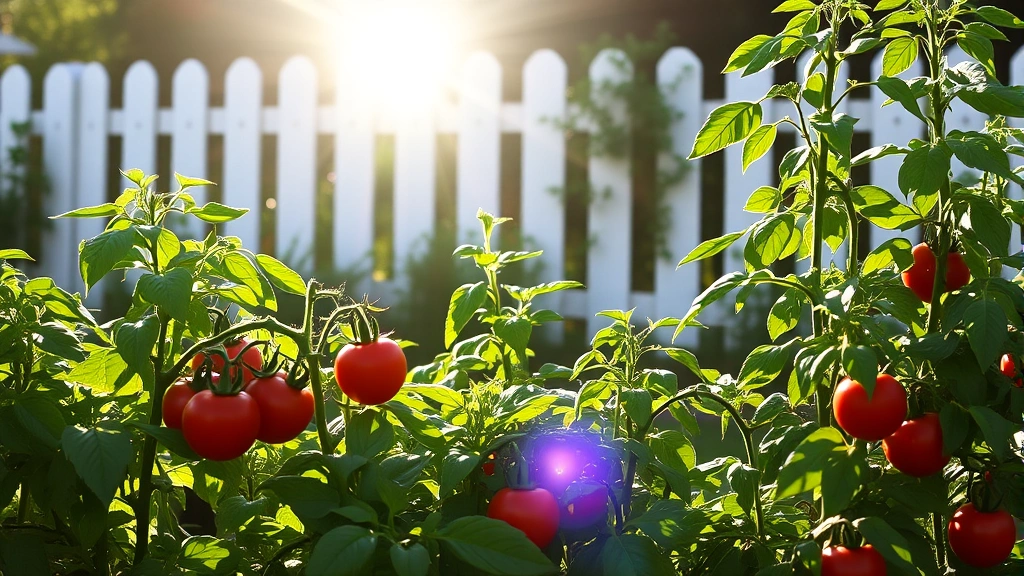
Select sun-loving vegetables including tomatoes, peppers, eggplants, squash, beans, and cucumbers for prime south-facing positions. These crops thrive with eight or more hours of direct sunlight and actually produce superior yields in high-light environments. Herbs like basil, rosemary, oregano, and thyme flourish in southern exposure, developing stronger flavors and more concentrated essential oils under intense sun.
Fruit-bearing plants including strawberries, blueberries, and dwarf fruit trees maximize their productive potential in south-facing locations. Stone fruits like peaches and apricots particularly benefit from southern exposure, developing better color and sugar content. Consider perennial flowering plants such as coreopsis, black-eyed Susans, and zinnias that thrive in full sun and provide continuous color throughout growing seasons.
For areas experiencing scorching afternoon heat, implement staggered plantings combining shade-tolerant species in the hottest afternoon zone with full-sun lovers in morning-sun areas. This layered approach ensures year-round productivity while protecting sensitive plants during peak heat stress periods.
Strategic Plant Placement and Spacing
Optimal arrangement within your south house garden maximizes light penetration while respecting individual plant light requirements. Position tall plants like tomatoes, pole beans, and fruit trees toward the garden’s north side, allowing their shade to shelter afternoon-sensitive plants positioned southward. This arrangement prevents self-shading while creating beneficial microclimates for diverse species.
Spacing decisions directly impact light availability. South-facing plants typically tolerate closer spacing than their counterparts in shadier locations, but excessive crowding still reduces air circulation and increases disease pressure. As a general rule, increase recommended spacing by 10-15% in intense southern exposures to account for heat stress and ensure adequate light penetration to lower foliage.
Implement succession planting to maximize seasonal light variations. Early spring might feature cool-season crops like lettuce and peas that appreciate milder temperatures and moderate light. As these mature and temperatures rise, transition to heat-loving vegetables and fruits that thrive during peak summer intensity. Fall brings another cool-season opportunity as light intensity decreases but temperatures remain manageable.
When establishing a raised garden bed in your south house garden, orient beds to maximize morning sun exposure while allowing afternoon shade access if needed. East-west orientation captures morning light while north-south orientation creates natural afternoon shade on the north side of taller plants.
Reflective Surfaces and Light Enhancement
Strategic use of reflective surfaces amplifies available light without additional equipment or energy consumption. Light-colored walls, fences, and hardscape features bounce sunlight back toward plants, effectively increasing light exposure by 15-30% depending on surface reflectivity. White-painted walls or light-colored shade cloths create ideal reflective backdrops for south house gardens.
Position mirrors strategically to redirect morning or late-afternoon light toward shaded microclimates within your south garden. Even small mirrors angled appropriately can significantly brighten difficult growing areas. Reflective mulches made from aluminum foil or specialized reflective materials increase light penetration into plant canopies while reducing soil temperature fluctuations.
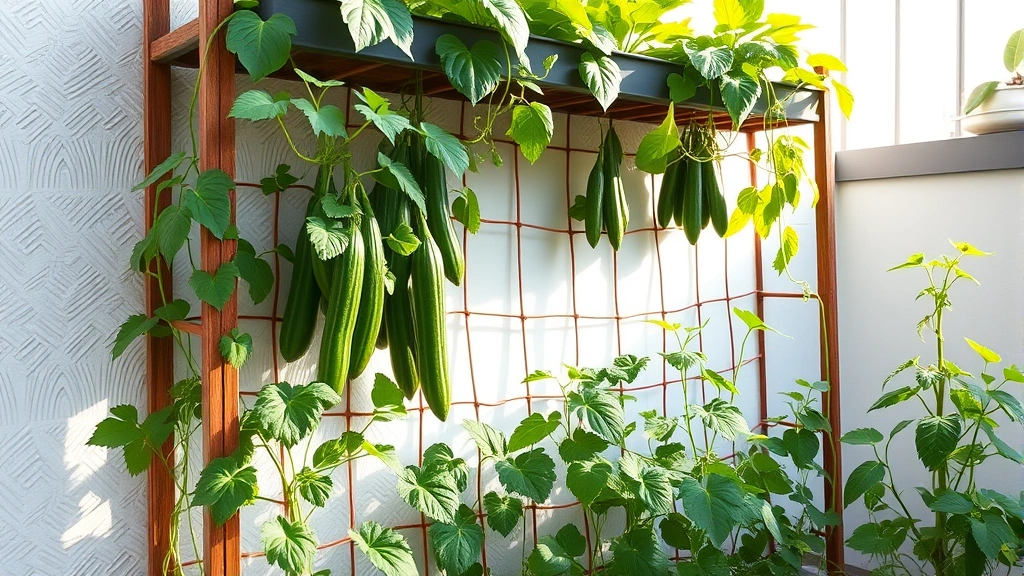
Consider installing vertical garden structures with reflective backing to maximize light capture on all plant surfaces. Trellises, arbors, and wall-mounted planters become light-concentrating features when positioned against reflective backgrounds. This approach proves especially effective for climbing vegetables like cucumbers, beans, and peas that maximize vertical space while benefiting from reflected light.
Water features strategically positioned in south-facing areas act as light reflectors while providing humidity benefits. A garden fountain or shallow water basin reflects light while cooling surrounding air, creating microclimates that moderate temperature extremes during peak summer heat.
Managing Excessive Heat and Intensity
Maximum light exposure in south house gardens often brings excessive heat stress requiring active management. Afternoon shade cloth (30-50% density) protects sensitive plants during peak summer intensity while maintaining adequate light for photosynthesis. Install shade cloth structures that allow removal during cooler months or lower-light seasons, preserving flexibility as conditions change.
Strategic tree placement provides natural shade while creating visual interest. Fast-growing deciduous trees like serviceberry or redbud offer summer shade that disappears during winter, allowing southern light to reach plants during cooler months. Ensure adequate spacing between trees and garden beds to prevent root competition and ensure light penetration.
Create temporary shade using nursery shade cloth, old bed sheets, or specialized shade structures during heat waves. This tactical approach protects vulnerable plants during extreme conditions while maintaining light exposure during milder periods. Many gardeners successfully grow shade-preferring plants in south-facing locations by implementing selective afternoon shade during summer months.
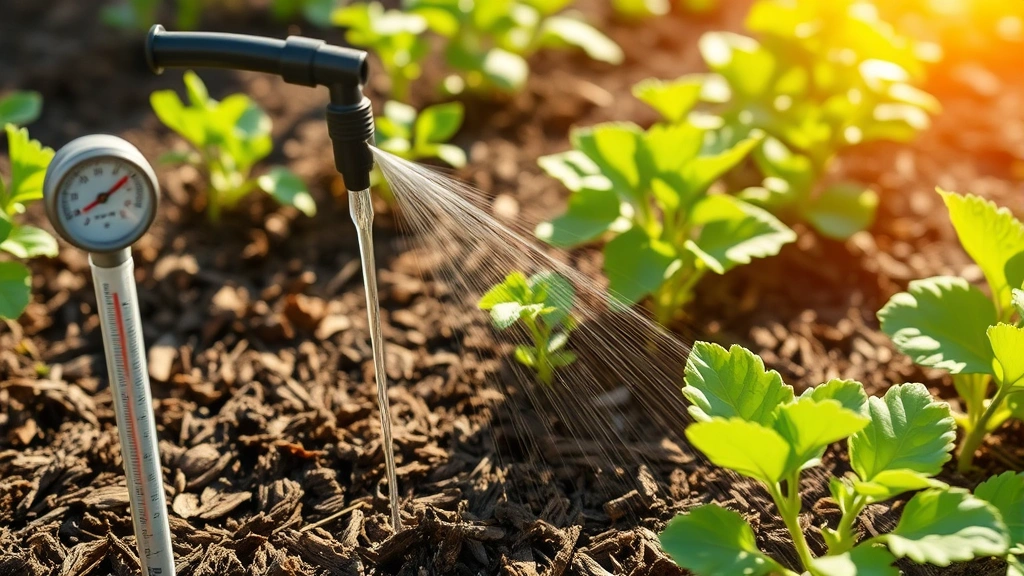
Mulching extensively (3-4 inches of organic material) moderates soil temperature fluctuations inherent in high-light southern exposures. Mulch reduces soil temperature by 5-10 degrees while retaining moisture, creating more stable growing conditions for plants experiencing intense light and heat stress.
Vertical Solutions for Limited Space
South house gardens with space constraints benefit tremendously from vertical growing systems that maximize light capture across multiple growing surfaces. Trellises, arbors, wall-mounted planters, and hanging baskets transform limited square footage into productive growing zones that capitalize on excellent southern light.
Climbing vegetables including pole beans, peas, cucumbers, and squash thrive in vertical arrangements within south-facing locations. These plants naturally utilize available light across multiple height levels, producing superior yields compared to sprawling horizontal plantings. Install sturdy supports rated for mature plant weight, especially important for fruit-bearing crops like melons or winter squash.
Wall-mounted planters and pocket gardens create additional growing surfaces while protecting walls from direct heat absorption. Trailing herbs and vegetables cascade from elevated containers, maximizing light exposure for all foliage surfaces. This approach proves especially effective for strawberries, trailing herbs, and compact vegetable varieties.
A vertical garden system in your south house garden can increase productive growing area by 300-400% compared to traditional ground-level beds. Incorporate drip irrigation systems that deliver water directly to root zones while minimizing evaporative losses inherent in high-light, high-heat environments.
Soil Preparation for Sun-Exposed Areas
South-facing gardens demand superior soil preparation to support the intensive growth stimulated by maximum light exposure. Prepare garden soil with abundant organic matter (compost, aged manure, leaf mold) to improve water retention and nutrient availability. High-light environments increase water demand and nutrient cycling, requiring soil rich in organic matter to sustain plant growth.
Incorporate 3-4 inches of quality compost into the top 8-10 inches of existing soil before planting. This amendment improves soil structure, water-holding capacity, and microbial activity—all critical for supporting plants experiencing intense light and heat stress. Annually replenish organic matter through topdressing or mulching to maintain soil quality in high-demand growing environments.
South house gardens typically develop slightly alkaline soils due to mineral accumulation and reduced organic matter breakdown in intense heat. Monitor soil pH annually, aiming for 6.0-7.0 for most vegetables and 5.5-6.5 for acid-loving plants like blueberries. Amend with sulfur or acidifying organic materials if pH exceeds optimal ranges.
Implement soil testing every two years to identify nutrient imbalances. High-light environments stimulate rapid growth that depletes soil nutrients quickly, particularly nitrogen, phosphorus, and potassium. Address deficiencies through targeted amendments or balanced fertilization programs that support intensive growth without creating nutrient toxicity.
Water Management in Full Sun
Maximizing light in south house gardens inevitably increases water demand due to accelerated evaporation and transpiration. Implement drip irrigation systems that deliver water directly to root zones, reducing evaporative losses while ensuring consistent moisture availability. Drip systems prove especially valuable during peak summer when daily watering becomes necessary.
Establish deep watering schedules that promote robust root development capable of accessing moisture in well-draining soils. Water deeply but less frequently (rather than shallow daily watering) to encourage roots to penetrate deeper into soil where moisture persists longer. This approach builds plant resilience during occasional dry periods.
Monitor soil moisture regularly using simple finger tests or soil moisture meters. High-light southern exposures dry rapidly, particularly in sandy or loamy soils. Many gardeners find that south house gardens require watering every one to two days during peak summer, compared to three to four days for equivalent plants in less intense light.
Mulching extensively reduces water requirements by 30-50% through temperature moderation and evaporation reduction. Organic mulches (wood chips, straw, grass clippings) break down gradually, continuously improving soil structure and water-holding capacity. Refresh mulch annually to maintain optimal depth and effectiveness.
Consider installing moisture sensors connected to automated irrigation systems for consistent watering without daily attention. These systems prove invaluable for busy gardeners or those managing multiple garden areas with varying light exposures and water requirements.
FAQ
How many hours of sunlight does a south-facing garden receive?
South-facing gardens typically receive 6-8+ hours of direct sunlight daily, with peak intensity occurring between 11 a.m. and 3 p.m. Exact hours depend on latitude, season, and surrounding obstacles. Winter light duration decreases significantly in northern climates while remaining relatively consistent in southern regions.
What vegetables grow best in south house gardens?
Tomatoes, peppers, eggplants, squash, beans, cucumbers, and root vegetables thrive in south-facing locations. Herbs including basil, rosemary, oregano, and thyme flourish with intense southern sunlight. Cool-season crops like lettuce and peas work best during spring and fall when light intensity moderates.
Do I need shade cloth in a south-facing garden?
Shade cloth (30-50% density) becomes beneficial during peak summer heat, particularly in southern climates or for heat-sensitive plants. Most sun-loving vegetables tolerate full intensity, but shade cloth extends growing seasons for cool-season crops and protects young transplants during hardening periods.
How often should I water a south house garden?
South-facing gardens typically require watering every 1-2 days during peak summer, compared to 3-4 days for equivalent plants in moderate light. Frequency depends on soil type, mulching, temperature, and specific plant water requirements. Monitor soil moisture regularly rather than following rigid schedules.
Can I grow shade-loving plants in a south-facing garden?
Yes, by implementing strategic afternoon shade using cloth, trees, or taller plants. Many shade-preferring species thrive in south-facing locations when protected from peak afternoon intensity. This approach requires careful management but expands plant diversity within high-light areas.
What’s the best way to maximize light reflection in south gardens?
Paint walls or fences white or light colors to reflect 15-30% additional light. Position water features to catch and reflect sunlight. Use reflective mulches and install light-colored hardscape features. These passive approaches increase light availability without energy consumption or equipment investment.
Should I orient raised beds differently in south-facing locations?
East-west orientation captures morning light while creating afternoon shade on the north side, beneficial for heat-sensitive plants. North-south orientation maximizes afternoon light exposure. Choose orientation based on specific plant needs and desired microclimates within your south house garden.