Designing a South Garden? Expert Landscaping Tips
A south-facing garden presents both exceptional opportunities and unique challenges for gardeners. With maximum sunlight exposure throughout the day, your south garden becomes a prime location for cultivating heat-loving plants and maximizing growing seasons. However, this intense solar exposure demands thoughtful planning to prevent plant stress, soil dehydration, and scorching during peak summer months. Whether you’re starting from scratch or revitalizing an existing space, understanding how to leverage southern exposure will transform your landscape into a thriving, beautiful garden.
The key to successful south garden design lies in balancing sunlight abundance with strategic plant selection, water management, and protective features. This comprehensive guide walks you through expert landscaping strategies that account for seasonal variations, microclimate creation, and plant hardiness. By implementing these proven techniques, you’ll create a garden that flourishes year-round while remaining manageable and visually stunning.
Understanding South-Facing Garden Exposure
South-facing gardens receive the most direct and intense sunlight, typically 6-8+ hours of full sun daily depending on your latitude and surrounding structures. This consistent, powerful exposure creates distinct advantages and challenges that shape every design decision you’ll make. Understanding the science behind solar exposure helps you anticipate plant responses and environmental stressors throughout the year.
The angle of the sun varies seasonally, which means your south garden experiences different light intensities and duration across seasons. During summer, the sun sits higher in the sky, creating intense midday heat and potential UV stress. Winter sunlight arrives at a lower angle, penetrating deeper into the garden space. This seasonal variation means plants experience dramatically different conditions throughout the year—a reality that must inform your plant selection and garden layout.
Temperature fluctuations in south gardens tend to be more extreme than other exposures. Soil heats rapidly during the day and may cool quickly at night, affecting root zone temperatures and microbial activity. Reflected heat from hardscaping materials, walls, or light-colored surfaces can intensify these temperature swings further. Recognizing these microclimatic variations allows you to position plants strategically and select appropriate species for each microzone within your garden.
Selecting Heat-Tolerant Plants
Successful south garden design begins with choosing plants that thrive in high-heat, high-light conditions. Mediterranean plants, native species adapted to sunny climates, and heat-loving perennials form the backbone of productive south gardens. These plants possess natural adaptations—silvery foliage, waxy coatings, deep root systems—that help them manage intense solar exposure and drought stress.
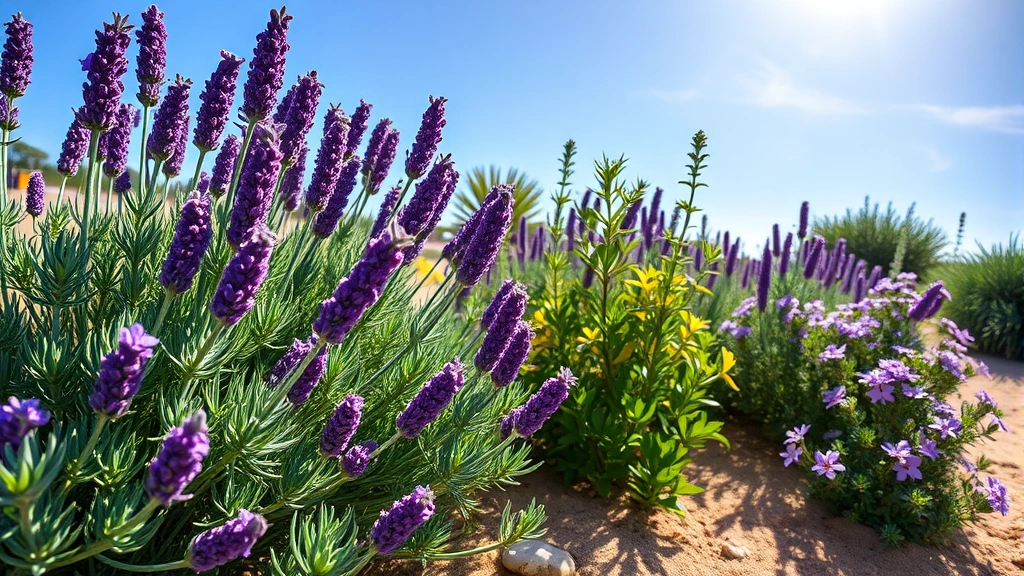
Excellent choices for south gardens include lavender, rosemary, catmint, Russian sage, coreopsis, black-eyed Susan, sedum, and ornamental grasses like fountain grass. These plants not only tolerate full sun but actually require it to thrive. Herbs such as oregano, thyme, marjoram, and santolina flourish in south-facing positions and provide culinary or medicinal benefits. For vegetable gardening, consider heat-tolerant crops like okra, eggplant, peppers, and Armenian cucumber, which produce abundantly in intense heat.
Native plants deserve special attention in south garden design. By gardening with native plants adapted to your region, you ensure species that evolved under local conditions. Native plants typically require less supplemental water, fertilizer, and pest management while providing ecological benefits. Research native plants suited to your USDA hardiness zone and regional climate patterns.
Consider layering plants by height and water needs. Tall heat-lovers like butterfly bush or Texas privet can anchor the back of borders, while mid-height plants like coreopsis and catmint fill the middle layer. Low-growing sedums, thyme, and creeping phlox create foreground interest. This tiered approach maximizes visual appeal while allowing adequate air circulation and light penetration through the planting scheme.
Water Management Strategies
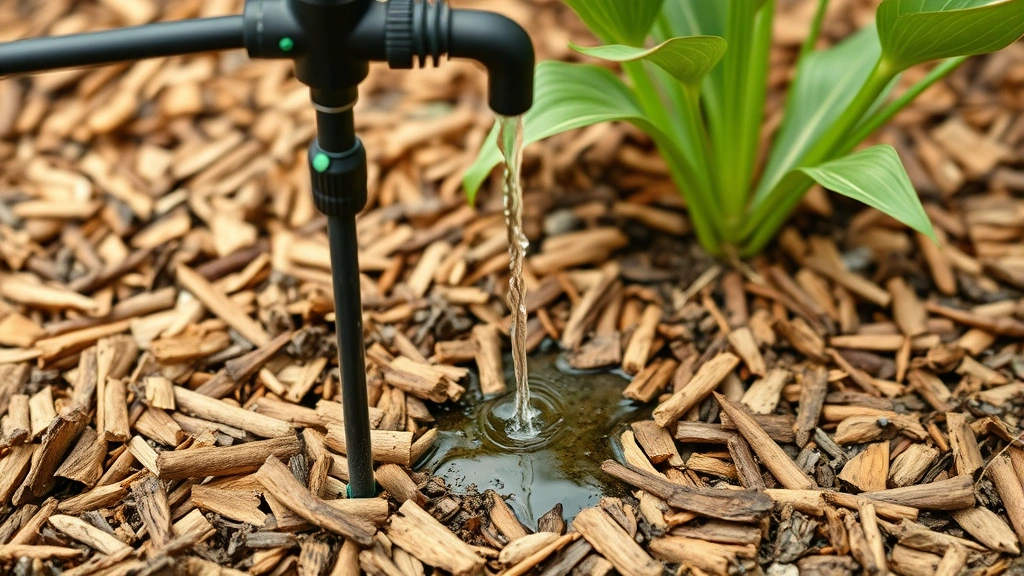
Water management becomes critical in south gardens, where intense sunlight accelerates evaporation and plants experience greater moisture stress. Implementing efficient irrigation systems and soil moisture conservation techniques prevents plant stress while reducing water waste. Drip irrigation delivers water directly to root zones, minimizing evaporation and fungal disease risks associated with overhead watering.
Mulching represents one of the most effective water conservation strategies for south gardens. A 2-3 inch layer of organic mulch moderates soil temperature, reduces evaporation, suppresses weeds, and gradually enriches soil as it decomposes. Apply mulch around plants but maintain a small gap near plant stems to prevent rot. Inorganic mulches like gravel or stone also work, though they absorb and radiate heat, potentially intensifying soil temperature extremes.
Soil moisture monitoring prevents both underwatering and overwatering. Stick your finger 2-3 inches into soil to assess moisture levels before watering. Most heat-loving plants prefer drying somewhat between waterings, which encourages deep root development and plant hardiness. Morning watering proves superior to evening watering, reducing disease pressure and allowing plants to access moisture during peak heat stress. Consider installing a raised garden bed with integrated drip irrigation for enhanced water control and soil quality management.
Grouping plants by water needs—hydrozoning—simplifies irrigation management. Place drought-tolerant plants together, separate from plants requiring regular moisture. This prevents overwatering heat-lovers while ensuring adequate hydration for thirstier species. Reducing lawn area in south gardens also conserves water, as turf demands frequent irrigation in intense sun.
Creating Microclimates and Shade
While south gardens offer abundant sunlight, selective shade creation protects sensitive plants and reduces heat stress during scorching summers. Strategic shade structures moderate temperatures without eliminating the light benefits that make south gardens valuable. The goal involves creating microclimates where vulnerable plants can thrive while maintaining open, sun-drenched areas for heat-lovers.
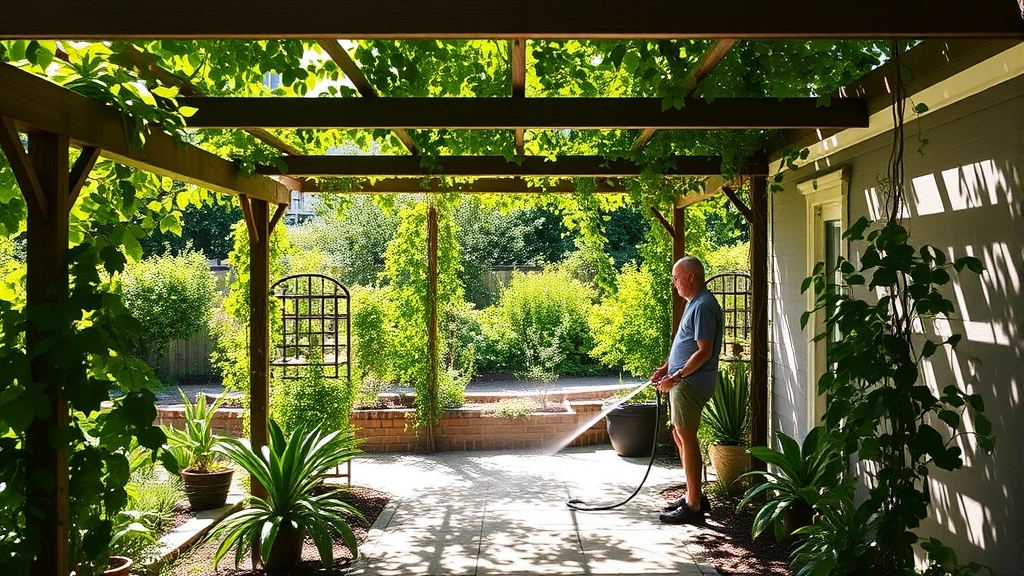
Shade cloth suspended 12-18 inches above plants provides temporary relief during peak summer months. Thirty to fifty percent shade cloth filters intense afternoon light while maintaining adequate photosynthesis. Remove shade cloth in spring and fall when lower sun angles pose no threat. Lattice structures, pergolas, and open-sided shade houses offer permanent solutions that reduce afternoon heat while allowing morning and evening light penetration.
Tall plants and structures cast valuable shadows across south gardens. Position trees, shrubs, or tall perennials to shade afternoon sun from sensitive plants on the western side. This approach creates layered planting opportunities—shade-tolerant understory plants beneath tall specimens extend your planting palette significantly. Consider deciduous trees that provide summer shade while allowing winter sun penetration, offering year-round benefits.
Walls, fences, and hardscaping materials create reflected heat that intensifies soil and air temperatures. Light-colored surfaces reflect more heat than dark materials. If possible, position reflective surfaces to benefit cool-season crops in spring and fall while minimizing summer impact. Dark surfaces absorb heat, which can be strategically positioned to warm soil for heat-loving plants during cooler months.
Soil Preparation and Amendment
High-quality soil forms the foundation of successful south garden design. Intense sun and heat stress soil structure and biological activity, making soil preparation more critical than in shaded gardens. Well-amended soil with excellent drainage and organic matter improves plant establishment and long-term performance.
Begin with soil testing to understand your starting point. Soil pH, nutrient levels, organic matter content, and texture all influence plant success. Most heat-loving plants prefer slightly alkaline to neutral soil with good drainage. If your soil tests acidic, incorporate lime according to recommendations. If drainage is poor, amend heavily with compost and coarse sand to improve structure.
Organic matter improves both drainage and water retention—seemingly contradictory but actually complementary functions. Compost increases soil structure, creating larger pores for drainage while increasing water-holding capacity in aggregated particles. Add 2-4 inches of compost and work it 8-12 inches deep before planting. Annually top-dress established beds with 1-2 inches of compost to maintain soil health.
Beneficial soil microorganisms thrive in organic-rich, undisturbed soil. Avoid excessive tilling, which disrupts fungal networks and microbial communities. Instead, adopt no-till or minimal-till practices, building soil health through surface amendments and mulching. These practices prove especially valuable in south gardens where intense heat stresses microbial populations.
Hardscaping and Layout Design
Hardscaping elements—pathways, patios, raised beds, retaining walls—define south garden structure and functionality. Strategic hardscaping placement influences water flow, heat distribution, and plant placement. Light-colored hardscaping reflects heat and light, potentially intensifying heat stress, while dark materials absorb and radiate heat, warming adjacent soil.
Pathways should direct foot traffic efficiently while providing visual interest. Permeable materials like gravel or decomposed granite allow water infiltration while reducing heat reflection compared to concrete or asphalt. Raised beds offer numerous advantages in south gardens: improved drainage, elevated soil temperature for spring planting, better accessibility, and defined growing zones. Constructing a raised garden provides detailed instructions for various materials and configurations.
Consider water features like fountains or shallow basins that increase humidity and create cooling effects through evaporation. These elements add visual interest while moderating microclimate temperatures. Position seating areas to capture morning sun and afternoon shade, creating comfortable spaces for enjoying your garden during peak heat.
Layout design should account for prevailing wind patterns. Gentle breezes reduce heat stress and fungal disease pressure, but strong, hot winds can desiccate plants. Position tall plants or structures to moderate wind without blocking beneficial air circulation. This balance prevents stagnant, humid conditions while reducing wind damage.
Seasonal Considerations
South gardens experience dramatic seasonal shifts that require adjusted management practices. Spring brings increasing sunlight and warmth, creating ideal conditions for cool-season crops before summer heat arrives. Plant cool-season vegetables, greens, and spring bulbs early to establish before temperatures soar.
Summer demands careful management to prevent plant stress. Reduce supplemental fertilization, as excessive nitrogen promotes tender growth vulnerable to heat damage. Increase mulch depth, maintain consistent moisture for shallow-rooted plants, and monitor for heat stress symptoms like wilting or leaf scorch. Afternoon shade cloth protection becomes valuable during extreme heat events.
Fall offers a second growing season in many regions. As temperatures moderate, cool-season crops can be reestablished. Summer-weary plants appreciate reduced heat stress and often experience renewed vigor. Prepare perennials for winter dormancy by reducing water as growth naturally slows.
Winter in south gardens presents opportunities despite reduced sunlight. The lower sun angle allows light penetration beneficial for cool-season plants. Dormant perennials and deciduous trees require minimal care. However, intense winter sun combined with cold temperatures can damage evergreens—position these plants where afternoon shade protects them from desiccating sun.
Vertical Solutions for South Gardens
Vertical gardening maximizes limited space while creating interesting visual interest in south gardens. Vertical garden systems allow you to cultivate additional plants in constrained areas. Trellises support vining vegetables like cucumbers, beans, and peas, which appreciate afternoon shade cast by vertical structures. Climbing plants like clematis, honeysuckle, or climbing roses add vertical dimension while providing privacy and shade.
Wall-mounted planters and living walls extend growing space vertically, creating dramatic focal points. These systems work exceptionally well for trailing succulents, herbs, and ornamental foliage plants. Ensure adequate irrigation for vertical systems, as gravity increases water drainage and evaporation. Consider drip irrigation integrated into living wall systems for consistent moisture management.
Tiered planting on slopes or terraced beds creates vertical interest while managing water flow and soil erosion. Terrace construction may require retaining walls, which provide additional planting surfaces and microclimatic variation. Tall specimens positioned at the back of borders create depth and scale while casting shadows on lower plants.
FAQ
What is the best time to plant in a south-facing garden?
Spring and fall prove ideal for establishing new plants in south gardens. Spring planting allows roots to develop before summer heat, while fall planting lets roots establish during cool months. Avoid summer planting of sensitive species, as intense heat stresses newly transplanted plants. Heat-loving plants can be established in late spring once soil warms.
How often should I water a south garden?
Water frequency depends on plant type, soil composition, and weather conditions. Most heat-loving plants prefer drying somewhat between waterings, encouraging deep root development. Check soil moisture 2-3 inches deep before watering. Newly planted specimens may need daily watering initially, while established drought-tolerant plants rarely need supplemental water during normal years. Summer heat may require more frequent watering for shallow-rooted plants.
Can I grow vegetables in a south-facing garden?
Absolutely. South gardens excel for heat-loving vegetables like tomatoes, peppers, eggplant, okra, squash, and melons. Cool-season crops like lettuce and greens require shade cloth or positioning under tall plants during summer. Growing garden lettuce in south gardens requires strategic shade during hot months. Spring and fall prove excellent seasons for cool-crop production.
What mulch works best for south gardens?
Organic mulches like wood chips, shredded bark, or compost provide superior benefits, moderating soil temperature and enriching soil as they decompose. Light-colored organic mulches reflect more heat than dark materials. Inorganic mulches like gravel work well for aesthetic purposes but intensify soil heating. Apply 2-3 inches of mulch, maintaining space near plant stems.
How can I propagate plants for my south garden?
Learning to propagate plants allows you to multiply heat-tolerant species economically. Many Mediterranean herbs and perennials propagate easily from cuttings or seeds. Propagation lets you expand plantings while maintaining genetic consistency with proven performers in your specific microclimate.
Should I use garden decorations in a south garden?
Decorative elements add personality and functionality to south gardens. Light-colored decorations reflect heat, while dark materials absorb it. Position decorations thoughtfully to enhance visual interest without creating excessive heat reflection or blocking beneficial shade. Sculptures, fountains, and seating areas create focal points while serving practical purposes.


