Small Garden Ideas: Expert Design Tips for Maximum Beauty in Minimal Space
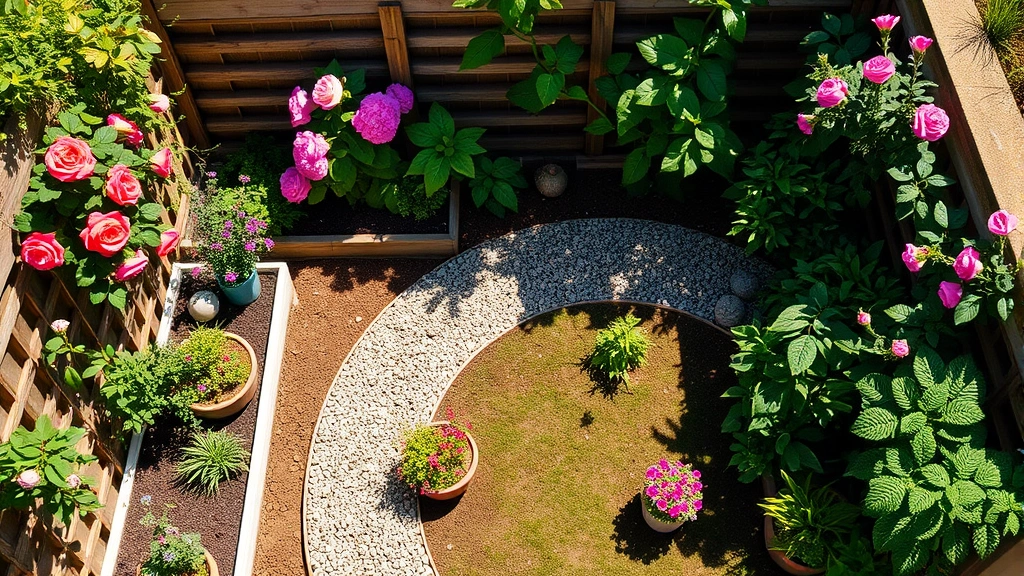
Creating a thriving garden in a small space doesn’t require sacrificing style, functionality, or plant diversity. Whether you’re working with a tiny urban balcony, a modest backyard, or a narrow side yard, thoughtful design principles can transform even the most compact areas into lush, inviting green spaces. Small gardens present a unique opportunity to be intentional about every plant, pathway, and design element, resulting in gardens that feel purposeful and beautifully curated.
The key to successful small garden design lies in strategic planning, vertical thinking, and selecting plants that earn their place through multiple seasons of interest. By understanding how to maximize your available space and choosing the right combination of hardscaping, containers, and plantings, you can create an outdoor sanctuary that feels much larger than its actual square footage. This comprehensive guide walks you through proven strategies for designing small gardens that work as hard as they look beautiful.
Define Your Garden’s Purpose and Style
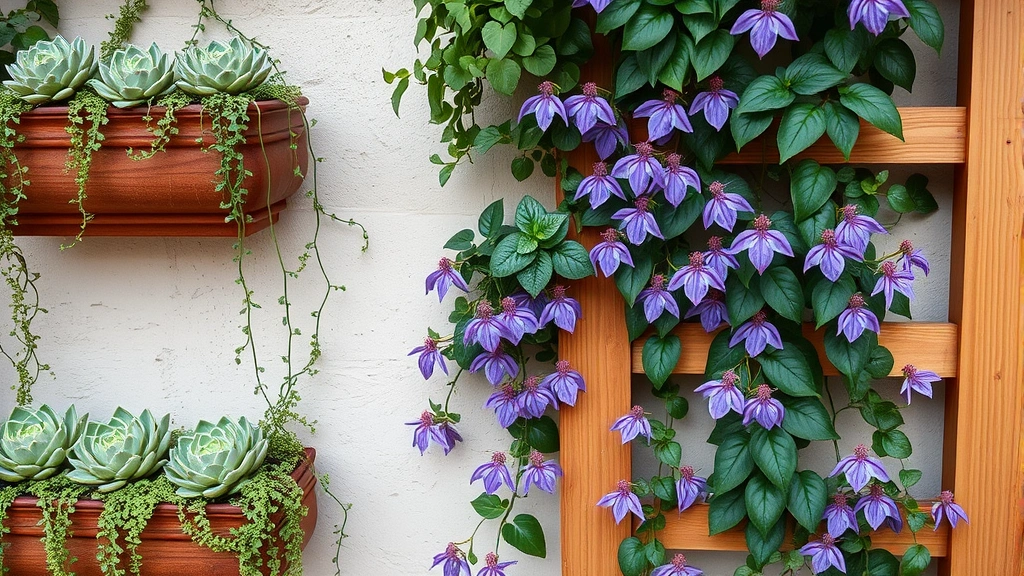
Before digging into design specifics, clarify what you want your small garden to accomplish. Are you growing vegetables and herbs for cooking? Creating a meditation retreat? Designing a space for entertaining? Attracting pollinators? Your primary purpose should drive every subsequent decision about layout and plant selection. A productive vegetable garden requires different considerations than a contemplative shade garden or a pollinator paradise.
Style preference matters equally. Modern minimalist gardens favor clean lines and restrained plant palettes, while cottage-style gardens embrace abundant, romantic plantings. Mediterranean designs emphasize drought-tolerant plants and warm tones, whereas Asian-inspired gardens incorporate water features, carefully placed stones, and small evergreen garden plants for year-round structure. Identifying your aesthetic helps narrow plant choices and creates visual cohesion even in tight quarters.
Consider also who uses the space and how often. Families with children might prioritize durable plants and open play areas, while gardeners focused on plant collection want maximum planting beds. Busy professionals appreciate low-maintenance designs, whereas passionate gardeners relish complex plantings requiring regular attention. Honest assessment of your lifestyle prevents creating a garden that looks beautiful in magazines but frustrates you in practice.
Maximize Vertical Growing Space
Small gardens thrive when you think in three dimensions rather than limiting yourself to ground-level plantings. Vertical gardening multiplies your growing capacity without consuming precious floor space, making it essential for compact areas. Wall-mounted planters, trellises, arbors, and hanging baskets transform blank walls and fences into productive growing zones.
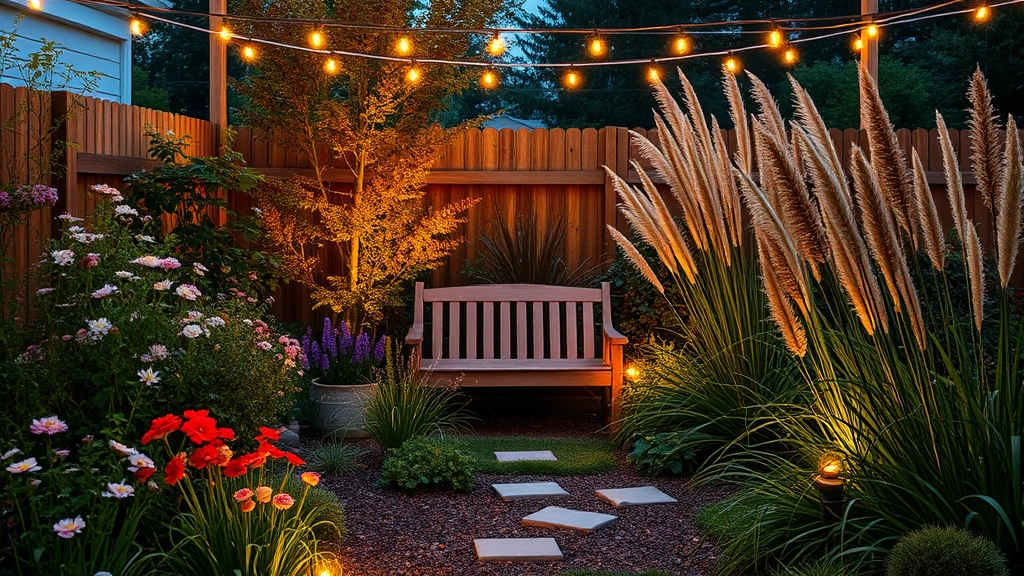
Climbing plants and vines deserve special attention in small gardens. Train them up sturdy trellises, pergolas, or arbor structures to create height, shade, and visual interest without consuming square footage. Clematis varieties offer elegant flowers and delicate foliage, while climbing roses deliver romantic blooms and fragrance. For edible gardens, pole beans, peas, and cucumbers grow vertically on supports, yielding impressive harvests from minimal ground space.
Living walls and green screens add drama while improving air quality and providing insulation. Modular living wall systems allow you to attach multiple small pockets to walls, each filled with trailing succulents, herbs, or ornamental plants. These work beautifully as privacy screens or focal points. Alternatively, simple wooden slat walls create structure while allowing climbing plants to weave through, softening the structure over time.
Hanging baskets and suspended planters draw the eye upward, making spaces feel taller and more open. Trailing plants like sweet potato vine, trailing petunias, and English ivy cascade downward, creating lush abundance. Hanging herb gardens put culinary plants at arm’s reach while keeping them off the ground. Consider overhead space often overlooked—pergolas and arbors can support hanging baskets while providing filtered shade below.
Choose the Right Plants for Small Spaces
Plant selection makes or breaks small garden design. Every plant must justify its space through multiple seasons of interest, manageable size, and contribution to your garden’s overall purpose. Avoid vigorous spreaders and aggressive self-seeders that overwhelm small spaces, and prioritize plants offering extended visual interest beyond their bloom period.
Multi-season interest matters tremendously in compact gardens. Select small evergreen garden plants providing year-round structure and color when deciduous plants go dormant. Dwarf conifers like Japanese false cypress, dwarf Alberta spruce, and compact junipers offer varied textures and colors from deep green to golden yellow. These plants maintain their presence throughout winter, preventing your garden from looking barren during cold months.
Ornamental grasses add movement, sound, and visual texture without requiring much space. Compact varieties like feather reed grass, blue fescue, and Japanese forest grass work beautifully in small gardens, creating elegant focal points and softening hardscape edges. Their delicate foliage allows sight lines through the garden, making spaces feel larger than they are.
Perennials outperform annuals in small gardens by returning year after year, building strength and presence over seasons. Choose varieties suited to your climate and light conditions. Shade-loving perennials like hellebores, astilbes, and bleeding heart provide color and texture in challenging north-facing spaces. Sunny locations support sedums, catmint, and salvias—drought-tolerant beauties requiring minimal maintenance once established.
Fruit-bearing plants offer edible harvests plus visual interest. Dwarf fruit trees, berry bushes, and espalier-trained trees maximize productivity in small spaces. Blueberries provide spring flowers, summer fruit, and brilliant fall foliage. Serviceberry offers spring blooms, summer fruit for birds, and burgundy fall color. These multi-purpose plants earn their space through beauty and bounty.
Create Focal Points and Sightlines
Strategic focal points draw the eye and make small gardens feel intentional rather than cramped. A focal point anchors the space and provides visual rest, preventing the overwhelming sensation that can occur when too many plants compete for attention. In small gardens, one or two strong focal points work better than multiple competing elements.
Water features serve as compelling focal points while introducing soothing sounds and movement. A small fountain, bird bath, or bubbler garden requires minimal space while creating significant impact. The sound of moving water masks urban noise and encourages wildlife visits. Even a simple vessel filled with water and floating flowers creates peaceful presence.
Sculpture and hardscape features provide focal points without ongoing maintenance requirements. A strategically placed stone lantern, abstract sculpture, or architectural planter draws attention and establishes style. These elements work particularly well in modern gardens where plant-free focal points complement minimalist aesthetics.
Sightlines—the paths your eyes naturally follow through the space—deserve careful consideration. Curved pathways make small gardens feel larger by creating mystery and encouraging exploration. Straight paths emphasize length and openness. Position focal points where they’re visible from multiple vantage points, such as from windows or seating areas. This multiplies the focal point’s impact without requiring additional space.
Color layering creates visual depth and interest. Plant colors in drifts rather than scattered specimens. A mass of purple-foliaged heuchera reads as a strong design choice, while isolated purple plants feel accidental. Limit your palette to three or four colors plus green foliage to avoid visual chaos. Repeating colors throughout the garden creates rhythm and cohesion.
Incorporate Smart Hardscaping Solutions
Hardscaping—pathways, patios, walls, and structures—provides essential functionality while shaping your garden’s character. In small spaces, hardscaping deserves equal design attention as plantings. Well-designed hardscaping makes gardens feel intentional, organized, and larger than they actually are.
Pathways guide movement and create sightlines through gardens. Narrow pathways (two to three feet wide) suit compact spaces while still allowing comfortable passage. Curved paths meander through space, creating the illusion of distance. Permeable paving materials like gravel, stepping stones, and pavers allow water infiltration while adding texture and visual interest. Expandable garden hoses make watering accessible from pathways without creating trip hazards.
Seating areas function as both hardscaping and focal points. A single bench, bistro table, or garden furniture rocking chair creates an inviting destination that encourages you to pause and enjoy your space. In tiny gardens, built-in seating along edges saves space while providing functionality. Raised seating edges double as planting borders, maximizing every inch.
Vertical structures like arbors, pergolas, and trellises define space and create structure without consuming ground area. These elements frame views, provide climbing support, and create overhead interest. A pergola over a seating area provides dappled shade while supporting flowering vines. Trellises divide small gardens into distinct zones, making compact spaces feel larger through compartmentalization.
Retaining walls and raised beds serve multiple functions. They add visual interest, define planting areas, improve drainage for better plant health, and make gardening more accessible. Raised beds filled with quality best soil for a garden bed ensure excellent growing conditions while adding architectural presence.
Use Containers Strategically
Container gardening offers unparalleled flexibility in small spaces. Containers allow you to grow plants unsuitable for your soil conditions, create seasonal interest through rotation, and easily rearrange designs. Strategic container placement multiplies planting opportunities without permanent commitment.
Large containers make stronger visual statements than multiple small ones. A substantial planter creates more impact than five tiny pots scattered around. Grouping containers in odd numbers (three, five, or seven) creates visual balance while maintaining interest. Vary heights and textures among grouped containers for dynamic compositions.
Container soil quality dramatically affects plant performance. Use high-quality potting mix specifically formulated for containers rather than garden soil, which compacts in pots and prevents proper drainage. Quality soil for containers ensures healthy roots and vigorous growth despite space constraints.
Seasonal container plantings allow you to refresh your garden’s appearance throughout the year. Spring containers might feature cool-season pansies and ornamental cabbage. Summer brings heat-loving annuals like impatiens and begonias for shade, or zinnias and marigolds for sun. Fall containers celebrate warm tones with mums, ornamental grasses, and berries. Winter containers maintain interest with evergreen foliage, colorful bark stems, and winter-blooming hellebores.
Trailing and cascading plants work beautifully in containers, especially hanging baskets. Trailing petunias, sweet potato vine, and English ivy soften container edges while drawing the eye downward. Combining upright centerpiece plants with trailing spillers and mounding fillers creates full, professional-looking arrangements.
Design for Year-Round Interest
Small gardens visible from windows year-round must maintain interest through all seasons. Successful designs layer multiple sources of visual interest that shift with seasons rather than disappearing entirely during dormancy.
Spring interest comes from early-blooming bulbs, flowering shrubs, and emerging perennials. Snowdrops, crocuses, and hellebores brighten late winter. Magnolias, forsythia, and flowering cherry trees provide dramatic spring statements. Early perennials like hellebores, bleeding heart, and creeping phlox bridge winter and spring with color and texture.
Summer gardens reach peak fullness and color. Perennials bloom prolifically, annuals fill containers, and foliage plants reach mature size. Deadheading spent blooms extends flowering periods. Summer also offers opportunity for fairy garden ideas or themed plantings that encourage experimentation and play.
Fall transforms gardens through foliage color, seed heads, and berries. Many perennials develop gorgeous fall foliage colors rivaling spring bloomers. Ornamental grasses shine in fall light, their seed heads glowing amber and gold. Berry-producing plants like serviceberry, viburnum, and winterberry sustain visual interest while feeding birds and wildlife.
Winter structure comes from evergreen foliage, colorful bark, persistent seed heads, and garden hardscaping. Evergreen plants like conifers and hellebores provide living color. Deciduous plants with colorful bark like dogwood, birch, and willow brighten gray winter days. Seed heads from ornamental grasses and perennials create delicate tracery, especially beautiful when frosted or snow-covered. Garden structures—arbors, benches, pathways—become focal points when softened by frost and snow.
Lighting and Ambiance
Strategic lighting transforms small gardens into evening destinations while improving functionality and safety. Thoughtfully placed lights extend your garden’s usable hours and create ambiance that encourages evening enjoyment.
Path lighting ensures safe navigation while creating gentle ambiance. Low-level solar lights along pathways provide subtle guidance without harsh brightness. Position lights to illuminate key features like steps or transitions without creating glare. Uplighting from below creates dramatic effects on architectural plants and structures.
Accent lighting highlights focal points and creates depth. Spotlights directed upward through tree canopies create dappled shadow patterns on walls and ground. Soft lighting around seating areas creates intimate spaces for evening relaxation. Warm-colored lights (amber or soft white) feel more inviting than cool blue lights that can feel harsh.
String lights and lanterns add festive charm while providing gentle illumination. Overhead string lights create a canopy effect over seating areas or pathways. Lanterns with candles or solar lights scattered throughout the garden add romantic ambiance without electrical requirements. These flexible lighting solutions work beautifully in rented spaces where permanent installation isn’t possible.
Timing your lighting matters as much as placement. Lights activated by dusk sensors come on automatically, while timer-controlled lights suit spaces used at specific times. Solar lights require no wiring or electricity, making them ideal for small gardens where electrical access is limited.
FAQ
What are the best small garden ideas for limited sunlight?
Shade gardens thrive with hostas, hellebores, bleeding heart, astilbe, and ferns. Incorporate foliage plants with interesting textures and colors since blooming options are limited in deep shade. Variegated plants with white or yellow markings brighten shaded areas. Shade-tolerant small evergreen plants like Japanese yew and dwarf rhododendrons provide structure and year-round presence.
How can I make a small garden feel bigger?
Use curved pathways instead of straight lines, incorporate vertical elements to draw eyes upward, limit focal points to one or two strong statements, use light colors that recede visually, and create layered depth through varying plant heights. Mirrors and light-colored hardscaping reflect light and expand perceived space. Removing visual clutter and maintaining open sightlines prevents cramped sensations.
What’s the best approach for a small vegetable garden?
Maximize yield through vertical growing of beans, peas, and cucumbers on trellises. Use raised beds filled with quality soil for garden beds to improve drainage and access. Container gardening suits herbs and compact vegetables beautifully. Succession planting—sowing seeds every two weeks—ensures continuous harvests. Focus on high-yield crops like tomatoes, lettuce, and herbs that justify their space.
How often should I water a small garden?
Watering frequency depends on plant types, soil conditions, and climate. Container plants typically need daily watering during hot weather since they dry quickly. In-ground plants generally need one to two inches of water weekly, including rainfall. Use soaker hoses or drip irrigation for efficient watering. Check soil moisture before watering—many gardeners overwater, causing root rot and disease.
What’s the best time to plant in a small garden?
Spring and fall are ideal planting seasons for most regions, as moderate temperatures and natural moisture reduce transplant stress. Spring planting gives plants the entire growing season to establish strong roots. Fall planting allows roots to develop during cool months before spring growth. Summer planting works for heat-loving plants and container gardens with supplemental watering. Winter planting suits mild climates where dormancy doesn’t apply.
Can I create a small garden without permanent changes to my space?
Absolutely. Container gardening, raised beds on legs, and portable hardscaping like pallet pathways allow beautiful gardens without permanent installation. Hanging baskets and wall planters don’t require digging. Rented spaces benefit from these flexible solutions. Even renters can create stunning gardens that leave no permanent marks.


