Shanghai Garden Design: Expert Advice for Beginners
Shanghai gardens represent one of the most refined and philosophically rich gardening traditions in the world. These classical Chinese gardens blend aesthetics, symbolism, and horticultural expertise into serene outdoor spaces that have captivated visitors for centuries. Whether you’re a beginner gardener or an experienced cultivator looking to explore new design principles, understanding Shanghai garden design opens doors to creating meaningful, balanced outdoor environments that reflect nature’s harmony.
The tradition of Shanghai gardening draws from centuries of Chinese landscape philosophy, where every plant, stone, and water feature serves a purpose beyond mere decoration. This guide will help you understand the fundamental principles of Shanghai garden design and provide practical steps to implement these concepts in your own garden, regardless of your space size or climate zone.
Understanding Shanghai Garden Philosophy
Shanghai gardens embody the philosophical principles of Taoism and Confucianism, creating spaces that encourage contemplation and connection with nature. Unlike Western formal gardens that impose human order on nature, Shanghai gardens work with natural elements to create what appears effortless and organic, even though every detail is carefully planned.
The concept of borrowed scenery (jiejing) allows garden designers to incorporate distant views and surrounding landscapes into the garden’s composition. This principle teaches us that a garden doesn’t exist in isolation but as part of a larger environmental context. When designing your own space, consider how views beyond your garden boundaries can enhance your design.
Another fundamental principle is the balance of yin and yang—complementary opposites that create harmony. In garden terms, this means balancing open spaces with planted areas, hard surfaces with soft vegetation, light with shade, and water with earth. This balance creates visual interest while promoting a sense of peaceful equilibrium.
Understanding these philosophical foundations helps you move beyond simply copying aesthetic elements. Instead, you’ll grasp the why behind each design choice, allowing you to adapt Shanghai principles to your specific location and circumstances. Explore more about Asian garden traditions to deepen your knowledge of regional variations.
Key Design Principles and Elements
Shanghai gardens incorporate several distinctive design elements that work together to create their characteristic aesthetic. Understanding these components will guide your own garden planning.
Framing and Viewing: Pathways, doorways, and architectural elements frame views like living paintings. As you move through the garden, different perspectives reveal themselves, creating a journey of discovery. This principle teaches us to design with movement in mind—consider how visitors will experience your garden as they walk through it.
Scale and Proportion: Despite the grandeur of famous Shanghai gardens, the principles work beautifully in small spaces. The key is maintaining proper proportions between elements. A small garden might feature a modest water feature, compact pavilion, or intimate seating area rather than attempting to replicate large-scale features.
Asymmetrical Balance: Rather than mirror-image symmetry, Shanghai gardens use asymmetrical arrangements that feel balanced without being predictable. Plant groupings, rock placements, and pathway curves follow this principle, creating dynamic rather than static compositions.
Miniaturization: Shanghai gardens often represent landscape features in miniature. A small rocky outcrop might suggest a mountain range, while carefully pruned trees evoke forest scenes. This principle allows gardeners to create rich, complex environments in limited spaces.
When planning your garden decor and hardscape elements, remember that every stone, bridge, and pavilion should serve both aesthetic and functional purposes. Each element should contribute to the overall narrative and philosophical harmony of the space.
Essential Plants for Your Shanghai Garden
Plant selection is crucial for achieving an authentic Shanghai garden aesthetic. Traditional choices include species with symbolic significance and practical advantages.
Bamboo: Perhaps the most iconic plant in Shanghai gardens, bamboo represents flexibility, strength, and integrity in Chinese philosophy. It provides vertical interest, creates screening, and produces elegant rustling sounds in the breeze. Several varieties adapt well to different climates, from Phyllostachys species in temperate zones to Bambusa varieties in warmer regions. Be mindful of invasive tendencies and contain running types with rhizome barriers.
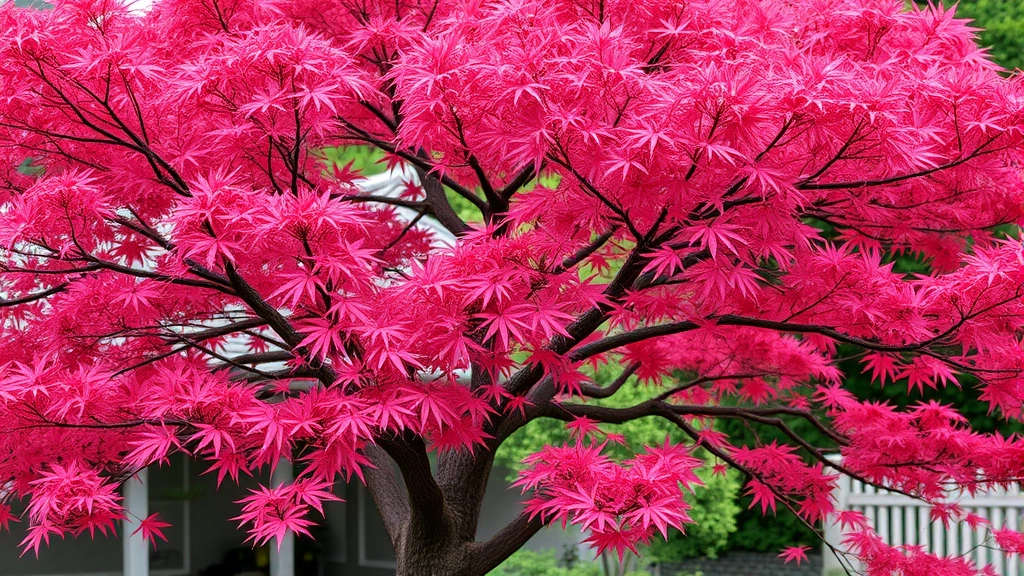
Japanese Maples: These delicate trees provide year-round interest with fine-textured foliage and graceful branching structure. Their small stature suits garden spaces of any size, and seasonal color changes create natural focal points. They prefer dappled shade and well-draining soil rich in organic matter.
Flowering Plums and Cherries: Early spring bloomers symbolize renewal and perseverance in Chinese tradition. Prunus species offer delicate flowers, attractive bark, and architectural branching patterns valuable even in winter.
Azaleas and Rhododendrons: These flowering shrubs provide color while fitting naturally into garden compositions. Their varied sizes and bloom times allow for extended seasonal interest. They require acidic soil and consistent moisture.
Hostas and Ferns: Shade-loving foliage plants create textural interest beneath tree canopies. Their varied leaf shapes and colors add visual complexity without competing for attention.
Ornamental Grasses: Plants like Miscanthus and Hakonechloa provide movement, sound, and seasonal interest. They’re relatively low-maintenance and adapt to various conditions.
Learn more about expanding your plant collection through plant propagation techniques to create multiple specimens from existing plants.
Consider establishing an herb garden within your Shanghai garden design. Culinary herbs like mint, lemon balm, and perilla not only serve practical purposes but also align with traditional garden functionality, where gardens provided both aesthetic pleasure and sustenance.
Water Features and Hardscaping
Water holds special significance in Shanghai gardens, representing life, change, and reflection. Even small water features—a simple basin, gentle stream, or modest pond—can dramatically enhance your garden.
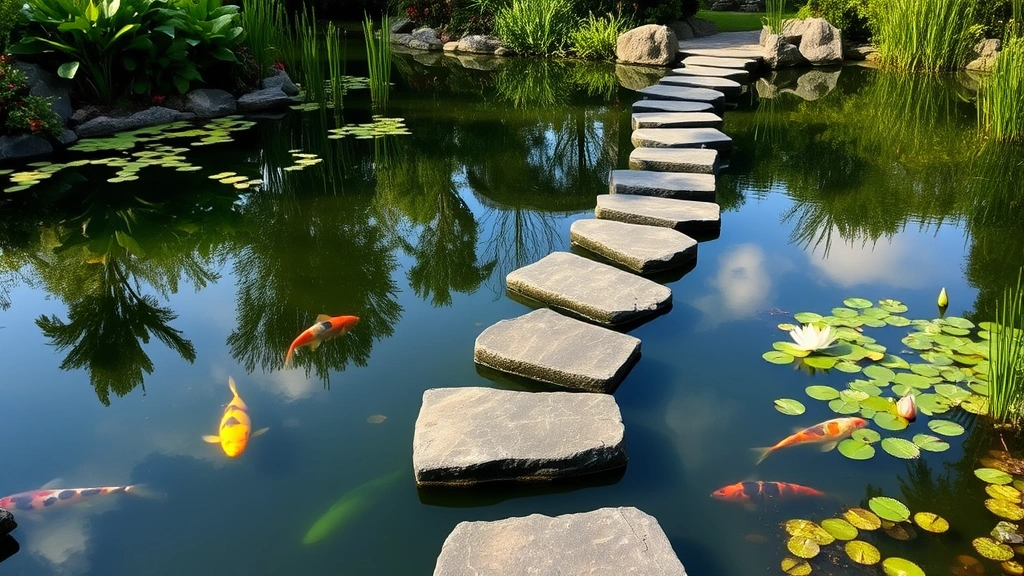
Ponds and Pools: Water surfaces create reflections that double visual interest and bring movement through ripples and wildlife. Ponds need not be large; even a 3-by-4-foot basin can support aquatic plants and attract birds. Consider placement where morning light creates sparkle and where you can view it from seating areas.
Streams and Rills: Moving water introduces sound and movement. A small recirculating stream or rill guides visitors through the garden while creating soothing auditory elements. Proper grading and waterproofing are essential for success.
Stone and Rock Work: Carefully selected stones represent mountains and permanence in Shanghai gardens. Placement should appear natural despite being intentional. Larger specimen rocks serve as focal points, while smaller stones create pathways and edges.
Pathways and Bridges: Winding pathways encourage exploration and slow movement through the space. Arched bridges over water features provide both function and poetic symbolism. Materials might include gravel, stepping stones, or wooden planks.
Pavilions and Seating: Small structures provide shelter, framing views, and spaces for contemplation. Even a simple bench positioned thoughtfully becomes a meditation spot. Ensure these structures feel proportionate to your space.
Before installing hardscape elements, ensure you understand proper soil preparation beneath pathways and structures to ensure stability and longevity.
Creating Harmony Through Layout
The spatial organization of your Shanghai garden determines how successfully you’ll achieve its philosophical goals. Begin by assessing your available space, existing features, and viewing angles.
Zoning and Progression: Divide your garden into distinct zones—perhaps an entry area, central gathering space, and retreat area. Create transitions between zones using plant groupings, changes in level, or architectural elements. This progression creates a sense of journey and discovery.
Focal Points: Establish primary focal points—a specimen tree, water feature, or sculptural element—that draw the eye and organize the composition. Secondary focal points provide interest along pathways and in peripheral views.
Sight Lines: Plan views carefully so that standing in one location, you see framed vistas of other garden areas. Hide the entire garden from any single vantage point to encourage exploration and maintain mystery.
Negative Space: Open areas are as important as planted areas. Uncluttered spaces allow the eye to rest and prevent the garden from feeling crowded. Resist the temptation to fill every square foot with plants or features.
Color and Texture Balance: While Shanghai gardens often emphasize green foliage, strategic color placement—flowering plums in spring, maple foliage in autumn—adds seasonal richness. Vary leaf textures from fine bamboo fronds to bold hosta leaves.
Seasonal Considerations
Classical Shanghai gardens offer interest throughout the year, with different seasons revealing new beauty. Plan your plant selections to ensure year-round appeal.
Spring: Cherry and plum blossoms signal renewal. Emerging ferns unfurl like green scrolls, and new bamboo shoots appear. Early bulbs provide subtle color. This season emphasizes growth and fresh energy.
Summer: Lush green foliage creates cool, shaded retreats. Water features become especially welcome, and flowering shrubs provide accent colors. Ornamental grasses begin their growth phase. This season celebrates abundance and vitality.
Autumn: Japanese maple foliage turns brilliant reds and oranges, while other trees shift to golden tones. Seed pods and berries add visual interest. Shorter days create different light angles that reveal new perspectives. This season emphasizes change and reflection.
Winter: Evergreen plants maintain structure and color when deciduous plants are bare. Branch architecture becomes visible and beautiful. Frost on plants and water features creates crystalline beauty. This season encourages contemplation and reveals the garden’s essential bones.
Maintenance and Care
Authentic Shanghai gardens require thoughtful maintenance that respects their philosophical principles while keeping plants healthy.
Pruning Philosophy: Rather than rigid formal pruning, use techniques that enhance natural form. Remove dead wood and crossing branches, thin dense growth to reveal structure, and guide wayward stems without creating artificial shapes. Pruning should appear as gentle guidance rather than harsh control.
Soil Management: Most plants in Shanghai gardens prefer well-draining soil rich in organic matter. Amend regularly with compost to maintain soil structure and fertility. Different plants have specific requirements—acid-loving plants like azaleas and camellias need different pH than others.
Water Management: Consistent moisture is crucial, especially for newly planted specimens. However, most plants prefer slightly drier conditions than soggy soil. Water features require regular maintenance to prevent algae and keep water circulating properly.
Pest and Disease Management: Healthy plants resist pests and diseases more effectively than stressed specimens. Monitor regularly for problems, addressing issues early with the gentlest effective methods. Often, removing affected leaves or branches resolves minor problems without chemical intervention.
Seasonal Tasks: Spring involves cleanup and new planting. Summer requires regular watering and deadheading. Autumn is ideal for planting and major pruning. Winter allows planning and structure assessment.
FAQ
Can I create a Shanghai garden in a small space?
Absolutely! Shanghai gardens excel in miniaturization. A balcony, small yard, or even a large container can embody Shanghai principles. Focus on quality over quantity, emphasizing one or two focal points and maintaining proper proportions for your space.
What’s the best climate for Shanghai gardens?
Shanghai gardens work in various climates by selecting appropriate plants. Temperate zones with distinct seasons are ideal, but gardeners in warmer or colder regions can adapt plant selections while maintaining design principles. Research locally hardy alternatives to traditional species.
Do I need a water feature for an authentic Shanghai garden?
While water is traditional, it’s not absolutely necessary. A carefully composed dry garden with stones, gravel, and plants can achieve Shanghai garden aesthetics. However, even a small water basin significantly enhances the experience.
How much maintenance does a Shanghai garden require?
Maintenance depends on complexity and plant selections. Simple gardens with low-maintenance plants require minimal care, while elaborate designs with multiple plant types need regular attention. Most require less maintenance than formal gardens because natural forms are encouraged.
What’s the best time to start a Shanghai garden?
Spring is ideal for most planting, but autumn works well in many climates. Begin planning and site preparation anytime. Start small and expand gradually as you gain experience and confidence with the principles.
Where can I learn more about Shanghai garden design?
Explore American Horticultural Society resources for garden design principles. The Oregon State University Extension offers specific plant recommendations for Asian-inspired gardens. Visit local botanical gardens with Asian collections to observe design principles firsthand. The United States Botanic Garden often features Asian garden displays. Research through USDA Forest Service resources for native plant alternatives.
Starting your Shanghai garden journey connects you to centuries of horticultural wisdom and philosophical tradition. Begin with observation—spend time in existing Asian gardens if possible, study photographs, and contemplate the principles that resonate with you. Then, implement changes gradually, allowing your garden to evolve naturally into a personal expression of these timeless design concepts. Visit our gardening blog for more design inspiration and seasonal guidance.