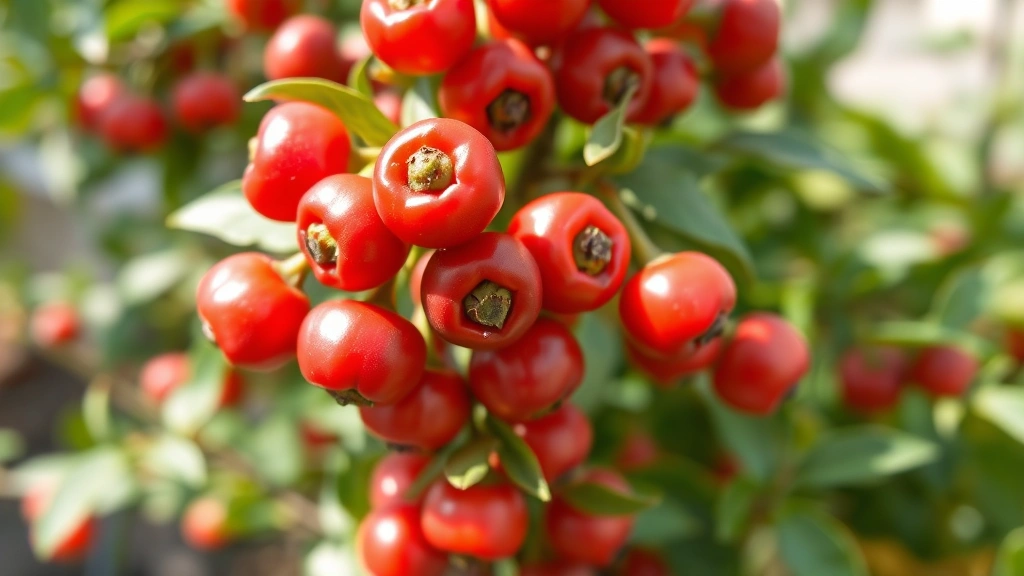
A Schezwan garden represents a bold fusion of culinary ambition and ornamental gardening, dedicated to growing the fiery peppers and complementary Asian ingredients that define Schezwan cuisine. Whether you’re a passionate cook seeking fresh, authentic flavors or a gardener eager to explore exotic cultivars, designing a Schezwan garden combines practical horticulture with cultural appreciation. This specialized garden focuses on heat-loving plants, particularly the distinctive Schezwan pepper (Zanthoxylum), along with supporting herbs and vegetables that create a complete culinary ecosystem right in your backyard.
The beauty of a Schezwan garden lies in its versatility and accessibility. Unlike traditional monoculture vegetable plots, this garden design celebrates diversity while maintaining a cohesive theme. You can adapt Schezwan gardening to virtually any climate, space constraint, or skill level—from sprawling in-ground beds to compact container arrangements on urban balconies. This guide explores expert strategies for creating a thriving Schezwan garden that delivers both aesthetic appeal and culinary rewards.

Understanding Schezwan Peppers and Key Plants
The foundation of any Schezwan garden begins with understanding the star ingredient: Zanthoxylum, commonly known as Schezwan pepper or Chinese pepper. This woody shrub produces small, round berries with a distinctive numbing sensation rather than simple heat. Unlike capsicum peppers that deliver burning spiciness, Schezwan peppers contain hydroxy-alpha sanshool, a compound that creates a tingling, almost electric sensation on the palate. Growing authentic Schezwan peppers requires patience and specific conditions, but the rewards justify the effort.
Beyond the primary pepper, a complete Schezwan garden incorporates complementary Asian herbs and vegetables. Consider including:
- Cilantro and parsley for fresh, citrusy notes that balance heat
- Garlic and ginger as foundational flavor bases requiring minimal maintenance
- Thai basil and Vietnamese coriander for authentic aromatic complexity
- Star anise and fennel if you’re expanding into medicinal and culinary experimentation
- Asian greens like bok choy and mizuna for textural variety
- Red chilies as supplementary heat sources and visual interest
Think of your Schezwan garden as an herb garden with personality. Each plant serves both practical culinary purposes and contributes to the overall garden ecosystem. The combination creates synergistic growing conditions—taller plants provide afternoon shade for heat-sensitive herbs, while aromatic plants naturally deter certain pests through their volatile compounds.
Choosing Your Garden Layout and Space
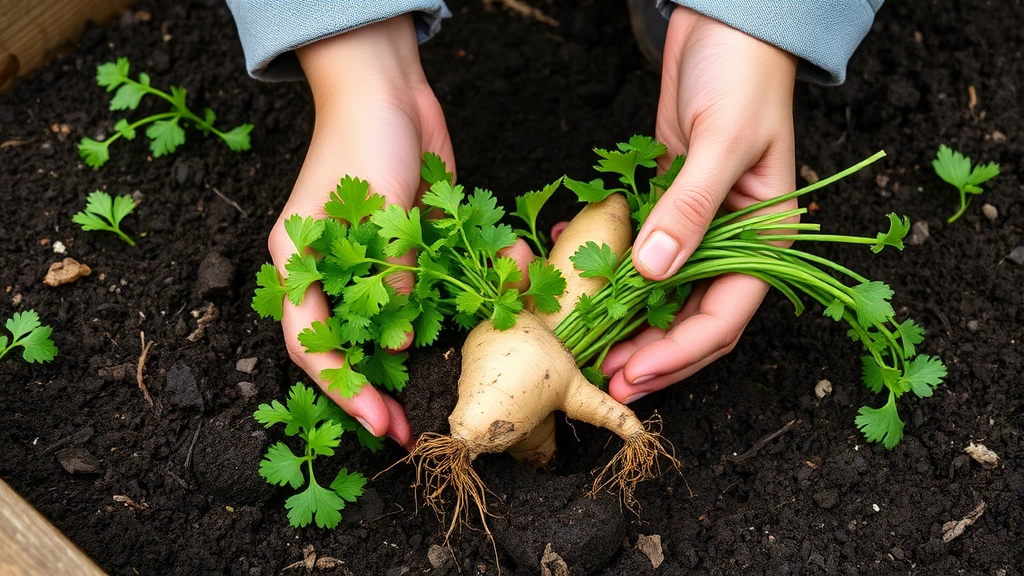
Space constraints shouldn’t discourage Schezwan gardening ambitions. Whether you’re working with a sprawling backyard or a modest balcony, strategic layout planning maximizes productivity and aesthetic appeal. The traditional approach involves constructing a raised garden bed, which offers superior drainage control, easier access, and cleaner separation from surrounding landscapes.
For larger spaces, consider a tiered arrangement:
- Back row (tallest plants): Schezwan pepper shrubs and garlic plants that can reach 4-6 feet
- Middle row (medium height): Thai basil, cilantro, and chili peppers at 2-3 feet
- Front row (low-growing): Vietnamese coriander, parsley, and creeping herbs at ground level
Container gardening offers exceptional flexibility for Schezwan gardens. Individual 5-gallon pots accommodate Schezwan peppers beautifully, while smaller 2-3 gallon containers work perfectly for herbs. This modular approach allows seasonal repositioning to optimize sunlight exposure and simplifies winter protection in colder climates. Group containers together to create a unified visual presentation while maintaining individual plant requirements.
If you’re integrating Schezwan gardening into existing landscape designs, consider the ornamental qualities beyond culinary value. Red chilies provide striking visual contrast, cilantro flowers attract beneficial pollinators, and mature Schezwan pepper shrubs develop attractive branching structures. This functional beauty makes Schezwan gardens suitable for front-facing locations or visible garden areas.
Soil Preparation and Amendments
Schezwan peppers and their companion plants demand well-draining, nutrient-rich soil that balances moisture retention with oxygen availability. Begin soil preparation 4-6 weeks before planting by testing pH levels—most Schezwan garden plants prefer slightly acidic to neutral soil (pH 6.0-7.0).
Optimal soil composition includes:
- 40% high-quality garden soil as your base foundation
- 30% compost providing slow-release nutrients and microbial communities
- 20% coconut coir or peat moss enhancing water retention without compaction
- 10% perlite or coarse sand ensuring drainage and root aeration
Incorporate organic matter deeply into existing soil—turn amendments 8-12 inches down to establish a comprehensive root environment. For raised beds, fill with this amended mixture to the brim, allowing natural settling over subsequent weeks. For container gardening, use commercial potting mix as your base, then amend with 25% additional compost to boost nutrient density.
Micronutrient availability often determines Schezwan garden success. These plants, particularly Zanthoxylum, respond positively to trace elements including magnesium, iron, and manganese. Consider adding kelp meal or fish emulsion during initial soil preparation to establish mineral reserves. Yearly compost applications maintain this nutrient bank without requiring synthetic fertilizers.
Climate and Seasonal Considerations
Schezwan peppers thrive in warm, subtropical conditions but tolerate wider climate ranges than many gardeners assume. These plants require:
- Minimum 6-8 hours of direct sunlight daily
- Temperatures consistently above 60°F, ideally 70-85°F during growing season
- Protection from frost and freezing temperatures
- Humidity levels between 50-70% for optimal growth
In cooler climates, start Schezwan peppers indoors 8-10 weeks before your last spring frost date. Use seed trays with bottom heat (70-75°F) to encourage germination, typically occurring within 2-3 weeks. Transplant seedlings into individual containers once they develop true leaves, gradually acclimating them to outdoor conditions through hardening off over 7-10 days.
Seasonal timing dramatically impacts Schezwan garden success. Early spring planting allows maximum growing season before autumn temperature drops. In warm climates, fall planting enables winter harvesting when plants often produce more robustly. Southern gardeners can maintain Schezwan peppers as perennial shrubs, harvesting continuously over multiple seasons.
Companion herbs follow different seasonal rhythms. Cool-season crops like cilantro and parsley prefer spring and fall conditions, often bolting during peak summer heat. Plan succession plantings—seed cilantro every 3 weeks from early spring through mid-summer for continuous harvests. This staggered approach ensures fresh herbs throughout the growing season while adapting to natural temperature fluctuations.
Planting and Spacing Guidelines
Proper spacing prevents competition and disease while maximizing airflow around foliage. Schezwan pepper plants require 24-36 inches between individuals to accommodate mature shrub development. Herb plants need 12-18 inches depending on variety—cilantro can be planted more densely since you’ll harvest frequently, while ginger requires generous spacing for rhizome development.
Planting depth matters significantly. Schezwan pepper seedlings should be buried at the same depth they grew in nursery containers—avoid planting deeper, which invites crown rot. Herb seedlings similarly prefer shallow planting unless you’re establishing root systems for long-term perennials. Ginger and garlic, conversely, require 2-3 inches of soil coverage for proper development.
Create visual interest by varying planting patterns. Instead of rigid rows, arrange plants in triangular groupings or curved lines that enhance landscape aesthetics. This informal arrangement also facilitates pest management by making individual plant inspection easier and reducing pest pathways through the garden.
Mulching after planting provides multiple benefits—temperature regulation, moisture conservation, weed suppression, and organic matter gradual decomposition. Apply 2-3 inches of mulch around plants, maintaining a 2-inch clearance from stems to prevent stem rot. Straw, shredded leaves, or wood chips all work effectively, with straw being ideal for herb gardens since it breaks down quickly and doesn’t harbor persistent pests.
Irrigation and Water Management
Schezwan gardens require consistent moisture without waterlogging. These plants develop rot quickly in soggy conditions but suffer stress when soil dries completely. The ideal approach involves maintaining soil moisture at 60-70% capacity—moist but not saturated.
Irrigation frequency depends on multiple variables:
- Climate and temperature: Hot, dry conditions require more frequent watering
- Soil composition: Sandy soils dry faster than clay-heavy mixtures
- Plant maturity: Established shrubs tolerate drying better than young seedlings
- Mulch coverage: Adequate mulch reduces evaporation significantly
- Container vs. in-ground: Containers dry much faster and require daily attention during heat
Water deeply and thoroughly rather than frequent shallow watering. This approach encourages deep root development and improves plant resilience during drought stress. Morning watering allows foliage to dry quickly, reducing fungal disease risk. Drip irrigation or soaker hoses deliver water directly to root zones, minimizing foliar wetness while improving efficiency compared to overhead sprinklers.
Container gardens require more vigilant monitoring. Check soil moisture daily during hot weather—containers may need watering twice daily in peak summer. Use your finger to test soil depth: if the top inch feels dry, water thoroughly until it drains from drainage holes. This regular contact helps you understand individual plant needs and catch problems early.
Reduce watering frequency during winter or dormant periods. Schezwan peppers entering dormancy require significantly less moisture. Herbs like cilantro slow growth during heat or cold stress, similarly reducing water demands. Adjust irrigation schedules seasonally to match plant physiology rather than maintaining rigid year-round routines.
Pest and Disease Management
Schezwan gardens attract common pests including spider mites, aphids, whiteflies, and occasionally scale insects. These pests weaken plants and reduce productivity, but organic management strategies prove highly effective when implemented consistently.
Prevention forms your first defense:
- Inspect plants weekly for early pest detection before populations explode
- Maintain plant vigor through proper nutrition and watering—stressed plants attract pests
- Encourage beneficial insects like ladybugs and parasitic wasps by planting flowering herbs
- Practice companion planting with aromatic herbs that naturally repel pests
- Isolate infested plants immediately to prevent pest migration
For active infestations, spray affected foliage with neem oil or insecticidal soap, repeating every 7-10 days until populations decline. These organic treatments disrupt pest life cycles without harming beneficial insects or contaminating edible plants. Always apply treatments in early morning or evening when pollinators are inactive.
Fungal diseases including powdery mildew and leaf spot commonly affect humid Schezwan gardens. Improve air circulation through strategic pruning, space plants adequately, and water at soil level rather than overhead. If fungal issues persist, apply sulfur dust or potassium bicarbonate fungicides specifically labeled for edible gardens. Remove severely affected foliage and dispose of diseased material away from the garden.
Bacterial diseases like bacterial spot cause dark lesions on leaves and fruit but rarely kill established plants. Remove affected foliage, improve sanitation by sterilizing pruning tools between cuts, and avoid overhead watering. These measures typically prevent disease spread while maintaining garden productivity.
Harvesting and Preservation Techniques
Timing harvests correctly maximizes flavor and ensures plant productivity. Schezwan pepper berries reach peak potency when they transition from green to reddish-brown, typically 4-5 months after flowering. These berries dry beautifully for long-term storage—simply hang bundles in a warm, dry location for 2-3 weeks until completely desiccated. Store dried Schezwan peppers in airtight containers away from light and heat, maintaining quality for 12+ months.
Fresh herbs require daily or every-other-day harvesting for optimal flavor. Cilantro tastes most vibrant in early morning after dew dries but before afternoon heat. Pinch leaves from the outer stems, encouraging bushier growth from the plant center. This frequent harvesting extends productive seasons by preventing premature bolting.
Ginger and garlic represent long-term investments harvested only once annually. Garlic matures 7-8 months after planting when foliage yellows and begins drying. Dig carefully to avoid damaging bulbs, cure in a warm, well-ventilated space for 2-3 weeks, then store in cool conditions. Ginger similarly requires 8-10 months maturation before harvesting rhizomes in late autumn.
Preserve fresh herbs through multiple methods:
- Freezing: Blend herbs with water or oil in ice cube trays for convenient portions
- Drying: Hang-dry bundles in warm, dark spaces for traditional preservation
- Infusions: Create herb-infused oils or vinegars capturing fresh flavors year-round
- Pesto: Process fresh herbs with oils and nuts, freezing in containers for winter cooking
Consider integrating your Schezwan garden with cut flower garden practices by harvesting cilantro flowers and herb blossoms for culinary use. These delicate elements add sophistication to plating while utilizing the entire plant. Some gardeners create flower arrangements combining edible blooms with ornamental elements, celebrating the culinary garden’s aesthetic dimensions.
FAQ
Can I grow Schezwan peppers in containers year-round?
Yes, container cultivation works excellently for Schezwan peppers. Use 5-gallon minimum containers with quality potting soil, ensuring drainage holes. In cold climates, bring containers indoors during winter or provide cold frame protection. Container plants typically produce 3-5 years before declining productivity.
How long until my Schezwan pepper plants produce berries?
From seed, expect 2-3 years before substantial berry production. First-year plants focus energy on root and stem development. Second-year plants flower and produce modest crops. By year three, established shrubs deliver abundant harvests, continuing for many subsequent seasons.
What’s the difference between Schezwan pepper and regular chili peppers?
Schezwan peppers (Zanthoxylum) create numbing sensations through hydroxy-alpha sanshool compounds, while chili peppers (Capsicum) deliver burning heat from capsaicin. Both add complexity to Asian cuisine but create distinctly different sensory experiences. Many Schezwan gardens include both for complementary flavor profiles.
Can I propagate Schezwan pepper plants from cuttings?
Propagation from semi-hardwood cuttings works, though success rates typically remain below 50%. Take 4-6 inch cuttings from new growth, treat with rooting hormone, and maintain high humidity in a propagation chamber. Seed propagation, while slower, achieves higher success rates and produces vigorous plants.
How do I overwinter my Schezwan garden in cold climates?
In zones below 8, grow Schezwan peppers in containers for easy indoor relocation. Bring plants inside before first frost, placing in bright, warm locations. Reduce watering significantly during dormancy. Alternatively, mulch heavily around in-ground plants and cover with frost cloth during freezing temperatures, though winter survival isn’t guaranteed.
Which herbs complement Schezwan peppers best?
Cilantro, Thai basil, and ginger create classic Schezwan flavor combinations. Vietnamese coriander adds peppery notes, while garlic provides aromatic foundation. Star anise and fennel introduce subtle licorice elements. Experiment with combinations reflecting your favorite Asian cuisines.
Do Schezwan pepper plants need fertilizer?
Initial soil preparation with compost provides substantial nutrients for first-season growth. Thereafter, apply balanced organic fertilizer monthly during growing season, or use fish emulsion every 2-3 weeks for more frequent feeding. Reduce fertilization as plants mature—excessive nitrogen promotes foliage at the expense of berry production.


