

How to Create a Rose Garden: Expert Advice
Creating a rose garden transforms your outdoor space into a fragrant sanctuary of color and elegance. Whether you’re a seasoned gardener or a beginner, roses offer an incredible reward for thoughtful planning and consistent care. A well-designed rose garden can become your personal retreat—imagine enjoying morning coffee in your rose garden cafe setting, surrounded by blooming beauties in shades of crimson, blush, and golden yellow.
The journey to cultivating thriving roses begins with understanding their fundamental needs: proper sunlight, well-draining soil, adequate air circulation, and regular maintenance. This comprehensive guide walks you through every step of creating a stunning rose garden that will captivate your senses and impress visitors throughout the growing season.
Choosing the Perfect Location
Location is absolutely critical to rose garden success. Roses demand a minimum of six hours of direct sunlight daily—ideally eight to ten hours for optimal blooming and disease prevention. Morning sunlight is particularly valuable because it dries dew from leaves, reducing fungal disease susceptibility. Select an area where your roses receive early morning sun exposure if possible.
Assess your garden’s air circulation patterns. Stagnant air promotes powdery mildew and black spot diseases that plague roses. Avoid planting in low-lying areas where cold air settles or where buildings and fences trap moisture. Consider proximity to water sources for convenient irrigation, and think about sight lines—you’ll want to enjoy your rose garden from indoor windows and outdoor seating areas.
Slope and drainage matter significantly. Roses despise waterlogged roots, so slightly elevated or sloped terrain works better than flat areas prone to puddles. If your yard is predominantly flat, constructing a raised garden bed provides excellent drainage control and aesthetic appeal.
Selecting Rose Varieties
Modern rose classifications offer options for every gardener. Hybrid tea roses produce large, perfect blooms ideal for cutting and display. Floribunda roses offer prolific flowering in clusters, providing continuous color from summer through frost. Shrub roses deliver hardiness and disease resistance with minimal fussing. English roses combine old-fashioned charm with modern disease tolerance and repeat blooming.
Consider your climate zone when selecting varieties. USDA Plant Hardiness Zones guide variety selection for winter survival. Knock Out roses, David Austin English roses, and Canadian Parkland roses demonstrate exceptional cold hardiness. In warmer climates, explore heat-tolerant varieties like Knock Out, Drift roses, and rugosa hybrids.
Color coordination creates visual harmony. Plan your palette before purchasing—monochromatic gardens using varying shades of one color feel sophisticated, while complementary colors (red and yellow, pink and purple) create vibrant energy. Think about how your roses will complement existing small evergreen garden plants and perennials in your landscape design.
Preparing Your Soil
Roses are heavy feeders requiring rich, well-draining soil with pH between 6.0 and 6.5. Begin soil preparation at least four weeks before planting. Conduct a soil test through your local Master Gardener Program to determine nutrient levels and pH.
Amend heavy clay soils by incorporating two to three inches of compost, aged manure, or peat moss into the top eight inches of soil. This improves drainage and aeration—critical for preventing root rot. Sandy soils benefit from organic matter additions that increase water retention. Aim for soil that’s crumbly and rich, with excellent drainage but adequate moisture-holding capacity.
Create planting holes substantially larger than root balls—at least twice as wide and equally deep. This loosened soil allows roots to establish quickly. Mix excavated soil with compost and aged manure, creating a nutrient-rich medium for transplants. A slow-release rose fertilizer incorporated at planting time provides sustained nutrition during establishment.
Planting Techniques
Bare-root roses arrive dormant during late winter and early spring. Soak roots in water for 12 to 24 hours before planting, rehydrating tissues after shipping stress. Create a cone of soil in the planting hole, spreading roots over it in a natural pattern. The bud union—where the rose variety is grafted onto rootstock—should sit at ground level in cold climates and one to two inches below soil surface in warm regions.
Container roses can be planted throughout the growing season. Gently remove the rose from its pot, carefully loosening the root ball. Plant at the same depth it occupied in the container. Backfill with amended soil, firming gently to eliminate air pockets. Water thoroughly immediately after planting to settle soil and eliminate air gaps around roots.
Space roses according to mature width—typically 24 to 36 inches apart depending on variety. Crowding reduces air circulation and invites disease. After planting, apply two to three inches of mulch around the base, keeping mulch one inch away from the stem to prevent rot. Consider gardening with native plants nearby to create beneficial insect habitat that supports rose pollination and natural pest control.

Watering and Feeding
Establish consistent watering practices from the beginning. Roses need approximately one inch of water weekly, delivered through deep, infrequent watering rather than daily sprinkling. Water at soil level early in the morning, avoiding wetting foliage which promotes fungal diseases. Drip irrigation systems or soaker hoses deliver water efficiently directly to roots.
During establishment (first four to six weeks), water more frequently to encourage root development. Once established, water deeply but less frequently, encouraging deep root systems that access moisture during dry spells. Container roses need more frequent watering than in-ground plantings.
Begin fertilizing after new growth appears in spring. Use rose-specific fertilizers formulated with balanced nutrients (nitrogen, phosphorus, and potassium) plus micronutrients roses require. Follow package directions carefully—over-fertilizing causes excessive foliage at the expense of blooms and increases disease susceptibility. Cease fertilizing six weeks before your first frost date to harden plants for winter dormancy.
Pruning and Maintenance
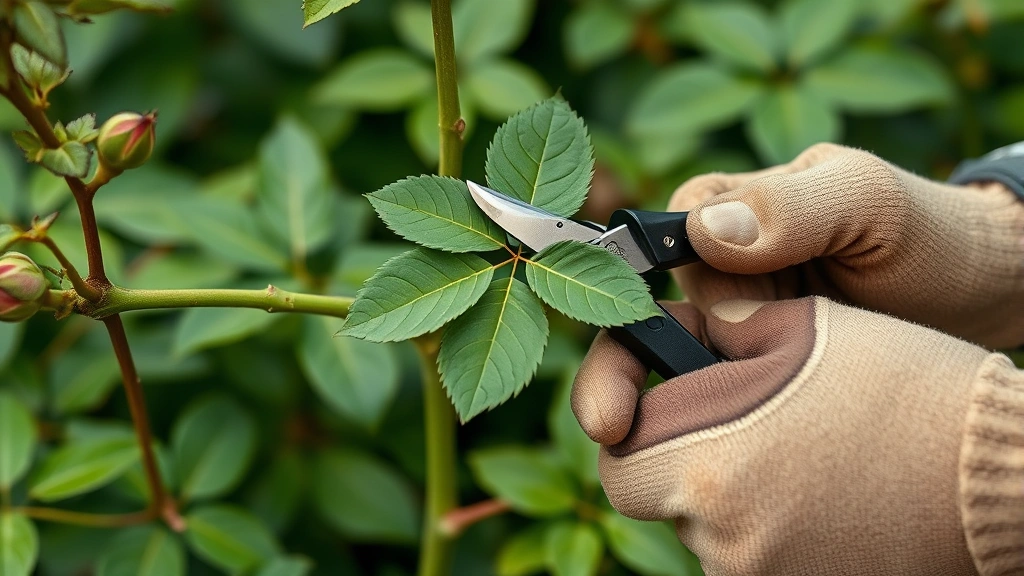
Proper pruning shapes plants, encourages blooming, and maintains vigor. In spring, prune roses back by one-third to one-half, removing dead, diseased, or crossing canes. Use sharp bypass pruners for clean cuts, making cuts at 45-degree angles one-quarter inch above outward-facing buds. Remove thin, weak growth thinner than a pencil.
Throughout the growing season, deadhead spent blooms by cutting just above the first five-leaflet leaf facing outward. This redirects plant energy into new flower production rather than seed development. Remove any foliage showing disease symptoms immediately.
Summer pruning should be lighter than spring pruning. Remove crossing or congested growth and maintain desired shape. In fall, avoid heavy pruning which stimulates tender new growth vulnerable to frost. Simply remove dead or diseased material and spent flowers.
Invest in quality garden gloves for protection from thorns during pruning and maintenance work. Thorns can harbor bacteria and fungi, so keep pruning tools clean and disinfected between cuts, especially when moving between diseased and healthy plants.
Managing Pests and Diseases
Roses attract several common pests including aphids, spider mites, and Japanese beetles. Monitor plants regularly, inspecting leaf undersides for pest populations. Spray aphids and spider mites with strong water streams or insecticidal soap. Japanese beetles respond to hand-picking in early morning hours when they’re sluggish, or deploy Japanese beetle traps away from roses to avoid attracting more pests.
Powdery mildew appears as white coating on leaves, particularly in humid conditions. Black spot causes dark lesions on foliage. Both diseases are prevented through good air circulation, morning watering at soil level, and removing infected leaves promptly. Sulfur dust or fungicide sprays manage established infections—apply preventively in humid climates.
Botrytis blight affects blooms in cool, wet conditions. Remove infected flowers immediately. Rust diseases appear as orange pustules on leaf undersides. Remove affected foliage and improve air circulation. Most rose diseases are prevented through cultural practices: proper spacing, morning watering, removing fallen leaves, and selecting disease-resistant varieties.
Seasonal Care Guide
Spring: As temperatures warm and new growth emerges, prune roses to shape and remove winter damage. Begin fertilizing and establish regular watering schedules. Watch for early pest populations and diseases. Refresh mulch layers if decomposed.
Summer: Maintain consistent watering, especially during heat waves. Continue deadheading for continuous blooms. Monitor for pests and diseases, treating problems promptly. Provide afternoon shade in extremely hot climates (over 95°F) to prevent petal scorching.
Fall: Gradually reduce fertilizing six weeks before your first frost date. Continue deadheading to encourage late-season blooms. Avoid heavy pruning that stimulates tender new growth. Allow hips to form on some roses as days shorten, signaling dormancy.
Winter: In cold climates, mound soil or mulch around rose bases for protection. In moderate climates, little winter care is needed. Remove any fallen leaves and debris that harbor disease spores. Prune only to remove dead or diseased growth.
FAQ
What’s the best time to plant roses?
Bare-root roses are planted in late winter or early spring while dormant. Container roses can be planted spring through fall, though spring and fall planting allows better establishment before summer heat or winter cold. Avoid planting during extreme temperature stress.
How often should I prune my roses?
Spring pruning is the major annual pruning. Summer deadheading of spent blooms is ongoing maintenance. Fall pruning should be minimal. Winter pruning involves only removing dead or damaged canes. Frequency depends on variety and growing conditions.
Can I grow roses in containers?
Yes! Select compact varieties, use large containers (at least 18 inches diameter), fill with quality potting soil, and water more frequently than in-ground roses. Container roses work beautifully for creating that rose garden cafe atmosphere on patios and decks.
Why are my roses not blooming?
Insufficient sunlight is the most common cause—roses need at least six to eight hours daily. Overfeeding nitrogen promotes foliage over blooms. Improper pruning technique, disease stress, or pest damage also reduces flowering. Evaluate light, adjust fertilizer ratios toward phosphorus, and address any health issues.
How do I protect roses from winter damage?
In cold climates, mound eight to twelve inches of mulch around rose bases in late fall after ground freezes. Remove mulch gradually in spring as temperatures warm. Alternatively, extension services recommend selecting cold-hardy varieties like Canadian Parkland roses requiring minimal winter protection.
What companion plants grow well with roses?
Lavender, catmint, salvia, and ornamental grasses complement roses beautifully while improving air circulation. Low-growing perennials like dianthus and veronica provide color without competing for space. Similar to calla lily grow a garden companions, roses benefit from strategic understory planting that creates layered landscapes.