
Red Butte Garden Concerts: A Local’s Complete Guide to Utah’s Premier Garden Venue
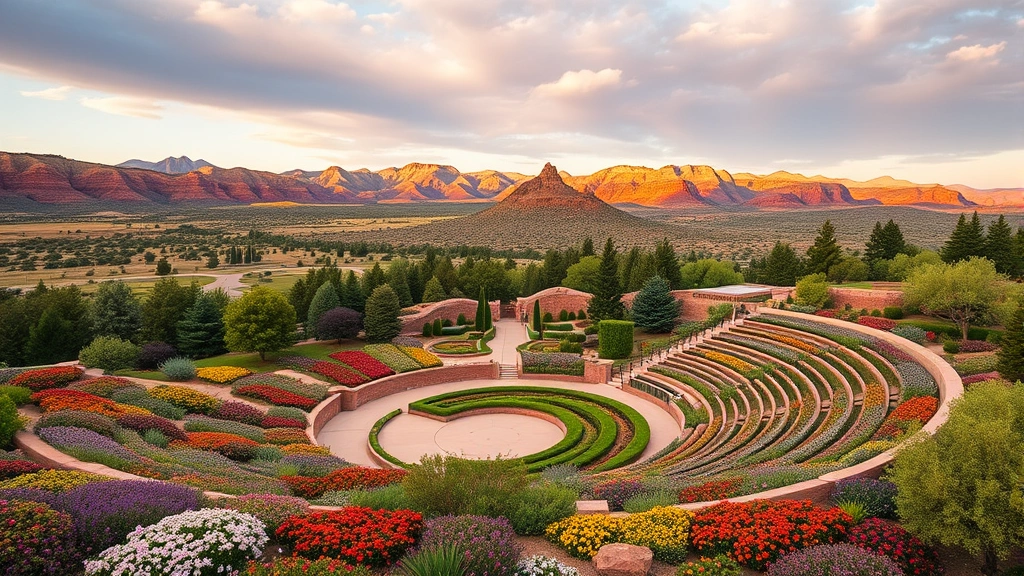
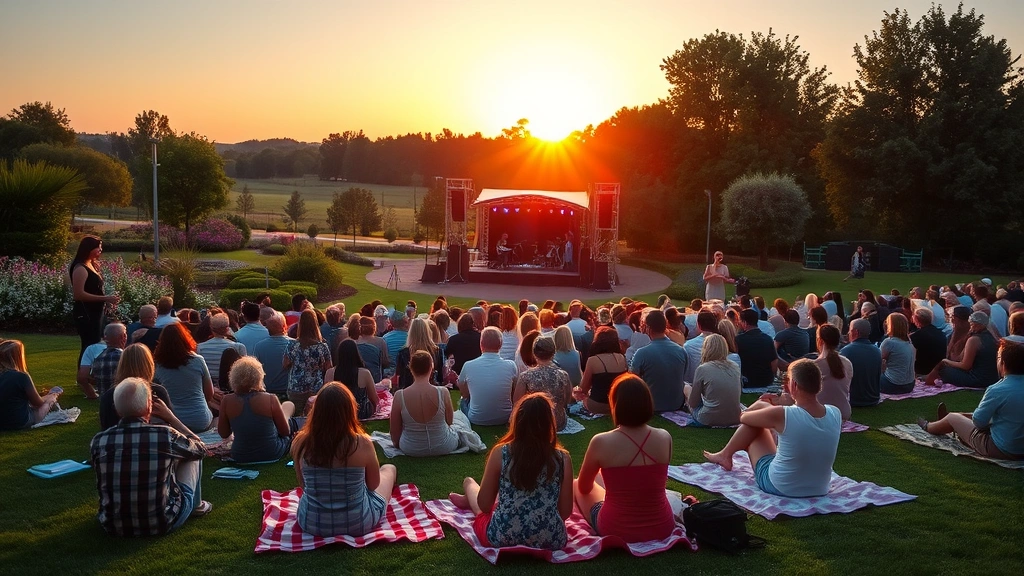
Red Butte Garden, nestled on the eastern foothills of Salt Lake City, has become one of Utah’s most beloved outdoor entertainment destinations. The garden’s summer concert series transforms the lush botanical landscape into an enchanting venue where music, nature, and community converge. Whether you’re a longtime attendee or planning your first visit, understanding what makes Red Butte Garden concerts special requires exploring the venue itself, its horticultural significance, and the practical details that enhance your experience.
The garden spans 100 acres of beautifully cultivated landscapes, featuring native and adapted plants that thrive in Utah’s semi-arid climate. Beyond being a concert venue, Red Butte Garden serves as a living laboratory for plant enthusiasts, gardeners, and nature lovers. The garden’s design showcases how to create stunning outdoor spaces while respecting environmental constraints—lessons that apply whether you’re designing a cut flower garden or planning your own backyard landscape.
About Red Butte Garden and Its History
Red Butte Garden emerged from the University of Utah’s desire to create a botanical garden that celebrates Utah’s unique flora while providing educational and recreational opportunities. The garden opened to the public in 1983 and has grown into a regional treasure. Its location on the university’s campus provides both accessibility and a scholarly approach to horticulture and plant science.
The garden’s name derives from the distinctive red-hued butte that rises prominently on its eastern boundary, a geological feature that influences the garden’s microclimate and aesthetic character. This elevation gain creates varied growing zones throughout the 100 acres, allowing the garden to showcase diverse plant communities. The architectural design incorporates natural topography rather than fighting against it—a principle every gardener should embrace when working with their own landscape.
Red Butte Garden’s mission extends beyond entertainment. The facility functions as a research institution studying plant adaptation, water conservation, and sustainable landscaping practices. This horticultural foundation makes the concert experience unique; you’re literally surrounded by living examples of botanical excellence, from native wildflower meadows to carefully curated perennial borders.
Concert Season Overview and Schedule
The Red Butte Garden concert series typically runs from May through October, taking advantage of Utah’s warm summer evenings and clear skies. The season features an eclectic mix of musical genres, including rock, pop, folk, jazz, classical, and world music. This diversity ensures that visitors with varying musical tastes find performances that appeal to them.
Concert scheduling considers Utah’s seasonal rhythms. Early season performances (May-June) coincide with peak spring blooms throughout the garden, while mid-summer shows occur during the most vibrant growing season. Late-season concerts (September-October) offer the bonus of fall color transitions and cooler evening temperatures. Each season brings different botanical displays, making multiple visits rewarding for both music and garden enthusiasts.
Tickets typically sell through the Red Butte Garden website and major ticket vendors. Popular performances, particularly those featuring established artists, sell out weeks in advance. The venue accommodates approximately 8,000 guests, making it intimate enough for connection with performers while substantial enough to attract major touring acts.
Planning Your Visit: Practical Information
Successfully enjoying Red Butte Garden concerts requires advance planning. The venue sits at 5,200 feet elevation on Salt Lake City’s eastern bench, meaning weather can shift dramatically, especially in spring and fall. Bring layers regardless of season, as evening temperatures often drop significantly from afternoon highs.
Parking and Access: The garden provides ample parking, though popular concerts require arriving early to secure convenient spots. Consider using public transportation if available, as parking can fill during peak performances. The main entrance offers accessibility accommodations for visitors with mobility challenges.
What to Bring: Pack blankets or lawn chairs for seating on the lawn-style amphitheater. Sunscreen and hats protect against intense high-altitude UV exposure. Reusable water bottles keep you hydrated throughout the evening. The garden permits outside food and non-alcoholic beverages, though vendors also offer concessions.
Prohibited Items: Glass containers, alcoholic beverages, and pets (except service animals) are not permitted. Recording devices and professional cameras may face restrictions depending on licensing agreements with performers.
Arriving 30-45 minutes before show time allows time to explore the garden, locate your preferred seating area, and adjust to the venue’s unique acoustics. The natural amphitheater setting creates surprisingly excellent sound quality despite the outdoor environment.
The Garden’s Plant Collections and Botanical Features
Red Butte Garden’s botanical collections represent one of the region’s most comprehensive assemblies of adapted plants. Understanding these collections enhances your concert experience and provides inspiration for your own gardening projects.
Native Plant Communities: The garden maintains extensive native plant sections showcasing Utah’s diverse ecosystems. From high-altitude woodland species to semi-arid shrubland plants, these collections demonstrate what thrives naturally in the Intermountain West. If you’re interested in sustainable landscaping, these sections provide invaluable reference material for selecting plants that require minimal supplemental water and maintenance once established.
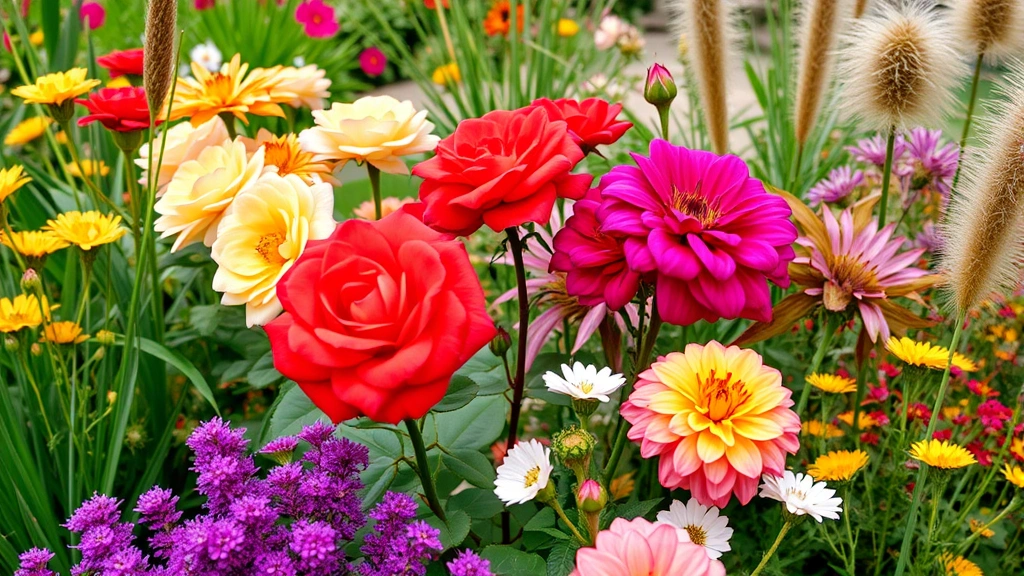
Rose Garden: The garden’s rose collection features hundreds of varieties, from heirloom specimens to modern cultivars. The rose garden typically peaks in bloom during June, creating stunning backdrops for early-season concerts. The fragrance and visual splendor of thousands of blooms in full flower transforms the concert experience into a multisensory event.
Perennial Borders: Extensive perennial plantings showcase color combinations and seasonal succession. These borders demonstrate how to create cut flower garden worthy displays while maintaining landscape interest throughout the season. The garden’s horticultural staff uses these borders as living classrooms, teaching principles of color theory, bloom time sequencing, and plant combination design.
Fruit and Vegetable Collections: The garden maintains demonstration areas featuring fruit trees, berry bushes, and vegetable gardens adapted to Utah’s climate. Even concert attendees interested in practical food production find these sections valuable. The garden showcases how to grow blueberries in containers and other productive plants within ornamental landscapes.
Shade and Woodland Gardens: The garden’s upper elevations feature shaded woodland plantings adapted to the cool, moist microclimates created by coniferous forest. These sections showcase shade-tolerant perennials, ferns, and groundcovers—valuable information for gardeners working in similar conditions.
Water-Wise Landscapes: Given Utah’s semi-arid climate and ongoing water conservation concerns, the garden dedicates significant acreage to demonstrating xeriscape principles. These sections feature drought-tolerant shrubs, ornamental grasses, and perennials that maintain visual interest while minimizing water requirements. The garden proves that water-conscious landscaping need not sacrifice beauty or biodiversity.
Tips for Enjoying Concerts in the Garden Setting
Maximizing your Red Butte Garden concert experience involves understanding how to work with—rather than against—the outdoor setting.
Arrive Early for Garden Exploration: Most venues open gates 1-2 hours before performances. Use this time to wander the garden, locate rest facilities, and acclimate to the venue. Early arrival also provides optimal photography opportunities before crowds arrive and as lighting conditions remain favorable.
Understand Acoustic Characteristics: The natural amphitheater setting creates unique sound properties. The lawn areas near the front offer excellent acoustics, while elevated seating areas provide good sound despite greater distance. Test the acoustics by arriving early and moving around before settling into your chosen spot.
Embrace the Seasonal Botany: Use concert intermissions to observe what’s blooming. Spring concerts feature fresh perennial growth and flowering bulbs. Summer shows occur amid peak bloom and lush foliage. Fall performances showcase color transitions and late-season bloomers. Winter concerts (if held) highlight evergreen structure and architectural interest of dormant plants.
Practice Garden Etiquette: Stay on designated paths to protect plantings. Avoid picking flowers or removing plant material. Respect other visitors’ space and minimize light pollution from phones and cameras. These practices preserve the garden for all visitors and protect the horticultural collections.
Consider Lighting and Photography: Bring minimal lighting devices if planning to stay late. The garden’s minimal artificial lighting preserves the natural ambiance but means you’ll need flashlights or headlamps for safe navigation after dark. Many visitors appreciate the opportunity to disconnect from devices and simply experience live music and natural surroundings.
Seasonal Considerations and Best Times to Visit
Spring (May-June): Early season concerts coincide with peak spring blooms. Temperatures are mild but variable; bring layers. Daylight extends late into evening, providing extended twilight. Spring performances offer the bonus of experiencing the garden at peak horticultural beauty.
Summer (July-August): Mid-summer concerts occur during peak bloom and lush growth. Evening temperatures remain warm, though afternoon heat can be intense at this elevation. Summer is peak concert season with the most extensive programming. The garden’s water features and shade areas provide relief from daytime heat, making afternoon garden exploration pleasant before evening concerts.
Fall (September-October): Late-season concerts feature cooling temperatures and changing foliage colors. Days shorten noticeably, creating earlier sunset times. Fall weather is generally stable and comfortable. The garden displays autumn color from deciduous trees and late-season bloomers like asters and mums. Fall represents an excellent time for planning your own garden decor and landscape improvements based on inspiration from the garden’s displays.
Weather Preparedness: Utah’s weather can change rapidly, particularly in spring and fall. Check forecasts before attending, and bring rain protection even if clear skies are predicted. Evening temperature drops are predictable; dress warmly regardless of daytime conditions. High altitude sun exposure is intense; sunscreen and hats are essential even on cloudy days.
Beyond Concerts: Garden Exploration and Events
Red Butte Garden offers extensive programming beyond the concert series. Many visitors purchase season passes and visit multiple times throughout the year, exploring different sections and observing seasonal changes.
Educational Workshops: The garden hosts regular workshops on gardening topics, plant identification, landscape design, and horticultural techniques. These programs provide valuable information for improving your own gardening practices, from indoor herb garden cultivation to advanced perennial design.
Seasonal Events: Beyond concerts, the garden hosts spring plant sales, summer educational series, fall festivals, and holiday celebrations. These events offer opportunities to purchase plants from the garden’s collections, take specialized classes, and connect with other gardening enthusiasts.
Membership Benefits: Annual memberships provide unlimited garden access, discounts on programs, and exclusive member events. For frequent visitors, membership quickly becomes cost-effective while supporting the garden’s mission of education and conservation.
Wedding and Event Venues: The garden’s stunning landscapes make it a popular wedding and special event venue. Even if not planning an event there, visiting during wedding season (late spring and early summer) provides inspiration for creating beautiful outdoor spaces, from flower arranging tips to landscape design principles.
Conservation and Research: The garden actively participates in plant conservation efforts, particularly for native species and plants adapted to semi-arid climates. Supporting the garden through attendance and memberships contributes to ongoing horticultural research and plant preservation efforts.
FAQ
What is the best time to arrive for Red Butte Garden concerts?
Arrive 1-2 hours early to explore the garden, locate seating, and acclimate to the venue. This timing allows you to experience the botanical collections and avoid last-minute rushing. For popular performances, arriving even earlier ensures optimal seating choices.
Can I bring outside food to Red Butte Garden concerts?
Yes, the garden permits outside food and non-alcoholic beverages. Pack a picnic to enhance your experience, though the garden also offers concession options. Consider bringing foods that travel well and don’t require utensils for easier consumption during performances.
What should I wear to a Red Butte Garden concert?
Dress in layers regardless of season. Bring sunscreen, a hat, and closed-toe shoes suitable for walking on uneven terrain. Even warm days result in cool evenings at this elevation. Bring a light jacket or sweater that you can easily remove if temperatures rise.
Are pets allowed at Red Butte Garden concerts?
Only service animals are permitted. This policy protects the garden’s plants and ensures all visitors can enjoy concerts without concerns about loose pets. Plan for pet care before attending performances.
How early do concerts typically sell out?
Popular performances sell out weeks in advance, sometimes within days of ticket release. Subscribe to the garden’s mailing list to receive early notification of ticket sales. Less prominent acts may remain available closer to performance dates.
Can I visit the garden before the concert?
Yes, most concerts allow garden exploration during the hours preceding performances. The garden typically opens gates 1-2 hours before show time. Bring comfortable walking shoes and plan your route to see priority areas before finding your concert seating.
What is the garden’s elevation and how does it affect the experience?
Red Butte Garden sits at approximately 5,200 feet elevation. This creates cooler evening temperatures, intense UV exposure, and potentially affects visitors unaccustomed to altitude. Drink extra water, apply sunscreen generously, and dress warmly for evening events.
Does Red Butte Garden offer wheelchair accessibility?
The garden provides accessible parking and pathways for mobility-limited visitors. Contact the garden directly regarding specific accessibility accommodations for concerts, as seating arrangements may vary by performance.
What plants should I grow to recreate Red Butte Garden’s aesthetic?
Select plants demonstrated in the garden’s collections: native species adapted to semi-arid climates, drought-tolerant perennials, ornamental grasses, and shade-tolerant woodland plants. The garden’s displays provide living examples of successful combinations and cultural requirements. For specific recommendations, attend the garden’s workshops or consult with Utah State University Extension for region-specific plant suggestions.
Are there resources for learning more about the garden’s plants?
The garden offers interpretive signage throughout, educational programs, and a website with plant information. Red Butte Garden provides detailed plant guides. Additionally, native plant societies and the American Horticultural Society offer resources for growing Utah-adapted plants in home landscapes.