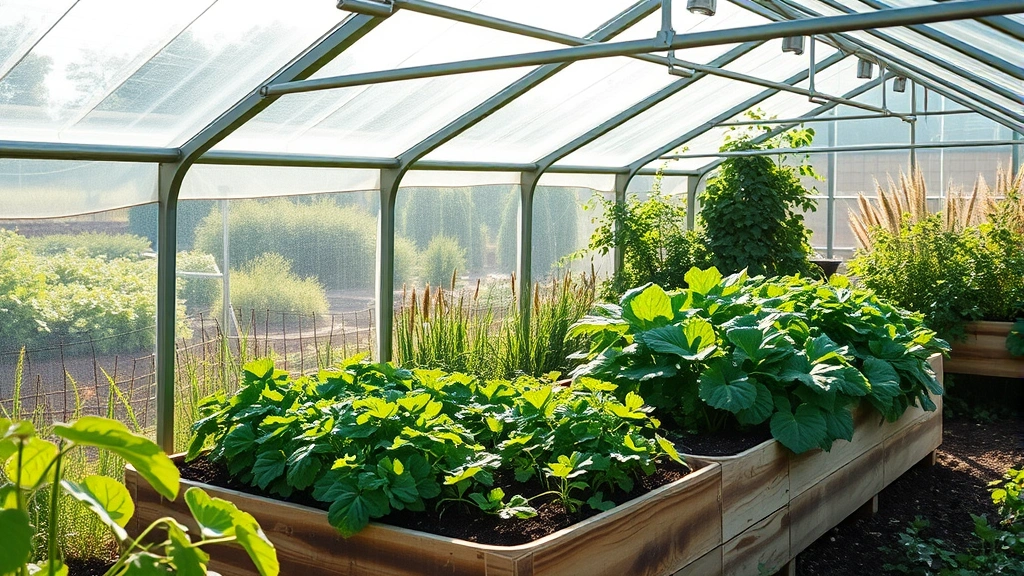
Covered raised garden beds represent a significant evolution in home gardening, offering gardeners unprecedented control over growing conditions while protecting plants from unpredictable weather, pests, and disease. Whether you’re a seasoned vegetable grower or just beginning your gardening journey, understanding when and how to cover your raised beds can dramatically improve your harvest success and extend your growing season. This comprehensive guide explores expert recommendations on covered raised garden beds, helping you make informed decisions about protecting your plants.
The concept of covering raised beds isn’t new, but modern materials and techniques have made it more accessible and effective than ever before. From simple row covers to elaborate cold frames and greenhouse structures, the options available to today’s gardener are remarkably diverse. Understanding the benefits, drawbacks, and best practices for each approach will help you choose the right solution for your specific gardening needs and climate zone.
Benefits of Covered Raised Beds
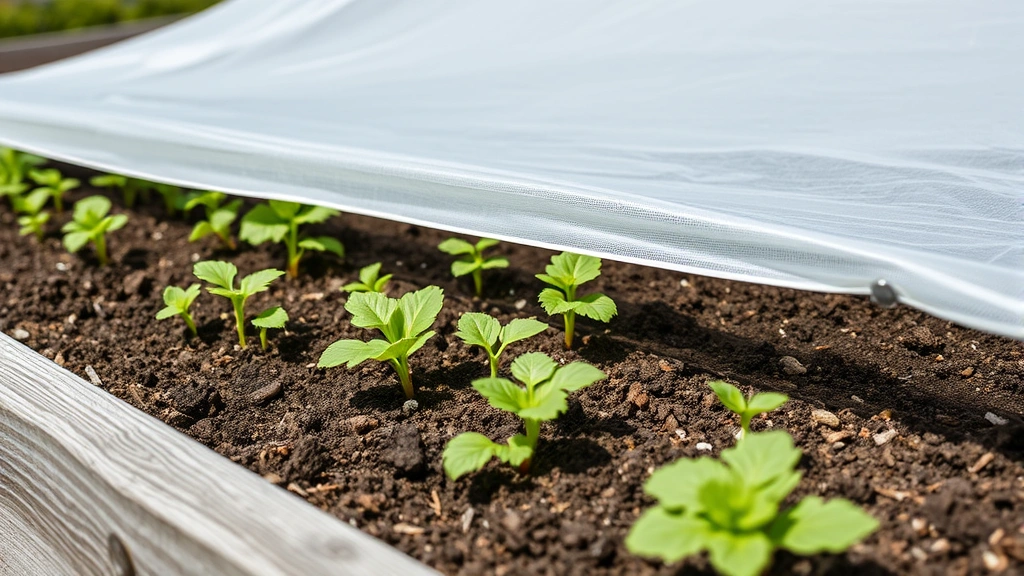
Covered raised garden beds provide multiple advantages that make them worth considering for any gardener serious about maximizing yields and protecting their investment. The primary benefit is season extension—covers trap heat and create a microclimate that allows gardeners to plant earlier in spring and continue harvesting later into fall. In many regions, this can effectively add 4-6 weeks to your growing season, which translates directly to increased productivity and more vegetables for your table.
Temperature regulation is another crucial advantage. During unexpected late frosts, a simple cover can mean the difference between a thriving crop and a devastating loss. The values of growing your own garden include self-sufficiency, and protecting your plants ensures you can rely on consistent harvests. Covered beds also reduce water loss through evaporation, which is particularly valuable in arid climates or during dry spells. This means less frequent watering and reduced water bills—a genuine benefit during drought conditions.
Disease prevention represents an often-overlooked advantage of covered raised beds. By creating a barrier between plants and rain splash—the primary vector for many fungal diseases—covers significantly reduce the incidence of common problems like early blight, powdery mildew, and other moisture-dependent diseases. This translates to healthier plants that require fewer interventions and produce better quality fruits and vegetables.
Types of Covers and Materials
The market offers numerous options for covering raised beds, each with distinct advantages and limitations. Understanding these options helps you select the best solution for your specific situation. Row covers, made from lightweight spun polypropylene or polyester, represent the most affordable and flexible option. These breathable fabrics allow water and light penetration while providing frost protection down to approximately 28°F, making them ideal for spring and fall protection.
Plastic sheeting offers more substantial temperature protection than row covers, capable of protecting plants from temperatures as low as 24°F when properly installed. Clear plastic maximizes heat retention and light transmission, while white or opaque plastic reflects excess heat during hot periods. However, plastic requires careful management to prevent overheating on warm days and doesn’t allow water penetration, requiring hand watering or drip irrigation systems.
Cold frames—essentially miniature greenhouses—represent the premium option for serious gardeners. These structures typically feature angled glass or polycarbonate tops that maximize solar gain while protecting plants from wind and excessive moisture. The quality of garden soil becomes even more critical when using cold frames, as the enclosed environment intensifies nutrient cycling. Polycarbonate panels offer superior insulation compared to glass, maintaining temperatures 15-20°F warmer than ambient conditions.
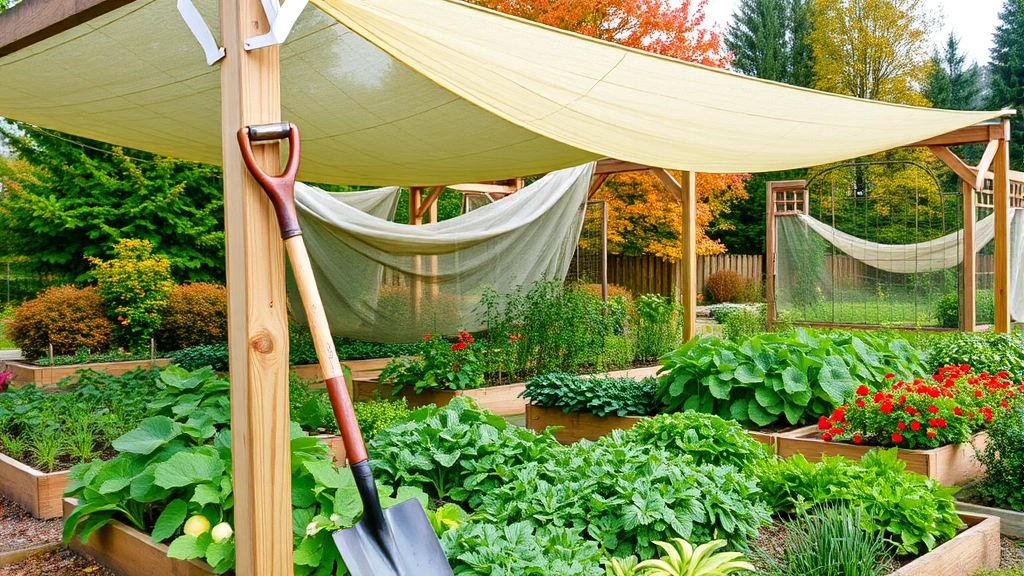
Shade cloth, typically made from woven polypropylene, serves the opposite function—cooling rather than warming. Available in densities from 30% to 90%, shade cloth becomes invaluable in summer gardens, protecting heat-sensitive crops like lettuce and spinach from excessive sun while maintaining adequate light for photosynthesis. Many gardeners use shade cloth during peak summer months, then transition to clear covers as temperatures cool in fall.
Cold Frames and Season Extension
Cold frames deserve special attention because they represent the most effective method for serious season extension. These structures work by capturing solar radiation during the day and trapping heat through the greenhouse effect, creating an environment significantly warmer than ambient conditions. The most effective cold frames feature angled glazing oriented to capture maximum morning and midday sun while minimizing western exposure that can cause overheating.
Building or purchasing a quality cold frame opens possibilities for year-round gardening in most climates. Spring cold frames allow planting 4-6 weeks earlier than outdoor conditions would permit, while fall and winter frames extend harvests well into winter in many regions. According to The Old Farmer’s Almanac gardening resources, proper cold frame management can produce fresh vegetables even during months when outdoor gardening seems impossible.
Ventilation management proves critical for cold frame success. On sunny days, temperatures inside closed frames can soar to dangerous levels, cooking sensitive plants. Many gardeners install automatic vent openers that respond to temperature changes, opening vents when temperatures exceed a set threshold. Others manually prop open lids or covers on warm days. This daily attention requirement is the primary drawback of cold frames compared to simpler cover systems.
The longevity of cold frame materials varies significantly. Glass provides excellent light transmission and durability but breaks easily and is heavy to manage. Polycarbonate offers superior insulation, excellent light transmission, and greater durability than glass, making it the preferred choice for most gardeners. Acrylic provides similar benefits to polycarbonate but costs less, though it typically lasts fewer years before becoming brittle.
Pest and Disease Protection
Beyond weather protection, covered raised beds offer significant pest management benefits. Fine mesh netting or insect-exclusion row covers create physical barriers that prevent insect pests from accessing plants. This approach proves particularly effective for controlling common garden pests like squash bugs, cucumber beetles, cabbage moths, and bean beetles. The key is installing covers before pests arrive and maintaining them throughout the vulnerable growth period.
The effectiveness of exclusion covers depends on complete installation—any gaps allow pests to enter and become trapped with their host plants, potentially worsening the situation. Secure all edges by burying fabric in soil or securing it with landscape staples, clips, or boards. Many gardeners find that the effort required for perfect installation is worthwhile, as it eliminates the need for pesticide applications.
Disease prevention through moisture management represents another significant advantage. Many fungal and bacterial diseases require free moisture on leaf surfaces to establish infection. By covering beds with rain-shedding materials, you eliminate this requirement, dramatically reducing disease pressure. This benefit becomes especially valuable in humid climates or during rainy seasons when disease pressure is typically highest.
The University of New Hampshire’s Extension Vegetable Gardening Program recommends combining multiple protection strategies for optimal results. Using row covers for pest exclusion while simultaneously employing proper spacing and air circulation to minimize moisture accumulation creates the most effective disease prevention approach.
Installation and Maintenance
Proper installation determines the effectiveness and longevity of covered raised beds. Row covers require secure fastening at all edges to prevent pests from crawling underneath. Bury edges 2-3 inches in soil, or use landscape staples, clips, or boards to hold covers firmly in place. Ensure covers are taut but not overly tight, as plants will grow and need room to expand beneath the covering.
For plastic sheeting and rigid covers, create a support structure that maintains proper spacing above plants. Covers that touch foliage promote disease by trapping moisture directly on plant surfaces. A minimum clearance of 6-12 inches between cover and plants prevents this problem. PVC hoops, wooden frames, or commercial cover support systems all work effectively.
Maintenance requirements vary by cover type. Row covers require regular inspection for damage and replacement when tears or excessive degradation occurs. Plastic sheeting needs careful attention to ventilation, especially on sunny days, to prevent overheating and excessive moisture accumulation. Rigid covers like cold frames require regular cleaning to maintain light transmission—dirt and algae accumulation on glazing can reduce light penetration by 20-30%, significantly impacting plant growth.
Watering management changes with covered beds. Row covers and plastic sheeting prevent rainfall from reaching plants, requiring supplemental watering through drip irrigation or hand watering. Some gardeners install drip irrigation systems before covering beds, allowing water delivery without removing covers. This approach saves time and reduces moisture loss through evaporation, making it particularly valuable during dry periods.
Climate Considerations
Your specific climate zone should heavily influence decisions about covering raised beds. In cold climates with severe winters, heavy-duty covers like cold frames or greenhouse structures become nearly essential for extended season gardening. The USDA Plant Hardiness Zone Map helps identify your region’s frost dates and temperature extremes, which directly inform cover selection.
In moderate climates with mild winters, simple row covers or shade cloth often provide sufficient protection. Spring frosts and occasional freezes rarely last long enough to justify expensive cold frame installations. However, summer heat protection becomes increasingly important in these regions, making shade cloth a valuable addition to your gardening toolkit.
Hot, arid climates present different challenges. Here, the primary focus shifts from frost protection to heat management and moisture conservation. Shade cloth becomes more valuable than thermal covers, while careful cover selection helps reduce water requirements. Lighter-colored covers reflect excess heat while still providing beneficial shade.
Humidity and rainfall patterns influence disease management through covers. In humid regions with frequent rainfall, rain-shedding covers become invaluable for disease prevention. In drier climates, disease pressure from moisture-dependent pathogens is naturally lower, making pest exclusion covers potentially more valuable than disease prevention covers.
Seasonal timing matters significantly. Spring covers should be removed gradually as temperatures warm, preventing overheating and encouraging plants to acclimate to outdoor conditions. Fall covers can typically remain in place longer, as gradual temperature decline poses less stress than rapid warming. Understanding your specific microclimate—considering factors like reflected heat from buildings, wind exposure, and shade from trees—allows fine-tuning cover strategies for optimal results.
For those interested in exploring gardening aesthetics alongside function, visiting established gardens like the Berkshire Botanical Garden or the Enid A Haupt Garden in Washington DC provides inspiration for combining protective structures with attractive garden design. Well-designed covers need not be purely utilitarian—they can enhance your garden’s visual appeal while protecting plants.
Selecting the right garden tools for cover installation and maintenance makes the process considerably easier. Quality fastening systems, sturdy support structures, and proper tools for installation ensure your covers function as intended while lasting multiple seasons. Similarly, complementary features like Sunbrella garden furniture can create a cohesive outdoor space where protective gardening structures integrate seamlessly with your overall landscape design.
FAQ
What is the best material for covering raised garden beds?
The best material depends on your primary goal and climate. For spring frost protection, lightweight row covers work well. For extended season gardening with significant temperature swings, polycarbonate cold frames provide superior performance. For summer heat protection, shade cloth is most effective. Many gardeners maintain multiple cover types for different seasons.
How much can a cover increase my growing season?
Simple row covers typically extend the season by 2-4 weeks total (both spring and fall). Polycarbonate cold frames can extend it by 6-10 weeks or more, depending on climate. In mild climates with minimal frost risk, season extension may be modest, while in cold climates, the benefits are dramatic.
Do covered raised beds require more maintenance?
Covered beds require different maintenance rather than necessarily more. Row covers need periodic inspection for damage. Cold frames require daily ventilation management on sunny days. Plastic covers need careful attention to moisture accumulation. However, covered beds typically require less pest management and disease control overall.
Can I use covered raised beds year-round?
In most climates, you can garden year-round with appropriate covers, though winter production is typically limited. Cold frames and insulated covers allow winter harvests of cold-hardy crops like lettuce, spinach, kale, and root vegetables. Some gardeners in mild climates successfully grow year-round with minimal protection.
How do I prevent overheating in covered raised beds?
Install automatic vent openers in cold frames that open when temperatures exceed a set threshold. For row covers and plastic sheeting, remove or prop open covers on warm days. Provide adequate spacing between cover and plants to allow air circulation. Choose shade cloth instead of thermal covers during hot seasons.


