Prickly Plants for Gardens? Horticulturist Advice
Growing prickly plants in your garden might seem counterintuitive, but these resilient specimens offer remarkable benefits that extend far beyond their intimidating appearance. From providing natural security barriers to attracting pollinators and requiring minimal maintenance, thorny and spiny plants deserve a prominent place in modern landscape design. Whether you’re establishing a low-maintenance garden, creating wildlife habitat, or simply seeking plants with architectural interest, prickly varieties deliver exceptional performance across diverse growing conditions.
Horticulturists and garden professionals increasingly recommend incorporating prickly plants into residential and commercial landscapes. These tough specimens thrive in challenging environments where conventional ornamentals struggle, making them ideal for xeriscaping, coastal gardens, and regions experiencing water scarcity. Their natural defenses eliminate the need for chemical pest deterrents, supporting sustainable gardening practices while creating visually striking focal points that command attention year-round.
Best Prickly Plants for Home Gardens
Selecting appropriate prickly plants requires understanding your climate zone, available space, and aesthetic preferences. The most versatile options combine visual appeal with practical resilience, offering year-round interest while remaining manageable for homeowners with varying experience levels.
Roses with Heritage Thorns represent the classic choice for gardeners seeking beauty alongside protection. Old garden roses and shrub roses naturally produce substantial thorns that deter unwanted foot traffic while delivering fragrance and prolific blooms. These varieties tolerate diverse soil conditions and require less chemical intervention than modern hybrid teas, making them excellent for sustainable landscapes.
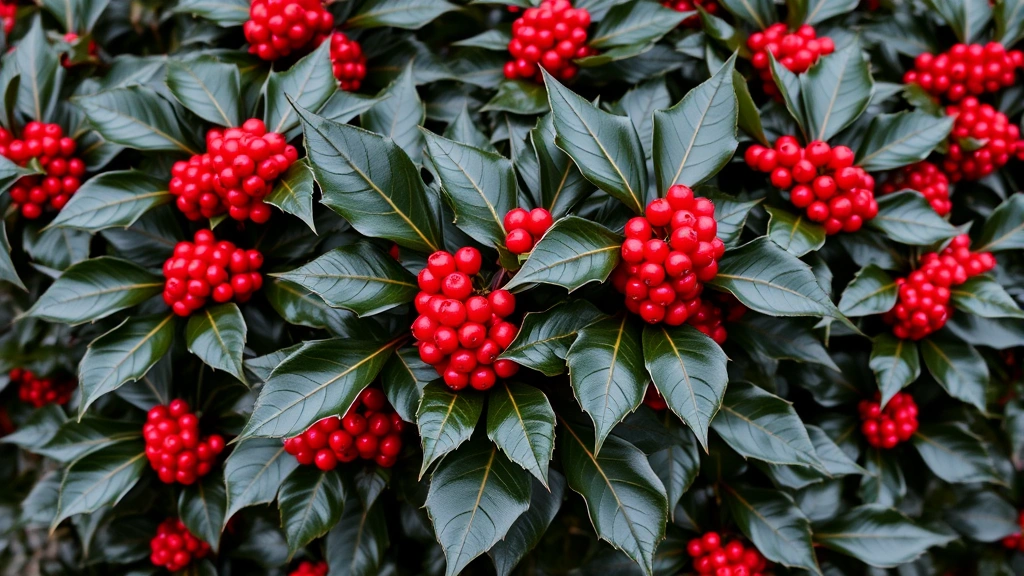
Hollies (Ilex species) shine as evergreen prickly plants that provide year-round structure and vibrant berries. Female hollies produce brilliant red, orange, or yellow fruits that persist through winter, attracting birds and adding seasonal color when deciduous plants lie dormant. Their dense, thorny foliage creates effective privacy screens and wildlife corridors. American holly, English holly, and Japanese holly each offer distinct characteristics suited to different regional conditions.
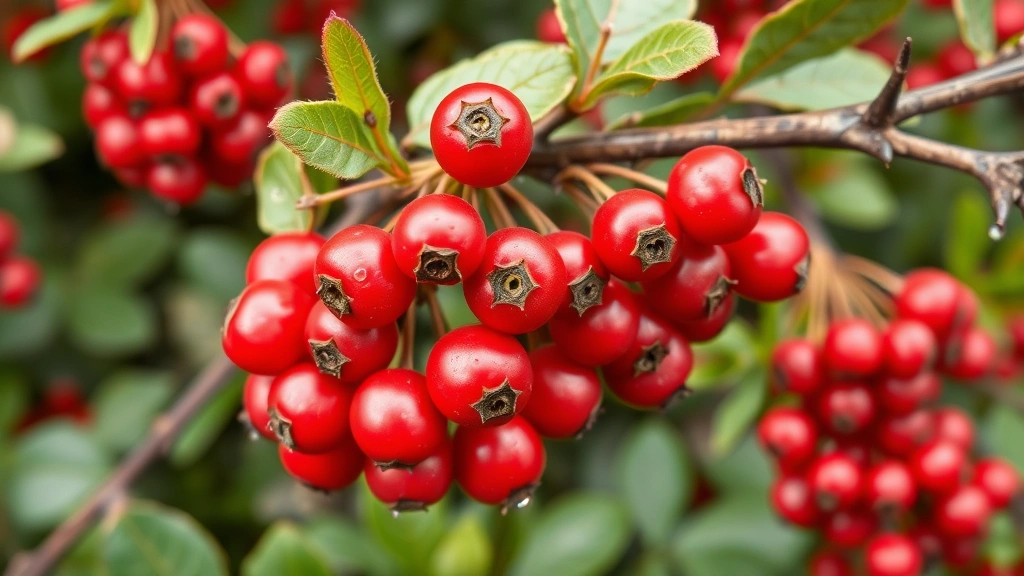
Hawthorns (Crataegus species) deliver multi-season interest with spring flowers, summer foliage, and persistent fruit that feeds birds through winter. These native trees establish quickly, support extensive insect populations, and require minimal supplemental care once established. Their thorny branches naturally discourage trespassing while creating architectural form during dormant seasons.
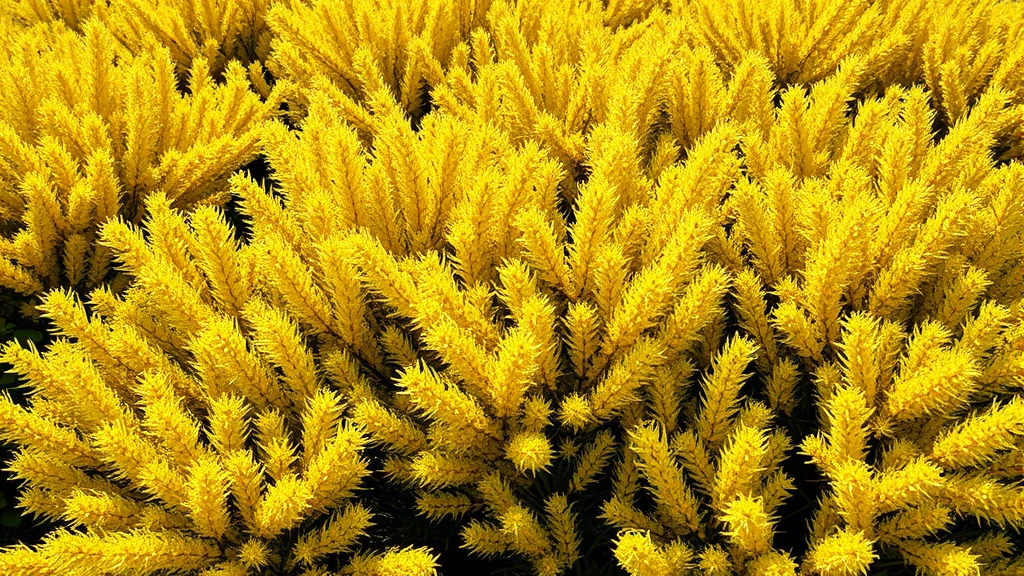
Barberry (Berberis species) produces dense, fine-textured foliage in colors ranging from deep purple to bright golden yellow. These deciduous and evergreen shrubs tolerate poor soil, drought conditions, and urban pollution. Their tiny thorns create impenetrable barriers while requiring minimal pruning maintenance. Note that some barberry species are considered invasive in certain regions; check local regulations before planting.
Cacti and Succulents offer exceptional drought tolerance and sculptural form for gardeners in warm climates or those maintaining container gardens. Prickly pear, barrel cactus, and various aloe species thrive on neglect, requiring infrequent watering and minimal fertilization. Their architectural spines create dramatic visual interest while their slow growth rates eliminate frequent pruning requirements.
Pyracantha (Firethorn) combines thorny branches with spectacular orange, red, or yellow berries that persist into winter. This evergreen shrub tolerates full sun and poor soil while supporting pollinators and birds. Its dense, spiny growth habit creates effective security barriers and privacy screens with minimal maintenance once established.
Sea Buckthorn (Hippophae rhamnoides) thrives in coastal and sandy environments where conventional plants struggle. Its fine-textured foliage, fragrant flowers, and golden berries offer multi-season appeal while its thorny stems protect against salt spray and wind damage. Female plants produce nutritious berries valued for culinary and medicinal applications.
Mahonia (Oregon Grape) delivers fragrant yellow flower clusters in spring followed by blue-black berries that persist through winter. Its hollylike foliage turns bronze-purple in cold months, providing year-round visual interest. This shade-tolerant shrub establishes quickly and requires minimal supplemental care in appropriate climates.
Growing Requirements and Care
Successfully cultivating prickly plants begins with understanding their fundamental requirements. While these plants generally demand less attention than conventional ornamentals, matching species to your site conditions ensures optimal performance and longevity.
Sunlight Needs vary significantly among prickly species. Most roses, hawthorns, and barberries perform best in full sun (six to eight hours daily), which promotes robust flowering and dense growth. Hollies and mahonias tolerate partial shade, making them valuable for understory plantings beneath mature trees. Cacti and succulents require intense sunlight; position them in your garden’s brightest locations to prevent weak, leggy growth.
Soil Preparation establishes the foundation for healthy development. Most prickly plants prefer well-draining soil that prevents water accumulation around roots. Amend heavy clay with compost, perlite, or coarse sand to improve drainage. Roses benefit from organic matter incorporation before planting, while cacti and succulents demand exceptionally fast-draining soil amended with pumice or pea gravel. Conduct soil testing to determine pH requirements; most species tolerate slightly acidic to neutral conditions, though specific preferences vary.
Watering Practices should align with seasonal rainfall patterns and individual plant requirements. Newly established plants require consistent moisture during their first growing season as they develop extensive root systems. Once established, most prickly plants tolerate drought, reducing supplemental irrigation needs significantly. Water deeply and less frequently rather than shallow, daily sprinkling, which encourages shallow rooting and fungal diseases. In winter, reduce watering substantially; most prickly plants require minimal moisture during dormancy.
Fertilization Strategies support healthy growth without promoting excessive vigor that increases disease susceptibility. Apply balanced, slow-release fertilizer in early spring as growth begins. Avoid high-nitrogen formulations that encourage soft growth vulnerable to pests and diseases. Most established prickly plants require minimal fertilization; excessive feeding may reduce flowering and increase susceptibility to spider mites and other pests.
Pruning Techniques maintain attractive form while respecting each plant’s natural architecture. Prune during dormancy or late winter before new growth emerges. Remove dead, diseased, or crossing branches first, then thin interior growth to improve air circulation. Shape plants by cutting above outward-facing buds to encourage spreading form. Avoid heavy shearing that creates dense, twiggy growth; instead, selectively remove branches to maintain natural silhouettes.
Pest and Disease Management remains simplified with prickly plants. Their natural defenses discourage many common pests, reducing pesticide requirements. Monitor for spider mites, which proliferate in hot, dry conditions; increase humidity and water pressure can manage minor infestations. Watch for fungal diseases in overly moist conditions; improve air circulation and avoid overhead watering. Most prickly plants demonstrate exceptional disease resistance when grown in appropriate conditions.
Design Integration Strategies
Incorporating prickly plants into landscape design requires thoughtful planning that balances practical benefits with aesthetic considerations. Strategic placement maximizes visual impact while minimizing safety concerns.
Security Barriers and Boundaries represent the most obvious application for thorny plants. Plant dense rows of hawthorn, barberry, or pyracantha along property lines to create living fences that deter trespassing while maintaining visual interest. These natural barriers prove more effective and attractive than conventional fencing while providing wildlife habitat and seasonal color. Space plants according to mature width, allowing for full development without crowding.
Foundation Plantings benefit from prickly species that provide year-round structure beneath windows and eaves. Position thorny plants where they’ll deter unauthorized access while remaining distant enough to prevent branch contact with siding. Low-growing barberry varieties and compact hollies create attractive foundation plantings that require minimal pruning maintenance.
Mixed Border Integration allows prickly plants to anchor compositions while softer textures provide contrast. Position thorny shrubs as backdrop plants, then layer shorter perennials with fine-textured foliage in front. This approach creates depth while ensuring visibility of flowering plants. Consider the flower arranging principles that govern color harmony when selecting companion plants.
Container Cultivation extends prickly plant growing opportunities for gardeners with limited space. Cacti, succulents, and compact barberry varieties thrive in containers positioned on patios, balconies, and entryways. Container growing allows precise control over soil composition and moisture levels, essential for plants with specific drainage requirements. Select containers with drainage holes and use appropriate irrigation methods to prevent waterlogging.
Wildlife Habitat Creation positions prickly plants as essential landscape elements. Thorny shrubs provide nesting sites for birds, protective shelter for small mammals, and food sources through berries and insect populations. Hawthorns, hollies, and pyracantha particularly support wildlife; their dense growth creates safe nesting habitat while persistent fruit extends food availability through winter. This ecological approach transforms prickly plants from mere deterrents into active conservation tools.
Seasonal Interest Layering maximizes year-round visual appeal. Select prickly plants with varied bloom times, fruit colors, and foliage characteristics. Spring-flowering hawthorns transition to summer-leafing hollies and fall-fruiting pyracantha, creating continuous landscape evolution. Winter silhouettes of deciduous thorny plants contrast with evergreen spiny foliage, providing architectural interest during dormant seasons.
Safety Considerations
While prickly plants offer substantial benefits, responsible placement ensures safety for household members, visitors, and maintenance personnel. Thoughtful planning prevents injuries while maximizing protective advantages.
Strategic Positioning keeps thorny plants away from high-traffic areas, play spaces, and pathways where accidental contact could cause injury. Position them along property boundaries, beneath windows, and in areas where foot traffic remains infrequent. Clearly mark newly planted thorny specimens to prevent accidental contact during establishment periods.
Height and Visibility Management prevents eye-level hazards while maintaining effective barriers. Prune lower branches to maintain clear sightlines along pathways and driveways. Keep spiny foliage below window height in foundation plantings to prevent branch contact with residents or visitors. Maintain adequate clearance from utility lines and structures.
Maintenance Safety Protocols protect gardeners and hired professionals during pruning and care activities. Wear protective gloves, long sleeves, and eye protection when handling thorny plants. Use sharp pruning tools that create clean cuts rather than crushing branches, which tear bark and create disease entry points. Schedule professional maintenance if physical limitations prevent safe handling of particularly thorny species.
Children and Pet Considerations require special attention when incorporating prickly plants into family gardens. Select less aggressive species for areas where children play; avoid plants with toxins alongside thorns. Supervise young children near thorny plantings and teach them to respect plant boundaries. Consider pet safety; some animals may sustain injuries from particularly sharp spines or consume toxic berries.
Documentation and Communication ensures all household members and visitors understand hazard locations. Create simple garden maps indicating thorny plant locations. Brief visitors about potential hazards, particularly if children or elderly individuals visit frequently. Maintain clear pathways with adequate lighting to prevent accidental contact during evening hours.
Seasonal Management
Prickly plants require adjusted care throughout the year to maintain health, appearance, and functionality. Seasonal awareness optimizes growth and minimizes pest and disease problems.
Spring Establishment marks the critical period when newly planted prickly specimens develop root systems. Maintain consistent soil moisture without waterlogging as growth accelerates. Apply balanced fertilizer as new leaves emerge. Monitor for early pest activity; spider mites and scale insects proliferate as temperatures rise. Prune winter-damaged wood before new growth hardens. This period also suits transplanting dormant prickly plants; early spring establishment allows maximum growing season for root development.
Summer Maintenance focuses on sustaining growth during peak heat and potential drought stress. Provide supplemental irrigation during extended dry periods, particularly for newly established plants. Reduce fertilization to prevent excessive soft growth vulnerable to pests. Monitor for spider mites, which thrive in hot, dry conditions; increase humidity through foliar misting or improve air circulation to manage infestations. Deadhead spent flowers on flowering prickly plants to encourage continued blooming.
Fall Preparation readies plants for dormancy while supporting wildlife. Resist pruning in late summer, which stimulates tender growth vulnerable to frost damage. Allow berries to persist on hollies, pyracantha, and hawthorns; these fruits feed migrating birds and provide winter sustenance. Reduce irrigation as temperatures cool and growth slows. Apply final fertilizer application in mid-fall to support root development during dormancy.
Winter Protection becomes necessary in cold climates where prickly plants experience frost stress. Young plants benefit from mulch around base roots, protecting them from freeze-thaw cycles. Evergreen prickly plants may suffer desiccation from winter winds; consider windbreaks or anti-desiccant sprays in exposed locations. Avoid pruning during dormancy except for dead or damaged wood removal. Winter provides excellent timing for major pruning; dormant plants bleed less sap and respond more vigorously to spring growth.
Companion Planting Ideas
Integrating prickly plants into broader landscape compositions requires selecting compatible companions that enhance rather than compete. Strategic pairing creates visually dynamic gardens while supporting ecological health.
Perennial Combinations leverage contrasting textures and bloom times. Pair spiky barberry with soft-textured daylilies or ornamental grasses for textural contrast. Combine thorny roses with low-growing sedums or creeping phlox that provide ground-level color. This approach creates visual interest while preventing monotonous landscape appearance.
Shade-Tolerant Understory Plantings maximize space beneath larger prickly plants. Mahonia and shade-tolerant holly varieties provide framework for hostas, ferns, and shade-loving perennials. This layered approach creates woodland-like environments that support diverse plant and animal communities. Consider establishing an indoor herb garden if shade prevents outdoor herb cultivation.
Edible Integration combines ornamental prickly plants with productive elements. Hawthorn berries, sea buckthorn fruits, and prickly pear pads offer culinary applications beyond landscape function. Interplant edible prickly species with conventional vegetables; their protective thorns deter wildlife while their productivity provides fresh harvests. This approach maximizes space efficiency in vegetable gardens while supporting food security.
Native Plant Partnerships support regional ecosystems while reducing maintenance requirements. Research native prickly plants suited to your region, then select compatible native understory species. This approach creates landscapes that evolved together, supporting native insects, birds, and mammals while requiring minimal external inputs. Native plant combinations also tolerate local climate extremes and soil conditions more effectively than exotic selections.
Pollinator-Supportive Combinations position prickly plants alongside flowers that attract bees, butterflies, and other beneficial insects. Hawthorns, roses, and barberries provide nectar sources while their dense growth creates shelter. Interplant with open-faced flowers like coreopsis, echinacea, and zinnias that offer easy landing platforms. This ecological approach transforms prickly plants into active participants in pollinator support networks.
Seasonal Color Progression utilizes prickly plants’ varying phenologies to create continuous interest. Spring-flowering hawthorns transition to summer-leafing barberries and fall-fruiting pyracantha, creating seasonal landscape evolution. Layer plants with different peak interest periods; when one species declines, others assume prominence. This approach maintains visual appeal throughout the year while demonstrating horticultural sophistication.
Water-Wise Combinations group plants with similar drought tolerance for efficient resource management. Combine prickly plants like cacti, yucca, and sea buckthorn with other drought-tolerant species such as Russian sage, santolina, and sedums. This xeriscaping approach reduces irrigation requirements while creating visually striking combinations adapted to water-limited regions. Consider implementing efficient watering systems that deliver moisture directly to root zones.
Textural Contrast Integration balances spiky foliage with soft, rounded forms. Pair needle-like barberry or holly foliage with broad-leaved plants like hosta or bergenia. Combine architectural prickly plant forms with billowing perennials like Russian sage or butterfly bush. This textural diversity creates visually engaging landscapes that maintain interest throughout seasons.
FAQ
Are prickly plants dangerous for children?
Prickly plants pose minimal danger when positioned strategically away from play areas and pathways. Teach children to respect plant boundaries and wear protective clothing when working near thorny species. Select less aggressive varieties for family gardens and supervise young children near thorny plantings. Most injuries from prickly plants prove minor, comparable to rose thorns.
Which prickly plants tolerate shade?
Hollies, mahonias, and some barberry varieties establish successfully in partial shade conditions. These shade-tolerant prickly plants remain denser and more attractive than sun-loving species grown in insufficient light. Avoid planting cacti and succulents in shade; their growth becomes weak and sparse without adequate sunlight.
Can prickly plants grow in containers?
Many prickly species thrive in containers, particularly cacti, succulents, compact barberries, and miniature roses. Use well-draining potting mix and containers with drainage holes. Container-grown plants require more frequent watering than in-ground specimens; monitor soil moisture carefully and adjust irrigation accordingly. Bring tender prickly plants indoors during harsh winters in cold climates.
How often should prickly plants be pruned?
Most prickly plants require minimal pruning once established. Prune annually during dormancy to remove dead wood, improve air circulation, and maintain attractive form. Avoid heavy shearing that creates dense, twiggy growth; instead, selectively remove branches to preserve natural silhouettes. Some fast-growing species like pyracantha may require summer pruning to maintain desired proportions.
What pests affect prickly plants most commonly?
Spider mites represent the most common pest affecting prickly plants, particularly in hot, dry conditions. Scale insects also infest some species, particularly hollies and pyracantha. Monitor regularly and increase humidity or improve air circulation to manage minor infestations. Most prickly plants demonstrate strong natural resistance to common garden pests due to their protective structures.
Are any prickly plants invasive?
Some barberry species become invasive in certain regions, spreading aggressively and displacing native vegetation. Check local regulations before planting barberries; many jurisdictions restrict certain varieties. Research native prickly plants adapted to your region; these species integrate naturally without invasive spread concerns.
Which prickly plants produce edible fruit?
Hawthorn berries, prickly pear pads, and sea buckthorn fruits offer culinary applications. These species combine ornamental function with productive harvests, maximizing space efficiency. Research specific varieties for fruit quality and flavor; some produce superior harvests compared to others.
How do I establish prickly plants successfully?
Plant during dormancy (fall or spring) in well-draining soil prepared with organic matter. Dig planting holes slightly larger than root balls and backfill with amended soil. Water thoroughly after planting and maintain consistent moisture during the first growing season. Apply mulch around bases to conserve moisture and suppress weeds. Most prickly plants establish within 2-3 years, then require minimal supplemental care.
Can prickly plants provide food for wildlife?
Yes, many prickly plants offer significant wildlife value. Hawthorns, hollies, and pyracantha produce berries that feed birds throughout winter. Their thorny branches provide nesting sites and protective shelter for small mammals. Dense growth creates habitat for insects that support broader food webs. This ecological function makes prickly plants valuable conservation tools in residential landscapes.
What’s the best time to plant prickly plants?
Fall and early spring suit most prickly plant establishment, when dormancy reduces transplant shock and cooler temperatures support root development. Avoid planting during heat stress periods or late summer, which stimulates tender growth vulnerable to frost damage. Fall planting allows root establishment before winter dormancy, positioning plants for vigorous spring growth.


