Create a Pizza Garden? Expert Tips & Tricks
A pizza garden is one of the most rewarding and delicious gardening projects you can undertake. Instead of buying pre-made ingredients from the grocery store, imagine harvesting fresh tomatoes, basil, oregano, and other pizza toppings directly from your backyard. This practical approach combines culinary enthusiasm with horticultural satisfaction, transforming your outdoor space into a productive kitchen garden that feeds both your family and your passion for homemade pizza.
Whether you have a sprawling backyard, a modest patio, or even a sunny windowsill, you can create a pizza garden tailored to your space and skill level. The beauty of this concept lies in its flexibility—you can grow traditional Italian herbs, colorful bell peppers, onions, and even unique varieties like roasted garlic cloves and fresh mozzarella-friendly plants. This comprehensive guide walks you through every step of establishing your pizza garden, from planning and soil preparation to harvesting and troubleshooting common problems.
Understanding Your Pizza Garden Layout
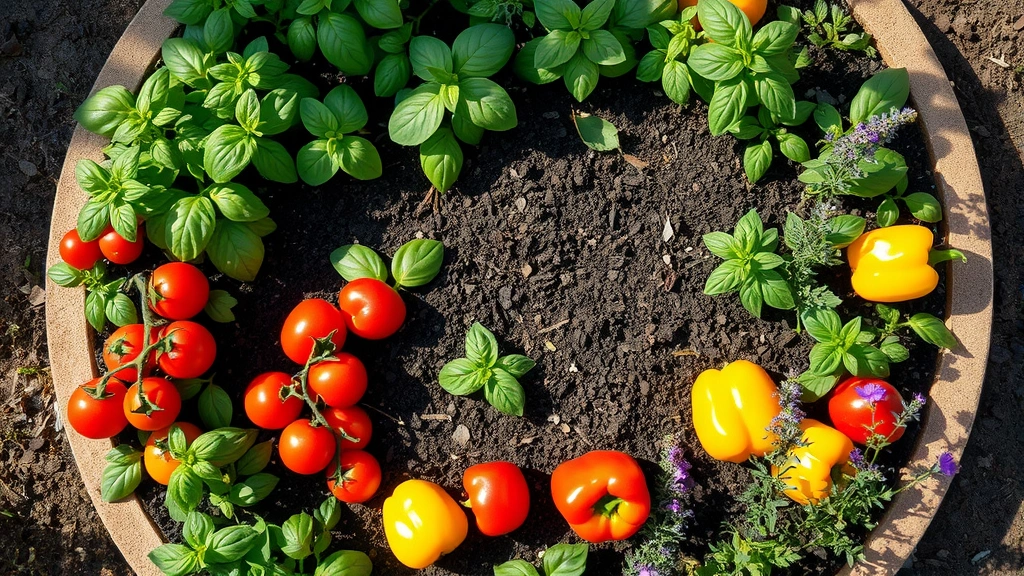
Before digging into soil, take time to visualize your pizza garden layout. The most popular design follows a circular or wedge pattern, resembling an actual pizza slice. This aesthetic approach not only looks charming but also makes harvesting intuitive—each section contains ingredients that work together in recipes. Start by measuring your available space and determining whether you’ll create a raised bed, in-ground garden, or container setup.
For beginners just starting their gardening journey with foundational tips, a raised bed pizza garden offers numerous advantages. Raised beds provide better drainage, warmer soil in spring, and easier access for planting and harvesting. A 4×4 or 4×8 foot raised bed accommodates all essential pizza ingredients comfortably. If space is limited, consider a cottage garden style approach that maximizes vertical growing space.
The circular pizza garden design works exceptionally well for visual appeal and functional organization. Divide your circular bed into four to six wedges using pathways or decorative borders. Each wedge can house a different ingredient category: tomatoes in one section, herbs in another, peppers in a third, and onions or garlic in the remaining spaces. This organization system helps with crop rotation and makes it simple to remember where each plant grows.
Essential Ingredients Plants to Grow
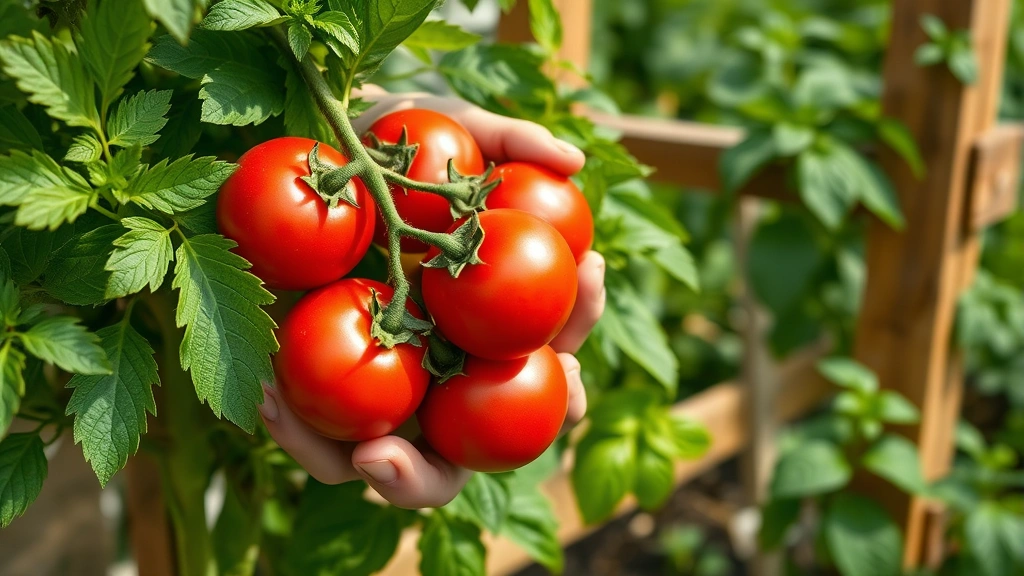
The foundation of any pizza garden consists of plants that directly enhance your homemade pizza experience. Tomatoes are undoubtedly the star ingredient—they provide the crucial base sauce and fresh toppings. Select varieties specifically bred for flavor rather than long-distance shipping. Cherry tomatoes, heirloom varieties like ‘San Marzano’ or ‘Roma,’ and paste tomatoes all excel in pizza gardens. Start with three to five tomato plants to ensure abundant harvests throughout the growing season.
Fresh basil ranks as the second essential ingredient, offering aromatic leaves that elevate any pizza. Italian sweet basil is the classic choice, but Thai basil and African blue basil add interesting flavor variations. Basil thrives in warm conditions and produces prolifically when you regularly pinch off flower buds. Plant basil near your tomatoes—this pairing benefits both plants through companion planting principles while keeping ingredients conveniently located during harvest.
Oregano and marjoram are perennial herbs that return year after year once established. These Mediterranean natives prefer well-draining soil and full sunlight. Plant them in a dedicated herb section where they won’t compete aggressively with annual vegetables. Fresh oregano leaves deliver authentic pizza flavor that dried versions simply cannot replicate. One or two oregano plants provide sufficient harvests for an entire family’s pizza-making needs.
Bell peppers and hot peppers add vibrant color, texture, and flavor complexity to gourmet pizzas. Red, yellow, orange, and purple varieties all thrive in warm-season gardens. Plant pepper seedlings after all frost danger passes, as they require consistent warmth for optimal growth. Container growing techniques work well for peppers if space constraints exist in your main garden beds.
Garlic and onions provide essential flavor foundations for pizza sauce and toppings. Plant garlic cloves in fall for spring harvesting, or select long-day onion varieties suited to your climate zone. Elephant garlic offers impressive bulb sizes and milder flavor, making it excellent for roasting whole on pizza. Shallots provide a sophisticated onion alternative with natural sweetness that caramelizes beautifully on wood-fired pizzas.
Consider expanding beyond traditional ingredients by growing specialty vegetables that enhance pizza experiences. Roasted mushrooms, caramelized fennel, sun-dried tomato varieties, and fresh arugula all elevate homemade pizza to restaurant-quality standards. Proper water management ensures all these vegetables thrive throughout the growing season.
Soil Preparation and Nutrients
Quality soil forms the foundation of a thriving pizza garden. Before planting, test your soil’s pH level and nutrient composition through your local extension service. Most pizza garden plants prefer slightly acidic to neutral soil with a pH between 6.0 and 7.0. Tomatoes, basil, and peppers all perform optimally in this range.
Amend your soil generously with organic compost before the planting season begins. Work in three to four inches of well-aged compost into the top eight to ten inches of existing soil. This amendment improves soil structure, increases water retention, and provides slow-release nutrients throughout the growing season. Aged compost from your own yard or purchased from local garden centers offers excellent value and sustainability benefits.
Incorporate balanced fertilizers suitable for vegetable gardening. A 10-10-10 or 5-10-10 NPK ratio supports vigorous growth without excessive nitrogen that would promote leafy growth at the expense of fruit production. For herbs like basil and oregano, slightly lower nitrogen levels encourage compact, flavorful growth. Side-dress plants monthly with compost or apply diluted liquid fertilizer every two weeks during peak growing season.
Mulching provides multiple benefits to pizza gardens. Apply two to three inches of organic mulch—straw, wood chips, or shredded leaves—around plants to regulate soil temperature, suppress weeds, and retain moisture. Keep mulch several inches away from plant stems to prevent rot and pest problems. As mulch decomposes, it adds organic matter to soil, improving structure and fertility over time.
Watering and Irrigation Strategies
Consistent moisture levels are crucial for pizza garden success, particularly for tomatoes and peppers which demand regular watering. Establish a watering schedule that provides one to two inches of water weekly, adjusting for rainfall and temperature fluctuations. Deep, infrequent watering encourages strong root development better than shallow, frequent sprinkling.
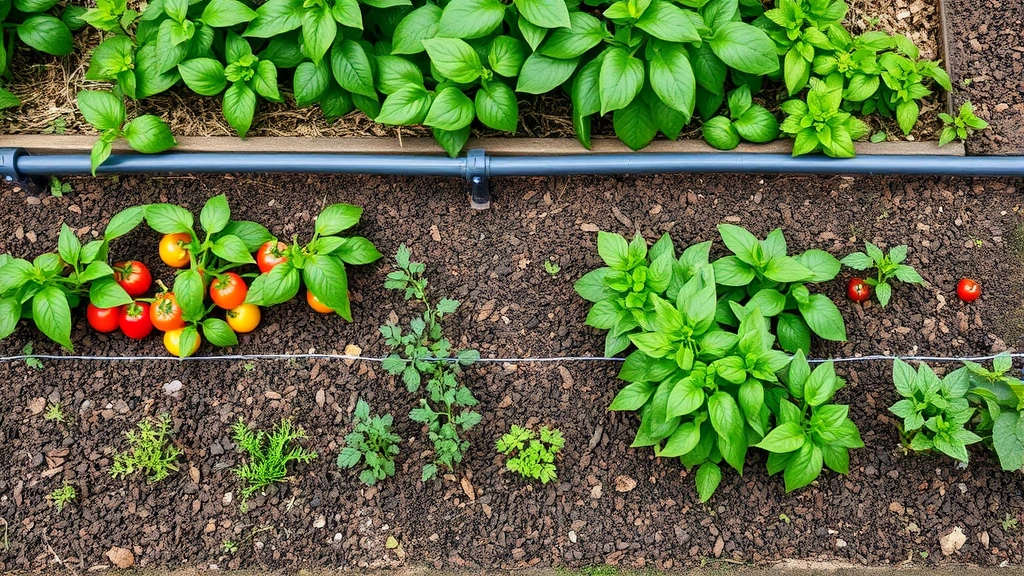
Water early in the morning to reduce disease pressure and allow foliage to dry quickly. Avoid wetting leaves, particularly on tomato plants prone to fungal diseases. Drip irrigation systems deliver water directly to soil where plants need it most, minimizing water waste and disease problems. Soaker hoses offer a budget-friendly alternative that provides consistent moisture without overhead watering.
Container-grown pizza gardens require more frequent watering than in-ground beds because pots dry faster. Check soil moisture daily during hot weather and water when the top inch feels dry. Containers benefit from quality potting mix that balances water retention with drainage—avoid garden soil in containers as it compacts and drains poorly.
During drought conditions or extreme heat, mulching becomes even more critical for moisture retention. Water deeply but less frequently to encourage deep root growth that accesses moisture deeper in the soil profile. This approach builds plant resilience and reduces overall water consumption while maintaining consistent productivity.
Sunlight Requirements
Pizza garden plants are sun-worshippers that demand full sunlight for optimal growth and flavor development. Tomatoes, peppers, basil, and oregano all require minimum six to eight hours of direct sunlight daily, though eight to ten hours produces superior results. Locate your pizza garden in the sunniest part of your property, away from tree shade and building shadows that shift throughout the day.
Morning sun exposure helps dry dew from leaves, reducing fungal disease incidence. Afternoon shade in extremely hot climates (above 95°F regularly) can prevent heat stress and fruit scalding on tomatoes and peppers. In these situations, strategic afternoon shade cloth or nearby taller plants provide beneficial relief during peak heat hours while maintaining adequate daily light exposure.
Herbs like basil tolerate slightly less intense light than fruiting vegetables but still require six hours minimum. Oregano and marjoram perform adequately in partial shade but produce more flavorful, concentrated growth in full sun. If your garden location receives less than six hours of direct sun, consider growing herbs and leafy greens while selecting shade-tolerant tomato and pepper varieties.
Seasonal Care and Maintenance
Spring preparation begins as soil warms and frost danger passes. Harden off seedlings gradually by exposing them to outdoor conditions for increasing periods before transplanting. Space plants according to mature size requirements—tomatoes need 24-36 inches apart, peppers 18-24 inches, and herbs 12-18 inches depending on variety. Proper spacing ensures adequate air circulation that prevents disease problems.
Summer maintenance focuses on consistent watering, regular harvesting, and pest monitoring. Pinch off basil flower buds to encourage continued leaf production rather than seed formation. Support tomato plants with stakes, cages, or trellising systems that keep fruit off soil and improve air circulation. Scout plants regularly for pest problems and address issues promptly before populations explode.
Fall preparation involves succession planting for extended harvests. Plant cool-season herbs like parsley and chives in late summer for fall and early winter harvesting. Garlic planting begins in autumn for spring harvests. As frost approaches, harvest remaining peppers and tomatoes, including green fruits that ripen indoors on windowsills.
Winter care varies by climate zone. In mild climates, perennial herbs like oregano and marjoram continue producing at reduced rates. In cold climates, protect oregano with heavy mulch or bring potted herbs indoors. Container pizza gardens can be moved into sheltered locations or brought inside to extend the growing season.
Harvesting Your Ingredients
Timing harvests correctly ensures peak flavor and continued plant productivity. Tomatoes develop maximum flavor when fully ripe and picked at peak color. Gently twist and lift ripe fruits, or use pruning shears to avoid plant damage. Allow tomatoes to fully ripen on the vine rather than picking green fruit, which lacks the complex sugars that develop during ripening.
Basil leaves reach optimal flavor when plants are actively growing and before flowering. Pinch off leaves from the top of stems to encourage bushier growth and prevent premature flowering. Regular harvesting actually promotes more vigorous growth and extends the productive season. Morning harvests yield the most aromatic leaves after overnight flavor concentration.
Oregano and marjoram can be harvested continuously once plants reach six inches tall. Pick leaves just before flowers open when essential oil concentration peaks. Dry excess harvest by hanging bundles in a warm, dark, well-ventilated space for winter use. Fresh herbs stored in plastic bags in the refrigerator crisper last one to two weeks.
Peppers can be harvested green or allowed to mature to their final color—red, yellow, orange, or purple—for sweeter flavor. Ripe peppers contain higher sugar content and deliver more complex flavor than green peppers. Cut peppers with pruning shears rather than pulling to avoid plant damage. Continued harvesting encourages more flowers and fruit production throughout the season.
Garlic readies for harvest when foliage yellows and falls over naturally, typically in late spring or early summer. Dig carefully to avoid bruising bulbs, then cure in a warm, dry location for two to three weeks before storing. Properly cured garlic stores for months in cool, dark conditions.
Common Problems and Solutions
Tomato blight, caused by fungal pathogens, represents the most serious pizza garden threat in humid climates. Prevent this disease through proper spacing, morning watering that avoids wetting foliage, and removing lower leaves as plants grow. Select disease-resistant varieties labeled with VFN or VFNT resistance codes. Remove affected leaves immediately and dispose in trash rather than compost.
Powdery mildew affects basil, oregano, and other herbs, particularly in conditions with poor air circulation. Improve ventilation by spacing plants adequately and removing competing vegetation. Spray affected foliage with neem oil or sulfur-based fungicides following label directions. Prevention through cultural practices remains superior to treatment after infection occurs.
Pest problems including hornworms, aphids, and spider mites damage foliage and reduce plant vigor. Inspect plants regularly and remove pests by hand when populations are small. Encourage beneficial insects like ladybugs and parasitic wasps through diverse planting and avoiding broad-spectrum pesticides. Neem oil and insecticidal soap provide effective organic pest management when populations require intervention.
Blossom end rot on tomatoes and peppers indicates calcium deficiency triggered by inconsistent watering. Maintain steady soil moisture and mulch heavily to regulate moisture availability. Avoid over-fertilizing with nitrogen, which interferes with calcium uptake. Select resistant varieties if this problem occurs repeatedly in your garden.
Poor fruit set on peppers and tomatoes usually results from temperature extremes, inconsistent watering, or excessive nitrogen fertilization. Ensure consistent moisture, avoid over-fertilizing, and be patient—fruit production increases as temperatures stabilize in mid-summer. Hand-pollinate flowers by gently vibrating plants when bees are active.
FAQ
How much space do I need for a pizza garden?
A 4×4 foot raised bed accommodates a complete pizza garden with tomatoes, peppers, basil, oregano, and onions. Container gardeners can grow all essential ingredients in pots on patios or balconies. Even a sunny windowsill supports fresh basil and oregano production.
Can I grow a pizza garden in containers?
Absolutely! Container gardening techniques apply equally to pizza ingredients. Use 5-10 gallon containers for tomatoes and peppers, smaller pots for herbs. Quality potting mix and consistent watering are essential for container success.
What’s the best time to plant a pizza garden?
Plant warm-season crops like tomatoes, peppers, and basil after all frost danger passes and soil warms to 60°F. Plant cool-season herbs and garlic in fall. Check your local frost dates through your regional extension service for precise timing.
How long until I harvest pizza ingredients?
Basil and oregano leaves are ready in 4-6 weeks. Tomatoes and peppers typically fruit 60-90 days after planting. Garlic requires 7-8 months from planting to harvest. Succession planting ensures continuous harvests throughout the growing season.
Do I need special fertilizer for pizza gardens?
Balanced vegetable fertilizers work well for most pizza garden plants. Avoid excessive nitrogen which promotes leafy growth at the expense of fruit. Compost and organic matter provide slow-release nutrients that support steady growth without chemical additives.
Which tomato varieties work best for pizza?
Paste tomatoes like San Marzano and Roma produce concentrated flavor ideal for pizza sauce. Cherry tomatoes add sweetness and visual appeal. Heirloom varieties offer complex flavors. Select disease-resistant varieties suited to your climate zone.
Can I grow a pizza garden year-round?
In mild climates, cool-season herbs and greens extend harvests through winter. In cold climates, bring potted herbs indoors or protect perennial herbs with heavy mulch. Start seeds indoors in late winter for spring transplanting to maintain year-round productivity.


