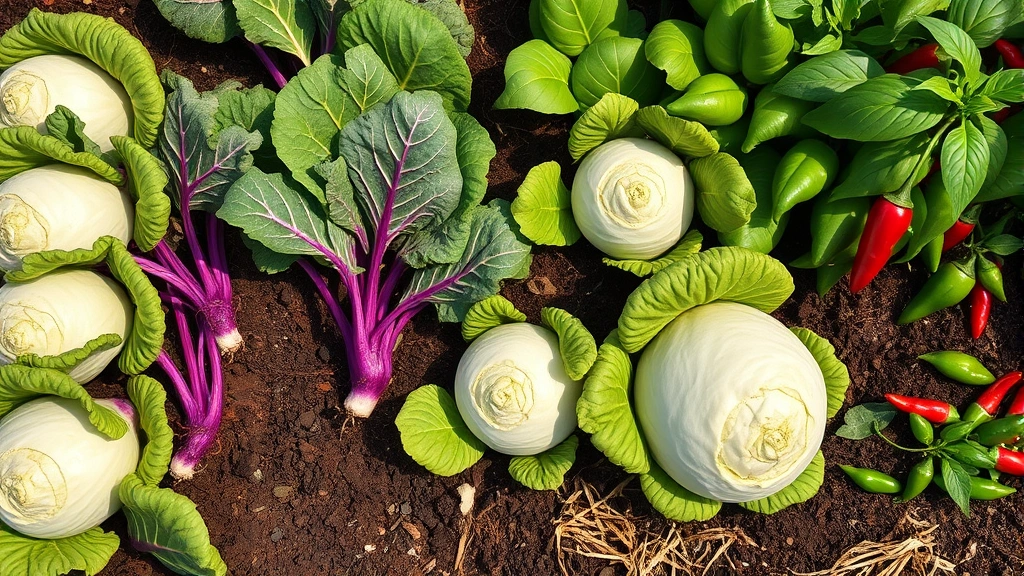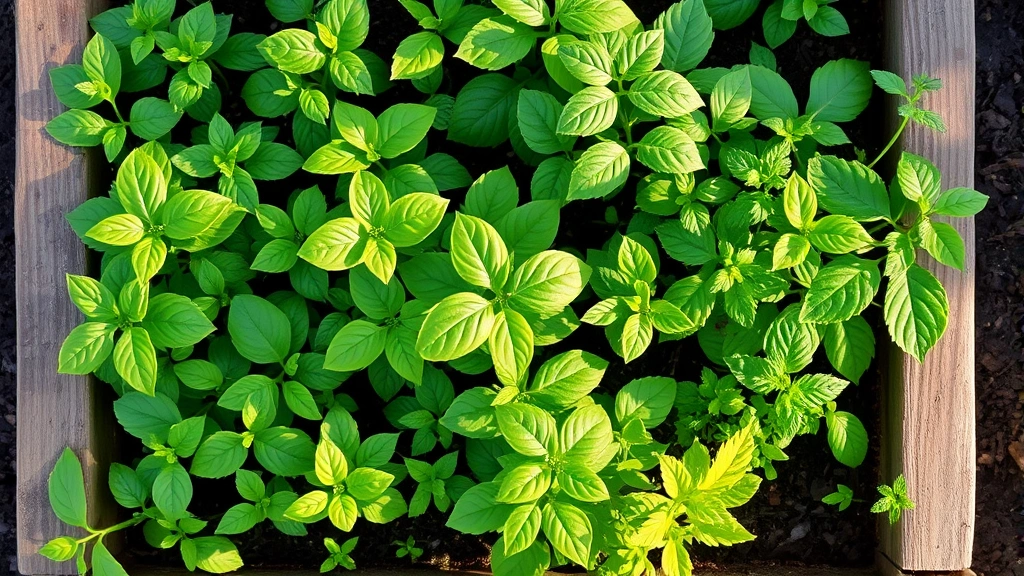
Growing a pho garden transforms your culinary experience by providing fresh, authentic ingredients right from your backyard. Pho, the beloved Vietnamese soup, requires specific herbs and vegetables that thrive in home gardens, making it an exciting project for beginner gardeners. This comprehensive guide walks you through everything you need to know about cultivating the essential components of this aromatic dish.
A successful pho garden combines traditional Vietnamese herbs like Thai basil, cilantro, and mint with vegetables such as bell peppers, onions, and tomatoes. Whether you’re planning a dedicated pho garden bed or integrating these plants into existing garden spaces, understanding their growing requirements ensures a bountiful harvest. The beauty of a pho garden lies in its flexibility—you can grow these ingredients in containers, raised beds, or directly in the ground, depending on your space and climate.

Essential Herbs for Your Pho Garden
Thai basil stands as the cornerstone herb in any authentic pho garden. This aromatic plant differs from sweet basil with its peppery, slightly licorice-like flavor that defines traditional pho bowls. Thai basil thrives in warm conditions, requiring full sun exposure (6-8 hours daily) and well-draining soil rich in organic matter. Plant seeds or seedlings after the last frost date, spacing them 12-18 inches apart. Regular pinching of flower buds encourages bushier growth and prevents early flowering, extending your harvest season significantly.
Cilantro, another indispensable pho garden ingredient, adds fresh, citrusy notes to the finished dish. This cool-season herb prefers temperatures between 50-70°F, making it ideal for spring and fall planting. Unlike Thai basil, cilantro bolts quickly in summer heat, so plan successive plantings every two weeks during favorable seasons. Direct sow seeds in garden beds or containers, barely covering them with soil. Thin seedlings to 6 inches apart once they develop true leaves. Cilantro’s rapid growth means you’ll harvest leaves within 3-4 weeks of planting.
Mint varieties, particularly spearmint and peppermint, provide refreshing flavor components for pho. These vigorous growers require containment in pots or designated garden sections to prevent overtaking other plants. Mint tolerates partial shade better than other pho herbs and actually prefers consistently moist soil. Propagate mint from cuttings placed in water until roots develop, then transplant to soil. Once established, mint requires minimal care, though regular harvesting keeps plants productive and prevents woody growth.
Vietnamese coriander, distinct from cilantro, offers a unique peppery taste highly valued in authentic pho recipes. This tropical herb demands warm temperatures (65°F minimum) and cannot tolerate frost. Start seeds indoors 6-8 weeks before your last frost date, or purchase nursery seedlings for faster results. Vietnamese coriander prefers partial shade in hot climates and consistently moist soil. Though less common than cilantro, this specialty herb elevates your pho garden’s authenticity significantly.
Perilla leaves, known as tía tô in Vietnamese cuisine, contribute distinctive mint-like flavors with subtle licorice notes. These tender annuals grow quickly from seed and tolerate partial shade. Perilla self-seeds readily, potentially providing volunteers in subsequent seasons. Plant seeds after frost danger passes, spacing seedlings 12 inches apart. The large, attractive foliage makes perilla as ornamental as it is culinary, creating visual interest in your pho garden.
Vegetable Selection and Cultivation
Bell peppers form the aromatic foundation of pho broth, with their sweet, slightly charred flavor enhancing the soup’s complexity. These warm-season vegetables require 60-90 days to maturity and thrive in full sun with consistent warmth. Start seeds indoors 8-10 weeks before your last frost date, as peppers germinate slowly. Transplant seedlings outdoors once nighttime temperatures consistently exceed 60°F. Space plants 18-24 inches apart in well-draining soil amended with compost. Support developing plants with stakes or cages to prevent fruit damage as peppers mature.
Onions provide the sweet, aromatic base for pho broth, requiring selection between bulbing varieties and green onions. For traditional pho, use white or yellow onion varieties that develop large bulbs. Plant sets or seedlings in early spring for summer harvest, spacing them 4-6 inches apart. Onions demand consistent moisture and benefit from regular feeding with balanced fertilizer. Green onions, conversely, reach harvestable size in just 60-70 days, making them perfect for succession planting throughout the growing season. Simply snip outer leaves as needed, allowing the plant to continue producing.
Tomatoes add depth and acidity to pho broths, with paste varieties concentrating flavor beautifully. Choose determinate paste tomatoes for cooking rather than large slicing varieties. Start seeds indoors 6-8 weeks before your last frost date and transplant once soil warms. Provide sturdy support structures, as productive tomato plants become heavy-laden. Water deeply and consistently, avoiding foliage to prevent disease. Harvest tomatoes when fully ripe for maximum flavor development. Consider growing supplementary vegetables alongside your pho garden to maximize garden space.
Leafy greens including garden lettuce and mustard greens traditionally accompany pho service. These cool-season crops germinate quickly and provide continuous harvests through regular cutting. Direct sow seeds every two weeks during spring and fall for uninterrupted supply. Lettuce varieties tolerate partial shade, proving invaluable during hot summers. Mustard greens add peppery notes and grow even more vigorously than lettuce, often producing harvestable leaves within 40 days of planting.
Garlic and ginger, while not always grown together, deserve mention as essential pho flavor builders. Garlic requires 6-8 months to mature, necessitating fall planting for summer harvest. Separate bulbs into individual cloves and plant pointed-end-up, 2 inches deep and 4-6 inches apart. Ginger, conversely, thrives only in warm climates and demands consistent moisture and partial shade. Plant rhizome pieces with visible buds in spring, providing 8-10 months of growth before fall harvest.
Setting Up Your Pho Garden Space
Location selection profoundly impacts pho garden success. Choose a spot receiving 6-8 hours of direct sunlight daily, essential for herbs and vegetables to develop robust flavor profiles. Afternoon shade in hot climates prevents bolting in cool-season crops and reduces heat stress on tender plants. Ensure adequate water access, as consistent moisture supports healthy growth. Consider proximity to your kitchen for convenient harvesting during meal preparation.
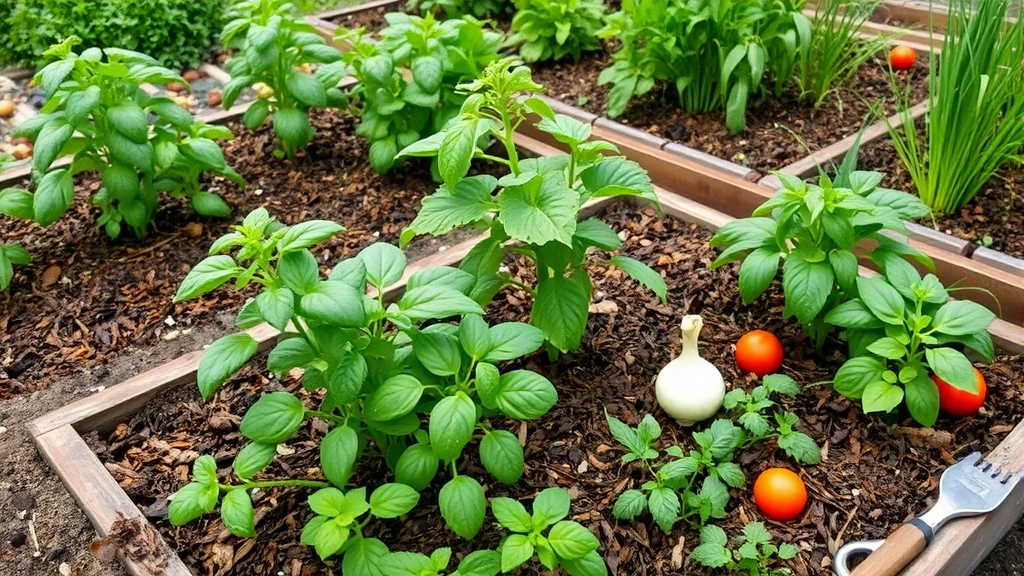
Raised bed gardening offers significant advantages for pho gardens, particularly for beginners. Raised beds provide superior drainage, prevent soil compaction, and allow customization of soil composition. Build 4×8-foot beds from untreated cedar or composite materials, filling with high-quality garden soil amended with 3-4 inches of compost. This investment pays dividends through easier maintenance, better pest management, and improved plant vigor. Raised beds also accommodate various plant heights, with trailing herbs cascading over edges and taller vegetables anchored securely behind.
Container gardening provides flexibility for apartment dwellers or those with limited space. Select containers at least 12 inches deep for herbs and 18-24 inches for vegetables. Ensure drainage holes prevent waterlogging, and use high-quality potting mix rather than garden soil. Group containers together to create a cohesive pho garden while allowing air circulation. Container gardens require more frequent watering than in-ground plantings, particularly during hot weather, but offer portability and pest control advantages.
Soil preparation determines long-term pho garden productivity. Test your existing soil’s pH and nutrient content through your local master gardener program, which provides expert guidance tailored to your region. Most pho vegetables prefer slightly acidic soil (pH 6.0-7.0) rich in organic matter. Amend garden beds with 2-3 inches of finished compost before planting, improving drainage while increasing nutrient availability. Ongoing mulching with 2-3 inches of organic material suppresses weeds, regulates soil temperature, and gradually enriches soil as it decomposes.
Vertical growing maximizes limited space while improving air circulation around plants. Garden arch trellis systems accommodate vining vegetables and provide visual interest. Train pepper plants and tomatoes upward using string or soft ties, preventing fruit from resting on soil where disease develops. Hanging baskets showcase trailing mint and cilantro varieties, creating fragrant focal points while preserving ground-level space.
Seasonal Planting and Timing
Spring represents the ideal season for establishing warm-season pho garden components. Once soil temperatures reach 60°F and frost danger passes, transplant pepper and tomato seedlings started indoors. Direct sow basil seeds after nighttime temperatures consistently exceed 55°F, as cold soil causes seed rot. Plant onion sets or seedlings as soon as soil becomes workable. Spring planting ensures plants mature during summer’s warmth, providing peak harvests for fresh pho preparation.
Summer requires strategic timing to maintain cool-season herb production. Cilantro and lettuce bolt rapidly in intense heat; succession plant every two weeks in partially shaded locations where afternoon sun is filtered. Mulch heavily around these crops to moderate soil temperatures. Continue harvesting basil and mint regularly, as consistent picking prevents flowering and extends productivity. Monitor moisture levels carefully, as container plants may require daily watering during heat waves.
Fall offers ideal conditions for establishing cool-season crops. Direct sow cilantro, lettuce, and mustard greens in late summer for autumn harvest. These crops thrive in cooling temperatures, developing superior flavor compared to spring plantings. Transplant perennial herbs like mint into prepared beds, allowing time for root establishment before winter dormancy. Begin garlic planting in October, as winter dormancy strengthens cloves before spring growth commences.
Winter gardening depends on your climate zone. In mild regions, cool-season crops continue producing throughout winter. In cold climates, focus on protecting perennial herbs with heavy mulch or moving containers to sheltered locations. Plan next season’s garden layout, order specialty seeds, and prepare seedling areas for spring. Winter provides excellent time for soil testing and amendment planning, ensuring optimal growing conditions when spring arrives.
Pest Management and Plant Health
Healthy plants resist pests and diseases more effectively than stressed specimens. Provide consistent moisture without waterlogging, as both drought and excessive water weaken plants. Maintain proper spacing to ensure air circulation, reducing fungal disease incidence. Remove diseased foliage promptly, disinfecting pruning tools between cuts with a 10% bleach solution. Inspect plants regularly, catching pest infestations early when management is simplest.
Common pho garden pests include spider mites, aphids, and whiteflies, all manageable through organic methods. Strong water sprays dislodge many soft-bodied insects; follow with insecticidal soap for persistent infestations. Neem oil addresses both insects and fungal issues, though application during cool morning or evening hours prevents leaf burn. Introduce beneficial insects like ladybugs and lacewings, which naturally control pest populations. Companion planting with marigolds and nasturtiums attracts beneficial insects while potentially deterring some pests.
Powdery mildew and leaf spot diseases develop in humid conditions with poor air circulation. Improve ventilation by removing lower leaves and thinning crowded plants. Apply sulfur dust or potassium bicarbonate fungicides at disease onset, following product instructions carefully. Prevent disease spread by watering soil directly rather than overhead, keeping foliage dry. Remove and destroy heavily infected plants rather than treating, preventing disease spread to healthy specimens.
Nutrient deficiencies manifest through specific symptoms: yellowing lower leaves indicate nitrogen deficiency, while purple coloration suggests phosphorus limitation. Apply balanced organic fertilizers every 3-4 weeks during active growth, or use slow-release formulations applied at planting. Container plants require more frequent feeding due to nutrient leaching through drainage holes. Foliar feeding with liquid seaweed or fish emulsion provides quick nutrient boosts when deficiency symptoms appear.
Harvesting and Storage Tips
Proper harvesting timing ensures peak flavor and plant productivity. Pick basil leaves just before flower buds open, as flowering reduces leaf quality and plant vigor. Harvest cilantro leaves when plants reach 6 inches tall, cutting outer leaves first to encourage continued growth. Pinch mint tips regularly, promoting bushier growth while providing fresh harvests. Green onions reach usable size 60-70 days after planting; snip outer leaves, allowing inner leaves to continue growing. Bell peppers develop sweetness as they mature and color; harvest at any stage, though fully colored peppers offer maximum nutritional content.
Fresh herb storage extends your pho garden’s usefulness. Wash and thoroughly dry herbs before storage to prevent mold development. Cilantro and parsley store in water like cut flowers, covered with plastic bags in refrigerator for 7-10 days. Basil deteriorates in cold; store at room temperature in water, refreshing water every 2-3 days for 5-7 days maximum. Mint stores similarly to basil, thriving at room temperature. For longer preservation, freeze herbs in ice cube trays with water or oil, providing convenient portions for winter cooking.
Vegetable storage depends on type and ripeness. Tomatoes store at room temperature away from direct sun, maintaining flavor better than refrigerated specimens. Bell peppers store in refrigerator crisper drawers for 1-2 weeks. Onions store in cool, dry locations with good air circulation, lasting months under proper conditions. Garlic stores similarly to onions, remaining viable for 4-6 months in appropriate conditions. Leafy greens require refrigeration in plastic bags, lasting 5-7 days. Ginger stores in cool, dark conditions or refrigerator, remaining usable for several weeks.
Consider preserving excess harvests through fermentation, drying, or freezing. Dry basil and mint by hanging bundles in warm, well-ventilated areas, then storing in airtight containers. Freeze bell peppers by dicing and freezing in containers; they work excellently in cooked pho though texture changes make them unsuitable for raw preparations. Fermented chilies and vegetables develop complex flavors perfect for pho accompaniments. Explore Cornell University’s gardening resources for detailed preservation techniques.
FAQ
Can I grow a pho garden indoors?
Yes, indoor pho gardens work excellently with proper lighting. Herbs like basil, cilantro, and mint thrive under grow lights providing 12-14 hours of light daily. Position lights 6-12 inches above plants, adjusting height as plants grow. Use seed-starting mix in containers with drainage holes, maintaining consistent moisture without waterlogging. Indoor gardens offer year-round production regardless of outdoor climate, though space limitations restrict vegetable quantities.
How long before I harvest pho garden herbs?
Cilantro and green onions reach harvestable size in 3-4 weeks from planting. Basil requires 4-6 weeks from transplant before leaf harvesting begins. Mint produces harvestable leaves within 4-5 weeks. Bell peppers require 60-90 days to flower and develop fruit. Tomatoes need 70-85 days from transplant to first ripe fruit. Cool-season crops generally mature faster than warm-season vegetables.
What’s the best container size for pho garden herbs?
Herbs like basil, cilantro, and mint thrive in 12-inch diameter containers with adequate drainage. Larger containers (18-24 inches) accommodate multiple herb varieties planted together, creating attractive arrangements. Bell peppers and tomatoes require minimum 18-24 inch containers, preferably 5-gallon buckets or larger. Ensure containers have drainage holes and use quality potting mix rather than garden soil.
How often should I water my pho garden?
Container plants require daily watering during warm weather, sometimes twice daily in extreme heat. In-ground gardens typically need 1-2 inches weekly through rainfall or irrigation. Check soil moisture 2-3 inches deep; water when soil feels dry at that depth. Mulching reduces watering frequency by conserving moisture. Morning watering allows foliage to dry, reducing disease pressure.
Can I grow pho garden plants year-round?
In frost-free climates, many pho plants grow year-round with appropriate variety selection. Cool-season crops (cilantro, lettuce, mustard greens) thrive in winter months, while warm-season plants (basil, peppers, tomatoes) require frost protection. In cold climates, grow warm-season plants spring through fall, transitioning to cool-season crops. Container plants offer flexibility, moving indoors or to sheltered locations during cold snaps.
What should I plant alongside my pho garden vegetables?
Companion planting enhances pho garden productivity and pest management. Plant marigolds throughout beds to deter aphids and spider mites. Nasturtiums attract beneficial insects while potentially diverting pests. Basil improves tomato flavor and deters some insects. Garlic and onions provide natural pest deterrents. Avoid planting fennel near most vegetables, as it inhibits growth in many species. University of Kentucky Horticulture offers detailed companion planting guides.
Do pho garden plants need fertilizer?
Most pho garden plants benefit from regular fertilization. Apply balanced organic fertilizer (10-10-10) every 3-4 weeks during active growth. Container plants require more frequent feeding due to nutrient leaching. Herbs require less nitrogen than vegetables; excessive nitrogen produces leafy growth at expense of flavor. Slow-release fertilizers applied at planting reduce management requirements. Compost amendments provide gentle, ongoing nutrition.