
Creating an Oriental Garden? Expert Insights for Timeless Beauty
An oriental garden represents one of gardening’s most refined and philosophical expressions, blending aesthetics with spiritual meaning. Unlike Western gardens that often emphasize abundance and color, oriental gardens prioritize balance, simplicity, and the relationship between natural and human-made elements. Whether you’re drawn to the serene landscapes of Japanese zen gardens or the intricate designs of Chinese classical gardens, creating an oriental garden requires understanding both practical horticultural techniques and the deeper principles that guide these ancient traditions.
This comprehensive guide will walk you through the essential elements needed to transform your outdoor space into a tranquil oriental sanctuary. From selecting appropriate plants to designing water features and understanding the symbolism behind every element, you’ll discover how to create a garden that not only looks stunning but also serves as a peaceful retreat from daily life. The beauty of an oriental garden lies in its ability to evoke emotion and contemplation through carefully considered design choices.
Understanding Oriental Garden Philosophy
Before breaking ground on your oriental garden project, it’s essential to grasp the philosophical foundations that distinguish these spaces from conventional Western landscapes. Oriental gardens, particularly those influenced by Japanese and Chinese traditions, are built upon principles that extend far beyond mere decoration. They represent miniaturized versions of natural landscapes, designed to encourage reflection and spiritual connection.
The concept of “borrowed scenery” (shakkei in Japanese) is fundamental to oriental garden design. This technique incorporates distant views—mountains, buildings, or trees beyond your property—into the perceived landscape. By strategically positioning plants and structures, you create sight lines that make your garden appear larger and more connected to the surrounding environment. This principle works beautifully even in small urban spaces, where you might frame a neighbor’s mature tree or distant hillside as part of your garden’s composition.
Balance and harmony are equally crucial. Rather than symmetry, oriental gardens embrace asymmetrical balance, where different elements carry visual weight without being mirror images. A single tall stone might balance three smaller rocks, or a flowering cherry tree might be counterweighted by an area of carefully raked gravel. This approach creates dynamic visual interest while maintaining a sense of calm and order.
The five elements—water, stone, plants, structures, and space—work together in oriental garden design. Each element serves both practical and symbolic purposes. Understanding how these components interact will guide your planting choices, layout decisions, and overall aesthetic direction. When preparing garden soil for a thriving garden, remember that oriental gardens often feature specific soil compositions for different planting areas, from well-draining areas for alpine plants to moisture-retentive zones for shade-loving species.
Essential Design Principles
Creating an effective oriental garden requires understanding and applying specific design principles that have been refined over centuries. These principles transcend cultural boundaries and can be adapted to various climates and property sizes.
Simplicity and restraint form the foundation of oriental garden design. Rather than filling every square inch with plants and features, oriental gardens celebrate empty space. This negative space—whether it’s an area of raked gravel, a lawn, or a quiet pond—provides visual rest and allows the eye to appreciate individual elements more fully. Many Western gardeners struggle with this concept, feeling compelled to fill gaps, but restraint is what gives oriental gardens their distinctive character and tranquility.
Asymmetry and odd numbers appear throughout oriental gardens. Plant groupings typically feature three, five, or seven specimens rather than even numbers. This creates visual dynamism and mirrors patterns found in nature, where perfect symmetry rarely occurs. When designing your layout, think in terms of odd groupings and avoid centering major features directly in the middle of your space.
Layering and depth make gardens feel more expansive. By creating distinct foreground, middle ground, and background layers, you guide the viewer’s eye through the space and create the illusion of greater depth. This is particularly valuable if you’re working with a small property. Tall plants in the background, medium-height specimens in the middle, and low groundcovers or stones in the foreground create this essential layering effect.
Seasonal progression matters significantly in oriental garden planning. Rather than aiming for constant peak bloom, these gardens are designed to showcase different plants and features throughout the year. Spring might highlight flowering cherries and azaleas, summer features the textures of foliage and water features, autumn displays changing leaves and chrysanthemums, and winter reveals the elegant branch structures of deciduous plants. This seasonal awareness connects your garden to the natural rhythms of the year.
Selecting Plants for Your Oriental Garden
Plant selection is where many aspiring oriental gardeners begin, though understanding design principles first ensures you choose specimens that will support your overall vision. The plant palette in oriental gardens is typically more restrained than in other garden styles, with careful attention to form, texture, and seasonal interest.
Trees form the backbone of an oriental garden. Japanese maple (Acer palmatum) is perhaps the most iconic choice, prized for its delicate dissected foliage, elegant branch structure, and spectacular autumn color. Varieties range from dwarf cultivars suitable for small spaces to larger specimens that can serve as focal points. Other excellent tree choices include flowering cherries (Prunus species), which provide spring blossoms and often attractive bark; crape myrtles (Lagerstroemia), which offer summer flowers and exfoliating bark; and various pine species, which provide year-round structure and can be pruned into distinctive forms.
When considering gardening with native plants, you might select species indigenous to regions with similar climates to traditional oriental gardens. This approach supports local ecosystems while maintaining aesthetic principles. Many native trees and shrubs can be incorporated into oriental garden designs when selected for their form and seasonal characteristics.
Shrubs and understory plants provide the mid-layer structure essential for depth and year-round interest. Evergreen selections like Japanese holly (Ilex crenata), boxwood (Buxus species), and dwarf conifers create permanent structure and can be subtly pruned into natural forms or more sculptural shapes. Deciduous shrubs such as deutzia, weigela, and viburnum offer seasonal flowers and foliage interest. Azaleas and rhododendrons, with their spectacular spring blooms and attractive foliage, are traditional oriental garden staples that work well in acidic soils.
Groundcovers and herbaceous plants complete the planting composition. Japanese forest grass (Hakonechloa macra) creates soft, flowing texture in shade, while mondo grass (Ophiopogon) provides fine-textured, low coverage. Hostas offer varied foliage colors and patterns, from chartreuse to deep blue-green. Ferns contribute delicate texture and thrive in moist, shaded areas. Seasonal bloomers like Japanese anemones, hellebores, and coral bells add color without overwhelming the garden’s sense of calm.
Bamboo deserves special attention in oriental gardens, as it provides vertical interest, rustling sound, and elegant form. However, running bamboo species can become invasive; contain them within buried barriers or use clumping varieties like Fargesia robusta. Bamboo screens and groves create natural privacy barriers and add authentic oriental character.
When selecting plants, consider your gardening blog and local growing conditions carefully. Check hardiness zones, moisture requirements, and light needs to ensure your selections will thrive. Many traditional oriental garden plants prefer partial shade, well-draining soil enriched with organic matter, and protection from harsh afternoon sun.
Water Features and Stone Elements
Water and stone are the two most important non-plant elements in oriental garden design, each carrying deep symbolic meaning and practical function.
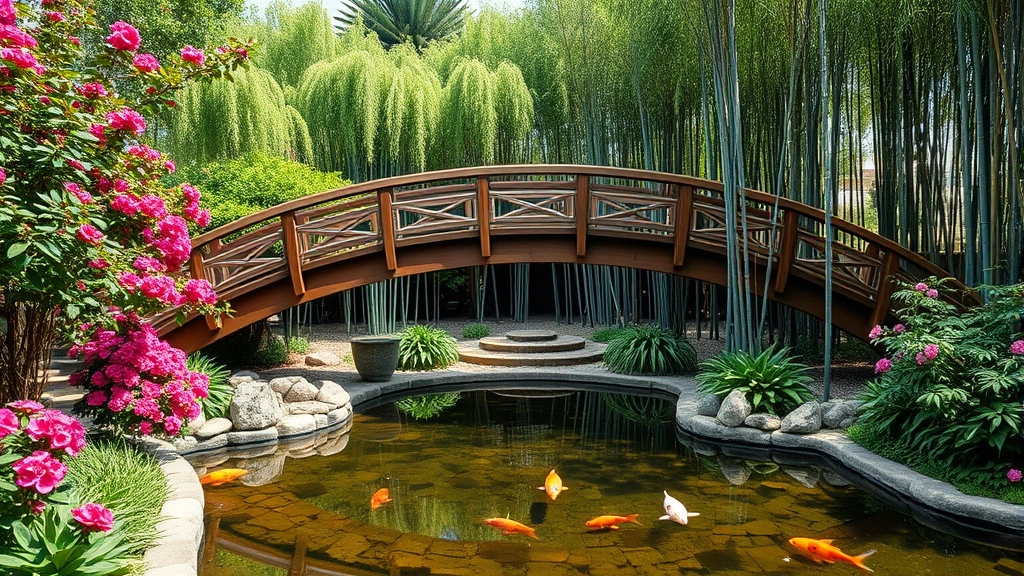
Water features represent life, movement, and purification in oriental philosophy. A simple recirculating stream might be your first choice, as it requires minimal space and maintenance while providing the soothing sound of flowing water. Koi ponds create focal points and add living movement, though they require more sophisticated filtration and maintenance. Even a modest water basin or tsukubai (a traditional Japanese water basin used for purification) can serve as a significant design element. When incorporating water features, position them where you can see and hear them from primary viewing areas—patios, windows, or garden benches.
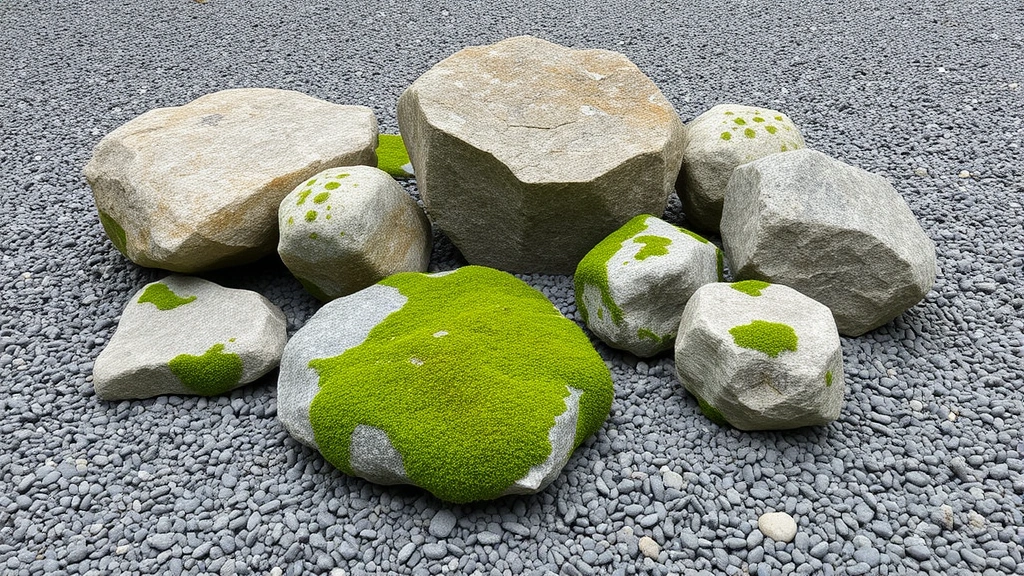
Stone selection and placement is perhaps the most critical aspect of oriental garden construction. Stones represent permanence, strength, and the bones of the natural landscape. Japanese garden designers follow specific principles for stone placement: the largest stone should be positioned first, establishing the composition’s anchor; additional stones should be grouped in odd numbers; and their arrangement should suggest natural placement, as though they’ve rested in that location for centuries.
Different stone types convey different qualities. Granite suggests strength and permanence, while softer stones like limestone evoke gentleness. Rocks with interesting shapes, colors, or weathering patterns become focal points. Flat stones create pathways and sitting areas, while vertical stones might frame views or mark transitions between garden spaces. The texture and color of stones should complement your plant selections and local landscape character.
Gravel and sand serve both aesthetic and practical functions. Fine gravel or sand is typically raked into patterns that suggest water movement, clouds, or ripples. This raked surface requires maintenance but creates meditative visual interest and defines different garden zones. Coarser gravel provides excellent drainage for alpine plants and creates satisfying crunching sounds underfoot.
Hardscaping and Structural Elements
Structures within an oriental garden should appear as natural extensions of the landscape rather than imposing elements. Traditional structures include pavilions, tea houses, bridges, and gates, though simplified versions suit most residential properties.
Pathways guide visitors through your garden and reveal different views and experiences. Stepping stones encourage slow, contemplative movement while distributing foot traffic and protecting surrounding plants. Paths can be straight or gently curved; straight paths suggest purposeful movement, while curved paths create mystery and encourage exploration. Stepping stones should be spaced appropriately for comfortable walking—typically about 18-24 inches apart for adults—and set flush with or slightly above surrounding ground to prevent tripping.
Bridges, even simple arched bridges over small streams or dry creek beds, create focal points and symbolize transitions between spaces or between the mundane and spiritual worlds. A bridge doesn’t require water underneath to be effective; it can span a planted area or simply mark the boundary between garden zones.
Fencing and screens provide privacy and define garden boundaries. Traditional oriental fences feature open designs that maintain visual connection with surroundings while creating shelter. Bamboo fencing, woven willow screens, or simple horizontal rails create appropriate barriers without completely obscuring views. Screens can also be living elements—tall plants or trained vines create natural privacy while integrating with the overall planting scheme.
Garden structures like pergolas, arbors, or small pavilions provide shade and create intimate gathering spaces. These should be sized appropriately to your property and designed to showcase climbing plants or frame views. A small tea house or meditation pavilion becomes a destination within your garden, encouraging visitors to experience different vantage points.
Creating Focal Points and Views
Successful oriental gardens carefully orchestrate views and focal points that reward exploration and encourage contemplation. Rather than revealing the entire garden at once, these spaces unfold gradually, with each turn revealing new compositions.
Primary focal points might include a specimen tree, a water feature, a striking stone, or an architectural element. Position these where they’ll be visible from primary viewing areas—your patio, main windows, or favorite garden seating spot. A focal point should draw the eye naturally and encourage visitors to move toward it.
Secondary views reward exploration and provide interest as visitors move through the space. A glimpse of water through plants, a distant stone arrangement, or a flowering shrub visible only from certain angles creates surprise and delight. These secondary views prevent the garden from feeling static and encourage return visits as seasons change.
Borrowed scenery deserves mention again, as it’s such a powerful design tool. Frame views of significant trees, architectural features, or landscape elements beyond your property. Remove or prune vegetation strategically to create sight lines that incorporate these external elements into your garden composition. This technique makes small properties feel more expansive and connects your garden to its broader context.
Seasonal focal points shift throughout the year. Spring might feature a flowering cherry or magnolia as the primary focal point; summer shifts attention to foliage textures and water features; autumn highlights changing leaves and late-blooming plants; and winter emphasizes evergreen forms, branch structures, and stone elements. By planning seasonal focal points, you ensure your garden remains interesting year-round.
Seasonal Considerations and Maintenance
Oriental gardens require thoughtful seasonal management to maintain their character and health. Unlike high-maintenance flower gardens, these spaces benefit from selective, mindful care.
Spring brings the garden’s most spectacular display, with flowering cherries, magnolias, azaleas, and rhododendrons creating temporary bursts of color. Prune spring-flowering shrubs immediately after bloom to allow time for new growth and next year’s flower formation. Remove winter-damaged foliage and mulch beds with fresh organic material. Divide hostas and other perennials as new growth emerges.
Summer focuses on maintaining plant health and enjoying foliage texture and form. Water deeply and less frequently to encourage deep root development, particularly during establishment years. Deadhead spent flowers on plants where bloom encourages continued flowering. Maintain pathways and raked gravel areas. Prune to maintain desired forms and remove any crossing or diseased branches. Consider the garden’s sound landscape—water features and rustling bamboo become more noticeable in quiet summer evenings.
Autumn showcases changing foliage, late-blooming plants like chrysanthemums and Japanese anemones, and the elegant forms of deciduous trees as they lose their leaves. Minimize leaf removal; falling leaves create natural mulch and become part of the garden’s visual narrative. Plant spring-blooming bulbs like daffodils, tulips, and alliums. Prepare water features for potential freezing.
Winter reveals the garden’s structural skeleton—branch forms, evergreen plants, and stone elements become the primary visual elements. Prune deciduous plants while dormant, removing crossing branches and maintaining natural forms. Protect tender plants from harsh weather. Maintain pathways for safe access. In colder climates, drain water features and protect them from ice damage. Winter is an excellent time for major structural work or additions.
General maintenance principles align with the garden’s philosophy of restraint and respect for natural processes. Avoid over-pruning or shearing plants into artificial shapes unless you’re specifically creating a formal clipped hedge. Allow plants to express their natural forms while guiding growth to support your design vision. Deadhead selectively to extend bloom periods without obsessively removing every spent flower. Let seed heads remain on some plants for winter interest and wildlife food.
When considering garden tools, invest in quality hand tools suited to detailed work. Japanese pruning tools, including folding saws and shears, are specifically designed for the precise work oriental gardens require. Sharp tools make cleaner cuts that heal more quickly and look more refined.
FAQ
What size property do I need for an oriental garden?
Oriental gardens can be created at any scale, from small urban balconies to large estates. The principles remain consistent regardless of size; you simply adjust the number and scale of elements. A 20-by-20-foot space can include a water feature, specimen tree, pathway, and seating area. The key is thoughtful composition rather than square footage.
Can I create an oriental garden in a shaded area?
Absolutely. Many traditional oriental plants—hostas, ferns, Japanese forest grass, and shade-tolerant shrubs—thrive in partial to full shade. Shade gardens can be particularly serene, as dappled light creates moving patterns and soft illumination. Choose plants carefully based on your specific light conditions, but shade is not a limitation.
How much maintenance does an oriental garden require?
Oriental gardens typically require less maintenance than heavily planted flower gardens. Once established, they benefit from seasonal pruning, occasional weeding, and mulch replenishment. Raked gravel areas need regular maintenance, and water features require appropriate upkeep. Most gardeners find the work meditative rather than burdensome.
Can I incorporate native plants into an oriental garden design?
Yes. When gardening with native plants, select species that match the aesthetic principles of oriental gardens—those with elegant forms, interesting textures, and seasonal variation. Native Japanese maples, dogwoods, serviceberries, and various ferns work beautifully in designs that honor both oriental principles and local ecology.
What’s the best way to start creating an oriental garden?
Begin by studying oriental garden principles and visiting examples if possible. Sketch your space and identify focal points, sight lines, and areas for different elements. Start with structural elements—pathways, water features, and specimen plants—before filling in with supporting vegetation. Many successful gardens evolve over several years as plants mature and you refine your vision.
How do I choose between Japanese and Chinese garden styles?
Japanese gardens emphasize simplicity, restraint, and spiritual connection, often featuring asymmetrical compositions and natural forms. Chinese gardens typically include more elaborate structures, symbolic elements, and connections between indoor and outdoor spaces. Both can be adapted to residential settings; choose based on your personal aesthetic preference and available space.


