
Visit Normandale Japanese Garden? Insider’s Guide
Nestled in the heart of Minnesota, the Normandale Japanese Garden represents one of the Upper Midwest’s most serene and thoughtfully designed horticultural destinations. This hidden gem combines authentic Japanese landscape design principles with Minnesota’s distinctive climate and native flora, creating a space where both seasoned gardeners and casual visitors find inspiration. Whether you’re planning your first visit or returning to explore new seasonal displays, understanding what makes this garden special enhances your experience significantly.
The Normandale Japanese Garden demonstrates how traditional Eastern design philosophy can flourish in contemporary American settings. From meticulously pruned specimens to carefully composed stone arrangements, every element serves a purpose rooted in centuries-old horticultural tradition. This guide provides insider knowledge about visiting this remarkable space, including seasonal highlights, design features worth studying, and practical tips for maximizing your visit.
Garden History and Design Philosophy
The Normandale Japanese Garden emerged from a visionary collaboration between landscape architects, horticulturists, and Japanese design experts who recognized the potential for creating an authentic meditation space within Minnesota’s landscape. The garden’s foundation rests on fundamental principles derived from centuries of Japanese aesthetic tradition, where nature isn’t simply displayed but orchestrated with intentional restraint and profound purpose.
At its core, Japanese garden design emphasizes harmony between human presence and the natural world. Unlike Western gardens that often celebrate horticultural abundance, Japanese gardens employ negative space as actively as planted areas. This philosophy means empty ground, carefully raked gravel, and strategically placed stones carry equal visual weight to flowering plants and trees. Visitors to Normandale experience this balance immediately—the garden never feels crowded despite its diverse plantings.
The design incorporates several classical Japanese garden types. Stroll gardens encourage visitors to move through carefully composed vistas, with each turn revealing new perspectives. Viewing gardens provide specific standpoints where the entire composition appears perfectly balanced. Tea gardens create intimate, contemplative spaces. Understanding these distinct zones helps visitors appreciate the intentionality behind every path and planting decision throughout the property.
The horticultural selections reflect deep knowledge of Minnesota’s growing conditions combined with traditional Japanese plant preferences. This practical approach demonstrates how gardening with native plants can coexist with non-native ornamental species when thoughtfully integrated. The garden team selected specimens that thrive locally while maintaining aesthetic principles central to Japanese design.
Seasonal Highlights Throughout the Year
Spring transforms Normandale into a celebration of renewal and subtle color. Cherry blossoms appear in mid-to-late April, their brief blooming period embodying the Japanese concept of mono no aware—the pathos of things. Pale pink and white petals drift across dark stone pathways, creating ephemeral beauty that reminds visitors of life’s transience. Magnolias contribute deeper pink tones, while early flowering shrubs add understated interest. Spring visitors witness the garden’s most colorful period, yet even this abundance maintains Japanese restraint.
Emerging foliage in spring showcases why Japanese gardeners value leaf texture and form as much as flowers. Fresh green maple leaves, unfolding hostas, and delicate fern fronds create layers of visual interest that sustain through summer when flowering diminishes. The garden’s design philosophy means spring’s floral display never overwhelms the compositional balance—flowers enhance rather than dominate the landscape.
Summer at Normandale emphasizes verdant tranquility and the play of light through canopy layers. Mature tree coverage provides respite from Minnesota’s sometimes intense heat, creating microclimates where shade-loving plants flourish. Water features become increasingly important, with koi ponds and streams offering both visual and auditory refreshment. The sound of water moving over stones creates a meditative backdrop for contemplation.
Summer’s green palette might seem monotonous to those expecting constant floral displays, yet Japanese garden aesthetics reveal extraordinary depth in monochromatic compositions. Variations in leaf color—from chartreuse to deep forest green—variations in texture, and the interplay of light and shadow provide visual richness. Visitors who slow down and observe closely discover why Japanese gardeners consider summer the season of profound beauty.
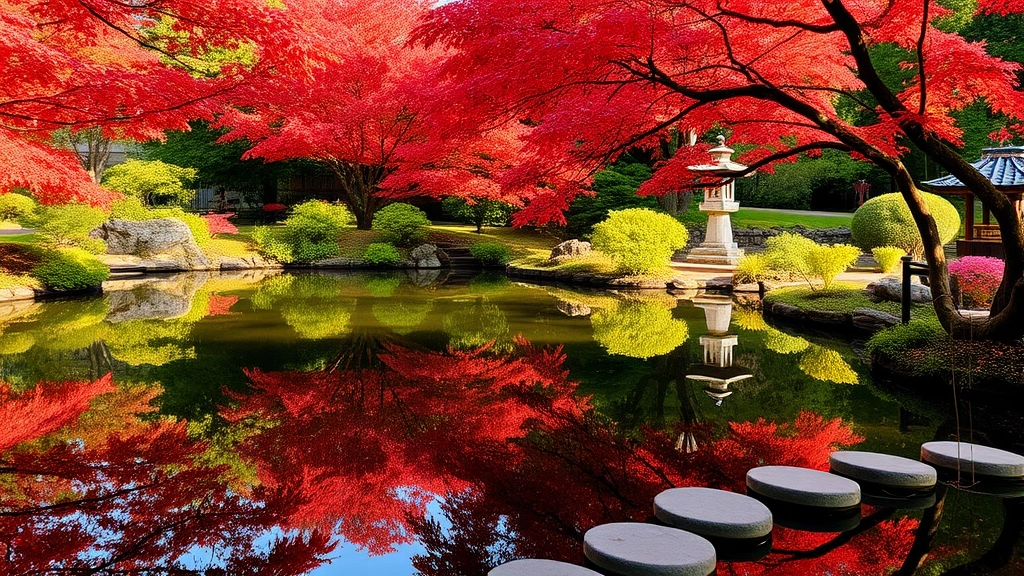
Autumn brings dramatic transformation as deciduous trees shift through brilliant reds, oranges, and golds. Japanese maple cultivars provide the most spectacular color, their delicate foliage creating fiery displays against dark stone and water. This season draws peak visitation, and rightfully so—autumn at Normandale captures the essence of seasonal change that Japanese aesthetics celebrate. Falling leaves accumulate artfully, sometimes left in arrangements that extend the garden’s compositional intent.
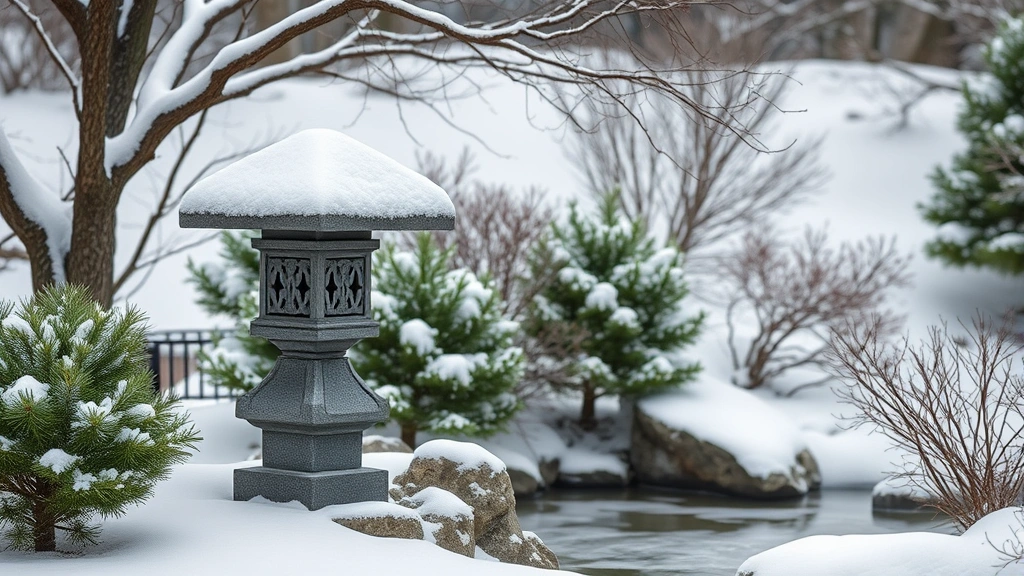
Winter reveals the garden’s skeletal structure, exposing design elements hidden by foliage during other seasons. Stone lanterns emerge with new prominence, snow collecting on their surfaces. Evergreen plantings provide essential color and structure. The winter garden demands closer observation—visitors must look deeper to appreciate the subtle beauty of branch structure, frozen water features, and the interplay of snow and stone. Many experienced visitors consider winter the most contemplative season.
Key Garden Features and Zones
The Normandale Japanese Garden divides into distinct functional and aesthetic zones, each serving specific purposes within the overall composition. Understanding these areas enhances visitor appreciation and guides your path through the garden strategically.
The Entry Garden establishes tone immediately. A modest entry gate—neither grand nor inconspicuous—welcomes visitors into a transitional space where everyday concerns begin to fade. The entry path deliberately prevents seeing the entire garden at once, embodying the principle of progressive revelation. Each step forward unveils new compositions, maintaining visitor interest and encouraging contemplative movement.
Water Features constitute the garden’s central organizing principle. Koi ponds reflect sky and surrounding plantings, doubling the visual landscape. Streams and waterfalls create movement and sound that anchors the meditative experience. The water garden demonstrates the importance of proper irrigation and water management in creating sustainable garden ecosystems. Observing koi behavior provides unexpected entertainment—their methodical movements complement the garden’s contemplative pace.
Stone Arrangements carry profound symbolic meaning in Japanese design. Large boulders represent mountains and permanence. Smaller stone groupings suggest islands and natural rock formations. Flat stepping stones create pathways that dictate visitor movement while maintaining the garden’s composition from every angle. The careful placement of gravel—sometimes raked in patterns suggesting water movement—demonstrates how garden soil preparation extends beyond planting beds to encompass hardscape elements as well.
Tree Canopy Layers create the garden’s primary vertical structure. Large specimen trees provide overhead shelter and shade. Understory trees add intermediate height and seasonal color variation. Shrub layers beneath create density and definition. This tiered approach ensures year-round interest regardless of season while providing ecological benefits that support beneficial insects and wildlife.
Viewing Pavilions offer designated contemplation points where the garden composition appears optimally balanced. These structures—whether traditional tea houses or simple benches—provide necessary rest while positioning visitors to appreciate specific vistas. Japanese garden tradition holds that no view should be accidental; pavilion placement reflects decades of refinement to achieve perfect sight lines.
Best Times to Visit
Timing your Normandale Japanese Garden visit affects your experience significantly. Weekday mornings offer the most peaceful experience, particularly Tuesday through Thursday before noon. Weekends, especially autumn weekends, draw substantial crowds that can diminish the contemplative atmosphere. Early morning light, particularly in spring and fall, creates optimal photographic conditions and reveals the garden’s compositions with exceptional clarity.
Seasonal considerations extend beyond aesthetics to practical comfort. Spring visits (late April through May) offer pleasant temperatures, moderate crowds, and the garden’s most colorful displays. Summer visits (June through August) provide lush foliage but occasionally intense heat—visiting early morning or late afternoon increases comfort. Autumn visits (September through October) attract peak crowds but reward with spectacular color; consider visiting mid-week to avoid weekend congestion. Winter visits (November through March) offer solitude and unique beauty but require appropriate clothing for Minnesota’s cold climate.
Specific event timing can enhance your visit. Many gardens host special programs, tea ceremonies, or guided tours during peak seasons. Checking the garden’s calendar before visiting allows you to plan around events that match your interests. Some visitors prefer experiencing the garden undisturbed; others appreciate expert-led interpretation that deepens understanding of design principles and plant selections.
Photography and Composition Tips
The Normandale Japanese Garden presents extraordinary photographic opportunities for visitors interested in capturing its beauty. Understanding compositional principles enhances both your photography and your in-person experience.
Leading lines guide viewers through images just as pathways guide visitors through the garden. Photograph along paths, water edges, and stone arrangements to create images that pull viewers deeper into compositions. The garden’s deliberate design means most angles contain natural leading lines—use them intentionally.
Reflection photography doubles visual interest by capturing both landscape and its water reflection. Koi pond surfaces create mirror images that enhance compositional depth. Still water conditions—typically early morning—produce the clearest reflections. Slightly overcast conditions prevent harsh shadows while maintaining color saturation.
Framing techniques using foreground elements add depth and context. Photograph through tree branches, beneath pavilion structures, or around stone features to create layered compositions. These framing devices guide viewer attention while emphasizing the garden’s three-dimensional structure.
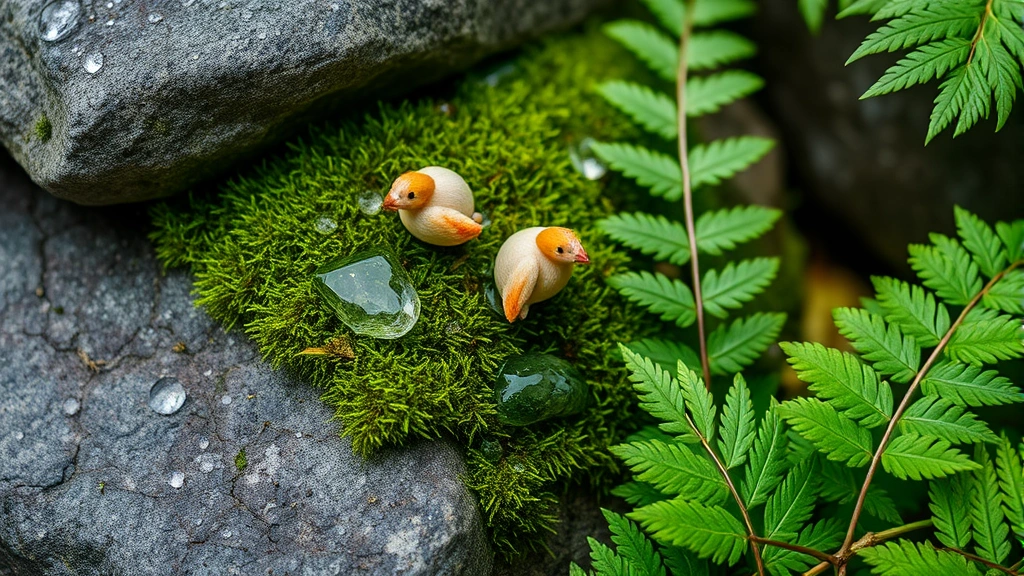
Detail photography reveals the garden’s intricate beauty. Macro shots of moss, stone texture, water droplets on leaves, and bark patterns showcase the attention to detail that defines Japanese aesthetics. These images remind viewers that gardens reward close observation and slow contemplation.
Seasonal color palettes should influence your camera settings and processing. Spring’s pastels require careful exposure metering to preserve delicate tones. Summer’s greens benefit from slightly increased saturation to convey verdant richness. Autumn colors photograph beautifully with natural contrast; avoid over-processing that appears artificial. Winter’s subtle tones require patience and careful composition to convey quiet beauty.
Practical Visitor Information
Successful Normandale Japanese Garden visits begin with practical preparation. Hours of operation vary seasonally, so checking current information before visiting prevents disappointment. Most Japanese gardens operate year-round, though winter hours may be limited. Sunrise and sunset visits during warm months offer exceptional light and solitude.
Accessibility considerations ensure all visitors can enjoy the garden. While traditional Japanese gardens feature stepping stones and uneven terrain—elements central to their design philosophy—most modern installations including Normandale provide accessible pathways for visitors with mobility challenges. Inquire about accessible routes when planning your visit.
Weather preparation enhances comfort significantly. Minnesota weather changes rapidly; bringing layers ensures comfort as temperatures shift. Appropriate footwear for potentially damp or uneven surfaces prevents accidents. Sunscreen and hats protect during sunny visits. Umbrellas work for light rain but may obstruct views; many visitors accept gentle precipitation as part of the natural experience.
What to bring affects visit quality. A notebook for jotting observations deepens engagement. A camera or smartphone captures memories and compositional ideas. Binoculars reveal wildlife details. Water bottles keep you hydrated. Leave behind excessive belongings—the garden rewards visitors who move unencumbered, free to fully absorb surroundings.
Photography regulations typically allow personal photography for non-commercial purposes. Tripods may be restricted during peak visiting hours to maintain accessibility. Inquire about regulations before setting up equipment. Respecting other visitors’ experiences means photographing without blocking pathways or monopolizing popular viewpoints.
Admission costs vary; some gardens request donations while others charge modest entry fees. These funds support maintenance, horticulture, and educational programming. Consider admission an investment in preserving this extraordinary resource.
Bringing Japanese Garden Principles Home
Visiting Normandale Japanese Garden often inspires visitors to incorporate Japanese design principles into their home landscapes. Understanding these principles allows you to create contemplative spaces regardless of available space or budget.
Miniaturization represents a fundamental Japanese concept—entire landscapes compressed into small areas. Container gardens, small courtyard spaces, and even indoor plant arrangements apply this principle. A modest corner garden incorporating stone, water, and carefully selected plants creates contemplative space without requiring extensive property.
Plant selection for Japanese-inspired gardens emphasizes form and texture over showy flowers. Japanese maples, ornamental grasses, hostas, and evergreens provide year-round structure. Flowering plants appear sparingly, their blooms providing seasonal punctuation rather than dominant display. Learning about fairy garden ideas can inspire miniaturized Japanese compositions that fit urban spaces.
Hardscape elements carry equal importance to plantings. Stones, gravel, and water features create the garden’s fundamental structure. Investing in quality stone and thoughtful arrangement creates lasting visual interest. Proper pruning tools help maintain the clean lines that characterize Japanese aesthetics.
Space division using screens, fences, and plantings creates separate garden rooms that expand perceived space. Each room offers distinct character while contributing to overall composition. This approach proves particularly valuable for small properties where creating multiple distinct experiences prevents monotony.
Negative space represents the most challenging concept for Western gardeners accustomed to maximizing plant coverage. Learning to value empty ground, open water surfaces, and clear sky views fundamentally shifts landscape design approach. Restraint becomes a design strength rather than missed opportunity.
Visit local extension services and horticultural societies for guidance on adapting Japanese principles to your regional climate. University of Maryland and Oregon State University Extension offer excellent resources on ornamental gardening. The American Association of Botanical Gardens and Arboreta provides comprehensive information about Japanese gardens throughout North America. Consulting USDA plant databases ensures selected species thrive in your specific growing zone. Master gardener programs in your region offer personalized guidance for implementing Japanese design principles successfully.
FAQ
When is the best time to visit Normandale Japanese Garden?
Autumn offers the most spectacular visual display with brilliant maple colors, though crowds peak during this season. Spring provides delicate floral interest with fewer visitors. Winter rewards contemplative visitors seeking solitude and the garden’s skeletal beauty. Summer offers lush greenery and cooling shade. Weekday mornings consistently provide the most peaceful experience regardless of season.
How long should I plan for my visit?
Budget minimum two hours to experience the garden meaningfully. Rushing through prevents the contemplative engagement that defines Japanese garden appreciation. Many visitors spend three to four hours, discovering new details with extended observation. Repeat visits reveal seasonal changes and compositional elements missed during first encounters.
Is the Normandale Japanese Garden accessible for visitors with mobility challenges?
Most modern Japanese gardens including Normandale offer accessible pathways alongside traditional stepping stone routes. Contact the garden directly about accessible options for your specific needs. While some authentic elements like uneven terrain remain, most visitors with mobility considerations can enjoy significant portions of the garden.
Can I bring children to the Japanese garden?
Japanese gardens welcome children, though the contemplative atmosphere requires managing expectations. Children who enjoy nature observation and outdoor exploration typically engage well with gardens. Teaching children about Japanese design principles and encouraging them to notice details—moss, stone texture, water movement—creates meaningful educational experiences.
Are dogs allowed in the Japanese garden?
Pet policies vary by location. Most gardens either prohibit pets or restrict them to designated areas. Check current policies before visiting; service animals typically receive exceptions. Respect for other visitors’ peaceful experience means managing any animals thoughtfully.
What should I wear when visiting?
Comfortable walking shoes appropriate for potentially damp surfaces prevent accidents on stone pathways. Layers accommodate Minnesota’s variable weather. Avoid excessive jewelry or bright colors that might distract from the garden’s subtle aesthetic. Dress for comfort and contemplation rather than fashion statement.
Can I use tripods for photography?
Many gardens restrict tripod use during peak visiting hours to maintain pathway accessibility. Contact the garden about specific photography policies. Handheld photography typically remains unrestricted, allowing you to capture memories while respecting other visitors’ experiences.
How do Japanese gardens differ from English or French gardens?
Japanese gardens emphasize simplicity, asymmetry, and the beauty of impermanence. English gardens typically showcase horticultural abundance and symmetrical design. French gardens feature geometric precision and formal organization. Japanese gardens employ restraint, irregular composition, and celebrate nature’s essential character rather than human dominance over landscape.