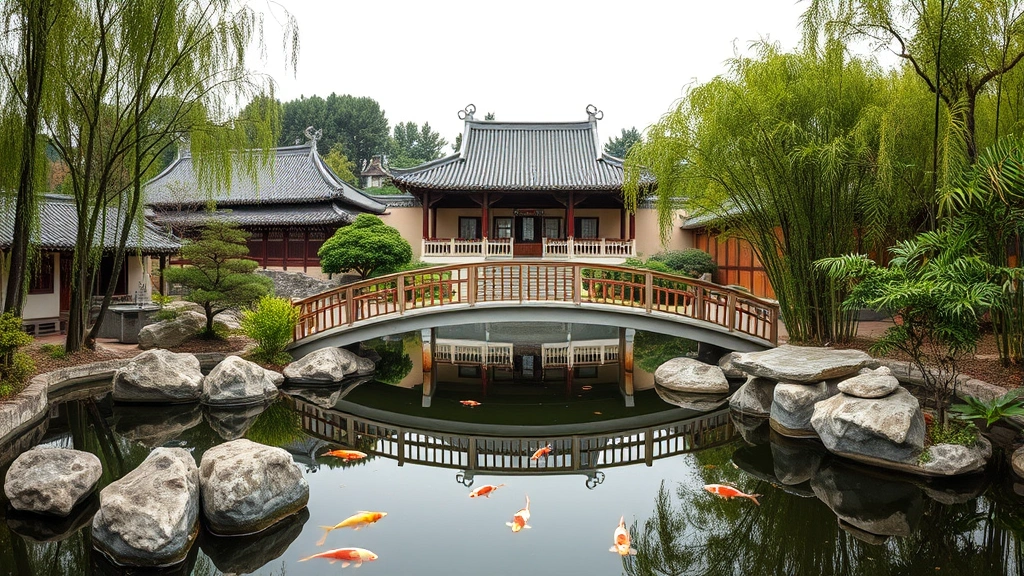
Ming Garden Design: Landscape Architect Insights for Creating Classical Chinese Gardens
Ming garden design represents one of the most sophisticated and refined approaches to landscape architecture in human history. Originating during China’s Ming Dynasty (1368-1644), these gardens embody centuries of philosophical thought, artistic vision, and horticultural mastery. Unlike Western formal gardens with their rigid geometric patterns, Ming gardens embrace harmony between human creativity and natural elements, creating spaces that feel both meticulously designed and wonderfully organic.
Whether you’re a landscape architect seeking inspiration, a serious gardener wanting to incorporate Ming principles into your property, or simply curious about this remarkable design philosophy, understanding Ming garden design opens doors to creating deeply meaningful outdoor spaces. These gardens aren’t merely beautiful; they’re expressions of Taoist and Buddhist principles, designed to inspire contemplation and connect inhabitants with nature’s deeper rhythms.
Core Principles of Ming Garden Design
Ming garden design rests upon several fundamental philosophical principles that distinguish it from other gardening traditions. The concept of balance between yin and yang pervades every design decision, creating visual and spiritual equilibrium. Open spaces (yang) balance with densely planted areas (yin), while water’s fluidity contrasts with stone’s permanence.
The principle of qi flow—the invisible life force moving through spaces—guides pathways, water channels, and sightlines. Landscape architects trained in Ming principles design gardens so visitors naturally follow beneficial energy patterns, discovering new vistas around each corner. This isn’t mysticism; it’s sophisticated spatial design that creates emotional and psychological responses.
Miniaturization and symbolism form another cornerstone. Ming gardens compress entire landscapes into smaller spaces, with rocks representing mountains, water representing vast oceans, and carefully selected plants symbolizing virtues like resilience and longevity. When you’re starting your gardening journey, understanding these symbolic layers enriches your design intentions.
The integration of human-made and natural elements creates what architects call “controlled wilderness.” Unlike Japanese gardens that often appear untouched, Ming gardens show clear human intervention while maintaining naturalness. Pavilions, bridges, and walls frame nature rather than dominate it, creating a dialogue between civilization and wilderness.
Water Features and Their Symbolic Meaning
Water represents life, wealth, and the flow of time in Ming garden philosophy. Rather than static pools, authentic Ming gardens feature dynamic water systems with movement and sound. Water might enter through a narrow channel, cascade over rocks, pool in a contemplative space, and exit via another route—mirroring life’s journey.
The placement of water follows specific principles. Water typically enters from the north (representing the source) and flows toward the south (representing dispersal and prosperity). The shape of pools and streams matters deeply; curved lines suggest natural flow and femininity, while angular designs are avoided as they’re believed to direct negative energy.
Water depth varies intentionally. Shallow areas near pavilions invite reflection and observation, while deeper sections create mystery and depth. The bottom of pools is often lined with carefully arranged stones visible through clear water, adding another layer of visual interest and symbolism.
Waterfalls and cascades serve multiple functions beyond aesthetics. The sound of falling water masks external noise, creating a sanctuary within urban environments. The visual movement draws the eye and guides visitors through the garden’s narrative. When planning water features, consider how seasonal changes affect water flow—spring abundance versus autumn scarcity mirrors life’s natural cycles.
Stone Placement and Rock Gardens
Stones hold profound significance in Ming garden design, representing permanence, strength, and mountains themselves. The selection and placement of rocks requires deep knowledge and artistic sensitivity. Scholar’s stones—rocks with dramatic holes, unusual shapes, and interesting textures—command premium positions as focal points and meditation objects.
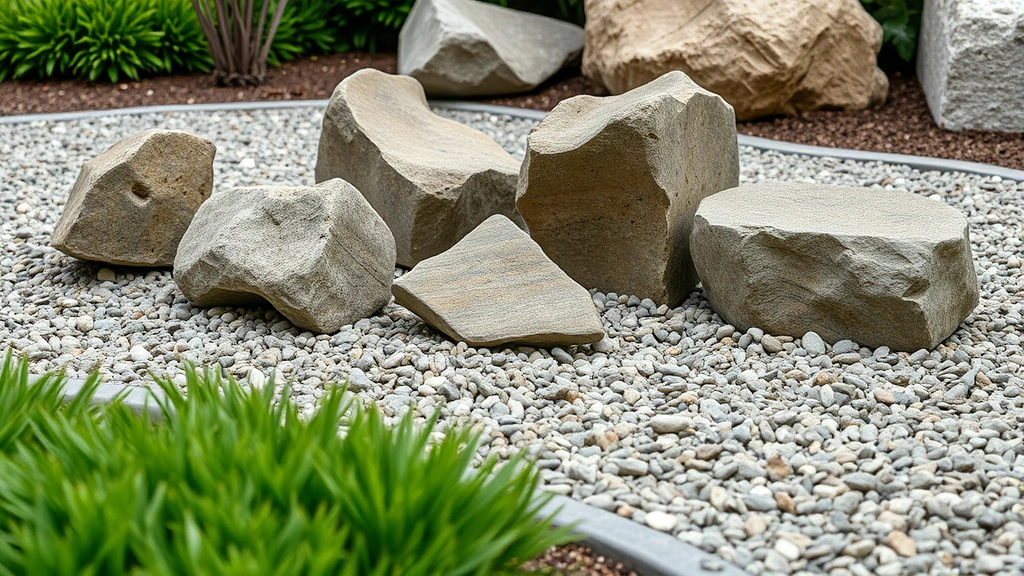
Landscape architects follow specific principles when arranging stones. Asymmetrical groupings feel more natural than symmetrical arrangements; three or five stones often create more dynamic compositions than even numbers. Stones should appear as though natural forces placed them, not human hands, even though their positioning is meticulously calculated.
The orientation of stones matters significantly. Stones positioned with their striations running vertically suggest upward growth and aspiration. Those with horizontal striations suggest stability and calm. Combining different orientations creates visual rhythm and prevents monotony.
Rock gardens within Ming gardens often feature a bed of raked gravel or sand representing water’s ripples or ocean waves. Stones emerge from this “sea” like islands, inviting contemplation. This technique requires minimal maintenance compared to water features while maintaining symbolic meaning. The gravel’s pattern—typically created with a specialized rake—guides visitors’ eyes and represents water’s invisible currents.
When selecting stones for your own garden, visit local quarries and stone suppliers. Look for pieces with character—weathered surfaces, interesting shapes, and varied coloring. Stones shouldn’t appear artificially uniform; nature’s imperfections create beauty. Consider the proper soil preparation and foundation work before placing heavy stones.
Plant Selection for Ming Gardens
Plant selection in Ming gardens combines aesthetic beauty with deep symbolic meaning. Certain plants appear repeatedly throughout classical Ming gardens because of their cultural significance and horticultural qualities.
Bamboo represents flexibility, resilience, and righteousness. Its vertical lines create strong visual statements, and its sound in wind adds an auditory dimension. Bamboo’s fast growth makes it practical for creating screens and defining spaces. However, choose clumping varieties rather than running types to prevent aggressive spread.
Flowering plums symbolize perseverance and beauty in hardship, blooming early in spring when other plants still sleep. Peonies represent wealth and honor, their dramatic blooms commanding attention for brief periods each season. Chrysanthemums embody longevity and joy, blooming prolifically in autumn when many gardens fade.
Evergreen shrubs and trees provide year-round structure. Pine, cypress, and juniper maintain visual interest through winter while their forms suggest ancient mountains and enduring strength. These plants often receive careful pruning to enhance their natural character rather than forcing unnatural shapes.
Herbaceous plants and groundcovers play supporting roles. Hostas with their architectural foliage, shade-tolerant ferns, and delicate spring ephemerals create layers and transitions. When learning to propagate plants, consider starting with traditional Ming garden species to deepen your connection with the design philosophy.
Plant placement follows the same asymmetrical principles as stone arrangement. Odd numbers create more dynamic compositions. Plants shouldn’t fill every space; negative space—empty areas—holds equal importance. This restraint prevents visual chaos and allows each plant to be fully appreciated.
Architectural Elements and Pavilions
Pavilions, bridges, walls, and gates form the architectural vocabulary of Ming gardens. These structures serve multiple purposes beyond shelter and access; they frame views, create destinations, and provide places for contemplation.
Pavilions typically feature open sides and decorative railings, allowing visitors to observe the garden while being sheltered from weather and sun. Their positioning considers views in multiple directions—what you see entering the pavilion differs from what appears when you turn around. Rooflines often feature upturned eaves, a distinctive Chinese architectural element that guides qi upward.
Bridges more than cross water; they represent transitions between different garden zones and spiritual states. A curved bridge creates a higher midpoint, offering elevated perspectives of the garden. The curve also prevents evil spirits (believed to travel in straight lines) from crossing easily—a practical consideration that also enhances design.
Walls define boundaries while paradoxically opening the garden through carefully positioned doorways and “moon gates”—circular openings that frame specific views. Walls feature decorative patterns and occasionally incorporate rocks or tiles, adding visual interest. Rather than isolating the garden, walls create mystery by hinting at what lies beyond.
Gates represent thresholds between different realms. The transition from street to garden, from public to private space, carries symbolic weight. Gates often feature decorative elements and inscriptions expressing philosophical concepts or poetic sentiments.
Creating Borrowed Scenery and Framed Views
One of Ming garden design’s most sophisticated techniques is borrowed scenery—incorporating distant landscape features into the garden’s visual composition. A distant mountain, neighboring tree, or city skyline becomes part of the garden’s design without the owner controlling it. This technique acknowledges that gardens exist within larger contexts and should harmonize with surroundings rather than isolate from them.
Landscape architects use carefully positioned walls, pavilions, and plantings to frame views strategically. From specific vantage points, visitors see composed pictures—mountain framed by pavilion eaves, water feature reflected in a wall’s polished stone, distant trees perfectly aligned with a doorway. These frames create constantly changing compositions as seasons alter light and plant appearance.
Window and door placement functions as deliberate framing devices. Walking through a doorway, you don’t simply exit; you view the garden beyond as though looking at a painting. The frame—the doorway itself—creates a boundary that organizes and emphasizes the view beyond.
In modern applications, borrowed scenery techniques help small urban gardens feel larger and more connected to their surroundings. A fence decorated with climbing vines can frame a neighbor’s attractive tree. A strategically positioned mirror can reflect a distant view, creating the illusion of expanded space. These techniques require observation and planning but cost nothing while dramatically enhancing perceived garden size and depth.

Implementing Ming Design in Modern Spaces
Adapting Ming garden principles to contemporary properties requires flexibility while maintaining core philosophical concepts. You needn’t recreate historical gardens to benefit from Ming design wisdom.
Small space adaptations focus on essential elements rather than attempting comprehensive designs. A modest courtyard might feature a single rock grouping, a small water basin, and carefully selected plants. The key is restraint and intentionality—each element should serve purpose and meaning rather than fill space.
When working with raised bed gardening, consider how Ming principles might organize planting areas. Asymmetrical arrangements, strategic negative space, and plant selection based on symbolic meaning can transform utilitarian vegetable beds into contemplative spaces that also produce food.
Water features scale beautifully down. A recirculating fountain, bird bath, or even a shallow basin with floating plants captures water’s essence without requiring extensive construction. The sound and movement matter more than volume.
Paved areas and hardscaping can incorporate Ming principles through pattern and material selection. Raked gravel areas, stepping stones creating asymmetrical paths, and natural stone pavers arranged deliberately transform functional elements into design features.
Modern materials can serve traditional purposes. Composite decking, contemporary water features, and non-traditional plants can achieve Ming design’s philosophical goals while accommodating modern lifestyles and maintenance preferences.
Seasonal Considerations and Maintenance
Ming gardens celebrate seasonal changes rather than fighting them. Spring brings flowering trees and fresh growth, summer offers lush foliage and water’s cooling presence, autumn displays dramatic color and harvest abundance, while winter reveals underlying structure and evergreen forms.
Plant selection for four-season interest ensures the garden remains beautiful year-round. Early-blooming plums and magnolias herald spring, summer-blooming hydrangeas and peonies peak in warmth, autumn chrysanthemums and changing foliage provide color, while winter-interest plants like red-twig dogwood, evergreen conifers, and ornamental grasses maintain visual appeal.
Maintenance practices should enhance rather than fight natural processes. Pruning emphasizes plants’ natural forms rather than forcing geometric shapes. Fallen leaves in designated areas create natural mulch and habitat. Dead wood occasionally left standing provides visual interest and ecological benefit.
Water features require seasonal attention. Autumn leaf removal prevents decomposition and water quality problems. Winter considerations depend on climate; in cold areas, draining systems prevents freeze damage. Spring cleaning and recommissioning gets water features flowing again as temperatures warm.
The Oregon State University Extension Service offers seasonal gardening guidance applicable to Ming design principles. Their research on plant selection and maintenance aligns with traditional practices while incorporating modern horticultural science.
Weeding and deadheading should follow minimalist principles—remove only what genuinely disrupts the composition. A few volunteer seedlings might enhance naturalistic effect, while invasive species require removal. This selective approach reduces maintenance while maintaining the garden’s intentional design.
FAQ
What’s the difference between Ming and Japanese garden design?
While both traditions emphasize harmony with nature, Ming gardens typically appear more openly designed with visible human intervention in architecture and composition. Japanese gardens often aim for seemingly untouched wilderness. Ming gardens feature more architecture—pavilions, walls, and decorative elements—while Japanese gardens minimize structures. Both traditions value water, stone, and plants, but Ming gardens incorporate more symbolic elements and philosophical inscriptions.
Can I create a Ming garden in a small urban space?
Absolutely. Ming design principles scale beautifully to small spaces. Focus on one or two key elements—perhaps a rock grouping and water feature, or strategically placed plants with architectural interest. The philosophy matters more than square footage. A modest courtyard designed with Ming principles provides more contemplative value than a large garden lacking intentional design.
What plants work best for Ming gardens in cold climates?
Cold-hardy alternatives to traditional Ming plants include: flowering crabapples instead of flowering plums, hardy chrysanthemums, peonies (which actually prefer cold winters), bamboo species rated for your zone, evergreen junipers and dwarf conifers, and shade-tolerant hostas and ferns. Contact your local extension service for climate-specific recommendations.
How much does creating a Ming garden cost?
Costs vary dramatically based on scale and materials. A small courtyard transformation might cost $2,000-$5,000 with DIY labor, while professional design and installation for larger properties ranges from $10,000-$50,000+. Starting small with key elements—purchasing quality rocks and plants, installing basic water features—allows gradual development as budget permits.
Do Ming gardens require significant maintenance?
Maintenance depends on design complexity. Well-designed Ming gardens require less maintenance than conventional landscapes because they emphasize natural forms and seasonal changes rather than fighting nature. Water features need seasonal attention, plants need occasional pruning, and pathways need weeding. However, the minimalist philosophy means less frequent mowing, fertilizing, and pesticide application compared to traditional Western gardens.
Where can I learn more about Ming garden design?
The American Horticultural Society offers resources and expert guidance on specialized garden styles. The New York Botanical Garden features Asian garden collections and educational programs. The United States Botanic Garden maintains resources on diverse gardening traditions. Many universities with landscape architecture programs offer courses or lectures on Asian garden design principles.
Can I combine Ming garden principles with vegetable gardening?
Yes. When growing easy vegetables, apply Ming design principles through asymmetrical bed arrangements, careful plant spacing emphasizing negative space, and symbolic plant selection. Herbs like basil and mint pair beautifully with ornamental elements. This approach creates productive gardens that simultaneously serve contemplative and practical purposes.


