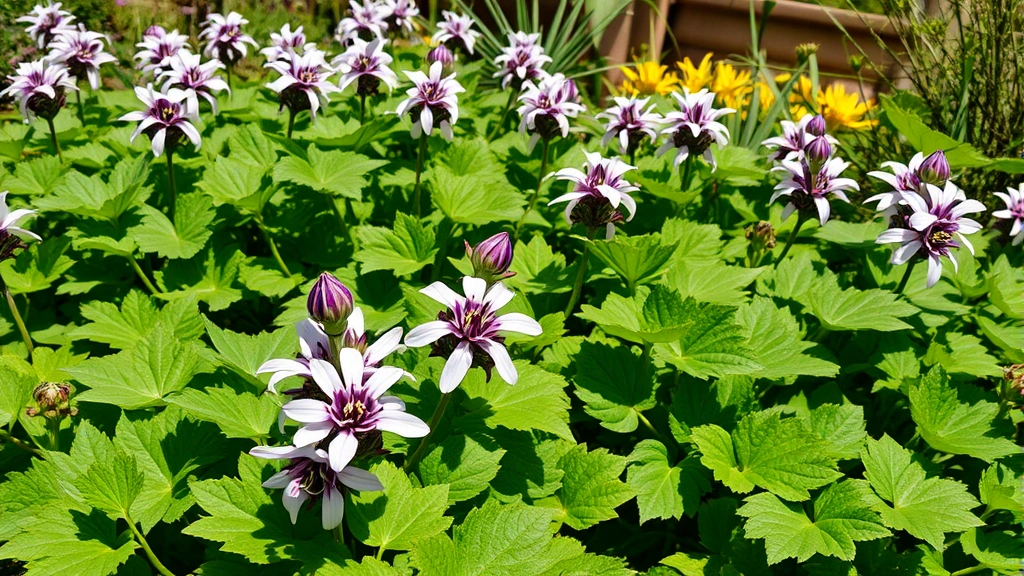
Growing mandrake plants is a fascinating venture for gardeners seeking something truly extraordinary. The mandrake, scientifically known as Mandragora officinarum, has captivated humanity for centuries with its mysterious reputation and unusual characteristics. Unlike conventional garden plants, mandrake combines botanical intrigue with historical significance, making it a prized specimen for experienced cultivators and herb enthusiasts alike.
This distinctive plant features deeply lobed leaves, striking purple or white flowers, and remarkable root systems that have inspired countless legends and folklore. While growing mandrake presents unique challenges compared to easy to grow vegetables for beginners, the rewards prove immensely satisfying for dedicated gardeners. Understanding the specific requirements and cultivation techniques will determine your success with this remarkable plant.
Before embarking on your mandrake journey, it’s essential to recognize that this plant requires patience, proper conditions, and knowledge of its particular growing demands. This comprehensive guide provides expert insights into successfully cultivating mandrake in your garden or controlled environment.
Understanding Mandrake: Plant Basics
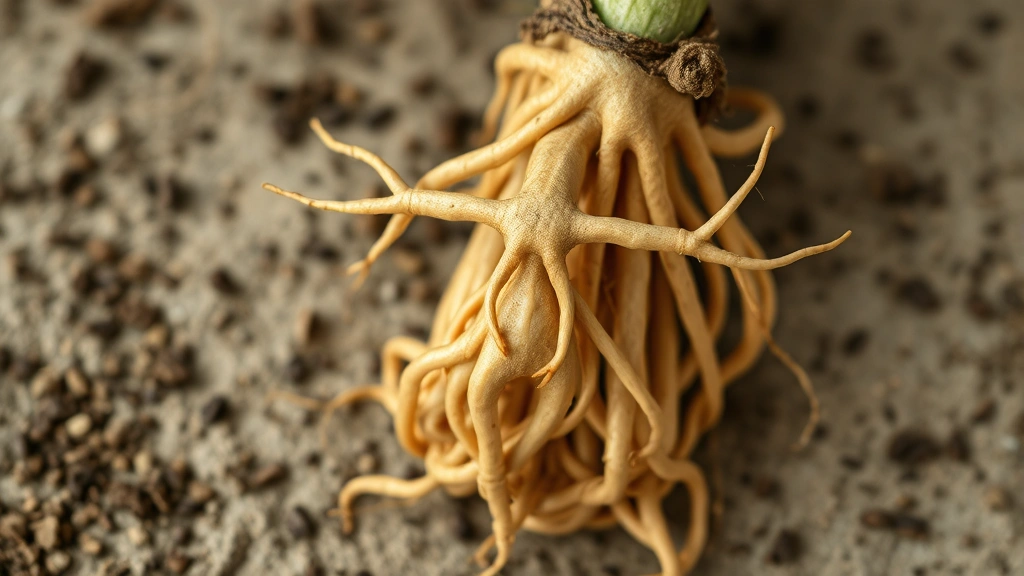
Mandrake belongs to the Solanaceae family, the same family as tomatoes, peppers, and potatoes. This perennial herb possesses a thick, branched taproot that resembles a human figure—a characteristic that has generated countless myths and superstitions throughout history. The plant typically grows 30-60 centimeters tall and spreads across a similar width when mature.
The leaves of mandrake are large, dark green, and deeply lobed, creating an attractive foliage display. During spring and early summer, the plant produces beautiful flowers ranging from pale purple to white, followed by yellow, apple-like fruits containing numerous seeds. These botanical features make mandrake visually striking, even before considering its legendary properties.
Understanding that mandrake is a slow-growing perennial is crucial for managing expectations. Unlike quick-maturing vegetables, mandrake requires several years to reach full maturity and maximum potency. The plant’s remarkable root system, which can extend deeply into the soil, demands specific growing conditions and careful handling throughout its lifecycle.
Before growing mandrake, verify local regulations regarding cultivation. Some regions have restrictions on growing this plant due to its alkaloid compounds and historical associations. Consulting your local agricultural extension office ensures compliance with applicable laws and regulations in your area.
Climate and Growing Zones
Mandrake thrives in Mediterranean and temperate climates, preferring USDA hardiness zones 6-10. The plant originates from the Mediterranean region, which influences its preference for warm, dry summers and mild winters. In cooler climates, mandrake can be cultivated in containers that are moved indoors during harsh winters, providing flexibility for northern gardeners.
Temperature fluctuations present challenges for mandrake cultivation. The plant prefers consistent conditions without extreme cold snaps or excessive heat waves. Ideally, growing temperatures should range between 15-25°C (59-77°F), with protection from freezing temperatures below -5°C (23°F). In regions experiencing severe winters, container cultivation allows gardeners to provide controlled environments.
Seasonal awareness matters significantly when planning mandrake growth. The plant enters dormancy during winter months, appearing to die back completely. This natural cycle should not alarm gardeners—the underground root system remains viable and will regenerate in spring. Protecting dormant plants from excessive moisture during winter prevents root rot, a common problem in this dormant phase.
Humidity levels should remain moderate, as mandrake prefers drier conditions compared to most garden plants. High humidity environments encourage fungal diseases and root complications. Excellent air circulation around the plant helps maintain healthy conditions and reduces disease pressure significantly.
Soil Preparation and Requirements
Soil composition represents one of the most critical factors in mandrake cultivation success. The plant demands exceptionally well-draining soil to prevent waterlogging and root rot. When preparing garden soil for a thriving garden, incorporate amendments specifically for mandrake’s needs.
Create an ideal growing medium by combining equal parts garden soil, coarse sand, and perlite or pumice. This mixture provides excellent drainage while maintaining adequate nutrient retention. The sandy component prevents water accumulation around the sensitive root system, while perlite improves aeration throughout the soil profile.
Mandrake prefers slightly alkaline to neutral soil with a pH range of 6.5-7.5. Before planting, test your soil pH using a home testing kit or professional soil analysis. If your soil is too acidic, incorporate ground limestone; if too alkaline, add sulfur according to soil test recommendations.
The plant benefits from organic matter incorporation, but avoid excessive compost or peat moss that retain excessive moisture. A light application of well-aged compost—no more than 10-15% by volume—provides beneficial microorganisms and slow-release nutrients without compromising drainage. For raised bed gardening, construct beds at least 45 centimeters deep to accommodate mandrake’s substantial taproot system.
Consider incorporating mycorrhizal fungi inoculants into the planting medium. These beneficial fungi establish symbiotic relationships with mandrake roots, enhancing nutrient uptake and overall plant vigor. This addition proves particularly valuable when establishing new plants in previously uncultivated soil.
Seed Propagation and Starting
Mandrake propagation begins with seeds, though germination presents significant challenges requiring patience and proper technique. Fresh seeds possess higher viability rates than stored seeds, so obtaining seeds from reliable botanical suppliers ensures better success rates. Seeds must undergo stratification—a cold treatment mimicking natural winter conditions—to break dormancy.
Begin stratification by soaking seeds in room-temperature water for 24 hours. After soaking, place seeds in moist sand or peat moss within a sealed plastic bag. Store this mixture in a refrigerator at 4°C (39°F) for 4-6 weeks. This cold stratification period mimics winter dormancy, preparing seeds for germination when conditions warm.
After stratification, prepare seed-starting trays with a sterile seed-starting mix—a blend of peat moss and perlite providing excellent drainage and minimal disease pressure. Sow seeds approximately 1 centimeter deep, maintaining consistent moisture without waterlogging. Cover trays with plastic domes or plastic wrap to maintain humidity while seeds germinate.
Germination requires warm conditions—ideally 20-25°C (68-77°F)—and can take 2-8 weeks or longer. Patience proves essential during this phase, as germination rates typically range from 30-50%. Once seedlings emerge and develop their first true leaves, gradually reduce humidity by removing the plastic covering over several days.
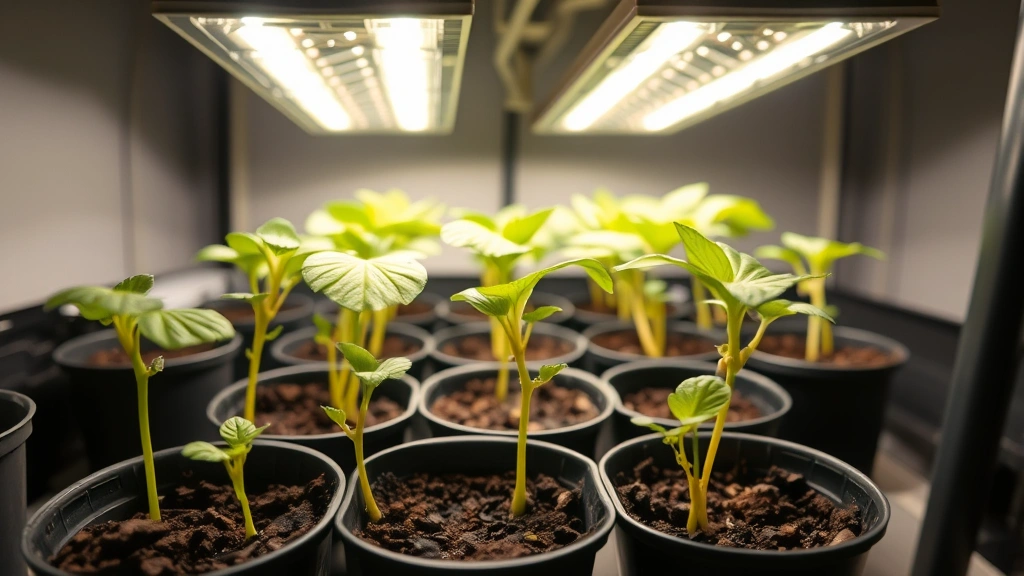
Seedling care demands attention to watering and light conditions. Maintain soil moisture without allowing waterlogging, and provide bright, indirect light to prevent leggy growth. Under-lighting conditions, use grow lights positioned 15-20 centimeters above seedlings, maintaining a 14-16 hour photoperiod daily.
Planting and Spacing Guidelines
Transplanting mandrake seedlings requires careful timing and technique. Young plants should develop 3-4 true leaves and establish a small root system before transplanting into individual containers. Use containers at least 20 centimeters in diameter with drainage holes, filled with the well-draining medium described earlier.
Space plants appropriately to accommodate their mature size. Mandrake plants require 60-90 centimeters between specimens to prevent competition and allow adequate air circulation. Proper spacing reduces disease pressure and allows each plant sufficient resources for optimal development.
When planting in garden settings, choose locations with dappled shade or partial sun exposure. While mandrake tolerates full sun, afternoon shade proves beneficial in hot climates, preventing excessive heat stress and moisture loss. Avoid planting near water features or low-lying areas prone to water accumulation.
Hardening off—gradually acclimating indoor-grown seedlings to outdoor conditions—requires 7-10 days before permanent transplanting. Begin by placing seedlings in a sheltered, shaded location for 2-3 hours daily, gradually increasing exposure over the hardening period. This process prevents transplant shock and establishes robust plants.
Dig planting holes slightly larger than the root ball, positioning the plant at the same depth it occupied in its previous container. Avoid burying the crown of the plant, which can lead to rot. Water thoroughly after planting, then allow soil to dry somewhat before subsequent watering.
Watering and Moisture Management
Mandrake’s water requirements differ significantly from typical garden plants. The species prefers drier conditions, making overwatering the primary cause of cultivation failure. Establish a watering schedule based on soil moisture rather than calendar dates, checking soil conditions regularly throughout the growing season.
During the active growing season (spring and summer), water mandrake when the top 2-3 centimeters of soil feel dry to the touch. In Mediterranean climates with natural dry summers, established plants often require minimal supplemental watering. However, in humid regions or during unusually wet periods, reduce watering frequency to prevent moisture-related problems.
Container-grown mandrake requires more frequent watering than in-ground plants due to faster soil drying. Check containers every 2-3 days during warm months, watering only when necessary. The goal is maintaining consistently moist—not wet—soil conditions that balance plant needs with drainage requirements.
Winter dormancy dramatically alters watering needs. As plants enter dormancy in fall, gradually reduce watering frequency. During winter months, water sparingly—only enough to prevent complete soil desiccation. Overwatering dormant plants causes root rot in the cold, moist conditions characteristic of winter.
Rainfall monitoring proves essential for in-ground plants. If your region receives substantial precipitation, reduce or eliminate supplemental watering during rainy periods. Conversely, during extended dry spells, provide supplemental irrigation to maintain appropriate moisture levels. Drip irrigation systems allow precise water delivery while minimizing foliage wetness that encourages disease.
Fertilization and Nutrient Needs
Mandrake’s fertilization requirements remain modest compared to heavy-feeding vegetables and fruits. Over-fertilization promotes excessive foliage growth at the expense of root development and can encourage pest susceptibility. A measured approach to nutrition supports healthy plant development without creating imbalances.
Apply a balanced, slow-release fertilizer (such as 10-10-10 NPK) in early spring as growth resumes after winter dormancy. Follow package instructions carefully, applying only the recommended amount. One application per growing season typically provides sufficient nutrients for established plants in reasonably fertile soil.
Alternatively, incorporate well-aged compost as a natural nutrient source. A 2-3 centimeter layer applied as mulch around the plant base in early spring provides gradual nutrient release throughout the season while improving soil structure. Avoid placing mulch directly against the plant crown, maintaining a 5-centimeter buffer to prevent rot.
Micronutrient deficiencies rarely occur in mandrake when grown in properly amended soil. However, if plants display yellowing leaves or stunted growth despite adequate macronutrients, consider applying a dilute micronutrient spray containing iron, zinc, and boron. Apply foliar sprays in early morning or late evening to prevent leaf burn.
Mandrake responds well to organic fertilization approaches. Seaweed extracts and fish emulsions provide balanced nutrition with trace minerals beneficial for plant health. Apply these organic options at half-strength every 4-6 weeks during the growing season for consistent nutrient availability without excessive concentration.
Pest and Disease Management
Mandrake’s alkaloid compounds provide natural pest resistance, making insect problems relatively uncommon. However, spider mites, whiteflies, and aphids occasionally colonize plants, particularly in indoor or greenhouse settings. Early detection through regular plant inspection enables prompt intervention using appropriate control measures.
For mild pest infestations, spray affected plants with insecticidal soap or neem oil according to product instructions. These organic options prove effective against soft-bodied insects without harming beneficial organisms. Apply sprays thoroughly, covering both leaf surfaces, during early morning or late evening hours.
Fungal diseases present greater challenges than insect pests, particularly in humid environments or when soil remains excessively wet. Root rot, caused by Pythium or Phytophthora species, represents the most serious threat. Symptoms include wilting despite moist soil, soft root tissue, and overall plant decline.
Prevent fungal diseases through proper cultural practices: ensure excellent drainage, maintain appropriate watering, and provide good air circulation. If root rot occurs, remove the plant from soil, trim affected roots with sterile tools, and repot in fresh, well-draining medium. Severely affected plants may not recover and should be discarded to prevent disease spread.
Powdery mildew occasionally appears on mandrake foliage, particularly in cool, humid conditions. This fungal infection appears as white powder on leaves but rarely causes serious damage. Improve air circulation and reduce foliage wetness to prevent powdery mildew development. Sulfur dust or potassium bicarbonate sprays effectively control established infections.
Harvesting and Storage
Mandrake roots reach harvestable maturity after 3-4 years of growth, though some sources recommend waiting 5-7 years for maximum potency and size. The distinctive root system, resembling human forms, represents the harvested product prized by herbalists and traditional medicine practitioners. Harvest timing typically occurs in autumn after foliage dies back.
To harvest mandrake roots, carefully excavate around plants using a garden fork, working from the outer edges toward the center. Gently loosen soil, gradually exposing the substantial taproot. Lift roots carefully to avoid damage, then clean away soil using soft brushes rather than water, which can promote rot during storage.
After harvesting, dry roots thoroughly in a warm, well-ventilated location. Spread roots on screens or drying racks, ensuring air circulation around all surfaces. Drying typically requires 2-4 weeks, depending on root size and environmental humidity. Roots are adequately dry when they snap cleanly rather than bending.
Store dried mandrake roots in airtight containers in cool, dark conditions. Proper storage preserves alkaloid potency and prevents mold development. Glass jars with tight-sealing lids work effectively for long-term storage. Kept in appropriate conditions, dried roots maintain viability for several years.
Some cultivators prefer harvesting entire plants after 3-4 years rather than digging roots. This approach allows replanting from seeds or cuttings while removing mature specimens. This rotation system maintains continuous mandrake cultivation while preventing soil depletion in specific garden areas.
FAQ
Is it legal to grow mandrake plants?
Legality varies by region and country. Many Western countries permit mandrake cultivation for ornamental or educational purposes, while some restrict or prohibit growth due to alkaloid content. Verify regulations with your local agricultural extension office or governmental authorities before beginning cultivation.
How long does mandrake take to grow from seed?
Mandrake reaches mature size in 3-4 years, though plants produce flowers and fruits earlier. Roots suitable for harvesting typically require 4-5 years of growth. The extended timeline demands patience but rewards dedicated gardeners with exceptional specimens.
Can mandrake be grown indoors?
Yes, container-grown mandrake adapts well to indoor cultivation when provided adequate light, drainage, and appropriate temperature conditions. Use grow lights to supplement natural light during winter months. Container cultivation allows gardeners in unsuitable climates to successfully grow mandrake year-round.
What makes mandrake difficult to germinate?
Mandrake seeds possess dormancy mechanisms requiring cold stratification to germinate reliably. Additionally, germination rates remain relatively low (30-50%), and seedlings develop slowly. Proper stratification technique and patience significantly improve success rates compared to attempting direct sowing without preparation.
Does mandrake have any companion plants?
Mandrake grows well alongside Mediterranean herbs like lavender, rosemary, and thyme that share similar growing requirements and preferences for well-draining soil. These companions also benefit from comparable watering and light conditions, simplifying garden management.
How can I propagate mandrake without seeds?
While propagating plants typically involves seeds, mandrake can occasionally be propagated from root cuttings. Harvest 5-10 centimeter root segments from mature plants, place in moist sand, and maintain warm conditions. Success rates remain lower than seed propagation, making seeds the preferred method.


