
Lucky Garden Tips: Boost Your Plant Growth
Creating a thriving garden isn’t just about luck—it’s about understanding the fundamental principles that help plants flourish. However, when you combine proven horticultural practices with intentional garden design, you create what many gardeners call a “lucky garden.” This comprehensive guide will reveal the secrets that experienced gardeners use to achieve exceptional plant growth, transforming ordinary garden spaces into lush, productive havens. Whether you’re cultivating ornamental flowers, vegetables, or herbs, these evidence-based strategies will significantly enhance your success rates.
The concept of a lucky garden extends beyond superstition; it encompasses optimal growing conditions, proper plant selection, and consistent care practices. By implementing these time-tested techniques, you’ll notice dramatic improvements in plant vigor, yield, and overall garden health. Let’s explore the specific actions you can take today to turn your garden into a place where everything seems to flourish naturally.
Soil Quality: The Foundation of Garden Success
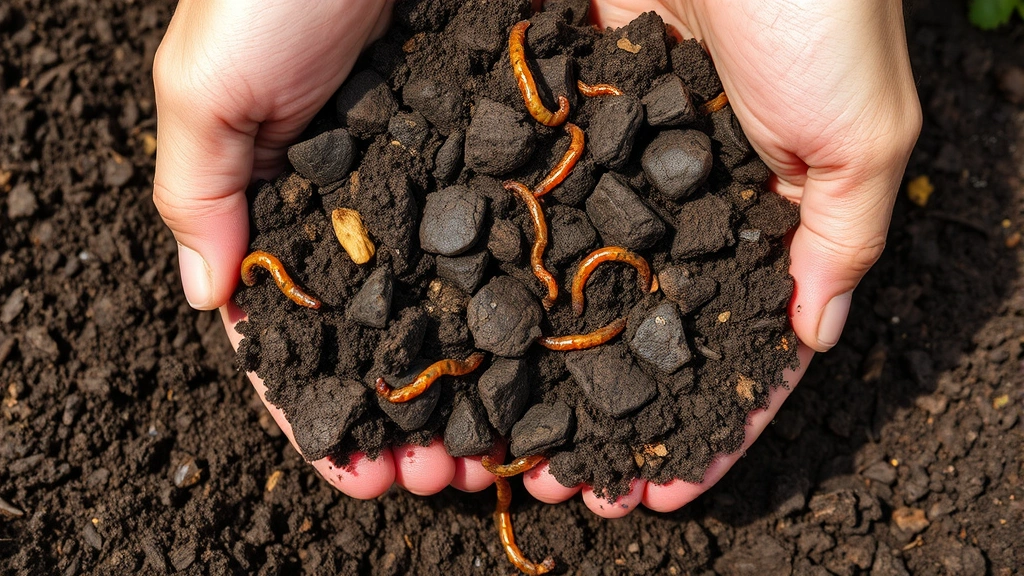
The most critical factor in creating a lucky garden is establishing excellent soil quality. Plants draw virtually all their nutrients, water, and structural support from the soil, making it the true foundation of garden success. Before you plant anything, invest time in understanding and improving your soil composition.
Begin by testing your soil’s pH level, which should typically range between 6.0 and 7.0 for most plants. You can obtain a soil test kit from your local cooperative extension to analyze nutrient levels, texture, and organic matter content. This information guides everything from plant selection to amendment strategies. Most lucky gardens share one common trait: rich, dark soil teeming with organic matter.
To build exceptional soil, incorporate 2-3 inches of compost annually. Compost improves soil structure, enhances water retention in sandy soils, and improves drainage in clay-heavy soils. Beyond compost, add aged manure, leaf mold, or well-rotted kitchen scraps. These materials feed beneficial microorganisms that create a living soil ecosystem. When you prepare garden soil for a thriving garden, you’re essentially creating the perfect environment for root development and nutrient absorption.
Consider implementing raised bed gardening if your native soil is poor quality. This approach allows you to control soil composition completely, mixing your own blend of compost, peat moss or coco coir, and perlite. Raised beds warm faster in spring, drain better, and give you a fresh start each season. Many successful gardeners credit raised beds as their secret weapon for consistent results.
Sunlight and Plant Placement Strategies
Understanding light requirements represents the second pillar of a lucky garden. Different plants have vastly different sunlight needs, and placing plants in appropriate light conditions dramatically improves their performance. Before making any planting decisions, observe your garden space throughout the day and across seasons.
Most vegetables and flowering plants require 6-8 hours of direct sunlight daily. Some shade-tolerant plants like hostas, ferns, and woodland perennials thrive with 2-4 hours of filtered light. Strategic placement ensures each plant receives adequate light for photosynthesis while avoiding excessive heat stress during scorching summers. Pay attention to how buildings, trees, and structures cast shadows, as these patterns shift seasonally.
When you start a flower garden, positioning becomes crucial. Taller plants should be placed where they won’t shade shorter plants that need full sun. South-facing locations receive the most intense light, while north-facing areas offer gentle shade. East-facing spots provide morning sun that burns off dew, reducing fungal disease risk. West-facing areas can become excessively hot in summer, requiring afternoon shade for sensitive plants.
Consider vertical gardening to maximize sunlight exposure while using space efficiently. Trellises, arbors, and wall-mounted planters allow air circulation and reduce disease pressure while enabling more plants to receive adequate light. This three-dimensional approach to garden design creates a lush appearance while maintaining healthy growing conditions.
Watering Techniques for Optimal Growth
Proper watering represents one of the most commonly misunderstood aspects of gardening, yet it’s absolutely essential for creating a lucky garden. Both overwatering and underwatering cause plant stress, disease, and poor growth. The key is understanding your plants’ specific water needs and adjusting based on weather, soil type, and growth stage.
Water deeply but less frequently, encouraging deep root development. Shallow, daily watering produces weak root systems that struggle during drought stress. Instead, water thoroughly until moisture reaches 6-8 inches deep, then allow the top inch of soil to dry before watering again. Most plants prefer this cycle, which also encourages beneficial soil microorganisms.
Timing matters significantly. Water early morning before temperatures rise, allowing plants to absorb moisture before heat stress occurs. Morning watering also reduces fungal disease risk by allowing foliage to dry quickly. Avoid evening watering, which leaves plants wet overnight—a perfect condition for fungal development.
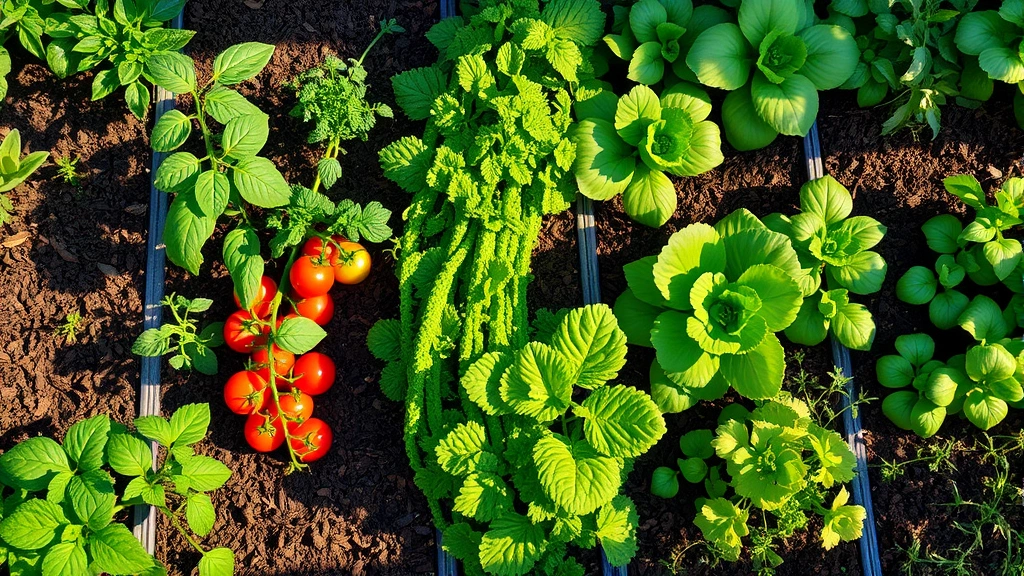
Invest in a drip irrigation system or soaker hoses for efficient water delivery. These methods deliver water directly to soil, minimizing waste and reducing foliar wetness that encourages disease. Mulching around plants helps retain soil moisture, moderates temperature fluctuations, and suppresses weeds. Apply 2-3 inches of organic mulch, keeping it several inches away from plant stems to prevent rot.
Use a moisture meter to remove guesswork from watering decisions. These inexpensive tools measure soil moisture at the root zone, helping you water appropriately. Different plants have different preferences; succulents need drier conditions while hydrangeas and hostas prefer consistently moist soil.
Nutrient Management and Fertilization
Even excellent soil depletes over time as plants extract nutrients. Strategic fertilization maintains soil fertility and ensures plants have access to essential macro and micronutrients. Understanding the nitrogen-phosphorus-potassium (NPK) ratio helps you choose appropriate fertilizers for different purposes.
Nitrogen promotes leafy growth and vibrant green color, making it essential for vegetable crops and ornamental foliage plants. Phosphorus supports root development, flowering, and fruiting. Potassium improves overall plant health, disease resistance, and stress tolerance. Most balanced fertilizers contain all three in specific ratios.
Organic gardeners create lucky gardens by relying on compost, aged manure, bone meal, fish emulsion, and seaweed extracts. These slow-release amendments feed plants gradually while building soil structure. A soil test from your local extension service reveals specific nutrient deficiencies, allowing targeted supplementation rather than unnecessary applications.
Apply fertilizer according to growth stage. During establishment, focus on phosphorus to encourage root development. During active growth, provide balanced nutrition. As plants approach flowering and fruiting, slightly reduce nitrogen while maintaining phosphorus and potassium. This approach optimizes growth patterns and production.
Avoid over-fertilizing, which causes excessive vegetative growth at the expense of flowers and fruits. Excess nitrogen also attracts pests and creates soft, disease-prone tissues. Organic, slow-release fertilizers provide steady nutrition without the risk of chemical burn or nutrient imbalance.
Pest and Disease Prevention
Creating a lucky garden means preventing problems rather than fighting them after they develop. Integrated pest management (IPM) uses multiple strategies to maintain plant health while minimizing pest and disease pressure. This proactive approach proves far more effective than reactive treatments.
Healthy plants resist pests and diseases far better than stressed specimens. Proper soil preparation, appropriate watering, adequate sunlight, and good nutrition create vigorous plants naturally equipped to overcome challenges. Stressed plants weakened by poor conditions attract pests like magnets.
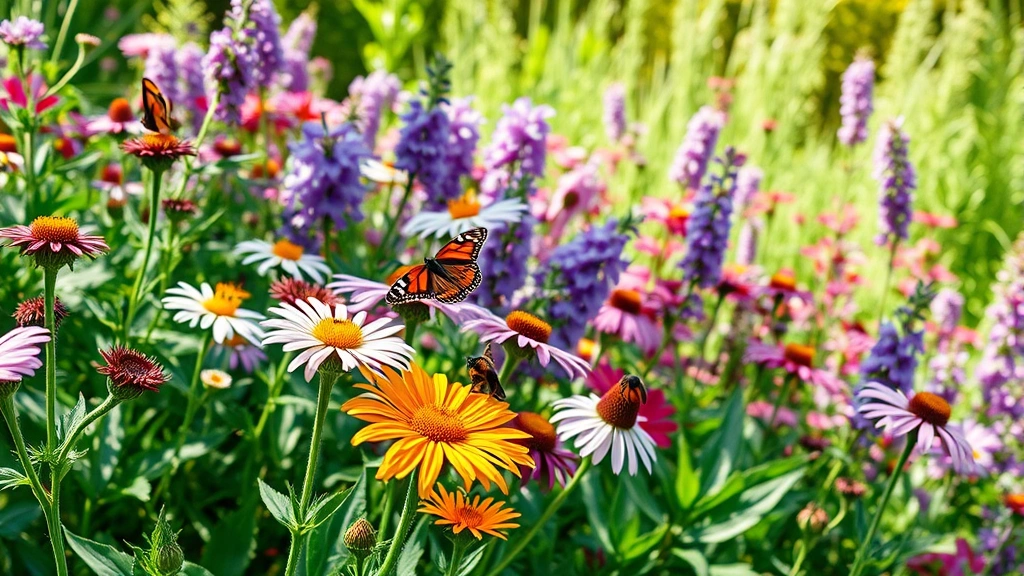
Encourage beneficial insects that prey on garden pests. Ladybugs, lacewings, parasitic wasps, and ground beetles control aphids, mites, and other damaging insects. Support these allies by planting diverse flowers, particularly small-flowered varieties like yarrow, fennel, and alyssum. Avoid broad-spectrum pesticides that kill both pests and beneficial insects.
Inspect plants regularly, catching pest and disease problems early when they’re easiest to control. Remove affected leaves, prune diseased branches, and isolate infected plants to prevent spread. Hand-picking larger pests like beetles and caterpillars often proves effective for small gardens.
Practice crop rotation in vegetable gardens, moving plant families to different locations each season. This breaks pest and disease cycles that build up in soil. Proper spacing ensures air circulation, reducing fungal disease risk. Avoid working in wet gardens, which spreads fungal spores.
Seasonal Timing and Planting Schedules
Successful gardeners understand their local growing season intimately. Working with nature’s rhythms rather than against them creates a naturally lucky garden that performs well year-round. Your USDA hardiness zone determines which plants thrive in your region and guides your planting schedule.
Spring represents the primary planting season for most gardeners. Soil temperature, day length, and moisture conditions favor establishment. Wait until the last frost date to plant tender annuals and warm-season vegetables. Cool-season crops like lettuce, peas, and broccoli tolerate frost and actually prefer spring’s cooler temperatures.
Summer maintenance focuses on consistent watering, deadheading spent flowers to encourage continuous blooming, and pest monitoring. Many regions benefit from summer shade cloth protecting sensitive plants from extreme heat. Succession planting of vegetables at two-week intervals ensures continuous harvest rather than feast-famine cycles.
Fall offers a second planting opportunity for cool-season crops. Many gardeners find fall more productive than spring because soil is warm, moisture is adequate, and pest pressure decreases. Fall-planted perennials establish excellent root systems before winter dormancy.
Winter is the perfect time for planning, soil amendment, and pruning. Add compost and organic matter while plants are dormant, allowing time for decomposition and integration. Dormant season pruning removes diseased wood and shapes plants without stimulating tender new growth vulnerable to frost.
When you’re starting your green journey as a gardening beginner, understanding seasonal timing prevents frustration and failure. Plant at the right time, and everything becomes easier.
Garden Layout and Design Principles
Beyond individual plant care, overall garden layout significantly impacts success. Thoughtful design creates microclimates, improves maintenance efficiency, and maximizes aesthetic appeal while supporting plant health. Consider both function and beauty when planning your garden layout.
Group plants with similar water and light requirements together. This allows zone-specific care and prevents over or under-watering some plants while trying to meet others’ needs. Shade-loving plants near tree bases, sun-worshipping plants in open areas, and moisture-loving plants near water sources create logical, efficient gardens.
Create pathways that allow easy access for weeding, harvesting, and maintenance. Wide enough for comfortable movement, paths reduce soil compaction in growing areas. Mulched or hardscaped pathways prevent mud and make gardens more usable during wet periods.
Vertical elements add dimension and visual interest while improving air circulation. Trellises for vining plants, arbors for shade, and wall-mounted planters use vertical space efficiently. These structures also create microclimates—areas beneath arbors stay cooler, while trellised plants direct airflow and reduce fungal disease.
Consider adding garden structures that enhance both function and aesthetics. A garden decor approach that includes practical elements like rain barrels, compost bins, and tool storage alongside decorative features creates cohesive, functional spaces. Benches positioned to enjoy garden views encourage time spent observing and enjoying your space.
Water features like small ponds or fountains attract beneficial insects and create soothing focal points. Even small water sources support wildlife while adding visual and auditory interest. Consider what garden tools and equipment you’ll need, and plan storage accordingly. Organized tool storage increases efficiency and protects equipment, making maintenance more enjoyable.
Proper garden hose storage and irrigation system design prevent hose damage and ensure reliable watering. Hose reels or wall-mounted storage keep hoses accessible while preventing tangles and deterioration. Drip irrigation systems installed during initial garden layout planning provide convenient, efficient watering throughout the season.
FAQ
What makes a garden “lucky”?
A lucky garden isn’t about superstition—it’s about creating optimal growing conditions. Excellent soil, appropriate sunlight, proper watering, balanced nutrition, and pest prevention combine to create an environment where plants naturally thrive. When these fundamentals are in place, plants seem to flourish effortlessly.
Can I improve my garden soil quickly?
While complete soil transformation takes time, you can make significant improvements within one season. Adding 2-3 inches of compost, aged manure, and organic matter boosts fertility and structure immediately. Raised beds offer instant improvement if native soil is particularly poor. However, building truly excellent soil is a multi-year process that rewards patience with increasingly better results.
How often should I fertilize my garden?
Frequency depends on your approach. Organic gardeners apply compost annually, supplementing with additional fertilizers as needed based on soil tests and plant performance. Conventional gardeners might apply balanced fertilizer monthly during the growing season. Slow-release fertilizers require less frequent application than liquid options. Let plant appearance guide your decisions—vigorous growth indicates adequate nutrition, while yellowing leaves or poor growth suggest deficiency.
What’s the best way to prevent garden pests?
Prevention is always superior to treatment. Maintain plant health through proper care, encourage beneficial insects by planting diverse flowers, practice crop rotation, ensure good air circulation, and inspect plants regularly. When problems do occur, use the least toxic intervention first—hand-picking, water spray, or organic solutions before considering stronger treatments.
Can I garden successfully in containers?
Absolutely! Container gardening offers excellent results when you use quality potting soil, appropriate container size, and consistent care. Containers warm faster in spring, drain reliably, and allow you to control growing conditions completely. Container gardeners often achieve exceptional results because they can optimize every variable.
When should I plant perennials versus annuals?
Perennials provide long-term structure and require less replanting but take longer to establish. Annuals offer immediate color and flexibility but need replanting yearly. Many successful gardens combine both—perennials for reliable structure and annuals for seasonal color variation. Spring and fall are ideal perennial planting times, while annuals go in after last frost in spring.
How do I know if my plants need water?
Check soil moisture 2-3 inches deep—if it feels dry, water thoroughly. Different plants prefer different moisture levels, so learn individual preferences. Moisture meters remove guesswork and help you water appropriately. Wilting indicates water stress, but consistently wet soil causes root rot. Finding the balance for each plant creates optimal growing conditions.