Winter Garden Ideas from Lowe’s: Expert Picks
Winter doesn’t mean your gardening season has to end. With thoughtful planning and the right supplies from Lowe’s, you can maintain a thriving garden throughout the coldest months. Whether you’re a seasoned gardener or just starting your green journey, winter offers unique opportunities to grow cold-hardy vegetables, establish perennial beds, and protect your landscape investments.
The winter season presents distinct advantages for gardeners willing to adapt their approach. Reduced pest pressure, lower disease incidence, and the natural dormancy of many plants create ideal conditions for soil preparation and structural garden improvements. Lowe’s extensive selection of winter gardening tools, protective materials, and cold-season plants makes it easier than ever to embrace the season rather than abandon your beds.
Cold-Hardy Vegetables to Plant Now
Winter is the perfect time to grow vegetables that actually thrive in cold conditions. Unlike summer crops that wilt under frost, cold-hardy vegetables develop superior flavor and texture when exposed to freezing temperatures. The natural sugars in these plants increase as they adapt to cold, making them sweeter and more nutritious than their warm-season counterparts.
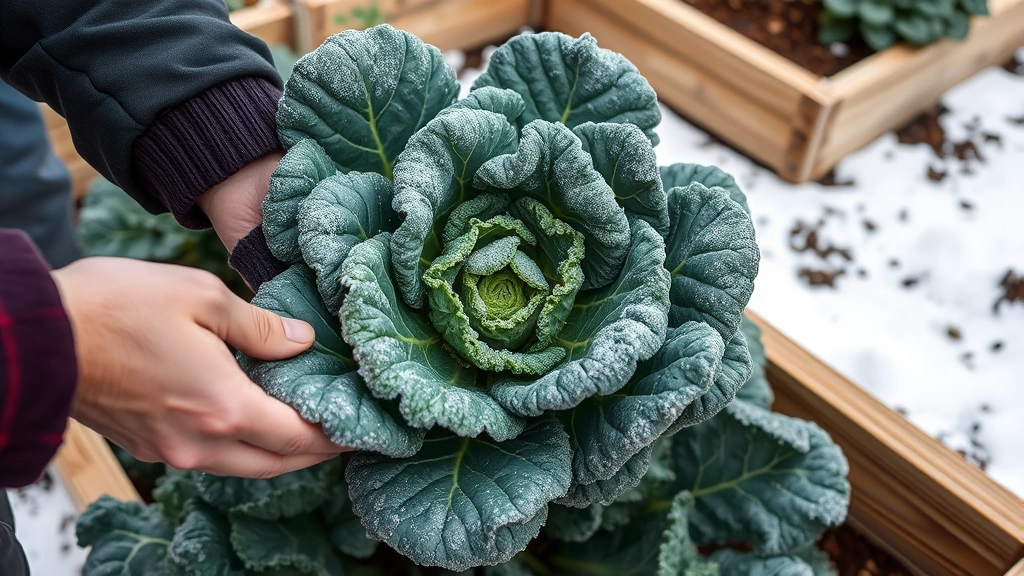
Kale stands out as the ultimate winter vegetable. This leafy green becomes sweeter after the first frost and can tolerate temperatures well below freezing. Lowe’s carries multiple kale varieties, from lacinato to curly types, all capable of producing throughout winter in most climates. Plant kale in early fall so it reaches maturity before the harshest cold arrives.
Spinach and arugula offer quick harvests during winter months. These fast-growing greens mature in 30-40 days and can be planted successively every two weeks through fall and early winter. They require minimal space and can even thrive in containers placed against south-facing walls for added warmth.
Carrots, beets, and radishes develop exceptional sweetness in winter gardens. These root vegetables store well underground, protected naturally by soil insulation. You can harvest them throughout the season as needed, or wait until spring when flavor peaks. Growing vegetables in raised garden beds provides excellent drainage and easier access for winter harvesting.
Brussels sprouts and broccoli represent the season’s showpiece crops. These take longer to mature but produce abundantly once established. The flavor improves dramatically after exposure to frost. Lowe’s offers seedlings and transplants that can be planted in mid-fall for winter production.
Garlic planting occurs in fall, with harvest the following summer. October through November is prime garlic-planting season. Purchase quality garlic cloves from Lowe’s and plant them pointy-end-up in well-draining soil. They’ll establish roots over winter and emerge as shoots in early spring.
Winter Protective Structures and Covers
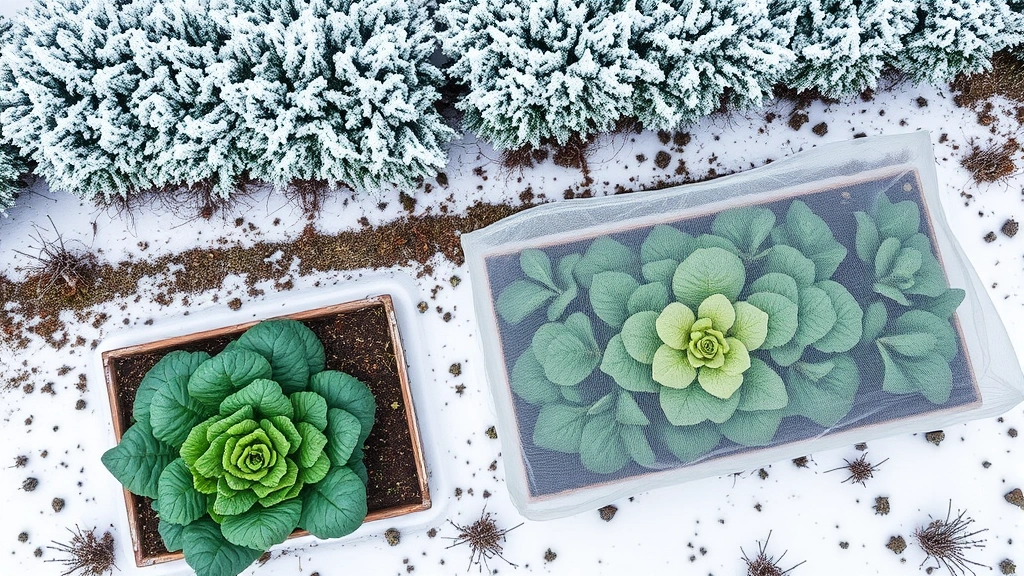
Frost cloth and row covers represent essential investments for extending your winter growing season. These lightweight fabrics trap heat, creating microclimates that can raise soil temperatures by 5-8 degrees Fahrenheit. Lowe’s stocks various weights of frost protection fabric suitable for different temperature ranges.
Cold frames provide semi-permanent protection for winter crops. These simple structures consist of a frame topped with glass or plastic, creating miniature greenhouses. You can build a raised garden bed and top it with a cold frame for maximum protection. The glass captures solar heat during the day and retains it at night, maintaining warmer soil temperatures.
Cloches—individual plant covers—protect single specimens or small plantings. Traditional bell-shaped cloches or modern plastic versions allow you to observe plant growth while shielding from wind and frost. Lowe’s carries plastic cloches in various sizes for different plant types.
Hoop houses and low tunnels represent mid-scale solutions. These structures use PVC or metal hoops covered with plastic sheeting to create protected growing zones. They’re taller than row covers but simpler than full greenhouses, offering excellent flexibility for winter gardening.
Mulch serves as nature’s insulation. Apply 2-4 inches of organic mulch around perennials and shrubs to protect roots from freezing and thawing cycles. Quality garden soil and mulch from Lowe’s ensure proper composition and weed-free material. Straw, shredded leaves, and wood chips all work effectively for winter protection.
Evergreen Plants for Year-Round Color
Winter is the ideal planting season for evergreen shrubs and trees. Without foliage on deciduous plants, your landscape becomes defined by evergreens. Their year-round color and texture provide structure and visual interest during dormant months.
Boxwoods offer timeless elegance with dense, fine-textured foliage. These versatile shrubs tolerate pruning, making them perfect for formal hedges or topiary. Lowe’s carries numerous boxwood varieties suitable for different climate zones and soil conditions.
Hollies provide both structure and seasonal interest. Their glossy foliage remains vibrant green through winter, while red berries offer striking color contrast from fall through spring. Choose female varieties for berry production, ensuring you have a compatible male pollinator nearby.
Dwarf conifers create architectural interest in winter gardens. Spruces, firs, and junipers offer varied shapes, sizes, and colors—from deep green to blue-gray to golden tones. Their compact forms make them perfect for foundation plantings or mixed borders.
Ornamental grasses provide movement and texture even in winter. Many varieties retain their dried seed heads and golden foliage throughout the cold season, creating dynamic visual appeal. Cut them back in early spring to make room for new growth.
Winter-blooming plants deserve special mention. Witch hazel, winter jasmine, and hellebores flower during the coldest months, providing unexpected color and fragrance. These specialty plants brighten dark winter days and attract early-emerging pollinators.
Winter Soil Preparation and Amendments
Winter offers the perfect opportunity to improve your soil without rushing. Soil organisms slow their activity in cold months, but the season provides time for amendments to integrate and break down naturally.
Cover crops prevent erosion while adding organic matter. Plant winter rye, hairy vetch, or clover in empty beds. These crops establish root systems that prevent nutrient leaching and improve soil structure. Turn them under in early spring for maximum benefit.
Compost application benefits from winter timing. Apply finished compost to planting beds where it can sit undisturbed through winter. Soil organisms will gradually incorporate it, improving structure and nutrient content. Lowe’s offers bagged compost in convenient quantities for smaller gardens.
Lime application works best in fall and winter. If your soil tests acidic and needs pH adjustment, apply lime now. The cold, wet winter months allow lime to dissolve and integrate into soil, making spring applications of other amendments more effective.
Aged manure enriches winter gardens. Apply well-rotted manure in fall so it breaks down completely before spring planting. Fresh manure can burn plants, but aged manure provides slow-release nutrients ideal for cool-season crops.
Leaf mulch creates valuable soil amendment. Collect fallen leaves and shred them with a mower, then layer them over garden beds. By spring, they’ll partially decompose, adding organic matter and improving water retention.
Garden Tools and Equipment for Cold Weather
Winter gardening requires specialized tools that function in cold, wet conditions. Lowe’s winter tool selection ensures you have appropriate equipment for seasonal challenges.
Long-handled spades with reinforced blades handle frozen or compacted soil. Cold temperatures make soil harder, so quality construction prevents tool breakage. Stainless steel resists corrosion from winter moisture.
Ergonomic pruning tools become essential as you maintain evergreens and cut back perennials. Cold hands lose dexterity quickly, so ergonomic handles with cushioning reduce strain. Battery-powered pruners from Lowe’s reduce hand fatigue during extended winter work.
Garden hoses rated for cold weather remain pliable in freezing temperatures. Standard hoses become brittle and crack when frozen. A quality garden hose rated for winter use prevents water delivery problems and extends equipment life.
Soil thermometers guide planting decisions. Knowing your soil temperature determines when seeds germinate and which crops thrive. Lowe’s carries analog and digital thermometers for accurate readings at various depths.
Snow shovels and snow blowers keep pathways clear for winter garden access. Maintaining clear routes to your garden beds ensures you can work comfortably and safely throughout the season.
Indoor Gardening Solutions
Winter drives many gardeners indoors. Lowe’s offers grow lights, seed-starting supplies, and hydroponic systems that extend gardening activities year-round.
LED grow lights consume minimal electricity while providing spectrum-optimized light for seedlings and houseplants. Position them 6-12 inches above plants and adjust as they grow. Timers ensure consistent 14-16 hour photoperiods necessary for strong plant development.
Seed-starting kits from Lowe’s include trays, soil, labels, and instructions. Start cool-season crops indoors 6-8 weeks before your spring planting date. Maintain consistent moisture and provide adequate light to prevent leggy, weak seedlings.
Houseplant collections thrive with winter attention. Reduce watering as growth slows, but increase humidity in heated homes. Group plants together to create a microclimate, or place trays on pebble-filled saucers with water to increase humidity.
Microgreens offer quick indoor harvests. These nutrient-dense seedlings mature in 2-3 weeks under grow lights. Lowe’s carries microgreen kits and specialized seeds for growing in shallow trays on windowsills or shelves.
Herb gardening indoors sustains fresh harvests through winter. Basil, parsley, and chives adapt well to indoor growing with adequate light. Position pots near south-facing windows or supplement with grow lights for best results.
Winter Garden Design and Aesthetics
Winter’s bare landscape reveals garden structure. This is the ideal time to assess design and plan improvements. Lowe’s offers hardscaping materials, planters, and decorative elements that enhance winter gardens.
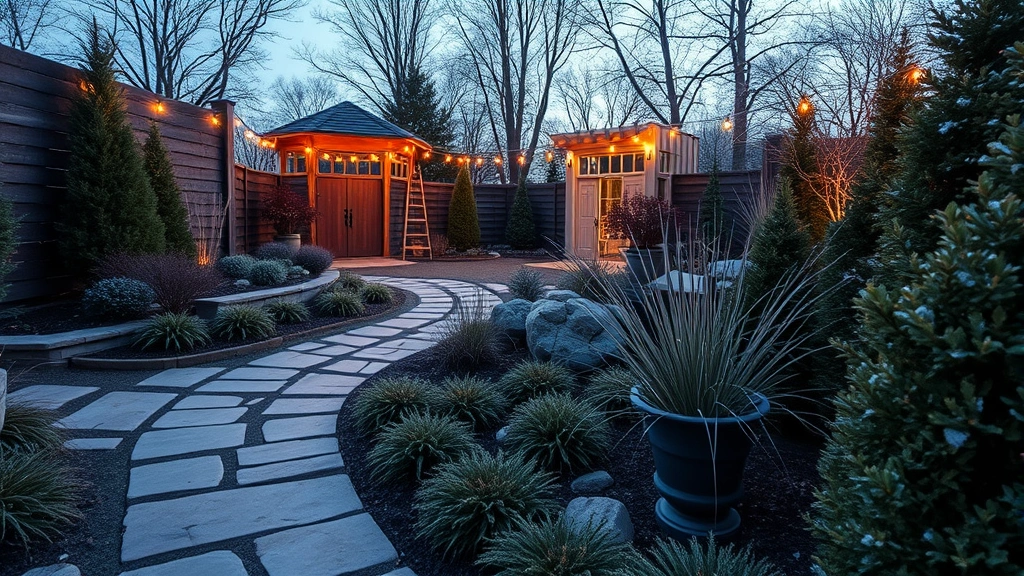
Architectural elements gain prominence when plants sleep. Stone paths, raised beds, pergolas, and fencing become focal points. Winter is perfect for installing these structures or refreshing existing ones. Strategic garden decorations add visual interest during dormant months.
Container gardening shifts to winter-appropriate choices. Combine evergreen foliage plants with winter berries, ornamental grasses, and flowering shrubs. Ensure containers have drainage holes and use winter-rated potting mix from Lowe’s.
Water features become sculptural elements. Frozen fountains and still ponds create reflective surfaces. Ensure moving water features have proper circulation to prevent complete freezing that could damage equipment.
Lighting transforms winter gardens after dark. String lights, pathway lights, and uplighting highlight structural elements and evergreen plantings. Battery-powered options from Lowe’s simplify installation without extensive electrical work.
Wildlife support gains importance in winter. Bird feeders, heated water baths, and native plant selections provide crucial resources. Evergreen plantings offer shelter, while seed-bearing plants and berries supply food.
Garden cleanup should be selective in winter. Leave ornamental grasses, seed heads, and hollow stems standing—they provide wildlife shelter and winter interest. Remove diseased foliage and fallen fruit to prevent disease carryover.
FAQ
What vegetables can I grow in my winter garden?
Cold-hardy vegetables thrive in winter conditions. Kale, spinach, arugula, carrots, beets, broccoli, Brussels sprouts, and garlic all produce well in cold months. These crops develop superior flavor after frost exposure and tolerate freezing temperatures that would kill warm-season vegetables.
How do I protect my winter garden from frost?
Multiple protection methods work together effectively. Frost cloth and row covers raise soil temperatures 5-8 degrees. Cold frames provide semi-permanent protection. Mulch insulates roots of perennials and shrubs. Cloches protect individual plants. Choose methods based on your climate and crop types.
When should I plant winter vegetables?
Timing depends on your location and crop type. Fast-growing greens can be planted through fall and early winter in most climates. Longer-season crops like Brussels sprouts and broccoli need planting in mid-fall. Garlic plants in October-November. Consult your local extension service for specific frost dates and planting windows.
Can I garden indoors during winter?
Absolutely. LED grow lights enable year-round indoor gardening. Start seeds for spring planting, grow microgreens for quick harvests, maintain herb gardens, or create houseplant displays. Indoor gardening keeps your skills sharp and provides fresh produce through winter.
What evergreens should I plant in winter?
Winter is ideal for planting evergreens. Boxwoods, hollies, dwarf conifers, and ornamental grasses all establish well in cold months. These plants define winter garden structure and provide year-round color when deciduous plants lose their leaves.
How do I improve my soil in winter?
Apply cover crops, compost, and aged manure in fall. These amendments integrate naturally through winter. If soil tests acidic, apply lime in fall or winter for spring effectiveness. Shredded leaves add organic matter and improve water retention.


