
When you’re ready to start a garden project, the soil you choose can make or break your success. Lowe’s Garden Soil has become a popular choice for both beginner and experienced gardeners, but is it actually worth the investment? This comprehensive review examines the quality, cost, performance, and alternatives to help you make an informed decision for your gardening needs.
Choosing the right soil is one of the most critical decisions you’ll make as a gardener. Whether you’re planning to build a raised garden bed, fill containers for an indoor herb garden, or amend existing garden beds, the soil’s composition, texture, and nutrient content directly impact plant growth and yield. Lowe’s offers several soil products at various price points, making it essential to understand what you’re actually purchasing.
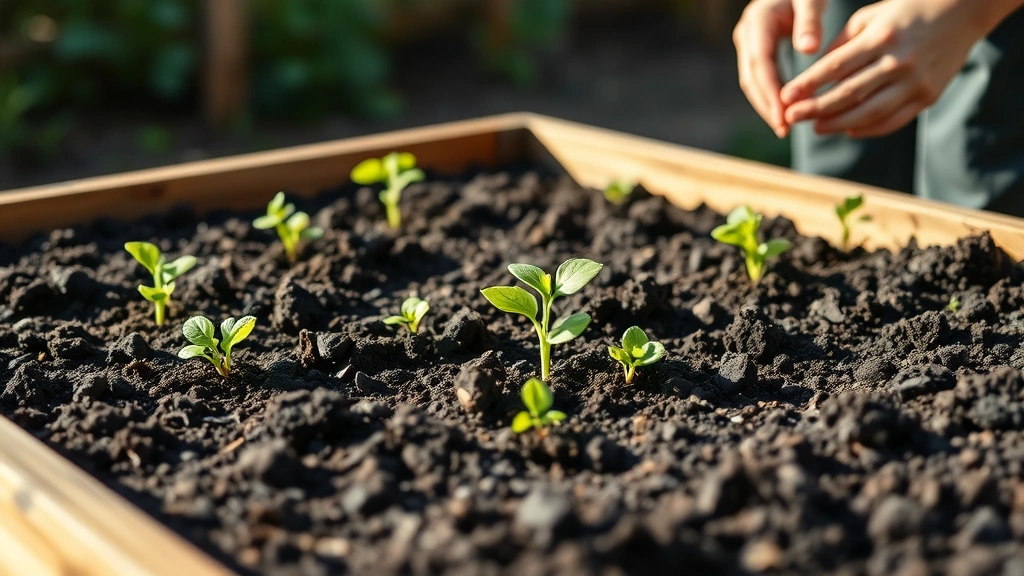
What Is Lowe’s Garden Soil Made Of?
Lowe’s carries multiple garden soil products under their house brand and through partnerships with established soil manufacturers. The primary product line includes a standard garden soil mix typically composed of topsoil, compost, and peat moss or coconut coir. Most formulations contain approximately 50-60% topsoil, 30-40% compost, and 10-15% organic matter amendments.
The exact composition can vary by region and availability. Some Lowe’s locations stock soil that includes composted bark, aged wood chips, and mineral amendments like perlite or vermiculite for improved drainage. The inclusion of these amendments is crucial because they affect water retention, aeration, and nutrient availability for plant roots.
One significant consideration is that Lowe’s garden soil does not typically come sterilized or pasteurized. This means it may contain dormant weed seeds, fungal spores, or pathogens depending on the source materials used by the manufacturer. If you’re growing in containers or starting seeds indoors, this could become problematic. However, for most outdoor garden applications, this is rarely a serious issue.
The nutrient profile of Lowe’s garden soil is generally modest. While the compost component provides some nitrogen, phosphorus, and potassium, the levels are typically lower than specialty mixes designed for specific plants. Most gardeners using this soil for vegetable gardens will need to supplement with additional fertilizers throughout the growing season.

Quality Assessment and Testing
To properly evaluate whether Lowe’s garden soil is worth purchasing, we need to look at objective quality measures. Several independent gardeners and horticultural organizations have tested commercial soil products, and Lowe’s offerings generally perform adequately but not exceptionally.
Soil texture is one critical quality indicator. Quality garden soil should have good structure with a balance of sand, silt, and clay particles. Lowe’s garden soil typically exhibits a loamy texture, which is ideal for most plants. However, some batches show excessive clay content, which can lead to compaction and poor drainage. The variability in quality between batches is one consistent complaint among experienced gardeners.
Drainage testing reveals that Lowe’s garden soil performs reasonably well, though not as well as premium brands. Water should drain within 24 hours while still retaining adequate moisture. Most Lowe’s soil mixes achieve this standard, but the drainage rate can be slower in areas with higher clay content. This is particularly important when planning container gardens or raised beds where drainage is essential.
pH levels in Lowe’s garden soil typically range from 6.0 to 7.5, which is acceptable for most garden plants. However, if you’re growing acid-loving plants like blueberries or azaleas, you may need to amend the soil further. Alkaline-loving plants generally do fine with this soil’s neutral to slightly alkaline pH.
Organic matter content is another important quality metric. Lowe’s garden soil usually contains 5-10% organic matter by weight, which is moderate. Premium soils often contain 15-20% or more. This affects long-term soil health and water retention capacity, particularly in arid climates where water conservation is important.
Price Comparison Analysis
Lowe’s garden soil pricing is competitive with other big-box retailers but typically higher than local landscape supply companies. As of the latest pricing data, Lowe’s garden soil costs approximately $3-5 per bag (typically 2 cubic feet) or $40-60 per cubic yard when purchased in bulk. This pricing makes it affordable for small projects but can become expensive for larger applications.
When comparing cost per cubic yard, here’s how Lowe’s stacks up against alternatives:
- Lowe’s Garden Soil: $40-60 per cubic yard
- Home Depot equivalents: $35-55 per cubic yard
- Local landscape suppliers: $20-40 per cubic yard
- Premium specialty soils: $60-100+ per cubic yard
For a typical raised bed project requiring 16 cubic feet (approximately 0.6 cubic yards), Lowe’s would cost around $25-35, while a local supplier might charge $15-25. For larger garden projects, these differences become substantial. A 100-square-foot vegetable garden bed 8 inches deep requires approximately 2.5 cubic yards of soil, which would cost $100-150 at Lowe’s versus $50-100 at a local landscape supplier.
However, convenience is a factor that shouldn’t be ignored. Lowe’s locations are widespread, and purchasing soil is easy and quick. Local suppliers often require advance ordering or may have limited availability during peak gardening season.
Performance in Different Growing Applications
The value proposition of Lowe’s garden soil varies significantly depending on how you plan to use it. Understanding these differences helps determine whether it’s worth the investment for your specific project.
Raised Garden Beds: Lowe’s garden soil performs well in raised beds, particularly when combined with additional amendments. For a raised garden bed project, you might mix Lowe’s garden soil with compost and perlite to create an optimal growing medium. In this application, it’s a solid choice at a reasonable price point.
Container Gardening: For containers and pots, Lowe’s garden soil is less ideal because it’s heavier and denser than purpose-formulated potting mixes. If you use it in containers, add perlite or coir to improve drainage and reduce weight. It’s not the worst option, but dedicated potting soils typically perform better.
Vegetable Gardens: For in-ground vegetable gardens, Lowe’s soil works adequately as a base layer, but most gardeners need to supplement with additional compost or fertilizer. The initial nutrient content won’t sustain heavy-feeding vegetables like tomatoes, peppers, or corn through an entire growing season without additional feeding.
Flower Beds: Annual and perennial flowers generally do well in Lowe’s garden soil, particularly if you add compost during planting. Ornamental plants are typically less nutrient-demanding than vegetables, making this soil suitable for these applications.
Seed Starting: Lowe’s garden soil is not recommended for seed starting due to potential weed seeds and pathogens. For this application, invest in a sterile seed-starting mix.
Customer Reviews and Real-World Results
Analyzing customer feedback from multiple sources provides valuable insight into actual performance. Lowe’s garden soil receives mixed reviews, with ratings typically between 3.5 and 4.0 out of 5 stars across various review platforms.
Common positive feedback includes:
- Reasonable price point for the product quality
- Convenient availability at local Lowe’s stores
- Good performance for general gardening purposes
- Appropriate texture and drainage for most applications
- Consistent quality across multiple purchases (though not universally)
Frequent complaints and concerns include:
- Inconsistent quality between batches and locations
- Presence of weed seeds in some batches
- Heavier than expected, making large projects physically demanding
- Not nutrient-rich enough for heavy-feeding plants
- Occasional clumping or compaction issues
- Better deals available from local landscape suppliers
Long-term gardeners who have used Lowe’s soil for multiple seasons report that while it provides acceptable results, they often switch to local suppliers once they discover better pricing for bulk purchases. However, for small projects and gardeners with limited access to local alternatives, Lowe’s garden soil remains a viable option.
Alternatives to Consider
Before committing to Lowe’s garden soil, exploring alternatives can help you make the best decision for your budget and gardening goals.
Local Landscape Supply Companies: These typically offer better pricing for bulk purchases and often have higher quality control. They can also provide site-specific recommendations for your region’s climate and soil conditions. Contact your local extension service for recommendations on reputable suppliers in your area.
Homemade Soil Mix: If you have access to compost, aged manure, and topsoil, you can create custom soil mixes tailored to your specific plants. This requires more effort but often costs less and provides superior quality control.
Specialty Soil Products: For specific applications like indoor herb gardens or acid-loving plants, specialty soils are worth the premium price. These formulations are designed for optimal performance in their specific applications.
Compost-Based Mixes: Retailers like Lowe’s also sell high-quality compost products that you can blend with topsoil or use independently. Sometimes purchasing components separately and mixing them yourself provides better results than pre-mixed products.
Native Soil Amendment: Improving existing native soil with compost amendments often costs less than replacing soil entirely and builds long-term soil health. This approach works particularly well for established gardens.
Best Uses for Lowe’s Garden Soil
Given the analysis above, Lowe’s garden soil is genuinely worth purchasing for specific applications:
Small to Medium Projects: For projects requiring fewer than 5 cubic yards, Lowe’s offers convenient access without the commitment of bulk ordering. Small raised beds, container top-dressing, and ornamental plantings are ideal applications.
Convenience Priority: When you need soil immediately and local suppliers can’t accommodate quick delivery, Lowe’s availability is valuable. Same-day or next-day availability can make garden projects more feasible.
Blending Projects: Using Lowe’s garden soil as a base component and blending it with higher-quality compost or specialty amendments can create excellent growing medium at reasonable cost.
Lawn Renovation: For filling in low spots or preparing areas for new grass seed, Lowe’s garden soil works adequately and is more affordable than premium lawn soils.
Beginner Gardeners: New gardeners benefit from Lowe’s predictable quality and available staff knowledge. Starting with familiar products from major retailers can reduce learning curve and build confidence.
When planning garden structures like garden arches and trellises, proper soil preparation with quality amendments ensures climbing plants establish successfully. Lowe’s soil can serve as the foundation for these projects with proper supplementation.
FAQ
Is Lowe’s garden soil good for vegetables?
Lowe’s garden soil provides an acceptable base for vegetable gardens but requires supplemental compost and fertilizer. Heavy-feeding vegetables particularly benefit from enriched soil with higher organic matter content. Mix Lowe’s garden soil with equal parts compost for vegetable beds to improve nutrient availability and water retention.
Does Lowe’s garden soil contain weed seeds?
Some batches contain dormant weed seeds, though not universally. If this concerns you, Lowe’s also sells sterilized potting soils and seed-starting mixes that undergo heat treatment. For outdoor gardens, occasional weeds from soil are typically manageable with mulching and regular weeding.
Can I use Lowe’s garden soil for containers?
While possible, Lowe’s garden soil is heavier and denser than ideal for containers. If using it in pots, amend with perlite or coir to improve drainage and reduce weight. Purpose-formulated potting mixes perform better for container gardening.
How does Lowe’s garden soil compare to Home Depot?
Home Depot’s garden soil offerings are comparable in quality and price to Lowe’s. Both big-box retailers carry similar products at similar price points. Availability and specific product selection may vary by location.
Should I buy Lowe’s garden soil in bulk?
For projects requiring more than 5 cubic yards, exploring local landscape suppliers often provides better pricing. However, Lowe’s bulk delivery options can be convenient if local suppliers have long wait times. Compare total cost including delivery before deciding.
What’s the best way to improve Lowe’s garden soil?
Mix Lowe’s garden soil with 25-50% compost, add perlite or coir for drainage improvement, and incorporate slow-release organic fertilizer. This creates a superior growing medium suitable for most garden applications while keeping costs reasonable.


