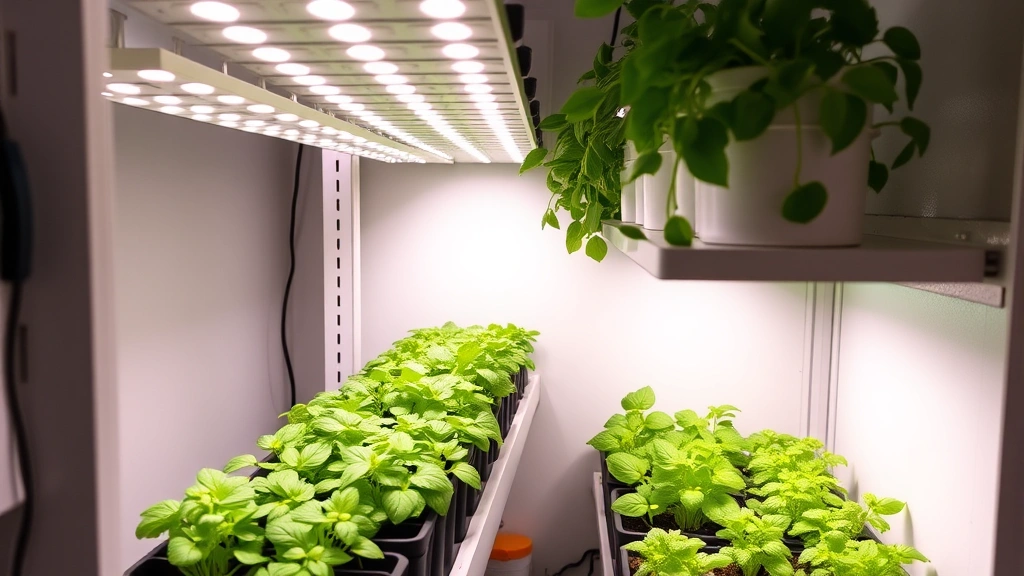
Can You Grow a Garden Indoors? Expert Answers
The short answer is absolutely yes—you can grow a thriving garden indoors, even without natural sunlight or outdoor space. Indoor gardening has transformed from a niche hobby into a practical solution for urban dwellers, apartment residents, and anyone seeking fresh vegetables and herbs year-round. Whether you’re interested in cultivating herbs on your kitchen windowsill, creating a lush living wall, or establishing a full-scale hydroponic system in your basement, indoor gardening offers flexibility, control, and remarkable results.
What makes indoor gardening particularly appealing is the ability to bypass seasonal limitations entirely. You’re no longer dependent on spring’s arrival or fall’s departure. Instead, you control the temperature, humidity, light exposure, and nutrient delivery—essentially creating the perfect growing environment regardless of what’s happening outside your windows. This guide explores everything you need to know about establishing a successful indoor garden, from selecting appropriate plants to troubleshooting common challenges.
Understanding Indoor Growing Conditions
Indoor gardening fundamentally differs from outdoor cultivation because you’re working within a controlled environment. The first step toward success involves understanding what your plants actually need and how to replicate those conditions indoors. Most plants require four essential elements: light, water, nutrients, and proper air circulation.
Light is perhaps the most critical factor. Unlike outdoor gardens where the sun provides unlimited light energy, indoor spaces typically receive insufficient natural light for most food-producing plants. This is why grow lights have become essential equipment for serious indoor gardeners. Understanding the difference between various light spectrums—blue light for vegetative growth and red light for flowering and fruiting—helps you select appropriate lighting solutions.
Temperature and humidity also play crucial roles. Most vegetables and herbs prefer temperatures between 65-75°F during the day and slightly cooler at night. Humidity levels should typically range from 40-70%, though this varies by plant species. Indoor environments, especially during winter months when heating systems run constantly, often become too dry. Addressing humidity through humidifiers, pebble trays, or strategic plant grouping prevents stress and disease.
Air circulation prevents stagnant conditions that encourage mold and fungal diseases. A small oscillating fan running for several hours daily strengthens plant stems and promotes healthier growth. This mimics the natural air movement plants experience outdoors.
Best Plants for Indoor Gardening
Not every plant thrives indoors, but many do remarkably well. Success depends on selecting species suited to your available light, space, and commitment level. Herbs represent the ideal starting point for most indoor gardeners because they tolerate moderate light conditions and produce harvests within weeks.
Herbs are the superstars of indoor gardening. Basil, parsley, cilantro, chives, oregano, thyme, and mint all grow successfully indoors. Basil is particularly forgiving and produces abundant leaves for cooking. Most herbs require 12-16 hours of light daily and prefer consistent moisture without waterlogging.
Leafy greens like lettuce, spinach, arugula, and kale perform exceptionally well indoors. These shallow-rooted plants don’t require deep containers and mature quickly—often within 30-45 days. Their lower light requirements compared to fruiting plants make them ideal for beginners.
Microgreens offer the fastest gratification. These nutrient-dense seedlings mature in 7-14 days and require minimal space. Growing microgreens requires only a shallow tray, growing medium, seeds, and basic light. They’re perfect for kitchen gardening.
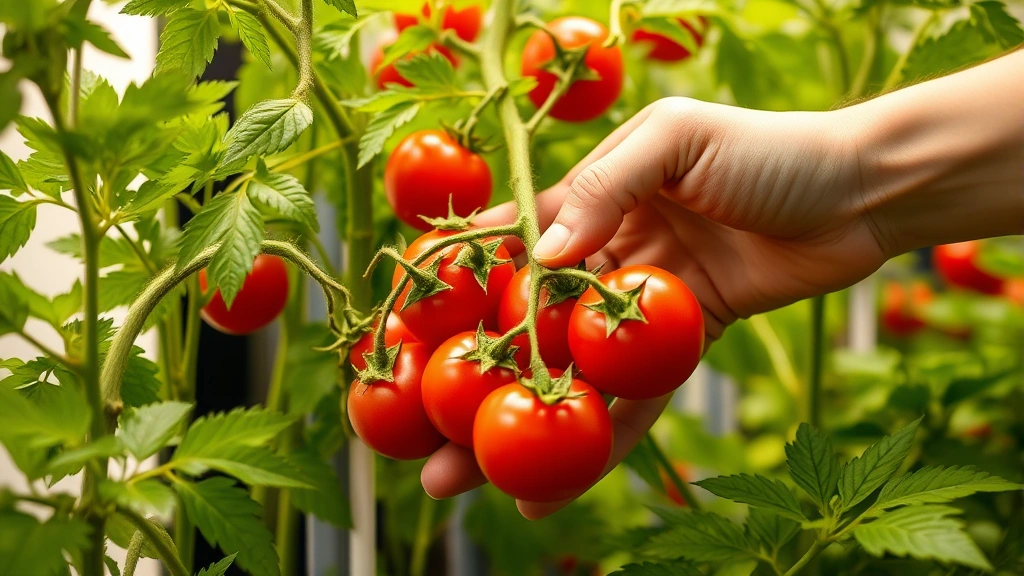
Fruiting plants like tomatoes, peppers, and strawberries can grow indoors but demand more light—typically 14-16 hours daily from quality grow lights. Compact or determinate varieties work better than sprawling types. Dwarf pepper varieties and cherry tomatoes are particularly suitable for indoor cultivation.
Root vegetables including radishes, beets, and carrots grow indoors in deeper containers. They mature slower than leafy greens but still outperform outdoor cultivation during winter months.
Ornamental plants that produce edible flowers or add aesthetic appeal include nasturtiums, pansies, and violas. These brighten your indoor garden while providing garnishes for meals.
Lighting Systems and Equipment
Selecting appropriate lighting determines whether your indoor garden thrives or merely survives. Natural window light, even from south-facing windows, rarely provides sufficient intensity for most vegetables. The light quality also changes seasonally, becoming insufficient during winter months when days shorten.
LED grow lights have revolutionized indoor gardening. Modern LED systems are energy-efficient, generate minimal heat, and produce the specific light spectrums plants need. Full-spectrum LEDs work well for most applications, though separate blue and red lights allow precise spectrum control for different growth stages.
Light intensity matters tremendously. Leafy greens require 200-400 micromoles per second per square meter (µmol/m²/s), while fruiting plants need 400-600+ µmol/m²/s. Most quality LED grow lights specify their output, helping you match intensity to your plant selection.
Duration is equally important. Most plants benefit from 12-16 hours of daily light exposure. Using timers ensures consistent photoperiods without requiring manual adjustment. This consistency promotes stronger, more productive plants.
Fluorescent lights remain viable for low-light-tolerant plants. T5 fluorescents work particularly well for seedlings and microgreens. However, they’re less efficient than LEDs and generate more heat, requiring closer monitoring.
Light positioning affects growth patterns. Position lights 6-12 inches above plants, adjusting as they grow. Too-distant lights cause stretching and weak stems. Reflective surfaces around your growing area—white walls, mylar sheets, or reflective panels—maximize light utilization by bouncing photons back toward plants.
Creating Your Indoor Growing Space
Your indoor garden’s location significantly influences success. Choose a space with stable temperatures, access to electrical outlets for lights and fans, and protection from pets and children if necessary. Many gardeners repurpose closets, shelves, corners, or entire rooms for indoor cultivation.
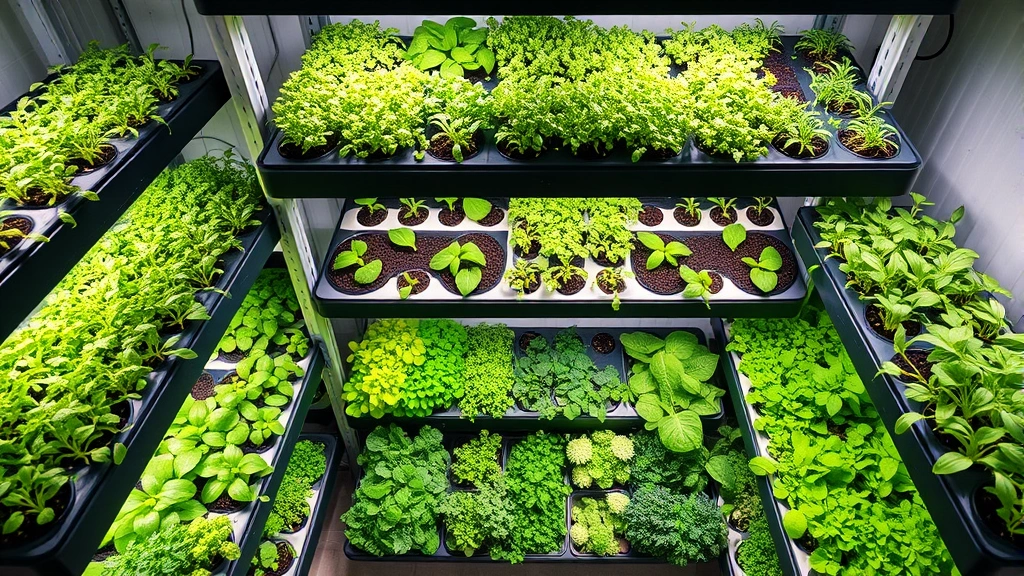
Shelving systems maximize vertical space, allowing multiple growing tiers. Heavy-duty shelving units accommodating grow lights, trays, and plants are readily available. Vertical gardens transform unused wall space into productive growing areas, perfect for apartments and small homes.
Container selection affects drainage, root development, and plant health. Food-safe containers with drainage holes work well—recycled yogurt containers, plastic storage bins, or purpose-built growing trays all function effectively. Container size should match plant root systems; shallow trays suit microgreens and leafy greens, while deeper containers support fruiting plants and root vegetables.
Growing mediums replace soil in many indoor setups. Soilless mixes, coconut coir, perlite, and peat moss provide good drainage while retaining moisture. For hydroponic systems, no growing medium is necessary—roots suspend in nutrient-rich water instead. Beginner gardeners often prefer soil-based systems for simplicity, though hydroponic systems ultimately prove more water-efficient.
Water management systems range from simple hand-watering to automated drip systems. Consistent moisture without waterlogging prevents root rot and nutrient deficiencies. Many successful indoor gardeners use self-watering containers or wicking systems that maintain optimal moisture automatically.
Organization enhances efficiency. Label containers with plant varieties and planting dates. Keep records of light hours, temperature, humidity, and harvest timing. This documentation helps you refine your system and troubleshoot problems systematically.
Watering and Nutrient Management
Indoor plants can’t access the diverse nutrients naturally available in outdoor soil. You must provide complete nutrition through fertilizers or nutrient solutions. Understanding your plants’ nutritional needs prevents deficiencies that limit growth and productivity.
Nutrient requirements vary by plant type and growth stage. Leafy greens need moderate nitrogen for foliage development. Fruiting plants require higher phosphorus and potassium during flowering and fruiting stages. Most balanced indoor plant fertilizers (such as 10-10-10 or 5-5-5 formulations) support general growth, though specialized fertilizers optimize results.
Water quality matters more indoors than outdoors. Chlorinated tap water can accumulate salts in containers, eventually harming plants. Many indoor gardeners use filtered water or allow tap water to sit 24 hours before use, allowing chlorine to evaporate. Rainwater or distilled water eliminates these concerns entirely.
Watering frequency depends on container size, growing medium, light intensity, and humidity. Indoor containers dry faster than outdoor gardens due to air circulation and grow light heat. Check soil moisture regularly—the top half-inch should feel dry before watering. Overwatering kills more indoor plants than underwatering.
Hydroponic systems deliver nutrients directly to roots in water solutions. This method eliminates soil-borne diseases, reduces water usage by 90% compared to traditional gardening, and allows precise nutrient control. However, hydroponic systems require more initial investment and monitoring than soil-based methods.
Nutrient monitoring through pH testing ensures nutrients remain available to plants. Most plants prefer slightly acidic conditions (pH 6.0-6.8). Hydroponic growers should test and adjust pH regularly, while soil-based gardeners can test less frequently by checking growing medium pH monthly.
Common Indoor Gardening Challenges
Indoor gardeners encounter predictable problems. Understanding causes and solutions prevents frustration and crop failure.
Leggy growth—tall, weak stems with sparse leaves—indicates insufficient light. Plants stretch toward light sources when light intensity is inadequate. Solutions include lowering grow lights closer to plants or increasing daily light duration.
Yellowing leaves suggest nutrient deficiencies, typically nitrogen. Increase fertilizer concentration or frequency. However, yellowing lower leaves on mature plants is normal senescence. Ensure you’re distinguishing between normal aging and pathological yellowing.
Pest infestations including spider mites, aphids, and whiteflies thrive in warm indoor environments. Indoor pests lack natural predators, potentially exploding in population. Inspect new plants before bringing them indoors. Spray infested plants with neem oil or insecticidal soap. Isolate affected plants to prevent spread.
Mold and fungal diseases develop in humid, poorly-ventilated conditions. Improve air circulation with fans. Reduce humidity if excessive. Remove affected leaves promptly. Avoid wetting foliage when watering.
Blossom end rot in tomatoes and peppers indicates calcium deficiency, usually caused by inconsistent watering. Maintain steady moisture levels without waterlogging. Calcium supplements help once deficiency appears.
Bolting—premature flowering—occurs when leafy greens experience temperature stress or excessive light. Maintain consistent temperatures and provide appropriate light duration for your crop type rather than maximum light.
Addressing these challenges systematically—identifying the problem, understanding its cause, and implementing targeted solutions—transforms challenges into learning opportunities that improve your indoor gardening success.
FAQ
How much space do I need for an indoor garden?
Indoor gardens scale to fit any space. A single shelf with grow lights can support dozens of herb plants. Even a sunny kitchen window accommodates microgreens and herbs without artificial lighting. Start small and expand as you gain experience and confidence.
Can I grow vegetables indoors without grow lights?
Leafy greens and some herbs tolerate low-light conditions near south-facing windows. However, fruiting plants and most vegetables need grow lights for adequate light intensity. A south or west-facing window supplements grow lights but rarely provides sufficient light alone during winter months.
What’s the most cost-effective way to start an indoor garden?
Begin with herbs in containers on a sunny windowsill. Invest in quality grow lights only when expanding to light-demanding crops. Building your own growing structures from recycled materials reduces costs significantly. Start small, learn your system, then scale up as you develop expertise.
How long until I harvest from an indoor garden?
Microgreens mature in 7-14 days. Most leafy greens produce harvestable leaves within 30-45 days. Herbs begin producing within 4-6 weeks. Fruiting plants like tomatoes and peppers require 60-90 days from planting to first harvest. Succession planting ensures continuous harvests rather than single-batch production.
Do indoor gardens use a lot of electricity?
Modern LED grow lights consume 30-50 watts per square foot of growing space, far less than traditional lighting. Running lights 14 hours daily costs approximately $5-15 monthly per light depending on wattage and local electricity rates. This cost is offset by fresh produce harvests, especially for high-value items like herbs and specialty greens.
Can I use natural sunlight exclusively?
South-facing windows provide maximum natural light, sufficient for shade-tolerant plants like lettuce and herbs during spring and summer. Winter months reduce light intensity and duration significantly. Most vegetable gardeners supplement natural light with grow lights, particularly during winter. Oregon State University Extension offers detailed guidance on supplementing natural light.
What humidity level do indoor plants need?
Most vegetables and herbs prefer 40-70% humidity. Tropical plants tolerate higher humidity. Indoor heating systems often create 20-30% humidity, requiring humidifiers or grouping plants together to create localized humid microclimates. A simple humidity meter helps monitor levels.


