How to Design a King Garden: Expert Insights for Maximum Yield and Beauty
A king garden represents the pinnacle of home gardening ambition—a spacious, well-organized growing space that combines productivity with aesthetic appeal. Whether you’re dreaming of a sprawling vegetable kingdom or an ornamental paradise, designing a king garden requires strategic planning, proper layout, and an understanding of your local growing conditions. This comprehensive guide will walk you through every aspect of creating a garden that truly reigns supreme in your landscape.
The term “king garden” refers to larger-scale home gardens that typically span 500 square feet or more, offering enough space to grow diverse plant varieties while maintaining an organized, visually pleasing design. A well-designed king garden not only maximizes your harvest potential but also creates a serene outdoor retreat where you can spend countless hours nurturing your plants and enjoying the fruits of your labor.
Assessing Your Space and Site Conditions
Before breaking ground on your king garden, conduct a thorough site assessment. Observe how sunlight moves across your property throughout the day, noting areas that receive full sun (6+ hours), partial shade (3-6 hours), and full shade (less than 3 hours). Most vegetables require full sun, while leafy greens and some herbs tolerate partial shade. Document these patterns for at least a week during your intended growing season.
Evaluate your soil quality by performing a simple jar test or submitting samples to your local USDA plant health services. Understanding your soil’s texture, pH, and nutrient content will inform your amendment strategy. Check for existing drainage patterns—observe where water pools during rainfall and where it drains quickly. Poor drainage can be corrected with raised beds or French drains, while fast-draining sandy soil may need organic matter incorporation.
Consider proximity to water sources, wind exposure, and access to your home. A king garden positioned near an outdoor faucet saves countless trips with watering cans. Note any existing trees or structures that might cast shadows as they grow or that could interfere with garden operations.
Planning Your Garden Layout
Strategic layout separates amateur gardeners from experienced ones. Begin by sketching your space on graph paper, noting all fixed elements like trees, structures, and utilities. A typical king garden benefits from a central pathway system that allows easy access to all planting areas without stepping on soil or damaging plants.
Consider using the “zones” approach: dedicate specific areas for vegetables, herbs, perennials, and potentially fruit-bearing plants. Group plants with similar water and nutrient needs together for efficient management. Position tall plants (tomatoes, corn, sunflowers) on the north side of your garden so they don’t shade shorter crops. Vertical gardens can maximize production in limited spaces while improving air circulation around plants.
Create a rotation plan for future seasons. Divide your vegetable area into three or four sections, rotating plant families through different sections each year. This practice reduces pest and disease buildup while naturally managing soil nutrients. Keep detailed records of what grows where—a simple spreadsheet or garden journal becomes invaluable for future planning.
Factor in viewing angles from your home and outdoor living spaces. A beautiful king garden serves as a visual focal point, so consider the sight lines from your windows and patio. Frame views with attractive structures, specimen plants, or decorative elements that enhance both functionality and aesthetics.
Choosing the Right Beds and Structures
Your king garden’s infrastructure determines long-term success and ease of maintenance. Raised garden beds offer numerous advantages: improved drainage, warmer soil in spring, easier access, and better pest management. Standard beds measure 4 feet wide by 8 feet long, allowing you to reach the center from either side without stepping into the bed. Height typically ranges from 6 to 12 inches, with 12 inches providing optimal root depth for most vegetables.
For larger king gardens, consider a combination of raised beds and in-ground plantings. Raised beds work excellently for vegetables and herbs where you can control soil quality, while in-ground areas suit perennials, shrubs, and established fruit trees. Use rot-resistant materials like composite boards, galvanized metal, or naturally rot-resistant cedar for bed construction.
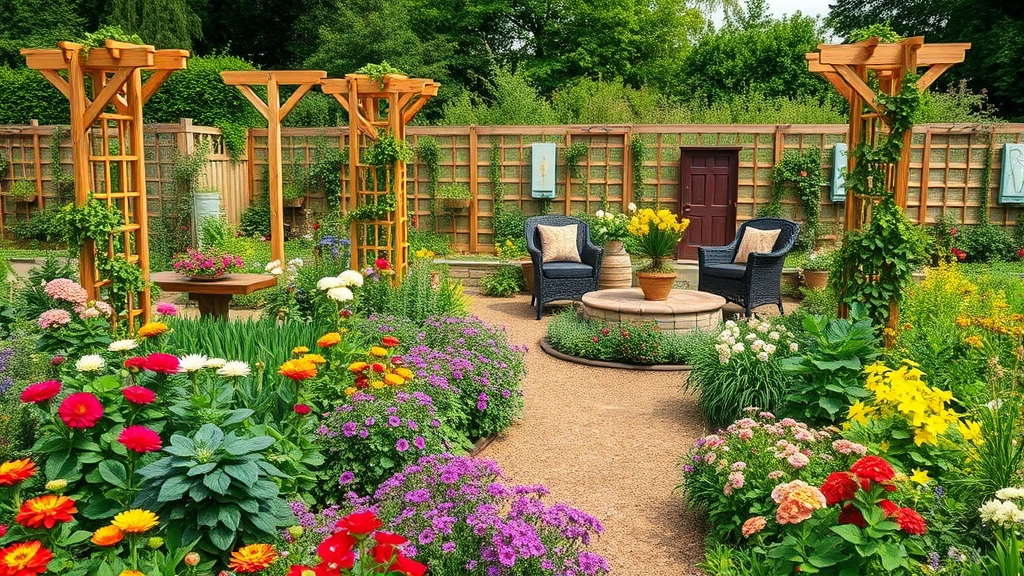
Install trellises, arbors, and support structures early in the design process. These elements serve double duty—supporting climbing plants while creating visual interest and defining garden spaces. Container gardening with cucumbers and other vining crops allows flexible placement and easier harvesting at comfortable heights.
Incorporate compost bins into your design, ideally positioned where they’re accessible but not visually prominent. Three-bin systems allow you to manage active composting, aging, and finished compost simultaneously. A king garden generates substantial organic matter that, when composted, provides free soil amendment year after year.

Selecting Plants for Your King Garden
A true king garden celebrates plant diversity while respecting your local climate zone. Start with plants you actually enjoy eating or viewing. Grow enough of your favorite vegetables to meet household needs plus surplus for preservation or sharing.
Prioritize high-value crops—vegetables that cost significantly more at farmers markets or grocery stores. Cherry tomatoes, specialty lettuces, herbs, and gourmet mushrooms provide excellent returns on space and effort. Include succession plantings of fast-growing crops like lettuce, radishes, and beans, planting new seeds every 2-3 weeks for continuous harvests.
Select disease-resistant varieties suited to your region. Consult your local extension service or master gardener program for variety recommendations proven in your area. Heirloom varieties offer unique flavors and appearance but may require more pest management than modern hybrids.
Incorporate pollinator-friendly plants throughout your king garden. Flowers like zinnias, cosmos, marigolds, and native wildflowers attract bees and beneficial insects that improve vegetable yields. Herb flowers (cilantro, dill, parsley) serve dual purposes—harvesting leaves while blooms feed pollinators. A diverse garden ecosystem naturally manages pests through predator-prey relationships.
Plan for season extension. Include cold-hardy crops for spring and fall seasons, and consider low tunnels or cold frames for extending your growing season. Cool-season crops like kale, spinach, and root vegetables often taste superior when grown in cooler weather.
Water Management and Irrigation
Efficient water management makes or breaks large gardens. Install drip irrigation systems that deliver water directly to plant roots, reducing evaporation and fungal diseases. Soaker hoses work well for raised beds and in-ground rows, while micro-sprinklers suit ornamental plantings. Automated timers ensure consistent watering even during busy periods or vacations.
Calculate your garden’s water needs based on plant types, soil composition, and local climate. Most vegetables need 1-2 inches of water weekly, including rainfall. Sandy soils require more frequent watering than clay soils. Morning watering reduces disease pressure compared to evening irrigation.
Implement rainwater harvesting with gutters and collection barrels. A king garden can utilize hundreds of gallons during dry spells—capturing roof runoff provides free water while reducing municipal usage. Position barrels near your garden for convenient access. Keep garden hose repair kits on hand for quick fixes to irrigation lines.
Mulch heavily around plants with 2-4 inches of wood chips or straw. Mulch reduces soil evaporation, moderates temperature fluctuations, suppresses weeds, and adds organic matter as it decomposes. Avoid mulching directly against plant stems to prevent rot and pest harborage.
Pathways, Access, and Functionality
Well-designed pathways transform a king garden from chaotic to functional. Main pathways should be 3-4 feet wide, accommodating wheelbarrows and allowing two people to walk side-by-side. Secondary pathways can be narrower (2-3 feet). Materials include wood chips, gravel, pavers, or recycled materials—choose what complements your aesthetic while providing good drainage.
Position pathways to minimize walking distance between frequently used areas. Place compost bins, tool storage, and water sources centrally for maximum efficiency. Create a seating area—a bench or small patio within your king garden provides rest spots and encourages time spent observing your plants’ growth and pest populations.
Install garden gates or entrance features that control foot traffic and define your garden space. Gates serve practical purposes—keeping pets and unwanted visitors out while creating a sense of arrival and transition into your growing space.
Establish a potting area or workspace with a table, shelving, and tool storage. A covered structure protects seeds, transplants, and tools from weather while providing a comfortable workspace for seed starting and plant care tasks.
Soil Preparation and Amendment
Exceptional gardens start with exceptional soil. Conduct a soil test through your USDA NRCS office to determine nutrient levels, pH, and organic matter content. Most vegetables thrive in slightly acidic soil (pH 6.0-6.8) rich in organic matter.
Incorporate 2-4 inches of compost into new beds annually. This ongoing amendment improves soil structure, increases water retention, feeds beneficial microorganisms, and gradually elevates organic matter content. Never work soil when wet—waiting until soil crumbles in your hand prevents compaction and structural damage.
Consider specialized amendments for your king garden’s needs. Ginger and similar crops prefer slightly acidic, well-draining soil with added sand and peat moss. A ginger garden requires unique soil preparation compared to standard vegetable beds. Lime raises pH while sulfur lowers it—apply amendments based on your soil test results.
Implement cover cropping during off-seasons. Winter rye, clover, and vetch add nitrogen, organic matter, and structure while preventing erosion and suppressing weeds. Till cover crops into soil 2-3 weeks before spring planting.
Seasonal Maintenance Schedule
Spring: Begin with soil testing and amendment incorporation. Start seeds indoors 6-8 weeks before your last frost date. Harden off seedlings by gradually exposing them to outdoor conditions. Install irrigation systems and mulch before planting. Plant cool-season crops 2-3 weeks before your last frost date.
Summer: Maintain consistent watering, especially during fruit-set periods for vegetables. Scout for pests and diseases weekly, addressing issues early. Deadhead flowers to encourage continuous blooming. Harvest regularly to promote production. Start seeds for fall crops 8-10 weeks before your first frost date. Maintain pathways and infrastructure.
Fall: Transition from spring crops to cool-season plantings. Continue harvesting and maintain disease management. Add compostable materials to bins. Begin preparing beds for winter by removing spent plants and amending with compost. Plant garlic and spring bulbs for next season.
Winter: Review the past season’s records and plan next year’s layout. Order seeds from catalogs, taking notes on varieties that performed well. Maintain composting systems. Repair or upgrade structures and infrastructure. Prune dormant trees and shrubs. Rest and recharge—winter provides reflection time for improving your king garden design.
FAQ
What size qualifies as a king garden?
While no official standard exists, king gardens typically exceed 500 square feet, offering substantial growing space for diverse plant varieties. Some king gardens span 1,000+ square feet. The key characteristic is enough space to implement proper crop rotation, succession planting, and diverse plantings while maintaining organized, efficient pathways and work areas.
How much does it cost to establish a king garden?
Costs vary dramatically based on your design choices, existing site conditions, and materials selected. A basic king garden with raised beds might cost $1,500-$3,000, while incorporating irrigation systems, structures, and premium materials could exceed $5,000-$10,000. Starting with essential elements and expanding gradually makes a king garden financially manageable.
Can I design a king garden in partial shade?
Absolutely, though your crop selection becomes more limited. Focus on shade-tolerant plants like leafy greens, herbs (mint, parsley, cilantro), and shade-loving perennials. Most fruiting vegetables require full sun, but many gardeners successfully grow them in areas receiving 4-6 hours of direct sun, especially afternoon shade in hot climates.
How long does it take to design and build a king garden?
Planning typically requires 1-3 months of observation and research. Initial construction might span 2-8 weeks depending on complexity and your available time. However, a king garden evolves continuously—most gardeners spend years refining layouts, adding features, and optimizing designs based on real-world experience.
What’s the best layout for a beginner’s king garden?
Start with simple rectangular raised beds arranged in a grid pattern with straight pathways. This layout maximizes space efficiency, simplifies irrigation installation, and makes crop rotation straightforward. As you gain experience, you can add curves, specialty structures, and more complex designs.
Should I hire professional help designing my king garden?
Professional landscape designers or master gardeners can accelerate your planning process, avoiding costly mistakes. However, many successful king gardens are designed by their owners using free resources from extension services, gardening books, and online communities. Start with professional consultation if you’re uncertain, or begin designing yourself and seek expert input as questions arise.
How do I protect my king garden from pests?
Implement integrated pest management combining cultural practices (crop rotation, resistant varieties, sanitation), physical barriers (row covers, netting), beneficial insects (pollinator-friendly plants, insectaries), and targeted interventions only when pest populations exceed acceptable levels. A diverse, healthy garden naturally resists pest outbreaks better than monocultures.
What’s the best time of year to start a king garden?
Fall is ideal for establishing permanent structures and beds, allowing soil amendments to settle over winter. However, you can begin any time—spring offers immediate gratification through quick plant growth, while summer allows observation of sun patterns before major construction. Choose timing based on your climate and available energy.