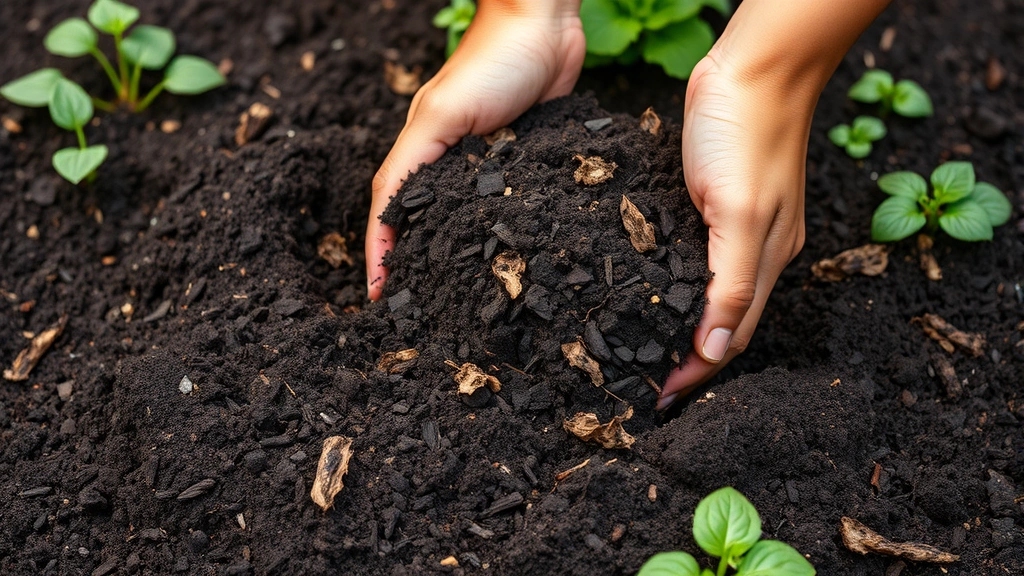
How to Grow Kimchi Ingredients: Pro Tips for Your Homegrown Harvest
Growing your own kimchi ingredients transforms your kitchen garden into a vibrant source of authentic, fresh produce. Whether you’re a fermentation enthusiast or simply want to cultivate vegetables with superior flavor, a dedicated kimchi garden offers remarkable rewards. The essential ingredients—napa cabbage, Korean radish, garlic, ginger, and chili peppers—thrive in home gardens when given proper attention and seasonal timing.
Creating a successful kimchi garden requires understanding each plant’s unique growing requirements, from soil composition to harvest timing. This comprehensive guide walks you through every step, from seed selection to final harvest, ensuring you produce abundant, nutrient-rich ingredients perfect for fermentation. With pro tips developed through years of gardening experience, you’ll master the cultivation techniques that professional growers use.
Essential Kimchi Garden Vegetables
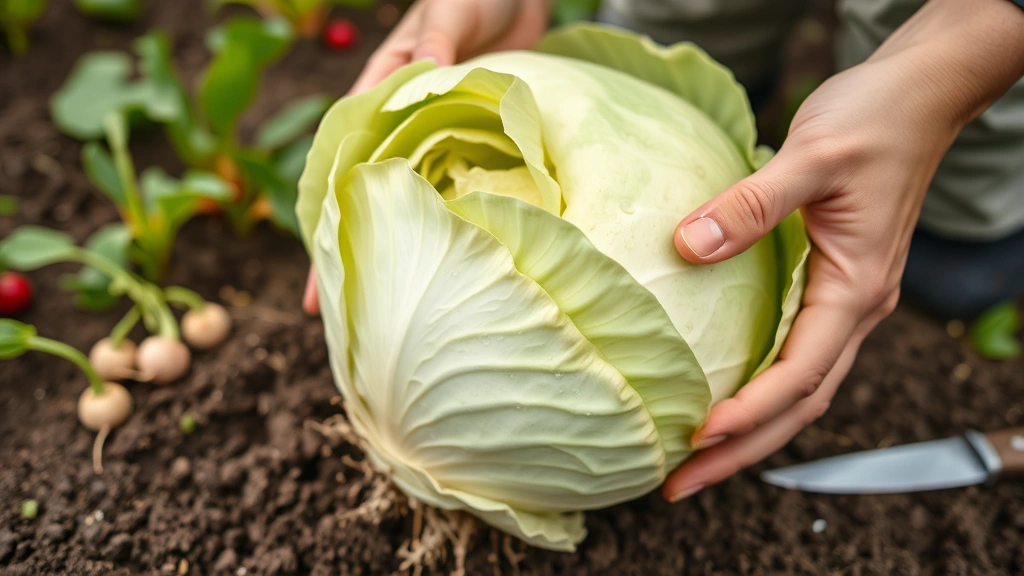
Your kimchi garden foundation rests on five primary ingredients, each offering distinct flavor profiles and nutritional benefits. Napa cabbage forms the base of traditional kimchi, providing the tender, slightly sweet leaves that ferment beautifully. This cool-season brassica prefers temperatures between 55-70°F and produces firm heads when grown under optimal conditions.
Korean radish, also called daikon or mu, contributes peppery crunch and subtle sweetness to kimchi preparations. These larger radishes develop better flavor and texture when grown in loose, well-draining soil with consistent moisture. Unlike common red radishes, Korean varieties mature over 60-90 days, allowing complex flavor development.
Garlic provides the pungent backbone of authentic kimchi seasoning. Growing garlic requires patience—you plant cloves in fall, allow them to overwinter, then harvest the following summer. The investment pays dividends when you experience homegrown garlic’s superior intensity compared to store-bought alternatives.
Fresh ginger root adds warming spice and digestive benefits. While ginger prefers warmer climates, container cultivation allows northern gardeners to succeed. The rhizomes develop best with 8-10 months of warm growing conditions and consistent moisture without waterlogging.
Chili peppers deliver the signature heat and vibrant color. Korean varieties like gochugaru peppers offer moderate heat with fruity undertones. These warm-season crops need 6-8 weeks of frost-free conditions to produce prolifically.
Soil Preparation and Garden Setup
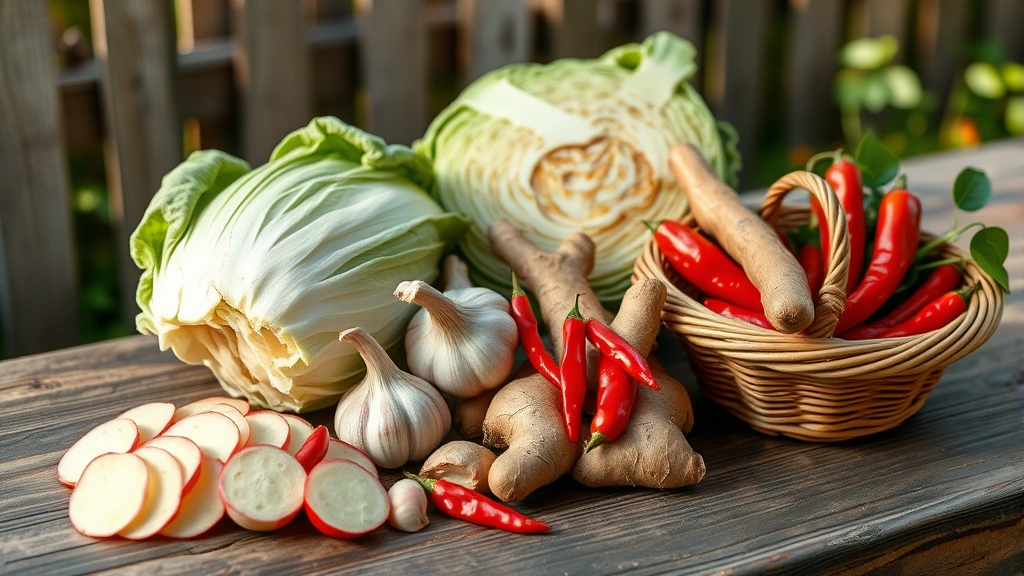
Successful kimchi ingredient production begins with soil preparation. Test your garden soil’s pH, targeting 6.0-7.0 for brassicas and slightly acidic conditions (6.5) for root crops. Most extension services offer affordable soil testing through your local agricultural cooperative.
Amend heavy clay soils with 2-3 inches of well-aged compost, working it into the top 8-10 inches. This improves drainage while building organic matter that sustains nutrients throughout the growing season. Sandy soils benefit from compost addition too, as it increases water and nutrient retention.
Consider raised beds for superior drainage and easier management. A 4×8 foot bed accommodates multiple vegetable types while allowing proper spacing. Fill with a mixture of topsoil (50%), compost (30%), and peat moss or coconut coir (20%) for optimal growing conditions.
Establish consistent watering infrastructure, whether drip irrigation or soaker hoses. Kimchi vegetables demand even moisture—fluctuating water availability stresses plants and reduces quality. Mulch heavily around plants with 2-3 inches of straw or shredded leaves to regulate soil temperature and moisture.
When planning your layout, group plants by water needs. Position vegetables requiring protection from rabbits near fencing or protective barriers. Consider adding a garden arbor as a structural element that also provides afternoon shade during hot seasons.
Growing Napa Cabbage Successfully
Napa cabbage timing proves critical for success. In most climates, plant seeds 90-120 days before your first fall frost for optimal head development. Spring plantings often bolt prematurely when temperatures exceed 75°F consistently. Start seeds indoors 4-6 weeks before transplanting, or direct seed in garden beds.
Space transplants 12-18 inches apart in rows 24 inches apart. Napa cabbage develops shallow root systems requiring consistent moisture—never allow soil to dry between waterings. Water deeply at soil level to avoid wetting foliage, which invites fungal diseases.
Fertilize every 2-3 weeks with balanced fertilizer (10-10-10) or fish emulsion diluted according to package directions. As heads begin forming, switch to slightly higher nitrogen formulations to support leaf development. Side-dress with compost when plants reach 6-8 inches tall.
Monitor for cabbage moths, flea beetles, and aphids. Row covers applied at planting exclude most flying insects. For established infestations, spray with neem oil in early morning or late evening. Companion planting with dill, celery, and chamomile naturally deters common pests.
Harvest when heads feel firm and dense, typically 60-90 days from transplanting. Cut heads at soil level with a sharp knife. Quality napa cabbage for kimchi should have pale green outer leaves and tightly packed inner leaves.
Cultivating Korean Radish
Korean radish requires different timing than quick-maturing salad radishes. Plant seeds directly in garden beds 80-100 days before your first fall frost. These large roots need time to develop sweetness and the crisp texture that makes exceptional kimchi.
Thin seedlings to 4-6 inches apart once they develop their first true leaves. Crowded plants produce small, woody roots unsuitable for kimchi preparation. Space rows 12-18 inches apart to allow adequate air circulation and reduce fungal disease pressure.
Maintain consistently moist soil—drying periods cause radishes to become pithy and bitter. Water deeply 1-2 times weekly depending on rainfall and temperature. Mulch around plants to conserve moisture and regulate soil temperature, preventing heat stress.
Apply balanced fertilizer every 3-4 weeks as roots develop. Unlike leafy crops, radishes benefit from slightly higher potassium, promoting root expansion and sugar accumulation. Fish emulsion or seaweed extract sprayed weekly enhances nutrient uptake during active growth.
Harvest when radishes reach 2-4 inches in diameter (typically 80-90 days). They store excellently in cool conditions, making them ideal for preserving before fermentation. Smaller radishes (2 inches) offer more tender texture, while larger specimens (3-4 inches) provide earthier flavor.
Korean radish varieties like ‘Choggia’ and ‘Watermelon’ radish offer superior flavor compared to common daikon. Source seeds from Seed Savers Exchange or specialty Asian seed companies for authentic varieties.
Garlic and Ginger Production
Garlic cultivation begins in fall, typically October-November in most regions. Select large, firm cloves from quality bulbs, separating them just before planting. Plant cloves 2 inches deep, 6 inches apart, with the pointed end up. Mulch heavily with 3-4 inches of straw to protect emerging shoots and regulate soil temperature.
Allow garlic to overwinter, dormant but developing root systems. In spring, remove excess mulch as new growth emerges. Apply balanced fertilizer or compost tea monthly through spring growth. Garlic demands consistent moisture during spring and early summer—this is when bulbs expand.
Remove flower scapes (curled flower stalks) when they appear in late spring. This redirects energy into bulb development rather than seed production. Harvest scapes for cooking, adding delicious garlic flavor to dishes.
Harvest garlic in early summer when lower leaves yellow and dry. Pull entire plants, cure them in a warm, dry location for 2-3 weeks, then clean and store. Properly cured garlic stores 6-8 months in cool conditions.
Ginger requires warmer conditions, making container cultivation ideal for northern gardeners. Plant ginger rhizomes 1-2 inches deep in rich, well-draining potting mix in spring after frost danger passes. Position containers where they receive dappled afternoon shade—direct sun stresses ginger in hot climates.
Water ginger regularly but never allow waterlogging. Feed monthly with diluted fish emulsion or balanced fertilizer. After 8-10 months of growth, harvest by carefully digging rhizomes. Break off smaller pieces for replanting and reserve large rhizomes for cooking and fermentation.
Chili Pepper Growing Secrets
Start chili pepper seeds indoors 8-10 weeks before your last spring frost. These slow germinators appreciate bottom heat (70-80°F) and consistent moisture. Provide 14-16 hours of grow light daily to prevent leggy, weak seedlings.
Harden off seedlings over 10-14 days before transplanting, gradually exposing them to outdoor conditions. Plant in full sun locations receiving minimum 6-8 hours of direct sunlight—peppers fruit prolifically in intense light. Space plants 18-24 inches apart for optimal air circulation.
Peppers prefer slightly acidic soil (6.0-6.8) rich in organic matter. Amend planting holes with compost and aged manure. Water consistently—stressed plants drop flowers and developing fruit. Mulch around plants to moderate soil temperature fluctuations.
Support heavy-fruiting varieties with stakes or cages similar to garden tomato supports. As plants mature and fruit develops, branches bend under weight without support structures.
Fertilize every 2-3 weeks with balanced formulation (10-10-10) or switch to higher phosphorus (10-20-10) once flowering begins. Excessive nitrogen promotes foliage at the expense of fruit production. Side-dress with compost monthly to maintain steady nutrient availability.
Harvest peppers at any stage—immature green peppers offer grassy heat, while mature red peppers develop fruity sweetness and deeper capsaicin content. Gochugaru varieties intended for kimchi traditionally harvest at red maturity. Cut peppers rather than pulling to avoid damaging branches.
Pest Management and Protection
A healthy kimchi garden requires proactive pest management. Protecting vegetables from rabbits proves essential—these voracious herbivores devastate brassicas overnight. Install 2-3 foot fencing buried 6 inches deep to exclude rabbits effectively.
Cabbage worms and loopers plague brassicas. Deploy row covers at planting and maintain them until flowering (cabbage doesn’t need pollination). For established infestations, apply Bacillus thuringiensis (Bt), a naturally occurring bacterium that controls caterpillars without harming beneficial insects.
Flea beetles create tiny holes in young seedlings, potentially killing tender plants. Row covers provide excellent protection. Neem oil sprays target adult beetles—apply in early morning or evening when beneficial pollinators are inactive.
Aphids cluster on new growth, transmitting viruses and weakening plants. Strong water sprays dislodge most aphids. For persistent infestations, insecticidal soap or neem oil provides control. Encourage natural predators like ladybugs by planting flowering herbs nearby.
Slugs and snails damage leaves, especially during wet seasons. Hand-pick these pests in early morning or evening. Beer traps sunk into soil attract and drown slugs. Copper barriers or diatomaceous earth create physical deterrents.
Powdery mildew and downy mildew affect brassicas in humid conditions. Ensure adequate spacing and air circulation. Water at soil level rather than overhead. Apply sulfur-based fungicides at first sign of disease, following label directions carefully.
Harvesting and Storage
Timing harvest correctly ensures optimal flavor and fermentation potential. Napa cabbage reaches peak quality when heads feel firm but leaves remain tender—usually 70-85 days from transplanting. Harvest in morning when plants are hydrated and cool.
Korean radishes develop best flavor after a light frost, which converts starches to sugars. Harvest when 2-4 inches in diameter, cutting greens away before storage. Store radishes in cool conditions (35-40°F) for up to 3 months.
Garlic stores longest when fully cured—aim for papery outer skin and completely dry stems. Store in cool, dry conditions away from direct light. Properly cured garlic keeps 6-8 months, providing fresh cloves throughout winter and spring.
Ginger rhizomes store well in cool, dark conditions. Wrap in paper towels and place in airtight containers. Fresh ginger keeps 3-4 weeks at room temperature or 2-3 months refrigerated. For longer storage, freeze ginger in freezer bags or pickle it.
Harvest chili peppers at desired ripeness—green peppers offer grassy heat, while red peppers provide deeper, fruitier flavor. Store fresh peppers in refrigerator for 1-2 weeks. For long-term storage, dry peppers by hanging in bundles or using a dehydrator at 135°F.
Before fermentation, inspect all vegetables carefully. Remove any damaged, diseased, or pest-damaged portions. Wash thoroughly in cool water and pat dry. Quality ingredients determine fermentation success—invest time ensuring only premium produce enters your kimchi preparation.
FAQ
When should I plant kimchi garden vegetables?
Timing varies by ingredient. Plant napa cabbage and Korean radish 90-120 days before first fall frost. Plant garlic cloves in fall (October-November). Start ginger and chili peppers after last spring frost. Stagger plantings every 2-3 weeks for continuous harvests.
Can I grow kimchi ingredients in containers?
Yes, particularly ginger, garlic, and chili peppers thrive in containers. Napa cabbage and radish require larger containers (5-gallon minimum) but succeed with consistent care. Use quality potting mix and ensure excellent drainage. Container plants need more frequent watering and feeding than garden-grown vegetables.
How much space does a kimchi garden require?
A 4×8 foot raised bed produces substantial quantities for regular fermentation. This space accommodates 6-8 napa cabbage plants, 12-15 radishes, and multiple pepper plants. Garlic and ginger occupy minimal space—15-20 cloves and 3-5 rhizomes suffice for household needs.
What’s the best fertilizer for kimchi ingredients?
Balanced fertilizers (10-10-10) support most crops. Fish emulsion, seaweed extract, and well-aged compost provide slow-release nutrients without chemical concerns. Avoid excessive nitrogen, which promotes foliage over roots and fruit. Feed every 2-3 weeks during active growth.
How do I know when vegetables are ready to harvest?
Napa cabbage: firm, dense heads with pale interior. Korean radish: 2-4 inches diameter, crisp texture. Garlic: lower leaves yellowed, dried. Ginger: 8-10 months growth, rhizomes enlarged. Chili peppers: firm, glossy skin, desired color maturity. Harvest in morning for best quality.
Can I save seeds from kimchi garden vegetables?
Garlic and ginger propagate vegetatively (cloves and rhizomes). Chili peppers, cabbage, and radish produce seeds, but cross-pollination complicates seed saving. Grow single varieties separated by distance to ensure purity. Allow 1-2 plants to flower and mature seeds for next season.
What companion plants benefit my kimchi garden?
Dill, chamomile, and celery deter cabbage moths. Onions and garlic repel many pests. Marigolds attract beneficial insects. Nasturtiums trap aphids as sacrificial plants. Garden structures like arbors support climbing companions like beans, which fix nitrogen benefiting neighboring crops.