Visiting Juniper Level Botanic Garden: Insider’s Guide to North Carolina’s Hidden Gem
Nestled in Raleigh, North Carolina, Juniper Level Botanic Garden stands as one of the most remarkable private botanical collections in the United States. Founded by plant collector and horticulturist Tony Avent in 1987, this extraordinary 10-acre garden has evolved into a living laboratory of rare, unusual, and exotic plants that captivate gardeners, botanists, and nature enthusiasts from around the world. Whether you’re a seasoned gardener seeking inspiration or a casual visitor curious about remarkable plant diversity, Juniper Level offers an unforgettable experience that challenges conventional gardening wisdom and celebrates botanical innovation.
This comprehensive guide will help you maximize your visit to Juniper Level, providing insider knowledge about the best times to visit, what to expect, how to prepare, and which plant collections deserve your attention. The garden’s philosophy emphasizes plant performance in the Piedmont climate while pushing boundaries with unexpected tropical and subtropical specimens that thrive in North Carolina’s growing conditions. Understanding the garden’s layout, seasonal highlights, and visiting logistics will ensure you make the most of your time in this botanical wonderland.
Planning Your Visit: Essential Information
Before heading to Juniper Level Botanic Garden, understanding the practical details will help you prepare appropriately. The garden operates on a limited schedule, typically open by appointment or during designated public days, so checking their current visiting hours online is absolutely essential. Located at 515 Juniper Level Road in Raleigh, the garden is easily accessible from downtown and major highways, though GPS navigation is recommended as rural roads lead to the entrance.
Admission fees are modest, and the garden occasionally offers special events, plant sales, and guided tours that provide deeper insights into the collection. The North Carolina Botanical Garden often collaborates with Juniper Level on educational programs, and the Scottish Rock Garden Club has documented many rare specimens found here. Parking is available near the entrance, and the terrain varies from paved pathways to natural woodland trails, so wear appropriate footwear. Bring a camera, notebook, and comfortable walking shoes—you’ll want both hands free to take photos and jot down plant names that catch your eye.
Weather considerations are important year-round. Summer heat can be intense, so visiting early morning or late afternoon helps you avoid the most oppressive temperatures. Spring and fall offer ideal conditions with moderate temperatures and lower humidity. Winter visits reveal the garden’s structural plantings and evergreen specimens that form the backbone of the landscape design. Always check the forecast before visiting, as heavy rain can make some pathways muddy and challenging.
Best Seasons to Visit Juniper Level
Each season transforms Juniper Level into a different horticultural showcase, and timing your visit strategically ensures you witness the garden’s most spectacular displays. Spring (March through May) brings explosive color as bulbs, flowering shrubs, and early perennials emerge. Cherry blossoms, magnolias, and flowering dogwoods create canopies of pink and white, while understory plants like hellebores, bleeding heart, and woodland phlox blanket the forest floor. The mild temperatures make spring walking comfortable, though the garden can be crowded during peak weekends.
Summer (June through August) showcases tropical and subtropical plants that seem impossible in North Carolina. Tender perennials, unusual annuals, and exotic foliage plants create a lush, almost jungle-like atmosphere in certain garden areas. Hydrangeas reach their peak bloom, and the shade garden displays remarkable diversity. However, summer heat can be exhausting for visitors, so start your exploration early and take breaks in shaded areas. The USDA Plant Hardiness Zone database helps explain how Juniper Level successfully grows plants typically associated with warmer regions.
Fall (September through November) offers perhaps the most balanced visiting experience. Cooler temperatures make extended walking pleasant, and the garden displays remarkable autumn color from Japanese maples, liquidambars, and native trees. Late-blooming perennials and ornamental grasses reach peak performance, creating textural interest throughout the landscape. Many visitors consider fall the ideal season for serious plant study, as the reduced foliage makes plant structure and architectural qualities more visible.
Winter (December through February) might seem like an unlikely time to visit a botanical garden, but Juniper Level reveals its winter bones beautifully. Evergreen conifers, structural plantings, and winter-blooming plants like hellebores, witch hazel, and winter-flowering camellias provide color and interest. The bare deciduous trees expose the garden’s design framework, and you can observe plant architecture and spatial relationships more clearly. Winter visits are typically less crowded, allowing for peaceful contemplation and photography.
Garden Layout and Must-See Collections
Juniper Level’s 10 acres contain numerous distinct garden areas, each with specific themes and plant focuses. The Main Display Garden near the entrance showcases a carefully curated selection of plants arranged by performance and seasonal interest. This is where you’ll find the most accessible introductions to the garden’s philosophy and plant diversity. The pathways here are well-maintained, and interpretive information helps visitors understand plant selections and growing conditions.
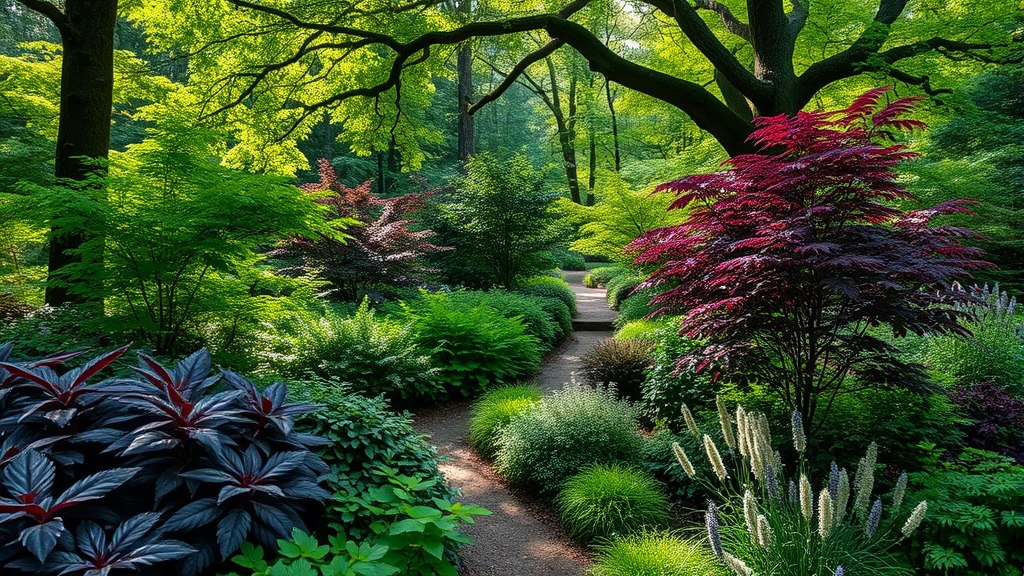
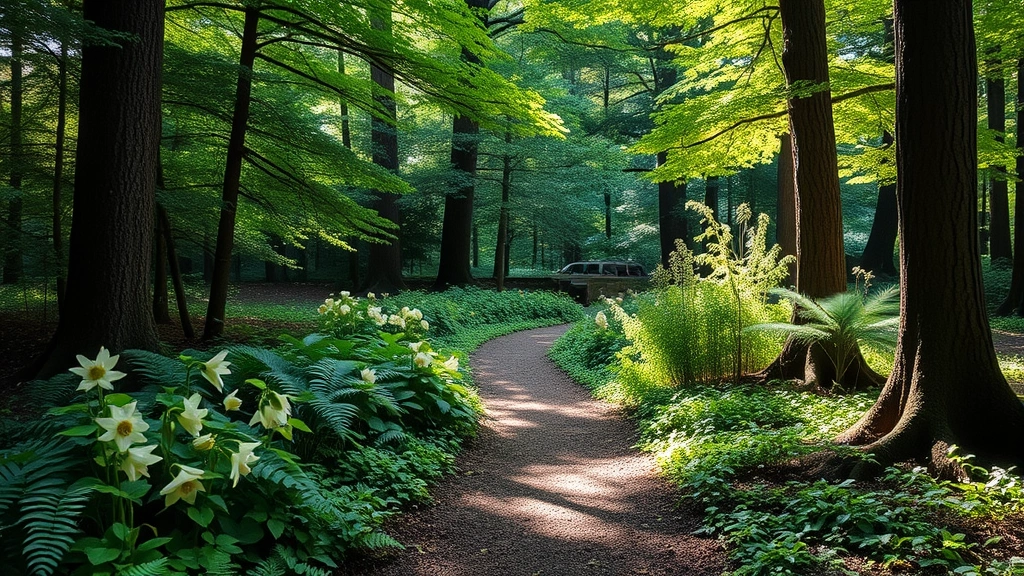
The Woodland Garden represents a major portion of the property and demonstrates how to create a diverse, multi-layered planting scheme in a shaded environment. Walking through towering trees, you’ll encounter shade-tolerant perennials, unusual ferns, Japanese forest grass, and woodland bulbs creating a naturalistic aesthetic that appears effortless but requires sophisticated plant knowledge. This area showcases how cottage garden principles can be adapted to shade conditions.
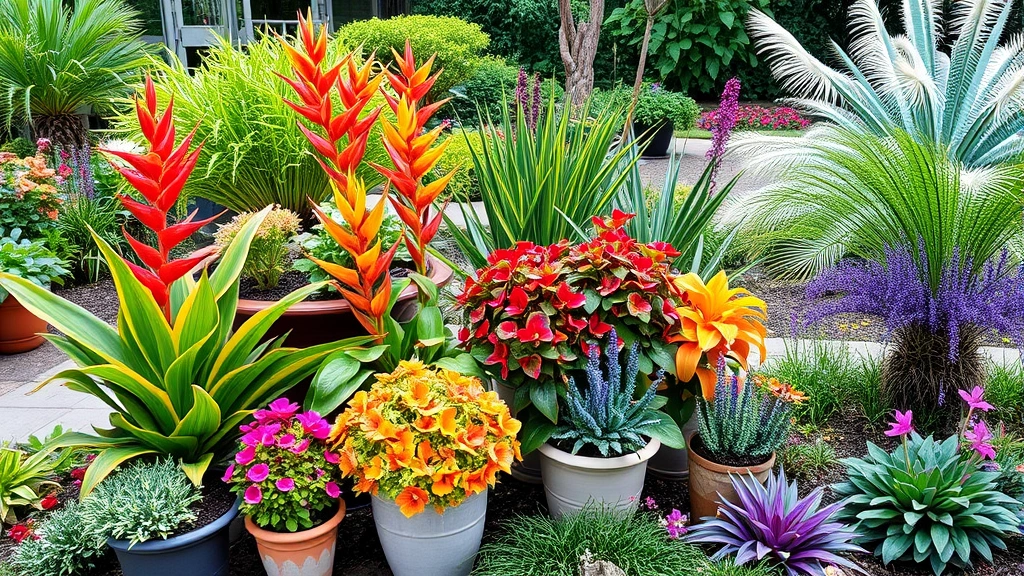
The Tropical and Tender Plant Collections demonstrate Tony Avent’s adventurous plant palette. Here you’ll find cannas, bananas, elephant ears, unusual Colocasia varieties, and tender perennials that push the boundaries of what gardeners typically attempt in North Carolina’s climate. These plants are often containerized or grown in protected microclimates, illustrating innovative growing techniques worth studying. The Shade House contains tender tropical specimens and rare plants requiring specific growing conditions, offering glimpses into specialized cultivation methods.
The Perennial Borders demonstrate sophisticated color combinations and seasonal progression. Unlike traditional perennial gardens that peak in early summer, Juniper Level’s borders maintain interest from spring through fall through careful plant selection and layering. You’ll see unusual perennial combinations that challenge conventional design wisdom while celebrating plant performance and garden dynamism.
The Conifer Collection features remarkable diversity in form, color, and texture. Dwarf conifers, unusual cultivars, and rare species create year-round architectural interest. This collection is particularly valuable for understanding how conifers function in landscape design and how their subtle color variations and form changes create visual impact without relying on traditional flowering plants.
Plant Highlights Throughout the Year
Understanding which plants steal the show during different seasons helps you plan visits strategically and anticipate what you’ll encounter. Early Spring features hellebores in remarkable color variations, emerging hostas with stunning foliage, early bulbs including unusual snowdrops and hellebores, and flowering shrubs including magnolias, forsythia, and flowering quince. The understory erupts with color as woodland perennials push through winter mulch.
Late Spring through Early Summer brings peak performance of Japanese maples, flowering dogwoods, and ornamental cherries. Peonies, baptisia, and early-blooming daylilies create color waves through the garden. Rhododendrons and azaleas reach their maximum glory, though the garden’s collection emphasizes less common varieties and unusual color forms beyond typical pink and purple selections.
Mid to Late Summer showcases tender perennials and tropical plants that thrive in heat and humidity. Unusual salvias, tropical begonias, cannas with remarkable foliage, and tender fuchsias demonstrate how expanding your plant palette beyond hardy perennials creates summer interest. Hydrangeas in numerous forms—panicle, oakleaf, and lacecap varieties—reach peak bloom. This is when you’ll see how container gardening techniques extend the growing season and allow tender plants to thrive.
Fall brings Japanese maple color changes, ornamental grass peak performance, and late-blooming perennials including asters, sedums, and unusual fall-blooming species. Native plants display autumn color, and the garden’s design emphasizes warm tones and textural interest as many plants transition to dormancy. This season showcases the garden’s sophisticated understanding of seasonal progression and continuous interest.
Winter features hellebores in full bloom, witch hazel fragrance, winter-flowering camellias, and evergreen structural plants. Deciduous tree bark becomes visible, revealing interesting textures and colors. The garden demonstrates how winter doesn’t mean garden dormancy—instead, it’s an opportunity to appreciate plant architecture, evergreen forms, and winter-blooming specimens that provide unexpected color.
Practical Tips for First-Time Visitors
Maximizing your Juniper Level experience requires practical preparation and strategic planning. Bring appropriate tools and supplies: A small notebook helps you record plant names and growing conditions for plants that inspire you. A camera or smartphone captures images for later reference when you’re planning your own garden. Binoculars help you read plant labels from a distance. Comfortable, closed-toe walking shoes with good traction handle variable terrain. Sunscreen, insect repellent, and a water bottle are essential, particularly during warm months.
The garden’s associated nursery, Plant Delights, located nearby, allows you to purchase specimens you’ve admired. Many plants displayed in the garden are available for purchase, though rare specimens may require special ordering. Having a list of plants that captured your interest helps you locate them at the nursery and take home inspiration directly.
Photography tips: The garden is remarkably photogenic, but the best light typically occurs during early morning or late afternoon. Avoid midday harsh shadows that obscure plant details. Macro lenses help capture interesting details of flowers, foliage, and plant combinations. Consider visiting multiple seasons to photograph the same areas with different seasonal palettes.
Pacing your visit: Juniper Level rewards slow exploration and repeated visits to different areas. Most visitors spend 2-4 hours on their first visit, but serious gardeners often return multiple times to study specific collections in depth. Don’t rush through the garden—instead, sit on benches, observe plant combinations, and allow the landscape to influence your thinking about your own garden design.
Engage with staff and volunteers: If docents or staff are present, ask questions about unusual plants and growing techniques. The people who maintain Juniper Level are passionate plant enthusiasts eager to share knowledge. Their insights about plant performance, propagation, and seasonal care are invaluable learning opportunities that enhance your visit significantly.
The garden’s philosophy emphasizes plant performance and experimentation over rigid design rules. Observe how unusual plants are combined, how tender specimens are protected, and how the garden achieves year-round interest through sophisticated plant selection. These principles are directly applicable to your own garden, regardless of your climate zone or growing conditions.
Bringing Garden Inspiration Home
Visiting Juniper Level inevitably inspires changes to your own garden. The key is translating what you’ve observed into practical applications appropriate for your specific growing conditions. Start by identifying plants that performed well in conditions similar to your own. If you have shade, focus on woodland plants you observed thriving under mature trees. If you have full sun, study the perennial borders and note which plants created the most impressive combinations.
Consider investing in quality garden infrastructure that supports the experimental approach Juniper Level demonstrates. Soaker hoses and irrigation systems allow you to maintain tender plants through dry periods. Good garden tools make cultivation and maintenance easier, allowing you to focus on plant selection rather than struggling with inadequate equipment.
Create a plant wish list organized by season and growing conditions. Refer to this list when shopping at nurseries, and resist the impulse to purchase plants on a whim. Instead, thoughtfully integrate new plants into your existing landscape, considering how they’ll perform in your specific microclimate and how they’ll combine with existing plantings. This intentional approach prevents the common gardening pitfall of accumulating plants without a coherent design.
Study how Juniper Level uses garden features like fountains and hardscaping to create focal points and structure. Architectural elements provide visual interest during seasons when plants aren’t in peak bloom, and they organize space effectively. Consider adding similar features to your garden to create visual anchors and define different garden areas.
Document your own garden’s seasonal progression by photographing the same areas throughout the year. This practice helps you identify gaps in seasonal interest and plan additions that create year-round appeal. Juniper Level’s success stems from sophisticated understanding of how plants perform across seasons—you can develop similar knowledge about your own garden through careful observation and documentation.
The most valuable lesson Juniper Level teaches is that gardening is an ongoing experiment. Not every plant succeeds in every location, and failure is part of the learning process. The garden’s diverse collections represent decades of experimentation, trial, and refinement. Approach your own garden with similar curiosity and willingness to try unusual plants, observe their performance, and adjust your approach accordingly.
FAQ
What is the best time of year to visit Juniper Level Botanic Garden?
Fall (September-November) and spring (April-May) offer ideal visiting conditions with moderate temperatures and peak plant performance. However, each season reveals different plant collections, so the best time depends on your specific interests. Summer showcases tropical plants, while winter displays evergreen structure and winter-blooming specimens.
Can I purchase plants at Juniper Level?
The associated Plant Delights nursery, located nearby, sells many specimens displayed in the garden. The garden itself may have limited plant sales during open days, but the nursery offers the most extensive selection of rare and unusual plants featured in the collection.
How long should I plan to spend at Juniper Level?
Most first-time visitors spend 2-4 hours exploring the gardens. Serious gardeners often spend an entire day or return multiple times to study specific collections in depth. The pace depends on your level of interest and how thoroughly you want to observe plant combinations and details.
Is Juniper Level accessible for visitors with mobility challenges?
The main display garden near the entrance features paved pathways and is generally accessible. However, much of the woodland garden involves natural trails and variable terrain. Contact the garden directly to discuss specific accessibility needs and available accommodations.
Can I bring my camera to photograph plants?
Yes, photography is permitted for personal use. However, commercial photography or large-scale media production may require special permission. Always be respectful of other visitors and avoid trampling plants while positioning yourself for photographs.
Are there guided tours available?
The garden occasionally offers special events and guided tours providing expert insights into plant collections and growing techniques. Check their website or contact them directly to learn about current tour offerings and educational programs.
What should I wear when visiting?
Wear comfortable walking shoes with good traction, as pathways vary from paved to natural woodland trails. Bring sunscreen, insect repellent, and a hat for sun protection. Dress in layers, as temperatures can vary significantly between shaded woodland areas and open garden spaces.


