Gardens have long held profound spiritual significance across cultures and religions. The garden serves as more than just a place of cultivation and growth—it represents a sanctuary for reflection, prayer, and communion with the divine. In Christian tradition, gardens occupy a central place in biblical narrative, from the Garden of Eden to the Garden of Gethsemane where Jesus experienced his most vulnerable and pivotal moments of prayer.
The image of Jesus praying in the garden resonates deeply with believers and gardeners alike. This sacred space where earth meets heaven offers timeless lessons about faith, surrender, and the transformative power of spending time in nature’s embrace. Whether you’re cultivating a physical garden or seeking spiritual renewal, understanding the biblical significance of gardens can enrich both your horticultural practice and your spiritual journey.
Gardens in Biblical Tradition
Throughout scripture, gardens represent divine creation, abundance, and intimate communion with God. The very first garden mentioned in the Bible—Eden—establishes the garden as humanity’s original home, a place of perfect harmony between creation and Creator. This archetypal garden serves as a template for understanding gardens as sacred spaces throughout biblical history.
Gardens appear repeatedly in scripture as places where significant spiritual encounters occur. They are settings for growth, both literal and metaphorical, where seeds of faith take root and flourish. The psalmist writes of being planted beside streams of water, producing fruit in season—a vivid horticultural metaphor for spiritual nourishment and growth. When designing your own garden space, consider how you might incorporate elements that encourage this same sense of sanctuary. A well-planned garden arbor can create intimate spaces for reflection, just as the groves and olive trees of ancient Jerusalem provided shelter for prayer.
The garden tradition in biblical times differed significantly from modern gardening practices. Ancient gardens were typically enclosed spaces, protected from the surrounding wilderness. This enclosure symbolized safety, order, and separation from chaos—qualities that made gardens ideal locations for spiritual practice. The boundaries created by garden gates served both practical and symbolic purposes, marking the threshold between the secular world and sacred space.
The Garden of Gethsemane
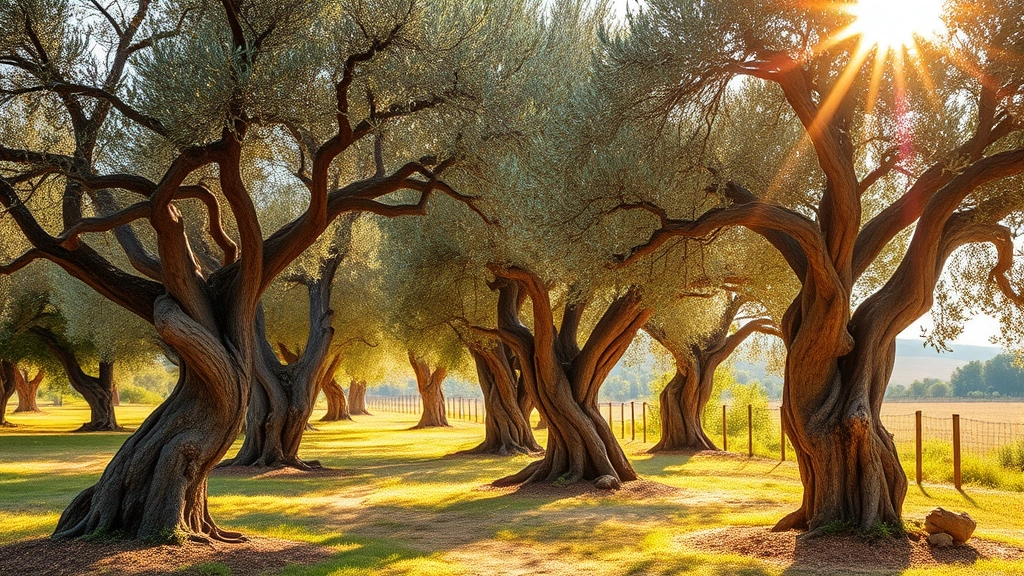
The Garden of Gethsemane stands as the most significant garden in Christian tradition after Eden. Located on the Mount of Olives in Jerusalem, this olive grove became the setting for Jesus’s most anguished prayers on the night before his crucifixion. The name Gethsemane derives from Aramaic, meaning “oil press,” referring to the ancient olive presses that operated in the garden. This detail carries profound meaning—just as olives are pressed to extract their precious oil, Jesus would be pressed through suffering to accomplish redemption.
In Matthew 26:36-46, Mark 14:32-42, and Luke 22:39-46, we find the account of Jesus’s prayer in the garden. He withdrew from his disciples to pray alone, moving deeper into the garden’s interior. This act of separation, of creating physical and spiritual distance, mirrors the human need for solitude in prayer. The garden provided the necessary environment for this intimate communion with God. If you’re designing a contemplative garden space, consider how you might create similar zones of increasing privacy. An arched structure like a garden arch trellis can define these transitional spaces, drawing visitors deeper into reflection.
Jesus’s distress in the garden is profound and honest. He prayed with such intensity that, according to Luke’s account, his sweat became like drops of blood. This raw emotional expression contradicts the popular notion that spiritual maturity means never struggling with fear or doubt. Instead, the garden becomes a space where authentic human emotion meets divine will. Jesus didn’t deny his anguish; he brought it fully into his prayer, ultimately surrendering to God’s purpose while remaining true to his own human experience.
Jesus’s Prayer: A Model for Modern Believers
The prayer Jesus offered in Gethsemane provides a template for honest, authentic spiritual practice. He began by expressing his desire: “If it is possible, let this cup pass from me.” Rather than suppressing his natural human reluctance to face suffering, he voiced it clearly. Then, in the crucial turning point, he added: “Yet not my will, but yours be done.” This progression from honest petition to willing surrender represents the heart of transformative prayer.
This model of prayer demonstrates several principles applicable to anyone seeking spiritual depth. First, it validates the importance of solitude. Jesus deliberately separated himself from the crowd and even from his closest disciples to pray. In our overstimulated modern world, creating quiet garden spaces becomes increasingly valuable. Whether you maintain a vegetable garden layout or an ornamental landscape, designating specific areas for quiet reflection honors this biblical precedent.
Second, Jesus’s prayer demonstrates the value of repetition and persistence. Matthew’s account notes that Jesus “went away a second time and prayed.” He didn’t resolve his struggle in a single prayer session but returned to prayer multiple times. This teaches that spiritual growth rarely follows a straight path. Like plants requiring repeated watering and tending, our spiritual lives need consistent, persistent attention.
Third, the garden setting itself carries significance. Jesus chose to pray in nature, surrounded by olive trees and earth. This wasn’t incidental to his prayer but integral to it. The natural world provided both comfort and a context for his communion with God. Contemporary research affirms what spiritual practitioners have long known: time in nature reduces stress, increases clarity, and opens us to deeper reflection. Your garden becomes not just a place to grow vegetables or ornamental plants, but a sanctuary for prayer and spiritual practice.
Creating Sacred Garden Spaces
If you’re inspired to create a garden space dedicated to prayer and reflection, several principles can guide your design. Begin by considering the fundamental purpose of your garden. Will it serve primarily as a space for contemplation, or will it blend spiritual practice with practical gardening? Both approaches have merit. A garden designed specifically for reflection might emphasize quiet corners, winding paths, and natural beauty. A productive garden can serve spiritual purposes while also providing food and flowers.
Location matters significantly. Choose a spot that feels naturally peaceful—perhaps a corner of your property screened from street noise, or a spot that receives gentle morning light. The direction Jesus walked into Gethsemane carried significance; he went deeper into the garden, moving away from external distractions. Similarly, position your sacred garden space where it draws you away from the bustle of daily life.
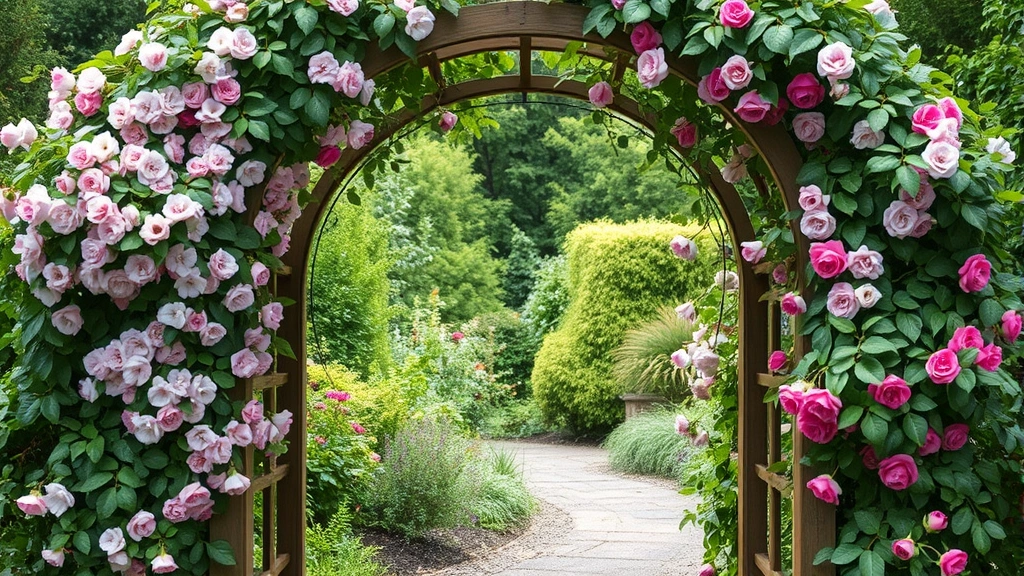
Consider incorporating vertical elements that create a sense of enclosure and transition. A thoughtfully designed garden arch trellis with climbing plants creates a threshold experience, marking the shift from ordinary space to sacred space. As you pass beneath such a structure, your mind naturally begins to quiet and prepare for reflection. The arching form also echoes the protective quality of trees, providing psychological shelter.
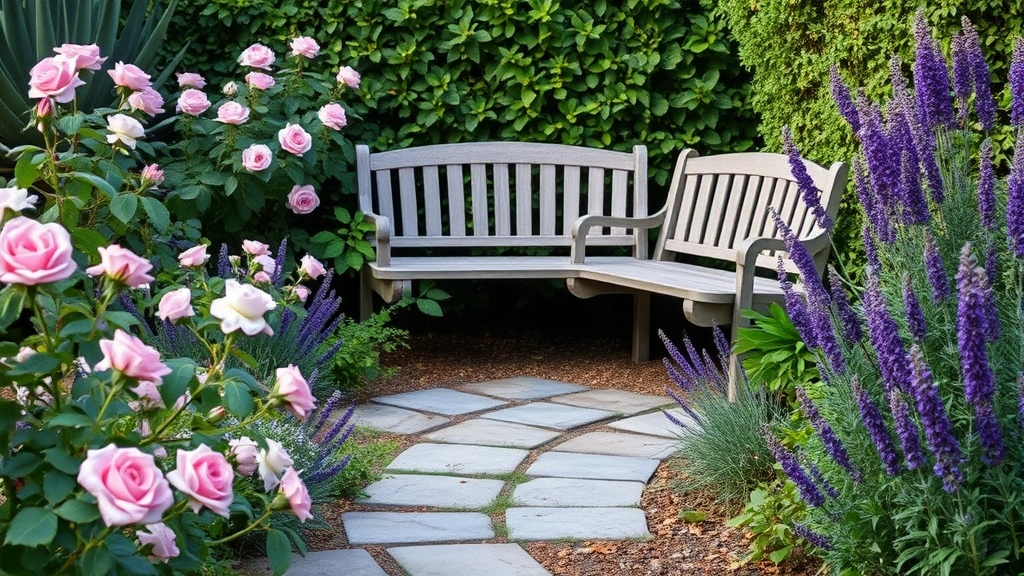
Seating areas should invite lingering and contemplation. A simple bench, stone seat, or cushioned area where you can sit comfortably encourages extended time in the garden. Include elements that engage the senses: fragrant plants like lavender and jasmine, the sound of flowing water if possible, textures of various foliage and bark to touch. These sensory elements anchor your attention in the present moment, a key aspect of meditative prayer.
If your space permits, create layers of privacy. An outer garden area might be more visible and accessible, while pathways lead toward more secluded inner sanctums. This progression mirrors Jesus’s movement deeper into Gethsemane and creates natural opportunities for increasing levels of withdrawal and focus. Ornamental plantings in outer areas can transition to simpler, more minimal design in inner spaces.
Seasonal Garden Reflections
Gardens naturally embody the cycles of death and resurrection that form the theological core of Christian faith. Spring’s emergence of new growth after winter’s dormancy offers vivid parallels to spiritual rebirth. As you prepare your garden beds each spring, you might reflect on themes of renewal and fresh starts. Planting seeds becomes a spiritual act—a commitment to future growth that requires faith, patience, and consistent care.
Summer’s abundance invites gratitude and generosity. Gardens at their peak productivity overflow with gifts. If you maintain a raised bed garden with vegetables and flowers, the summer harvest naturally leads to sharing with neighbors and community. This practice of abundance echoing Jesus’s multiplication of loaves and fishes creates spiritual practice through practical generosity.
Autumn brings themes of completion, gratitude, and letting go. The changing foliage reminds us that beauty often precedes release. As leaves fall and plants retreat, we’re invited to reflect on what we’re ready to release in our own lives. Preparing the garden for dormancy—clearing away dead material, amending soil—becomes a metaphor for inner clearing and preparation.
Winter’s apparent death holds the deepest spiritual lessons. Beneath the frozen ground, roots continue their work. Bulbs rest in darkness before their spring emergence. During winter’s quiet season, we’re invited to trust in unseen growth, to have faith that dormancy is not death but necessary rest. This season calls us to patient waiting, to prayer without visible results, to trust in divine timing.
The Spiritual Practice of Gardening
Gardening itself can become a contemplative practice when approached with intention. Rather than viewing gardening as merely productive work, consider it a form of active prayer. As you tend plants, pull weeds, water seedlings, and harvest produce, you engage in rhythmic, repetitive actions that quiet the mind and open the heart—much like the prayer beads and repeated prayers of contemplative traditions.
The lessons gardens teach are profound. Seeds must die to produce new growth—a principle mirrored in Jesus’s teaching that a grain of wheat must fall to the ground and die to produce many seeds. Weeds require persistent attention; spiritual growth similarly demands consistent practice and vigilance. Plants need the right balance of sun and shade, water and drought, nutrients and rest. Our spiritual lives require similar balance and care.
Consider maintaining a garden journal as part of your spiritual practice. Record what you plant, observe growth patterns, note seasonal changes, and reflect on spiritual insights that arise during your gardening work. This practice creates a dialogue between your hands-on work in the garden and your inner spiritual life. Over time, your journal becomes a record of both horticultural learning and spiritual development.
If you work with tools regularly, you might choose quality implements that feel good in your hand. Trustworthy garden shears become instruments of care, allowing you to prune and shape your garden with intention. The care you take in maintaining your tools mirrors the care you take in nurturing your spiritual practice.
Share your garden space with others when possible. Invite friends or family to sit with you, to help with planting or harvesting, to experience the peace that gardens offer. Jesus’s prayer in Gethsemane was ultimately interrupted by his disciples’ arrival, reminding us that solitude, while important, exists within the context of community. Gardens can serve both as personal sanctuaries and as spaces for shared spiritual experience.
FAQ
What is the spiritual significance of the Garden of Gethsemane?
The Garden of Gethsemane represents the place where Jesus prayed in his darkest hour, demonstrating that authentic spirituality includes honest struggle and emotional vulnerability. The garden’s olive trees symbolize pressed oil—the pressing of olives mirrors Jesus’s suffering that produces redemption. This garden teaches that sacred spaces can hold both anguish and grace, and that prayer in difficult circumstances is deeply valued in Christian tradition.
How can I create a prayer garden in my yard?
Begin by designating a quiet space away from household noise and foot traffic. Include a comfortable seating area, fragrant and visually beautiful plants, and consider architectural elements like arches or gates that mark the transition into your sacred space. Design pathways that encourage slow, mindful movement. Include natural elements that engage your senses—water features, textured plants, and flowers that bloom throughout seasons. Your prayer garden should feel like a threshold between ordinary life and contemplative space.
Is gardening itself a spiritual practice?
Yes, gardening can become a form of meditation and prayer when approached with intention. The repetitive, rhythmic nature of garden work quiets the mind and opens the heart. Gardening teaches spiritual lessons through direct experience: seeds dying to produce growth, persistent attention required for weeds, the necessity of seasons and rest. Many contemplative traditions recognize gardening as a valid spiritual practice.
What plants are associated with spiritual reflection?
Olive trees carry biblical significance, particularly referencing Gethsemane. Lavender and jasmine offer calming fragrances that support meditation. Roses have long symbolized the sacred heart in Christian tradition. Herbs like rosemary and sage have been used in spiritual practices across cultures. Evergreens symbolize eternal life and continuity. Choose plants that grow well in your climate and that personally resonate with your spiritual practice.
How does Jesus’s prayer in the garden apply to modern life?
Jesus’s Gethsemane prayer models several practices valuable today: seeking solitude for authentic prayer, honestly expressing fears and concerns, persisting in prayer even when struggling, and ultimately surrendering personal will to divine purpose. In our overstimulated culture, creating garden spaces for quiet prayer addresses a genuine spiritual hunger. The garden becomes a place to practice the presence of God and to align our will with divine intention.
Can a productive vegetable garden also be a spiritual space?
Absolutely. A vegetable garden where you grow food can simultaneously serve as a space for spiritual practice. As you tend plants, you engage in meditative action. The cycles of growth and harvest teach spiritual lessons. The generosity of sharing produce creates opportunities for spiritual expression through service. Working with soil, nurturing growth, and harvesting abundance all carry spiritual significance within a productive garden context.


