Growing Jasmine at Home? Expert Tips Inside
Jasmine flowers are among the most enchanting additions to any home garden, offering delicate blooms and intoxicating fragrance that can transform outdoor spaces into aromatic sanctuaries. Whether you’re a seasoned gardener or just starting your green journey, growing jasmine at home is entirely achievable with the right knowledge and care techniques. These versatile climbing plants thrive in various conditions and reward gardeners with stunning white, pink, or yellow flowers throughout their blooming seasons.
The beauty of cultivating a jasmine garden lies not only in the visual appeal but also in the therapeutic benefits of tending to these aromatic plants. Jasmine varieties range from hardy outdoor specimens to tender houseplants, making them suitable for nearly every climate and gardening situation. This comprehensive guide will walk you through everything you need to know about successfully growing and maintaining jasmine plants in your home environment.
Understanding Jasmine Varieties
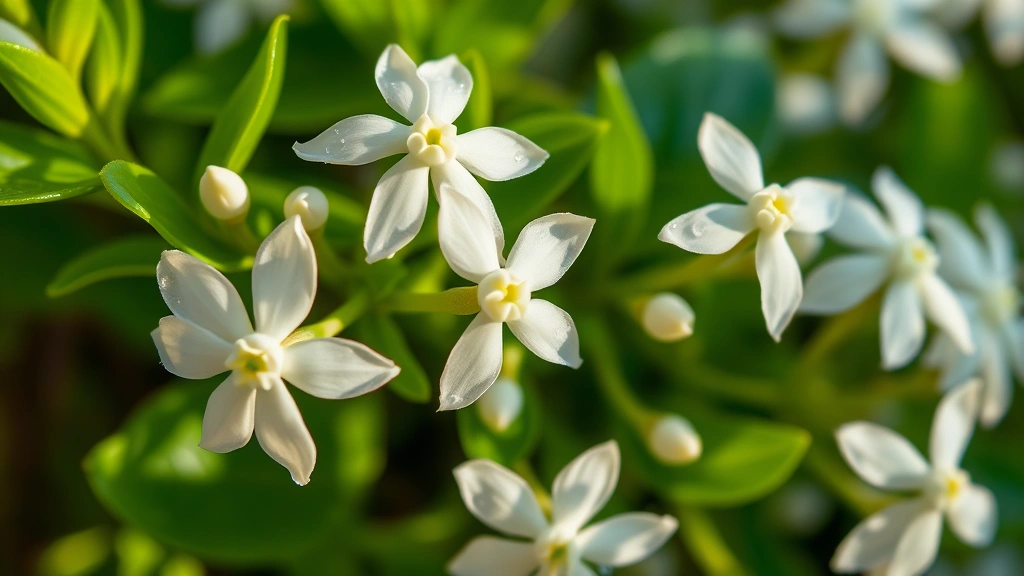
Before embarking on your jasmine gardening adventure, it’s essential to understand the different types available and their specific characteristics. The most popular varieties include True Jasmine (Jasminum officinale), which produces white star-shaped flowers with an intoxicating evening fragrance, and Carolina Jasmine (Gelsemium sempervirens), a vigorous climber with bright yellow trumpet flowers. Spanish Jasmine (Jasminum grandiflorum) offers larger, more fragrant white flowers and thrives in warmer climates, while Arabian Jasmine (Jasminum sambac) is a tender variety best grown indoors or in tropical regions.
Each variety has distinct growing requirements, hardiness zones, and flowering periods. True Jasmine is hardy in USDA zones 6-10 and produces flowers from late spring through early autumn, while Carolina Jasmine thrives in zones 7-11 with blooms appearing in late winter to early spring. Understanding your local climate and selecting appropriate varieties ensures better success rates and more abundant flowering. Some gardeners prefer growing multiple varieties to enjoy extended blooming seasons and diverse flower colors throughout the year.
Selecting the Perfect Location
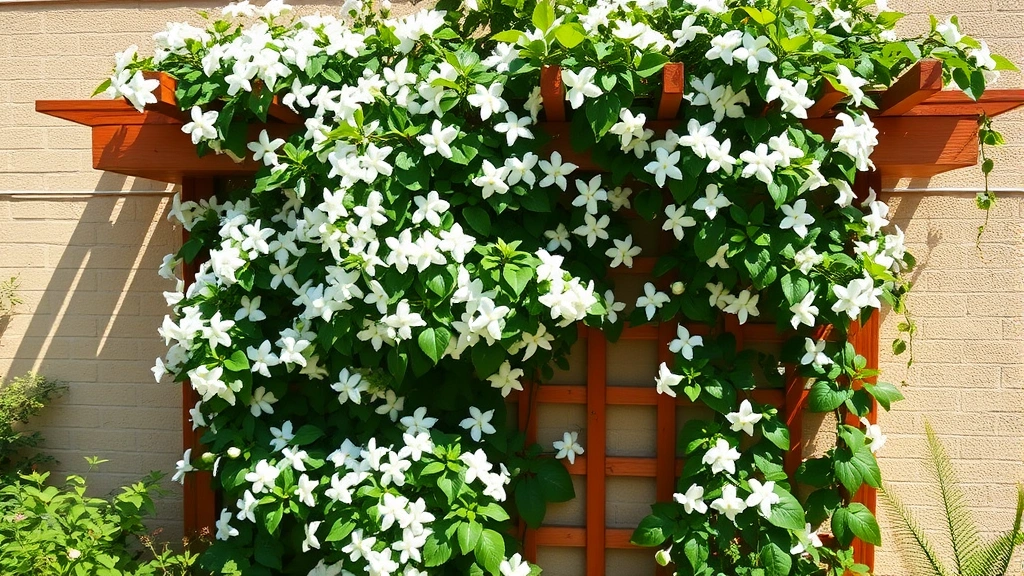
Jasmine plants are sun-worshippers that perform best in locations receiving at least 6-8 hours of direct sunlight daily. South-facing walls, pergolas, and trellises provide ideal positions where plants can bask in warmth while climbing naturally. While most varieties prefer full sun, some tender varieties like Arabian Jasmine can tolerate partial shade, though flowering may be reduced. The location you choose significantly impacts bloom production, fragrance intensity, and overall plant vigor.
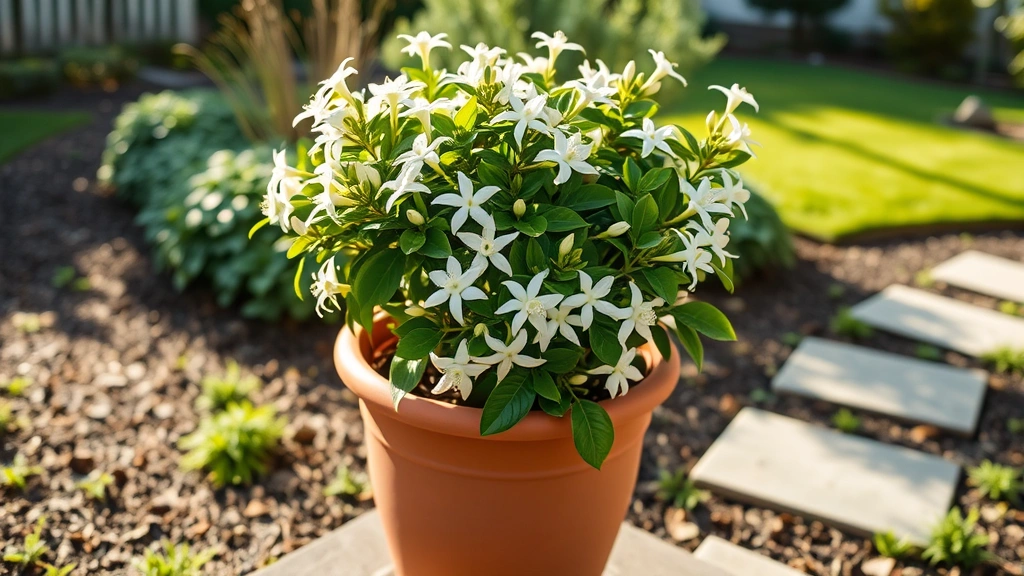
When selecting a spot, consider wind exposure, as excessive winds can damage delicate flowers and stress climbing vines. Protected locations against walls or fences work wonderfully, providing structural support for climbing varieties. If you’re growing jasmine in garden pots and hanging baskets, position containers where they receive maximum sunlight and can be easily moved if severe weather approaches. Proximity to windows or outdoor seating areas allows you to enjoy the evening fragrance that makes jasmine particularly special during warm evenings.
Consider the long-term growth pattern of your chosen variety. Vigorous climbers like Carolina Jasmine need sturdy support structures and adequate space to sprawl, while more compact varieties work well in smaller gardens. Avoid planting near underground utilities or where aggressive growth might damage structures. The ideal location balances sunlight exposure, structural support, and accessibility for maintenance tasks.
Soil Preparation and Planting
Successful jasmine cultivation begins with proper soil preparation. These plants prefer well-draining soil with a slightly acidic to neutral pH between 6.0 and 7.0. Before planting, amend heavy clay soils with organic matter such as compost, aged manure, or peat moss to improve drainage and nutrient content. Poor drainage is the primary cause of root rot in jasmine plants, making soil preparation absolutely critical for long-term success.
When planting, dig a hole slightly larger than the root ball and position the plant at the same depth it was growing in its nursery container. Backfill with amended soil, gently firming around the base to eliminate air pockets. Water thoroughly after planting to settle soil and establish good root-to-soil contact. If you’re using raised garden beds for container growing, ensure adequate drainage holes and use high-quality potting mix rather than garden soil.
Spring is the ideal planting time in most regions, allowing plants to establish strong root systems before summer heat arrives. In warmer climates, fall planting works equally well. Space plants appropriately based on their mature size—vigorous varieties need 6-10 feet between plants, while compact types may only need 3-4 feet. Mulch around the base with 2-3 inches of organic material, keeping it away from the stem to prevent rot and retain soil moisture.
Watering and Humidity Requirements
Proper watering is crucial for establishing healthy jasmine plants and promoting consistent flowering. Young plants need regular watering during their first growing season, with soil kept consistently moist but never waterlogged. Once established, most outdoor jasmine varieties are relatively drought-tolerant, though they perform better with regular watering during dry periods. The frequency depends on your climate, soil type, and whether plants are in ground or containers.
Container-grown jasmine requires more frequent watering since pots dry out faster than garden beds. Check soil moisture regularly by inserting your finger 1-2 inches deep—water when it feels dry at this depth. During hot summers, daily watering may be necessary for potted plants. Reduce watering in winter when growth slows, but don’t allow soil to dry completely, as this stresses plants and reduces spring flowering.
Humidity is particularly important for tender varieties like Arabian Jasmine. These plants appreciate misting during dry periods, especially when grown indoors. Morning misting helps prevent fungal issues while providing moisture that these tropical plants crave. In very dry climates, grouping pots together creates a more humid microclimate that benefits jasmine foliage and flowers. Adequate humidity also reduces spider mite problems, a common pest issue in arid environments.
Fertilizing Your Jasmine Plants
Regular fertilizing supports vigorous growth and abundant flowering in jasmine plants. During the growing season (spring through summer), apply a balanced, slow-release fertilizer monthly or use diluted liquid fertilizer every two weeks. Look for formulations with slightly higher phosphorus content, which encourages blooming rather than excessive foliage growth. Organic options like fish emulsion or seaweed extract work beautifully for jasmine and improve soil biology over time.
Avoid over-fertilizing, which promotes excessive leafy growth at the expense of flowers. If your jasmine produces abundant foliage but few blooms, reduce nitrogen levels and increase phosphorus applications. In autumn, shift to a lower-nitrogen formula to encourage flowering rather than tender new growth that frost might damage. Container plants need more frequent feeding since nutrients leach from pots with regular watering.
Micronutrient deficiencies occasionally affect jasmine, particularly in alkaline soils where iron becomes unavailable. Yellowing leaves with green veins indicate iron deficiency—apply chelated iron or acidify soil with sulfur to improve availability. Magnesium deficiency causes similar symptoms but affects older leaves first. A balanced approach to fertilizing that includes occasional micronutrient applications ensures vibrant foliage and prolific flowering.
Pruning and Training Techniques
Strategic pruning keeps jasmine plants healthy, promotes flowering, and maintains desired shapes. Prune in early spring before new growth begins, removing dead wood, crossing branches, and any frost-damaged stems. Thin out crowded growth to improve air circulation, which reduces disease pressure and encourages better flowering. For climbing varieties, prune side shoots back to 2-3 buds from the main stem to encourage branching and denser coverage of your support structure.
Training young jasmine plants establishes their growth pattern and structure. As plants develop, gently tie stems to trellises or supports using soft ties that won’t girdle growth. Regular training prevents tangled growth and makes maintenance easier. Some gardeners prefer training jasmine as espaliers against walls, creating formal patterns that showcase the elegant foliage and flowers. This approach works particularly well in smaller gardens where space is limited.
Rejuvenation pruning revitalizes overgrown or neglected plants. Cut back severely in early spring, removing up to one-third of old wood, and the plant will respond with vigorous new growth. Be patient—it may take a full season for flowering to resume after heavy pruning. Annual light pruning prevents the need for drastic rejuvenation and maintains plants in peak condition. Similar to caring for bonsai trees, regular pruning requires patience and understanding of plant growth patterns.
Pest and Disease Management
While jasmine plants are generally hardy and pest-resistant, several issues can arise under certain conditions. Spider mites are the most common pest, particularly in hot, dry environments. These tiny arachnids cause fine webbing on foliage and yellowing leaves. Increase humidity through regular misting and spray affected plants with neem oil or insecticidal soap every 7-10 days until resolved. Scale insects and mealybugs occasionally infest jasmine, appearing as small bumps or cotton-like clusters on stems and leaves.
Fungal diseases like powdery mildew can affect jasmine foliage, especially in humid conditions with poor air circulation. Prune to improve airflow, avoid overhead watering, and apply fungicidal sprays if problems persist. Root rot occurs in waterlogged conditions and is difficult to treat—prevention through proper drainage and careful watering is essential. If root rot develops, repot the plant in fresh, well-draining soil and reduce watering frequency.
Whiteflies occasionally appear on jasmine, particularly on indoor plants. Yellow sticky traps help monitor populations, and horticultural oils effectively control infestations. Regular inspection of plants catches problems early when they’re easier to manage. Maintaining healthy plants through proper cultural practices—adequate light, appropriate watering, and good air circulation—provides the best pest and disease prevention strategy.
Seasonal Care Calendar
Spring (March-May): This is prime planting season for jasmine. Prune winter-damaged growth and cut back previous season’s stems to encourage branching. Begin regular fertilizing as new growth appears. Install support structures for young climbing plants. Monitor for emerging pests and diseases as temperatures warm.
Summer (June-August): Maintain consistent watering as plants actively grow and flower. Apply monthly fertilizer or use diluted weekly applications. Deadhead spent flowers to encourage continuous blooming. Provide afternoon shade in extremely hot climates if foliage shows stress. Enjoy evening fragrance from blooming plants.
Fall (September-November): Gradually reduce watering and fertilizing as growth slows. Switch to low-nitrogen fertilizer formulations to harden off growth before winter. Collect seeds from spent flowers if desired for propagation. Prepare plants for dormancy by avoiding major pruning that stimulates tender new growth vulnerable to frost.
Winter (December-February): In cold climates, provide frost protection for tender varieties using frost cloth or by moving containers indoors. Reduce watering significantly as plants enter dormancy. Prune in late winter before spring growth begins. Check for pest infestations, particularly spider mites on indoor plants under artificial lighting. Plan next season’s planting and evaluate current plant performance.
FAQ
How long does it take for jasmine to flower?
Established jasmine plants typically flower within their designated season once mature. Young plants may take 1-2 years to produce significant blooms as they establish root systems and vegetative growth. Providing optimal growing conditions—adequate sunlight, proper fertilizing, and appropriate pruning—encourages faster flowering in young plants.
Can jasmine grow indoors?
Yes, tender varieties like Arabian Jasmine thrive as houseplants with bright indirect light and consistent care. Place plants near south-facing windows where they receive maximum available light. Maintain humidity by misting regularly and ensure good air circulation with occasional fans. Reduce watering in winter when growth naturally slows indoors.
Why isn’t my jasmine flowering?
Insufficient light is the most common reason for poor flowering. Jasmine needs at least 6-8 hours of direct sunlight daily. Over-fertilizing with nitrogen-heavy formulas promotes foliage at the expense of flowers. Lack of winter dormancy in warm climates sometimes prevents flowering—some varieties need cool periods to set flower buds. Prune appropriately to encourage flowering rather than excessive vegetative growth.
How do I propagate jasmine?
Jasmine propagates easily from semi-hardwood cuttings taken in summer. Select 4-6 inch stems with 2-3 leaf nodes, remove lower leaves, and insert in moist potting mix. Cover with plastic to maintain humidity and place in bright indirect light. Roots typically develop within 4-6 weeks. Once rooted, gradually acclimate to normal conditions and pot up individually.
Is jasmine invasive?
Some jasmine varieties, particularly Carolina Jasmine, can become aggressive in warm climates and may spread beyond intended areas. Regular pruning and training prevent overgrowth. In containers or with proper management, even vigorous varieties remain controlled. Check local invasiveness lists before planting to ensure you’re not introducing problematic species to your region.
What’s the best time to plant jasmine?
Spring is ideal for planting in most climates, allowing establishment before summer heat. Fall planting works well in warmer regions. Avoid planting in winter in cold climates where frost stress weakens young plants. Container-grown plants can be planted year-round if protected from extreme temperatures during establishment.


