
Japanese Garden in Chicago? Local Expert Insights
Creating an authentic Japanese garden in Chicago presents a unique challenge that blends horticultural expertise with design philosophy. The Windy City’s continental climate, characterized by cold winters and humid summers, differs significantly from the temperate zones where traditional Japanese gardens thrive. Yet local gardeners and landscape designers have successfully adapted these principles to create stunning Japanese-inspired spaces throughout the Chicago area. This guide draws from expert insights to help you understand what’s possible when establishing a Japanese garden in this Midwestern metropolis.
Japanese gardens represent more than aesthetic arrangements of plants and stones—they embody centuries of philosophical tradition emphasizing harmony, balance, and the relationship between humans and nature. In Chicago, where space is often limited and weather extremes are common, adapting these principles requires thoughtful plant selection, strategic design choices, and commitment to ongoing maintenance. Whether you’re working with a small urban balcony or a suburban backyard, understanding how local experts approach Japanese garden creation will help you achieve an authentic yet climate-appropriate design.
Understanding Japanese Garden Philosophy in Chicago’s Climate
The foundation of any successful Japanese garden lies in understanding its core principles: asymmetry, simplicity, and naturalism. Chicago landscape architects specializing in Japanese design consistently emphasize that these philosophical underpinnings matter more than strict adherence to plant species originating in Japan. The goal is capturing the essence of Japanese aesthetics while respecting Chicago’s USDA hardiness zones 5b-6a.
Local experts from the Chicago Botanic Garden and independent landscape designers note that Japanese gardens traditionally emphasize borrowed scenery—integrating surrounding views into the garden composition. In Chicago, this might mean positioning your garden to frame views of Lake Michigan, neighboring trees, or architectural features. The principle of ma, or meaningful empty space, becomes particularly important in urban Chicago settings where square footage is precious.
Temperature fluctuations present the primary climate challenge. Chicago experiences winter lows reaching -20°F, while Japanese gardens traditionally developed in regions rarely dropping below 0°F. This necessitates careful plant selection and sometimes protective measures. However, Chicago’s continental climate also offers advantages: the distinct four-season cycle creates dramatic visual interest, and the dry winters reduce fungal disease pressure common in humid Japanese regions.
Expert designers recommend starting with a clear vision of your garden’s purpose. Will it serve as a meditation space, a visual focal point, or a functional outdoor room? This determination influences everything from pathway design to plant density. Many Chicago gardeners find that smaller, intimate Japanese gardens prove more successful than attempting large-scale replicas of famous Japanese prototypes.
Essential Plants for Chicago Japanese Gardens
Selecting appropriate plants represents the most critical decision in establishing a Chicago Japanese garden. Cold-hardy alternatives to traditional Japanese species form the backbone of successful local designs. The Chicago Horticultural Society recommends focusing on plants that provide year-round structure and seasonal interest while tolerating temperature extremes.
Woody plants provide essential framework. Japanese maples, particularly cultivars like ‘Bloodgood’ and ‘Dissectum’, thrive in Chicago when given afternoon shade and consistent moisture. However, local experts emphasize selecting grafted specimens from reputable nurseries, as seed-grown trees may lack winter hardiness. Dwarf conifers offer evergreen structure; Hinoki false cypress varieties, dwarf Alberta spruce, and Japanese black pine (when protected) create the layered canopy effect characteristic of Japanese gardens.
Deciduous understory plants bridge seasons beautifully. Serviceberry, redbud, and crabapple provide spring blooms and fall color. Fragrant sumac and chokeberry offer architectural interest and wildlife value. For small evergreen garden plants, consider boxwood, yew, and Japanese holly—all proven performers in Chicago conditions.
Herbaceous perennials require careful selection. Hosta varieties excel in shaded Japanese gardens, with their architectural foliage providing textural contrast. Astilbe, bleeding heart, and Japanese anemone offer shade-loving alternatives to sun-dependent perennials. Ornamental grasses like feather reed grass and Japanese forest grass create movement and seasonal variation, though they require careful editing to maintain the refined aesthetic Japanese gardens demand.
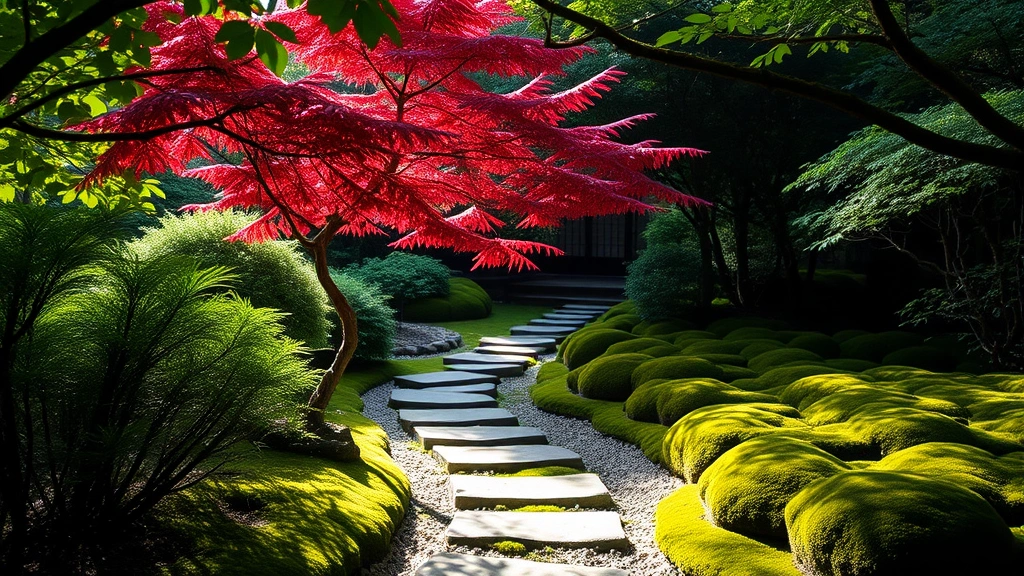
Ground covers deserve special attention. Moss pathways represent the Japanese garden ideal, but Chicago’s climate challenges moss establishment. Instead, local designers recommend shade-tolerant alternatives: creeping thyme, ajuga, and sedges create similar effects while thriving in Midwestern conditions. Some Chicago gardens successfully cultivate moss in protected microclimates with consistent moisture and shade.
Native alternatives shouldn’t be overlooked. Black-eyed Susan, purple coneflower, and native ferns can integrate seamlessly into Japanese-inspired designs while supporting local ecosystems. This approach, sometimes called “ecological Japanese gardening,” resonates with many Chicago gardeners seeking sustainable practices.
Structural Elements and Design Principles
The hardscape components of Japanese gardens—pathways, bridges, lanterns, and water features—define the garden’s character as much as plants do. Chicago experts stress that these elements must be proportioned appropriately for residential spaces, avoiding the grandiose scale of public Japanese gardens.
Pathways guide visitors through the garden while establishing rhythm and flow. Garden stepping stones arranged in patterns create visual interest while protecting plantings from foot traffic. Traditional Japanese stepping stone patterns—staggered or in pairs—work beautifully in Chicago gardens. Local stone suppliers often stock slate, limestone, and granite suitable for creating authentic-looking pathways that withstand freeze-thaw cycles better than softer stone materials.
Raised bed construction aligns naturally with Japanese garden aesthetics. Elevated garden beds provide excellent drainage for plants sensitive to Chicago’s spring flooding and winter moisture. The advantages of raised bed gardening include improved soil control, easier maintenance, and better visual definition of garden spaces. Japanese gardens traditionally use subtle elevation changes to create visual drama—raised beds facilitate this effect.
Garden border edging defines spaces and prevents grass encroachment. Black metal edging, bamboo fencing, or subtle stone borders maintain clean lines characteristic of Japanese design. Many Chicago gardeners prefer simple metal or composite edging that weathers gracefully and doesn’t compete visually with plantings.
Stone placement follows specific principles in Japanese gardens. Large rocks represent mountains or islands, arranged in groups of three (representing earth, heaven, and humanity) or five. Chicago landscape designer interviews reveal that sourcing appropriately sized stone—often 2-4 feet across—proves challenging in urban areas. Local stone yards increasingly stock interesting specimens, though prices reflect the specialty market.
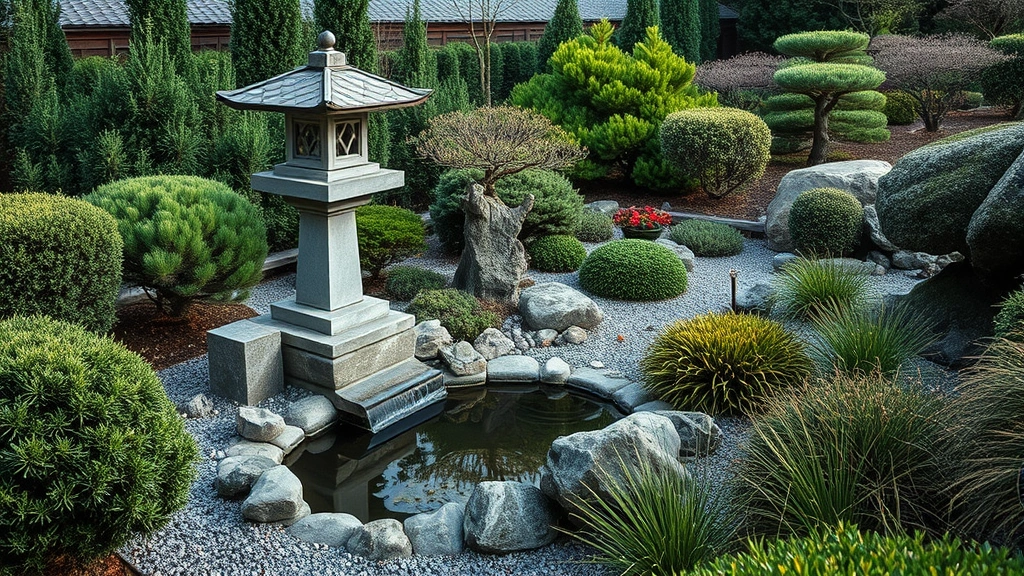
Lanterns serve both functional and symbolic purposes. Traditional stone lanterns, particularly yukimi-gata (snow-viewing) lanterns, work beautifully in Chicago gardens, though they require protection from salt spray if positioned near roads. Modern alternatives, including low-voltage LED fixtures mimicking lantern styles, provide practical lighting while maintaining aesthetic integrity.
Garden decor elements should be restrained. Rather than accumulating numerous ornaments, Japanese design philosophy favors carefully selected pieces that contribute meaningfully to the garden’s narrative. A single well-placed lantern or subtle water feature creates more impact than multiple decorative elements.
Water Features and Stone Placement
Water represents a fundamental element in Japanese gardens, symbolizing life and movement. Chicago’s access to Lake Michigan and abundant groundwater makes water feature integration feasible, though design must account for harsh winters.
Ponds and basins create focal points while providing visual reflection. Small recirculating water features work better than large ponds in residential Chicago gardens. Experts recommend installing basins with depths of 24-36 inches to prevent complete freezing while maintaining aesthetic appeal. In extremely cold periods, floating pond de-icers prevent ice buildup while maintaining water circulation.
Streams and rills—narrow water channels—guide visitors through gardens while creating soothing sound. These features require careful grading and often necessitate professional installation to ensure proper drainage and prevent flooding. Chicago’s clay soils may require pond liners or stream beds constructed with concrete or rubber membranes.
Tsukubai (water basins) provide intimate water features requiring minimal space. These hand-washing basins, traditionally filled by bamboo spouts, work beautifully in Chicago gardens despite the freezing season. Many local gardeners drain basins before winter, storing them indoors to prevent freeze damage. Others position them where winter dormancy seems appropriate to the overall garden aesthetic.
Stone placement around water features follows established principles. Rocks should appear naturally positioned, as if placed by water erosion over centuries. This requires restraint—too many stones create visual clutter. Local experts recommend viewing Japanese garden photographs and visiting the Japanese gardens at the Chicago Botanic Garden to understand appropriate stone composition.
Bridges, whether arched or flat, serve both practical and symbolic functions. In Chicago residential gardens, simple flat bridges or stepping stone arrangements often substitute for traditional arched structures. These elements should appear functional while contributing to the garden’s meditative quality.
Seasonal Considerations for Midwest Gardeners
Chicago’s dramatic seasons require Japanese garden designs that maintain visual interest throughout the year. This differs significantly from Japanese regions where evergreen plants maintain garden structure during winter months.
Spring arrives late in Chicago, typically mid-April through May. Japanese maples and flowering cherries provide early seasonal interest, though gardeners must protect emerging foliage from late frosts. Underplanting with shade-tolerant perennials ensures continuous blooms as trees leaf out. Many Chicago experts recommend consulting Chicago Botanic Garden seasonal guides for specific timing.
Summer presents challenges and opportunities. High humidity and occasional drought require strategic plant placement and consistent watering. Shade-loving plants prevent sun scorch, while afternoon shade protects Japanese maples from heat stress. Summer maintenance—pruning, weeding, and moss management—demands regular attention. The extended daylight allows evening garden enjoyment, making summer an ideal season for entertaining in Japanese garden spaces.
Fall transforms Chicago gardens spectacularly. Japanese maple foliage ranges from gold to crimson, while native plants display their autumn colors. This season rewards careful plant selection; gardens designed with fall interest in mind create dramatic visual impact. Local experts suggest incorporating plants like serviceberry, chokeberry, and ornamental grasses that shine during autumn months.
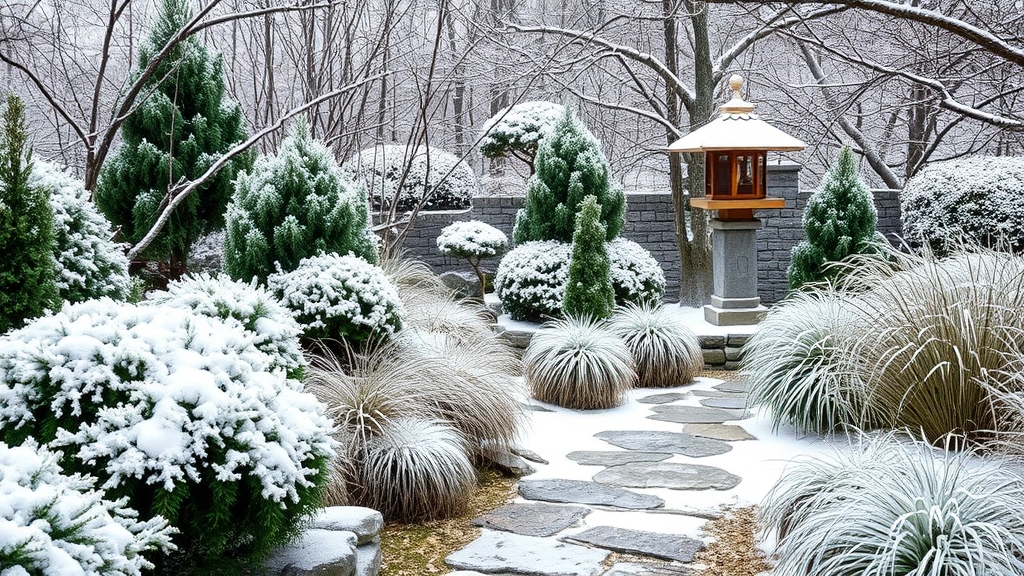
Winter tests Japanese garden design philosophy. Evergreen plants provide essential structure when deciduous plants go dormant. Hardscape elements—stone lanterns, pathways, and water features—become primary visual focus. Snow-covered plants create transient beauty, though heavy snow may damage delicate specimens. Many Chicago gardeners find winter their favorite season, appreciating the garden’s skeleton and the play of light on snow and stone.
Common Mistakes to Avoid
Chicago landscape professionals identify recurring errors that compromise Japanese garden success. Understanding these pitfalls helps new gardeners avoid costly mistakes.
Overcrowding represents the most common error. Gardeners eager to create lush spaces plant too densely, violating the principle of ma (empty space). Japanese gardens require restraint; maturity often means removing plants rather than adding them. Begin with fewer plants than seems appropriate, adding specimens only after observing how initial plantings mature.
Inappropriate plant selection undermines authenticity and increases maintenance. Choosing plants solely because they’re available rather than evaluating their suitability for Chicago’s climate leads to declining specimens and frustrated gardeners. Consult local extension services and visit established Chicago Japanese gardens before purchasing plants.
Neglecting drainage creates persistent problems. Chicago’s clay soils retain moisture, causing root rot in plants requiring good drainage. Building raised beds, amending soil with compost and sand, and installing subsurface drainage systems prevents these issues. Don’t assume that planting in existing soil will succeed without modification.
Ignoring winter protection damages tender specimens. Plants like Japanese maples, dwarf conifers, and semi-hardy perennials benefit from burlap wrapping or protective structures during harsh winters. Some gardeners use temporary structures to shield plants from desiccating winter winds and salt spray.
Inconsistent watering stresses plants during establishment. Japanese gardens require consistent moisture, particularly during the first growing season. Installing soaker hoses or drip irrigation systems ensures reliable watering, preventing the stress that makes plants vulnerable to pests and diseases.
Over-decorating clutters spaces and compromises the refined aesthetic Japanese gardens demand. Resist the temptation to fill gardens with ornaments, statuary, and decorative elements. Each addition should serve a clear purpose and contribute meaningfully to the overall composition.
Failing to consider maintenance leads to garden decline. Japanese gardens require regular pruning, weeding, and seasonal care. Before installing complex features like water gardens or moss pathways, honestly assess your willingness to provide necessary maintenance.
FAQ
Can I create an authentic Japanese garden in Chicago?
Yes, though “authentic” requires reinterpretation for Chicago’s climate. Focus on capturing Japanese design philosophy—asymmetry, simplicity, balance—rather than replicating Japanese plant palettes. Many successful Chicago Japanese gardens blend traditional design principles with cold-hardy plants adapted to Midwestern conditions.
What’s the best time to start a Japanese garden in Chicago?
Spring (April-May) and fall (September-October) offer ideal planting conditions. Spring allows plants to establish roots before summer stress, while fall planting provides established root systems before spring growth. Avoid planting in summer heat or winter cold when plants struggle to establish.
How much space do I need for a Japanese garden?
Japanese gardens function beautifully in small spaces. Even balcony gardens (100-200 square feet) can incorporate Japanese design principles through container plantings and careful spatial arrangement. Larger properties allow more elaborate designs, but intimacy and refinement matter more than scale.
What are the most cold-hardy Japanese plants for Chicago?
Japanese maples (certain cultivars), dwarf conifers, serviceberry, redbud, Japanese holly, boxwood, hosta, astilbe, and ornamental grasses all thrive in Chicago. Consult local nurseries and extension services for specific cultivar recommendations suited to your microclimate.
How do I prevent moss from freezing and thawing damage?
Moss struggles in Chicago’s freeze-thaw cycles. Consider moss alternatives like shade-tolerant groundcovers, or establish moss in protected microclimates with consistent shade and moisture. Some gardeners successfully maintain moss by applying protective mulch in winter or choosing moss species with greater cold tolerance.
Should I hire a professional designer for my Japanese garden?
For complex designs involving water features, extensive stonework, or large properties, professional guidance provides valuable expertise. However, many Chicago gardeners successfully create Japanese gardens through careful study, site visits to established gardens, and consultation with local extension services and horticultural societies.
What’s the best way to learn more about Japanese garden design?
Visit Chicago Botanic Garden, which features Japanese gardens and hosts workshops. Consult the Oregon State University Extension Service for plant recommendations, and explore resources from the American Horticultural Society. The University of Illinois Chicago extension program offers local expertise, and the Chicago Master Gardener program provides community-based horticultural guidance.