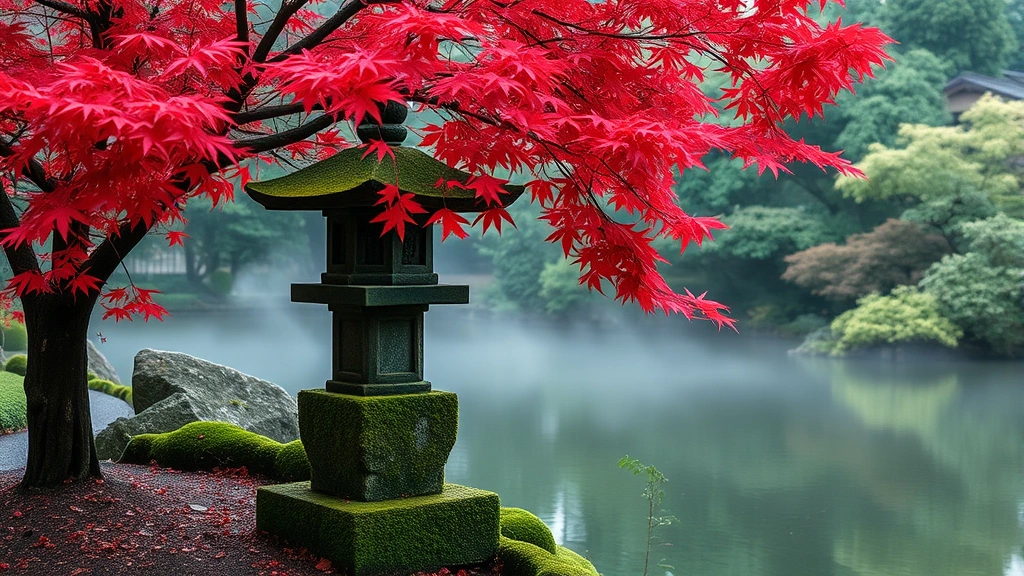
Explore Japanese Gardens? Visitor Insights and Design Inspiration
Japanese gardens represent one of the most refined and contemplative garden design philosophies in the world. These meticulously crafted landscapes blend horticultural artistry with philosophical principles, creating spaces that invite visitors to pause, reflect, and reconnect with nature. Whether you’re planning a visit to a Japanese friendship garden and museum or dreaming of incorporating Japanese design elements into your own outdoor space, understanding what makes these gardens special will deepen your appreciation and inspire your gardening journey.
The beauty of Japanese gardens lies not in overwhelming visitors with abundance, but in the careful curation of every element. From the placement of a single stone to the selection of native plants, every detail serves a purpose. This approach to gardening teaches us that sometimes less truly is more, and that thoughtful design can create more impact than sheer volume. As you explore Japanese gardens, you’ll discover principles that apply to gardens of any size or style, transforming how you think about your own outdoor spaces.
What Makes Japanese Gardens Unique
Japanese gardens are fundamentally different from Western garden traditions. Rather than showcasing plants as specimens or creating colorful displays, Japanese gardens aim to represent nature in miniature form. They embody the principles of Zen Buddhism and Shintoism, incorporating concepts of harmony, balance, and the appreciation of natural imperfection known as wabi-sabi.
The philosophical foundation of Japanese gardens draws heavily from nature observation and spiritual practice. Visitors often report feeling a profound sense of calm when walking through these spaces, a testament to their thoughtful design. The gardens aren’t meant to impress through grandeur but to inspire quiet contemplation and appreciation for subtle beauty. This approach makes Japanese gardens particularly appealing to modern gardeners seeking to create peaceful retreats from busy lives.
When you visit a Japanese friendship garden and museum, you’ll notice the absence of flashy ornaments or showy displays. Instead, you’ll encounter carefully composed views that reveal themselves gradually as you move through the space. This intentional pacing and revelation of vistas is a hallmark of authentic Japanese garden design, creating an experience that unfolds like a carefully written story.
Key Design Principles You’ll Discover
Several core principles guide Japanese garden design, and understanding these will enrich your visit to any Japanese friendship garden and museum. These principles also provide practical guidance if you want to incorporate Japanese elements into your own landscape.
Asymmetry and Balance: Japanese gardens reject rigid symmetry in favor of asymmetrical arrangements that feel more natural and dynamic. Rather than placing elements in matching pairs, designers create balance through careful spacing and visual weight distribution. This principle teaches gardeners that harmony doesn’t require mirror images.
Simplicity and Restraint: The concept of ma or negative space is crucial in Japanese design. Empty spaces are just as important as planted areas, allowing the eye to rest and the mind to find peace. This principle directly challenges the Western tendency to fill every corner with plants and ornaments.
Naturalism: Japanese gardens strive to represent idealized nature rather than formal arrangements. Even though these gardens are highly controlled and maintained, they appear effortless and natural. Rocks are positioned to suggest mountains, water features mimic flowing streams, and plant groupings mimic natural forest compositions.
Layering and Depth: Through careful positioning of plantings and structures, Japanese gardens create a sense of depth that makes small spaces feel expansive. Foreground, middle ground, and background elements work together to draw the eye deeper into the landscape.
Essential Plants in Japanese Gardens
Specific plants hold cultural and aesthetic significance in Japanese gardens. These selections aren’t arbitrary—each plant carries meaning and serves functional purposes in the overall design.
Maple Trees: Japanese maples are perhaps the most iconic plants in these gardens. Their delicate foliage, graceful branching structure, and spectacular autumn colors make them invaluable. These trees provide dappled shade and create visual interest through multiple seasons. The fine texture of their leaves contrasts beautifully with coarser plants and stone elements.
Bamboo: This plant appears frequently in Japanese gardens, valued for its elegant form, rustling sound, and symbolic significance. Bamboo requires careful management to prevent invasive spreading, but when properly contained, it adds vertical interest and creates natural screens. The sound of wind through bamboo leaves contributes to the multisensory experience of Japanese gardens.
Cherry and Plum Trees: These flowering trees are celebrated in Japanese culture. Cherry blossoms symbolize the transient nature of life, while plum blossoms appear earlier in spring. Both offer brief but spectacular floral displays that visitors anticipate and cherish.
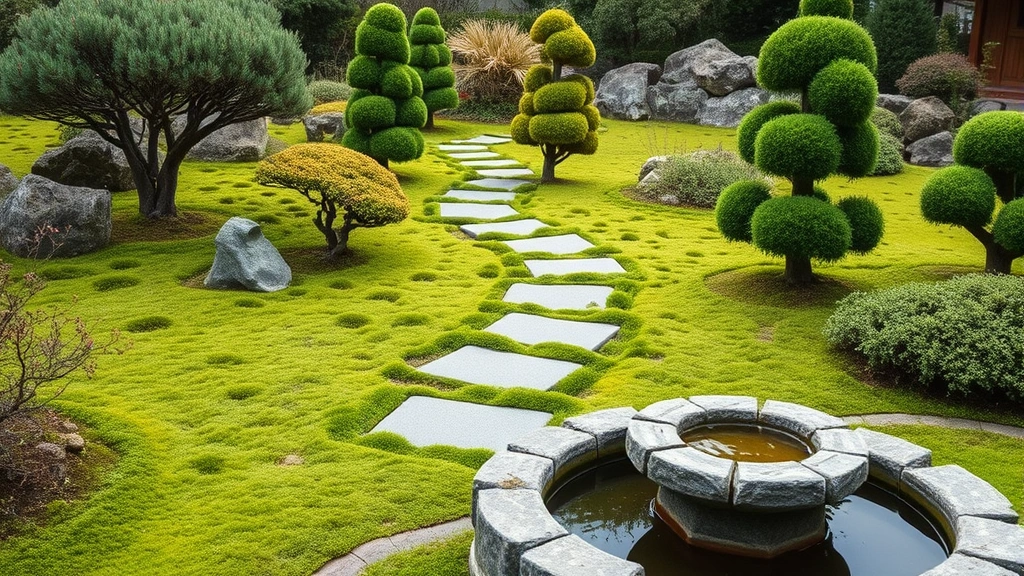
Moss: In shaded areas of Japanese gardens, moss thrives and creates soft, velvety ground covers. Rather than fighting moss as a lawn problem, Japanese gardeners cultivate it as a desirable feature. Moss requires moisture and shade but rewards gardeners with a living carpet of remarkable beauty.
Ornamental Grasses and Sedges: Plants like mondo grass and Japanese forest grass provide fine texture, movement, and seasonal interest. These low-growing plants work well in layered planting schemes and require minimal maintenance once established.
If you’re interested in expanding your plant palette, you might explore butterfly garden plants to attract pollinators, or consider how growing peas and vegetables could integrate with ornamental plantings.
When selecting plants for a Japanese-inspired garden, choose species suited to your climate zone. Many traditional Japanese plants thrive in temperate regions, though adaptations may be necessary in other climates. Consult local horticultural society resources for recommendations specific to your area.
Water Features and Stone Elements
Water and stone form the backbone of Japanese garden design, often more important than plants in conveying the garden’s essential character.
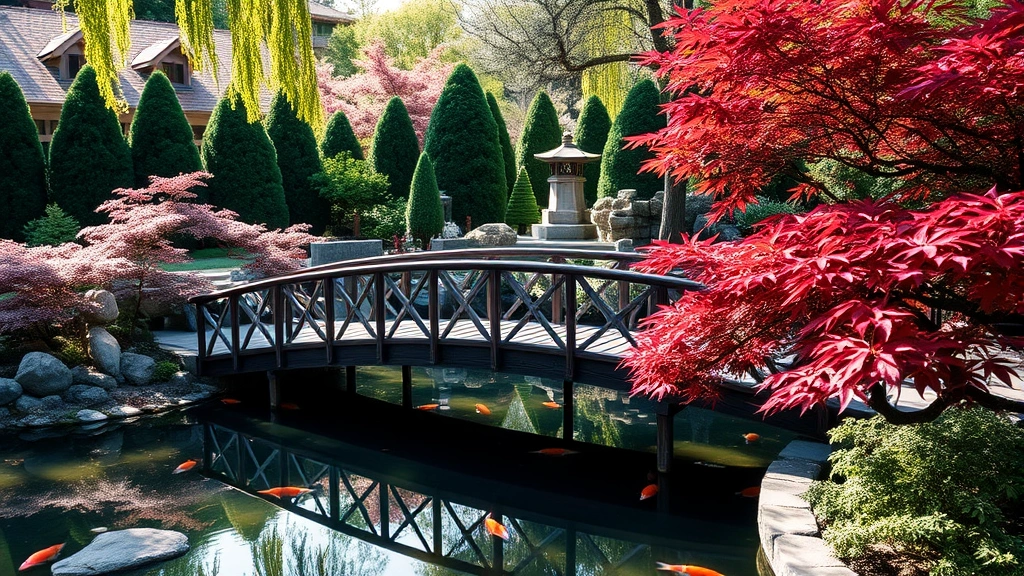
Water Features: Ponds, streams, and waterfalls appear in many Japanese gardens, representing natural water sources. Water features serve both aesthetic and practical functions—they attract wildlife, create soothing sounds, and reflect light and sky. The movement and stillness of water create dynamic visual interest throughout the day and across seasons. Carefully designed water features often include viewing platforms or bridges that position visitors at optimal vantage points.
Stone and Rock Placement: In Japanese gardens, rocks are treated with reverence. Large stones are positioned to suggest mountains, while smaller rocks create visual anchors and pathways. The texture, color, and shape of each stone receives careful consideration. Groupings of three stones, representing heaven, earth, and humanity, appear frequently. Stepping stones guide visitors through the landscape while maintaining the integrity of planted areas.
Lanterns: Stone lanterns, or toro, serve both functional and symbolic purposes. These structures provide subtle illumination while adding sculptural interest. Traditional designs include the yukimi-gata (snow-viewing lantern) and oki-gata (tall lantern), each with specific placement conventions.
Bridges: Whether arched, flat, or zigzag in design, bridges function as both practical pathways and compositional elements. They create opportunities for visitors to pause and appreciate different views of the garden from elevated perspectives.
Visiting Japanese Friendship Gardens
Japanese friendship gardens and museums exist in many communities, offering accessible introductions to this garden philosophy. These institutions often feature traditional design elements, educational exhibits, and knowledgeable staff who can answer questions about horticultural practices and cultural significance.
What to Expect: When visiting a Japanese friendship garden and museum, plan to spend at least two hours exploring. Many visitors find that moving slowly, pausing frequently, and sitting quietly enhances their experience. Photography is typically permitted, though photographing people without permission may be discouraged. Bring comfortable walking shoes and dress appropriately for weather, as many gardens include outdoor components.
Seasonal Visits: Japanese gardens reveal different characters across seasons. Spring brings cherry blossoms and fresh green growth. Summer offers lush foliage and the cooling presence of water features. Autumn displays spectacular maple colors and the clarity of crisp air. Winter reveals the garden’s structural bones, with evergreen plants standing out against bare deciduous branches. Each season offers unique photographic opportunities and aesthetic experiences.
Educational Opportunities: Many Japanese friendship gardens offer workshops, guided tours, and demonstrations. These educational programs often cover topics like bonsai care, flower arrangement, tea ceremony, and traditional gardening techniques. Participating in these programs deepens understanding and provides practical knowledge applicable to your own gardens.
For those interested in learning more about Japanese gardening traditions, the New Jersey Japanese Garden Society provides resources and community connections for enthusiasts.
Creating Your Own Japanese-Inspired Space
You don’t need a large property or extensive gardening experience to incorporate Japanese design principles into your landscape. Even small spaces can benefit from these approaches, and the principles scale beautifully from intimate courtyards to expansive gardens.
Start with Site Analysis: Before planting, observe your space throughout the day and across seasons. Note areas of sun and shade, existing water features, and views you want to frame or screen. Japanese garden design works with the existing landscape rather than against it, so understanding your site’s natural characteristics is essential.
Plan Carefully: Sketch your design on paper, considering sightlines and the sequence of views visitors will experience. Unlike casual gardening, Japanese design benefits from advance planning. Consider using garden planning tools to visualize your space and calculate planting areas.
Build Infrastructure First: Install water features, pathways, and structural elements before planting. If you’re creating raised beds or defined planting areas, building raised garden beds can help organize your space effectively. Proper infrastructure creates the framework that plants will enhance.
Select Appropriate Plants: Choose plants suited to your climate that reflect Japanese garden aesthetics. Japanese maples, dwarf conifers, bamboo (properly contained), ornamental grasses, and shade-tolerant groundcovers create authentic compositions. Work with local nurseries and native plant specialists to identify appropriate species for your region.
Maintain Minimalism: Resist the urge to fill every space. Leave areas of gravel, moss, or open ground. Allow views to develop gradually. The restraint you practice in planting creates the peaceful quality that makes Japanese gardens so appealing.
Add Functional Elements: Include seating areas, viewing platforms, or tea garden components. These functional elements become compositional features that enhance the garden’s purpose as a space for contemplation and connection.
Seasonal Considerations and Plant Care
Successful Japanese-inspired gardens require understanding seasonal patterns and providing appropriate care throughout the year.
Spring Maintenance: As growth emerges, prune selectively to maintain desired forms. Remove dead wood from winter damage. Begin fertilizing as new growth appears. Watch for pests and diseases common in your region. The spring growth period sets the tone for the entire year, so attention to detail now pays dividends.
Summer Care: Consistent watering becomes critical during hot months. Many Japanese garden plants prefer moisture without waterlogging. Mulching helps retain soil moisture and keeps roots cool. Continue removing unwanted growth and deadheading flowering plants. Moss and shade-loving plants may need supplemental irrigation in dry climates.
Autumn Preparation: As temperatures cool, reduce fertilization to avoid stimulating tender new growth. Continue watering as needed until the ground freezes. Collect fallen leaves to use as mulch or compost. This season offers opportunities to observe which plants provide autumn color and adjust future plantings accordingly.
Winter Protection: In cold climates, tender plants may need protection. Consider using quality garden gloves and proper tools for winter maintenance tasks. Ensure water features don’t freeze solid, as ice expansion can damage pond liners and structures. Winter is an excellent time to plan improvements and order plants for spring.
Ongoing Maintenance: Japanese gardens require consistent care, though not necessarily intensive labor. Regular weeding, pruning, and monitoring prevent problems from becoming overwhelming. Many gardeners find the meditative quality of Japanese garden maintenance as rewarding as the finished aesthetic. Develop a maintenance schedule that distributes tasks throughout the year, and don’t hesitate to use proper tools and equipment to make your work more efficient.
For detailed plant care information, consult extension service databases specific to your region, which provide climate-appropriate guidance for growing the plants featured in Japanese gardens.
FAQ
What’s the difference between a Japanese garden and a Zen garden?
While all Zen gardens are Japanese gardens, not all Japanese gardens are Zen gardens. Zen gardens specifically incorporate Buddhist philosophy and often feature rock and gravel arrangements. Japanese gardens more broadly encompass stroll gardens, tea gardens, and other styles that may include water features, diverse plantings, and architectural elements. Both share philosophical foundations emphasizing simplicity and natural beauty.
Can I create a Japanese garden in a small space?
Absolutely. Japanese design principles actually work beautifully in small spaces. Courtyards, balconies, and modest backyard areas can incorporate water features, carefully selected plants, and stone elements. The key is choosing an appropriate style—a simple tea garden or contemplation space requires less space than a stroll garden, but both can be deeply satisfying.
Which Japanese garden plants grow in cold climates?
Many traditional Japanese plants are cold-hardy. Japanese maples, particularly the hardier varieties, thrive in zones 5-8. Dwarf conifers, bamboo species, and ornamental grasses suitable for your zone work well. Consult your local cooperative extension office for recommendations specific to your hardiness zone and regional conditions.
Do Japanese gardens require a lot of maintenance?
Japanese gardens require consistent, thoughtful maintenance rather than intensive labor. Regular pruning, weeding, and monitoring keep plants healthy and maintain the garden’s intended aesthetic. Many gardeners find the meditative quality of this regular care as valuable as the finished garden. Proper initial design and plant selection reduce long-term maintenance needs.
What should I look for when visiting a Japanese friendship garden and museum?
Observe how designers use negative space, the placement of each stone and plant, water movement patterns, and sightlines. Notice how the garden reveals itself as you move through it. Pay attention to seasonal changes if you visit multiple times. Read interpretive signage to understand cultural and symbolic significance. Bring a journal to sketch interesting compositions or note plant combinations you’d like to recreate.
Can I incorporate Japanese elements into an existing Western-style garden?
Yes, you can integrate Japanese principles into existing gardens. Start by identifying areas where you can create a focused Japanese-inspired composition. A shaded corner might become a contemplation garden. A slope could feature a stream and stepping stones. Rather than redesigning your entire landscape, create intentional Japanese elements that coexist with other garden styles.


