How to Start an Indian Garden: Expert Advice
An Indian garden celebrates the vibrant culinary and medicinal traditions of South Asian gardening, combining aromatic herbs, colorful vegetables, and flowering plants that thrive in warm climates. Whether you’re craving fresh cilantro for your daily curries or growing medicinal tulsi for your wellness routine, creating an authentic Indian garden requires understanding both the plants and the growing conditions they prefer. This comprehensive guide walks you through everything you need to know to establish a productive, beautiful garden that honors these time-honored gardening practices.
Indian gardens have evolved over centuries, reflecting the diverse climates across the Indian subcontinent and the cultural significance of plants in daily life. From the aromatic spice gardens of Kerala to the vegetable patches of Punjab, these gardens represent a deep connection between people and plants. Today, gardeners worldwide are discovering the joy and practicality of growing Indian vegetables, herbs, and flowers, regardless of their location. With the right planning and knowledge, you can transform your space into a thriving Indian garden that supplies your kitchen and beautifies your landscape.
Understanding Your Climate and Growing Season
Before you dig the first hole, assess your local climate and growing season. Indian plants generally prefer warm temperatures between 70-85°F (21-29°C), with many thriving in tropical and subtropical conditions. However, many Indian vegetables and herbs can adapt to temperate zones if you adjust your planting schedule and provide appropriate care.
Most traditional Indian gardens follow a monsoon-influenced calendar with three primary growing seasons. The summer season (March to June) suits heat-loving crops like okra and bottle gourd. The monsoon season (June to September) provides natural moisture for many vegetables. The winter season (October to February) is ideal for leafy greens and cool-season crops. Understanding these seasonal patterns helps you maximize your harvest throughout the year.
Check your USDA hardiness zone and research which Indian plants grow best in your region. Gardeners in warmer zones (8-11) have the advantage of year-round growing opportunities, while those in cooler climates should focus on spring and summer plantings or use containers that can be moved indoors during cold months. Consider installing a rain garden system to manage water efficiently during monsoon-like conditions in your area.
Essential Plants for an Indian Garden
An authentic Indian garden includes a carefully selected mix of vegetables, herbs, and flowers that form the foundation of Indian cuisine and traditional medicine. These plants should be your starting point:
- Cilantro (Coriander): The most essential herb in Indian cooking, cilantro thrives in cool to moderate temperatures and grows quickly from seed.
- Tulsi (Holy Basil): Sacred in Indian culture, tulsi prefers warm conditions and well-draining soil. It’s used fresh in tea and cooking.
- Curry Leaves: These aromatic leaves are indispensable for South Indian cuisine. The curry leaf plant grows best in warm climates and requires consistent moisture.
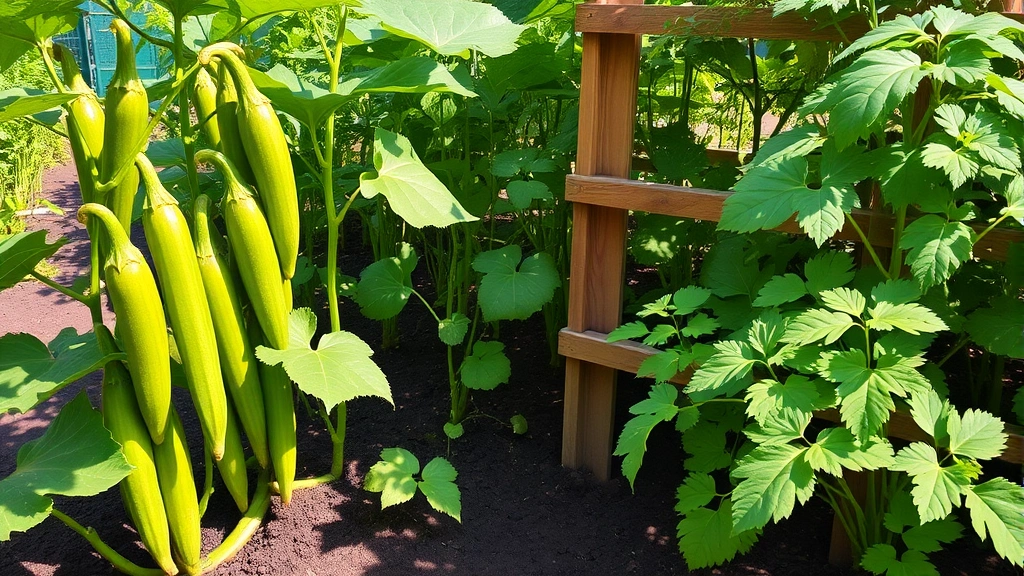
- Okra (Bhindi): A beloved vegetable in Indian cooking, okra grows tall and produces abundantly in hot weather.
- Bottle Gourd (Lauki): This sprawling vine produces long, pale green fruits used in curries and soups. It thrives in summer heat.
- Bitter Melon (Karela): A nutrient-dense vegetable with distinctive bumpy skin, bitter melon grows vigorously on trellises.
- Fenugreek (Methi): Both leaves and seeds are used in Indian cooking. It’s a cool-season crop that grows quickly.
- Turmeric: This rhizome plant requires warm, humid conditions and takes 7-10 months to mature.
Consider creating a dedicated herb garden section within your Indian garden space. Herbs are typically more compact than vegetables, making them perfect for containers or small beds near your kitchen for easy access while cooking.
Preparing Your Garden Space
The location of your Indian garden significantly impacts plant success. Choose a spot receiving 6-8 hours of direct sunlight daily, as most Indian vegetables and herbs are sun-loving plants. Morning sun is particularly beneficial as it helps dry dew and reduces disease pressure.
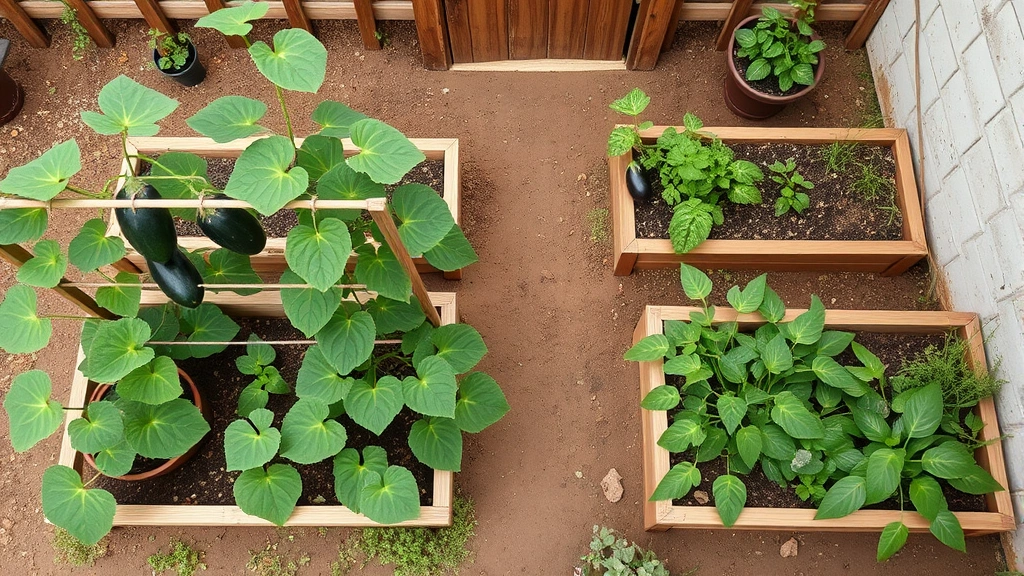
Assess your space realistically. A small Indian garden can thrive in 100-150 square feet, while larger spaces allow for more variety and succession planting. If you have limited space, consider vertical gardening techniques using trellises for vining crops like bitter melon and bottle gourd. This maximizes productivity in compact areas.
Prepare the ground by removing grass, weeds, and debris. Break up compacted soil and work in organic matter. If your soil is poor quality, consider building raised beds (12-18 inches deep) filled with quality garden soil mixed with compost. This approach gives you complete control over soil composition and is particularly helpful in areas with clay-heavy or contaminated soil.
Ensure good drainage, as waterlogged soil causes root rot in most Indian plants. If your area has heavy rainfall or poor drainage, raised beds or mounded rows are essential. Conversely, if you’re in an arid climate, adding extra compost helps retain moisture.
Setting Up Soil and Irrigation
Indian plants thrive in rich, well-draining soil with a pH between 6.0-7.0. Before planting, test your soil through your local extension service to understand nutrient levels and make appropriate amendments.
Incorporate 2-3 inches of well-rotted compost or aged manure into the top 8-10 inches of soil. This improves soil structure, increases water retention, and provides slow-release nutrients. Indian gardens benefit from consistent feeding, so consider adding a balanced organic fertilizer (5-5-5 or 10-10-10) before planting and every 4-6 weeks during the growing season.
Irrigation is crucial for success. Most Indian vegetables and herbs prefer consistently moist (not waterlogged) soil. Install a drip irrigation system or soaker hoses to deliver water directly to plant roots, reducing disease and water waste. Water early morning or evening to minimize evaporation. During hot summers, daily watering may be necessary for shallow-rooted herbs like cilantro.
Mulching conserves moisture and regulates soil temperature. Apply 2-3 inches of organic mulch (straw, wood chips, or dried leaves) around plants, keeping it a few inches away from stems. Mulch also suppresses weeds and gradually breaks down to improve soil structure.
Growing Herbs and Spices
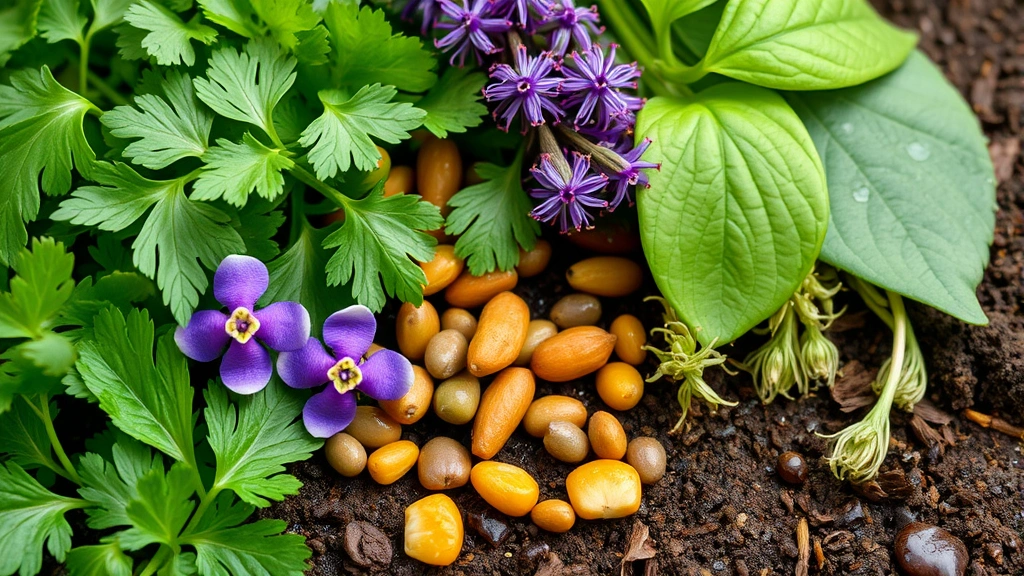
Herbs are the heart of an Indian garden, providing the distinctive flavors that define the cuisine. Understanding how to grow each herb successfully ensures a constant supply for your kitchen.
Cilantro and Parsley: Both are cool-season crops that bolt (go to seed) quickly in heat. Plant in early spring and fall for best results. Successive plantings every two weeks ensure continuous harvests. These herbs grow quickly (3-4 weeks to first harvest) and can be grown in containers on windowsills.
Tulsi: This heat-loving herb requires warm soil (at least 70°F) to germinate. Start seeds indoors 6-8 weeks before your last frost, or direct seed after soil warms. Tulsi needs consistent moisture and benefits from occasional pinching to encourage bushiness. Harvest leaves regularly to promote growth. Master gardener programs often provide detailed guides on growing tulsi in various climates.
Curry Leaves: Growing curry leaf plants requires patience, as seeds germinate slowly and unpredictably. Purchase nursery plants if available. Curry leaves need warm temperatures, bright light, and consistent moisture. In cold climates, grow them in containers that can be moved indoors during winter. They’re slow-growing but productive for years.
Fenugreek: Plant fenugreek in fall or early spring for best results. This quick-growing herb (ready in 30-40 days) produces tender leaves used fresh or dried. It’s also nitrogen-fixing, improving soil for subsequent plantings. The seeds are harvested after flowers dry for use as a spice.
Mint Family: Mint, including varieties like pudina (spearmint), grows aggressively and is best contained in pots or dedicated beds to prevent it from taking over. These herbs prefer partial shade in hot climates and consistently moist soil.
Cultivating Indian Vegetables
Indian vegetables form the foundation of many traditional dishes. Growing them successfully requires understanding their specific needs and growing seasons.
Okra (Bhindi): This heat-loving plant thrives in temperatures above 70°F and produces abundantly throughout summer. Plant seeds directly in the garden after the last frost when soil is warm. Space plants 12-18 inches apart. Okra grows tall (3-4 feet) and produces flowers followed by edible pods. Harvest pods when young (3-4 inches) for tenderness. Plants continue producing until the first frost.
Bottle Gourd (Lauki): This vigorous vining crop needs space to sprawl or a sturdy trellis for vertical growing. Plant seeds after soil warms in late spring. Provide rich soil with extra compost, as bottle gourds are heavy feeders. Water consistently and fertilize every 3-4 weeks. Fruits mature in 60-70 days and can be harvested at various sizes depending on recipe needs.
Bitter Melon (Karela): Similar to bottle gourd in growing requirements, bitter melon produces distinctive bumpy fruits. Plant after the last frost and provide a trellis for vertical support. The plant flowers profusely and produces continuously through summer. Harvest fruits when they turn from green to yellow-green for optimal flavor. These are vigorous growers that may need pruning to prevent excessive foliage.
Eggplant (Brinjal): This warm-season crop produces purple, white, or striped fruits depending on variety. Start seeds indoors 8-10 weeks before your last frost. Transplant seedlings after soil warms. Eggplants need 6-8 hours of sun, consistent moisture, and regular fertilizing. Space plants 18-24 inches apart. Harvest fruits when glossy and firm, before they become dull and seedy.
Yard-Long Beans (Asparagus Beans): These tropical beans grow on vigorous vines producing long, slender pods. Plant after the last frost on a trellis or support structure. They thrive in heat and produce prolifically. Harvest pods when young and tender. These beans are more productive than regular beans in hot climates.
Drumstick Tree (Moringa): In warm climates (zones 9-11), grow moringa for its nutrient-dense leaves and long seed pods. This fast-growing tree tolerates poor soil and drought once established. In cooler zones, grow it in containers and bring indoors during winter.
Garden Maintenance and Care
Successful Indian gardens require consistent maintenance throughout the growing season. Establish routines for watering, fertilizing, pest management, and harvesting.
Pest Management: Common garden pests affecting Indian plants include aphids, spider mites, and whiteflies. Monitor plants regularly for pest presence. Use organic methods first: strong water spray to dislodge pests, neem oil spray (effective against many pests), and encouraging beneficial insects like ladybugs and lacewings. Avoid chemical pesticides, especially on herbs used for cooking.
Disease Prevention: Powdery mildew, leaf spots, and root rot are common issues. Prevent these by ensuring good air circulation, avoiding overhead watering, removing infected leaves promptly, and maintaining proper spacing between plants. Crop rotation (planting different vegetable families in different locations each year) reduces soil-borne disease buildup.
Weeding: Regular weeding prevents competition for nutrients and water. Mulching significantly reduces weeding work. Hand-pull weeds or use a hoe for larger areas. Remove weeds before they set seed.
Harvesting: Regular harvesting encourages more production. Pick herbs frequently to promote bushiness. Harvest vegetables at peak ripeness for best flavor and nutrition. Morning harvesting, when plants are fully hydrated, yields the crispest produce.
Composting: Save garden waste (plant trimmings, fallen leaves) for composting. Finished compost improves soil structure and provides nutrients. A simple bin system or pile in the corner of your garden creates valuable amendment for future plantings.
Consider using appropriate garden tools to make maintenance easier and more efficient. Quality tools last longer and reduce physical strain during regular garden work.
Seasonal Planting Schedule
Following a seasonal planting schedule maximizes your Indian garden’s productivity. This schedule assumes a temperate climate; adjust dates based on your local frost dates and climate zone.
Spring (March-May): This is prime planting season for most Indian vegetables. Start with okra, bottle gourd, bitter melon, eggplant, and yard-long beans after the last frost. Succession plant cilantro and fenugreek every two weeks for continuous harvests. Transplant tulsi seedlings outdoors. Plant turmeric rhizomes for fall harvest.
Summer (June-August): Continue succession planting okra and other heat-loving vegetables. Maintain consistent watering as temperatures peak. Harvest cilantro before it bolts; replant in late summer for fall crops. Fertilize heavy feeders regularly. Monitor for pests and diseases more frequently in hot, humid conditions.
Fall (September-November): Plant cool-season crops including cilantro, fenugreek, spinach, and mustard greens. Harvest eggplant, okra, and beans until frost. Mulch heavily to extend the season. Dry herbs like tulsi and oregano for winter use. Clean up spent plants and add to compost.
Winter (December-February): In cold climates, focus on indoor herb growing or container gardening in protected locations. In warm climates, this is peak harvest season for cool-season crops. Protect tender plants from occasional frost. Plan next year’s garden layout and order seeds.
To start a flower garden alongside your vegetable and herb plantings, incorporate marigolds, zinnias, and nasturtiums. These flowers attract pollinators, add beauty, and have culinary and medicinal uses in Indian traditions.
Creating a productive Indian garden is an enriching journey that connects you to culinary traditions while providing fresh ingredients for your kitchen. Start small with a few essential herbs and vegetables, then expand as you gain confidence and experience. The combination of proper planning, suitable plant selection, and consistent care creates a thriving garden that supplies your household with authentic Indian ingredients year-round.
FAQ
Can I grow an Indian garden in cold climates?
Yes, with modifications. Focus on spring and summer plantings for heat-loving crops like okra and bottle gourd. Grow cool-season herbs (cilantro, fenugreek) in spring and fall. Use containers to grow tender perennials like curry leaves and tulsi indoors during winter. Cold frames or row covers extend the season in shoulder months.
What’s the best location for an Indian garden?
Choose a spot receiving 6-8 hours of direct sunlight daily with good air circulation. Proximity to your kitchen for easy herb harvesting is ideal. Ensure the area has access to water for irrigation and is somewhat protected from strong winds that can damage vining crops.
How much space do I need for an Indian garden?
A productive Indian garden requires just 100-150 square feet. In smaller spaces, use containers, vertical trellises, and succession planting. Prioritize your most-used herbs and vegetables to maximize your space efficiently.
When should I start seeds indoors?
Start seeds indoors 6-8 weeks before your last spring frost for plants like eggplant, tulsi, and peppers. Direct sow heat-loving crops like okra and beans directly in the garden after the last frost when soil is warm. Cool-season crops can be direct sown in fall.
How often should I water my Indian garden?
Most Indian plants need consistently moist soil. During growing season, water deeply 2-3 times per week, or daily during extreme heat. Check soil moisture 2 inches deep; water when dry at that depth. Drip irrigation systems provide efficient, consistent watering.
Can I grow Indian plants in containers?
Absolutely. Herbs like cilantro, tulsi, mint, and curry leaves grow well in pots. Use quality potting soil, ensure drainage holes, and water more frequently than in-ground plants. Container gardening works well for apartment dwellers and those with limited space.
What’s the best fertilizer for Indian gardens?
Use balanced organic fertilizers (5-5-5 or 10-10-10) applied every 4-6 weeks during the growing season. Compost and aged manure provide slow-release nutrients and improve soil structure. Fish emulsion or kelp extract offers micronutrients and works well for herbs.
How do I preserve my harvest?
Dry herbs like tulsi, oregano, and fenugreek leaves for year-round use. Freeze cilantro in ice cube trays with water. Pickle or dry vegetables like okra. Make curry leaf paste and freeze it. Preserve turmeric and other rhizomes properly for extended storage.


