India Garden Design: Expert Landscaping Ideas for Tropical and Subtropical Spaces
Creating a stunning India garden requires understanding the unique climate, soil conditions, and plant varieties that thrive in the Indian subcontinent. Whether you’re designing a lush tropical garden in Kerala, a semi-arid landscape in Rajasthan, or a temperate garden in the Himalayan foothills, the principles of thoughtful landscaping can transform your outdoor space into a verdant sanctuary. Indian gardens have a rich heritage spanning thousands of years, from the ornamental Mughal gardens to the serene temple gardens, and modern garden design can beautifully blend these traditional aesthetics with contemporary functionality.
An India garden design must account for intense monsoon seasons, scorching summers, and varying winter conditions across different regions. The key to success lies in selecting climate-appropriate plants, implementing efficient water management systems, and creating microclimates within your garden space. This comprehensive guide will walk you through expert landscaping ideas that celebrate India’s botanical diversity while ensuring your garden remains healthy, beautiful, and sustainable throughout the year.
Understanding India’s Climate Zones for Garden Design
India’s vast geographical expanse creates diverse climate zones that directly influence garden design strategies. The country experiences tropical climates in coastal regions, subtropical conditions in the plains, and temperate climates in mountainous areas. Understanding your specific climate zone is the foundation of successful India garden landscaping.
The tropical regions of South India, including Kerala, Karnataka, and Tamil Nadu, receive abundant rainfall and maintain high humidity levels year-round. These areas support lush vegetation and require gardens designed to handle water drainage and prevent fungal diseases. In contrast, the semi-arid regions of Rajasthan and Gujarat experience minimal rainfall and extreme heat, demanding drought-resistant plants and efficient water conservation techniques. The Indo-Gangetic plains offer moderate conditions with distinct seasons, while the Himalayan foothills provide cool, temperate growing conditions ideal for a wider range of plants.
Before beginning any landscaping project, research your local hardiness zone and consult regional gardening resources. The Indian Council of Agricultural Research provides valuable information about regional growing conditions and recommended plant varieties. Understanding your microclimate—considering factors like sun exposure, wind patterns, and existing vegetation—will help you make informed decisions about plant placement and garden structure.
[IMAGE_1]
Essential Plants for Indian Gardens
Selecting the right plants is crucial for creating a thriving India garden that requires minimal maintenance while providing year-round visual interest. Native and adapted plants generally perform better than exotic specimens, as they’re naturally suited to local conditions and support indigenous wildlife.
Flowering Trees and Shrubs: The vibrant Bougainvillea, with its papery bracts in pink, purple, orange, and red, thrives in most Indian regions and tolerates heat and drought exceptionally well. Gulmohar (Delonix regia) creates stunning red and orange blooms during summer months and provides excellent shade. The fragrant Jasmine varieties, including Arabian Jasmine and Mogra, add sensory appeal to any garden. Lantana, though sometimes considered invasive, offers prolific colorful flower clusters and attracts butterflies. For cooler regions, Rhododendrons and Magnolias create spectacular spring displays.
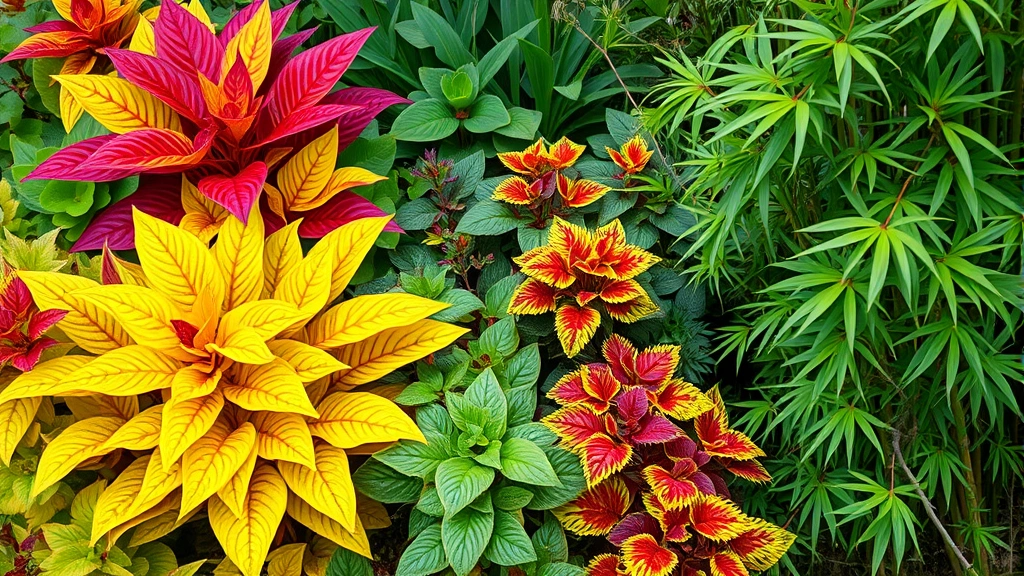
Foliage Plants: Crotons provide vibrant foliage in shades of red, yellow, and orange, thriving in warm climates. Coleus varieties offer incredible color combinations and work well in shade or partial sun. Ferns adapt beautifully to shaded, moist areas, adding delicate texture. For structural interest, consider Bamboo varieties—though select clumping types rather than running varieties to prevent invasiveness. Palms like Areca, Coconut, and Date palms create tropical ambiance in suitable regions.
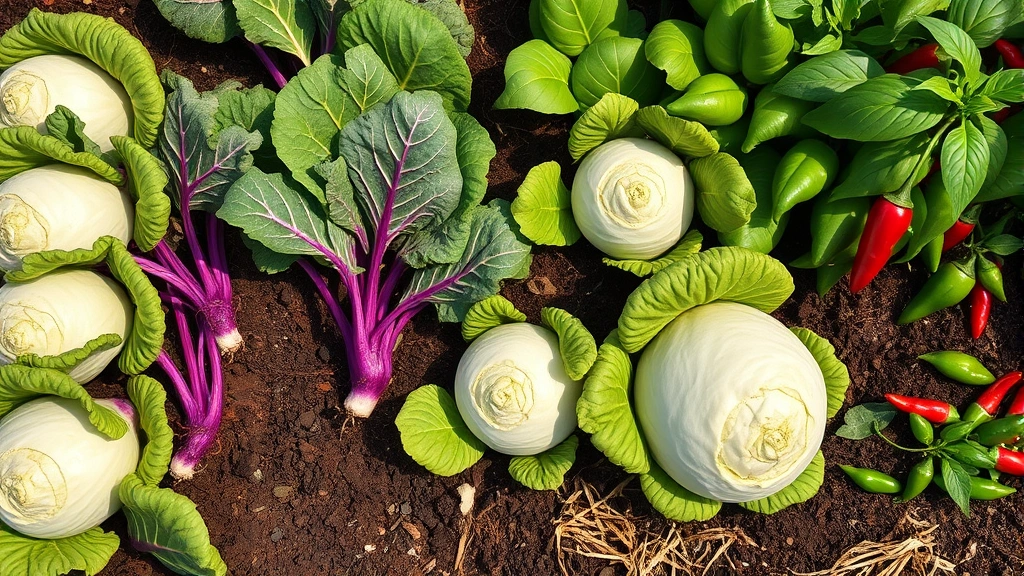
Vegetable and Herb Gardens: When incorporating edible plants, you can grow garden lettuce year-round in cooler months in most regions. Tomatoes, peppers, and eggplants thrive during warmer seasons. Growing peas in your garden works exceptionally well during winter months across India. Herbs like Tulsi (Holy Basil), Mint, Coriander, and Curry leaves grow abundantly and serve both culinary and medicinal purposes. These edible gardens can be integrated into ornamental designs for dual functionality.
Ground Covers and Accent Plants: Portulaca (Nine O’Clock Flower) offers bright blooms and extreme drought tolerance. Duranta creates elegant cascading yellow flowers with golden berries. Vinca (Periwinkle) provides reliable blooms in various colors. For textural contrast, incorporate grasses like Fountain Grass or Blue Fescue in appropriate climates.
Water Management and Irrigation Systems
Efficient water management is essential for sustainable India garden design, particularly given the country’s variable rainfall patterns and increasing water scarcity. Modern irrigation systems can significantly reduce water waste while maintaining plant health.
Drip Irrigation Systems: Drip irrigation delivers water directly to plant roots, reducing evaporation and runoff by up to 50% compared to traditional methods. This system is particularly valuable during India’s hot, dry months. Install drip lines around flowering shrubs, vegetable beds, and young trees. Automated timers ensure consistent watering schedules, essential during intense summer heat when manual watering may be insufficient.
Rainwater Harvesting: India’s monsoon seasons provide opportunities for rainwater harvesting. Install rain barrels, underground tanks, or check dams to capture seasonal rainfall. This harvested water can sustain gardens during dry periods, reducing dependence on municipal water supplies. Many Indian states offer subsidies for rainwater harvesting systems, making them economically viable investments.
Mulching Strategies: Apply 2-3 inches of organic mulch around plants to retain soil moisture, regulate temperature, and suppress weeds. In tropical regions, use coconut coir or wood chips; in drier areas, gravel mulches work effectively. Mulching also improves soil health as organic materials decompose, enriching soil structure and nutrient content.
Soil Preparation: Before planting, ensure proper soil preparation for a thriving garden. Indian soils vary significantly by region—laterite soils in the south, black soil in the Deccan, and alluvial soil in the plains. Amend soil with compost, aged manure, and organic matter to improve water retention and drainage. Conduct soil testing through your local agricultural extension office to determine pH and nutrient levels, enabling targeted amendments.
Creating Functional Garden Spaces
An expertly designed India garden balances aesthetics with functionality, creating distinct zones for different activities and purposes.
Entryway and Approach: The garden’s entrance sets the tone for the entire landscape. Create welcoming pathways using stepping stones, gravel, or pavers. Frame the entrance with flowering shrubs or topiary to create visual interest. Consider planting fragrant flowers near seating areas where their perfume can be fully appreciated. Ornamental gates or pergolas add architectural interest while defining the garden’s threshold.
Seating and Gathering Areas: Design comfortable outdoor spaces for relaxation and entertainment. Shade structures like pergolas, arbors, or pavilions are essential in India’s climate, providing relief from intense sun. Incorporate benches, low walls, or raised platforms for seating. Position these areas to capture breezes while avoiding waterlogged zones during monsoons. Integrate water features like fountains or small ponds to create cooling effects and soothing soundscapes.
Kitchen Gardens: Dedicate a productive area for growing vegetables and herbs. Raised beds offer better drainage and easier maintenance than ground-level planting. When implementing raised bed gardening advantages, you gain superior soil control and accessibility. Organize beds by plant type and harvest season, creating efficient workflow patterns. Position kitchen gardens near the house for convenient access during meal preparation.
Children’s Play Zones: If designing for families, allocate space for safe play areas. Plant sturdy trees that withstand climbing and provide shade. Avoid toxic plants and ensure no sharp edges on hardscaping features. Create sensory gardens with fragrant and textured plants that engage children’s curiosity about nature.
Seasonal Gardening Calendar for India
Understanding seasonal variations is crucial for maintaining a vibrant India garden throughout the year. India’s gardening calendar differs significantly from Western regions due to its unique climate patterns.
Monsoon Season (June to September): This period brings abundant rainfall but also challenges like waterlogging and fungal diseases. Focus on improving drainage, preventing soil erosion, and managing pest outbreaks. Plant shade-loving foliage plants and prepare beds for winter vegetables. Avoid heavy watering as rainfall provides ample moisture. Prune overgrown plants and remove dead wood to improve air circulation.
Post-Monsoon (October to November): This is prime planting season for most of India. Temperatures cool, humidity decreases, and soil moisture remains optimal. Sow winter vegetables like leafy greens, root vegetables, and cool-season herbs. Transplant saplings of trees and shrubs. This is an excellent time to propagate plants through cuttings and air layering, expanding your garden with new specimens.
Winter (December to February): In most regions, winter offers ideal growing conditions with moderate temperatures and reduced pest pressure. Continue harvesting winter vegetables and maintain regular watering as rainfall decreases. In cooler regions, protect tender plants from frost. Prepare compost piles and plan spring projects during quieter garden periods.
Spring (March to May): As temperatures rise, focus on protecting plants from heat stress. Increase mulching, provide shade cloth for sensitive plants, and water more frequently. Harvest spring vegetables before heat stress reduces quality. Deadhead flowering plants to encourage continued blooms. Prepare for summer dormancy by reducing fertilizer applications.
Hardscaping and Design Elements
Hardscaping—the non-plant elements of garden design—creates structure, defines spaces, and provides functional pathways and seating areas.
Pathways and Paving: Design pathways that guide movement through the garden while complementing the overall aesthetic. In tropical regions, permeable paving allows water drainage during heavy rains. Traditional Indian materials like stone, brick, and gravel offer cultural authenticity. Curved pathways create visual interest and encourage exploration, while straight paths provide efficient movement. Ensure pathways are wide enough for two people to walk comfortably and have non-slip surfaces, especially in wet climates.
Water Features: Ponds, fountains, and channels add cooling elements crucial in India’s hot climate. Small ponds support aquatic plants and attract birds and beneficial insects. Fountains provide visual and auditory interest while creating microclimates that cool surrounding areas. Traditional Indian water features like baolis (stepwells) or chatris (pavilions) can inspire modern designs.
Structural Elements: Pergolas, arbors, and gazebos provide essential shade while supporting climbing plants. Choose designs that allow adequate air circulation to prevent fungal issues in humid climates. Stone or wood walls define boundaries and create windbreaks. Raised planting beds improve drainage and accessibility while adding visual dimension.
Lighting Design: Strategic outdoor lighting enhances nighttime enjoyment while improving safety. Use warm-colored LED lights to highlight architectural features and pathways. Solar-powered lights reduce electricity consumption. Position lights to minimize glare and insect attraction while creating inviting evening ambiance.
Sustainable Gardening Practices
Creating an environmentally responsible India garden reduces resource consumption while supporting local ecosystems.
Composting Systems: Convert garden waste and kitchen scraps into nutrient-rich compost. In India’s warm climate, decomposition occurs rapidly. Implement bin composting, pile composting, or vermicomposting systems based on available space. Finished compost enriches soil naturally, reducing dependence on chemical fertilizers. This practice closes nutrient cycles, creating self-sufficient gardens.
Organic Pest Management: Rather than chemical pesticides, employ integrated pest management strategies. Encourage beneficial insects by planting native flowers that attract pollinators and predatory insects. Neem oil, derived from Indian neem trees, provides natural pest control. Companion planting—growing certain plants together for mutual benefit—reduces pest pressure naturally. Regular monitoring catches pest outbreaks early when manual removal remains effective.
Native Plant Selection: Prioritize native and naturalized plants adapted to your region’s climate. Native plants require less water, fertilizer, and pest management once established. They support local wildlife, including birds, butterflies, and beneficial insects. Native plants also preserve regional biodiversity and maintain ecological balance.
Energy Efficiency: Design gardens to reduce energy consumption. Shade trees planted strategically cool buildings, reducing air conditioning needs. Permeable surfaces reduce urban heat island effects. Choose drought-tolerant plants to minimize irrigation energy. Avoid over-lighting and use energy-efficient fixtures.
Water Conservation: Beyond irrigation efficiency, conserve water through thoughtful design. Group plants by water needs, creating hydrozones. Reduce turf areas that require regular watering. Install rain gardens to filter and absorb runoff. Choose plants with deep root systems that access water unavailable to shallow-rooted species, reducing supplemental irrigation needs.
FAQ
What are the best plants for a small India garden?
For limited spaces, choose compact plants like dwarf fruit trees, columnar shrubs, and vertical climbers. Bougainvillea, Lantana, and Jasmine work well in containers and small beds. Herbs like Tulsi and Mint provide functionality without requiring much space. Vertical gardening using trellises and wall-mounted planters maximizes growing area in compact gardens.
How do I protect my India garden during extreme heat?
Provide shade cloth (30-50% shade) over sensitive plants during peak summer months. Increase mulching depth to 3-4 inches to insulate soil and roots. Water deeply and frequently, ideally in early morning or evening to minimize evaporation. Apply anti-transpirant sprays to reduce water loss through leaves. Prune plants to reduce leaf surface area if heat stress becomes severe.
When should I fertilize my India garden?
Apply fertilizer during active growth periods: after monsoons (September-October) and before summer (February-March). Use slow-release organic fertilizers that provide steady nutrient availability. Avoid fertilizing during dormant periods or extreme heat/cold. Compost application provides gentle, continuous nutrition without risk of chemical burn. Follow soil test recommendations for specific nutrient requirements.
Can I grow exotic plants in an India garden?
While possible, exotic plants often require more maintenance and may not perform as well as adapted species. If growing exotics, provide specialized care including controlled microclimates, consistent watering, and protection from local pests. Consider whether exotics might become invasive. Generally, native and well-adapted plants offer better returns on gardening effort in Indian climates.
How do I start a India garden if I’m a beginner?
Begin by reading gardening tips for beginners to start your green journey. Start small with easy-to-grow plants like Tulsi, Mint, Bougainvillea, and Lantana. Learn about your local climate and soil conditions. Join local gardening clubs or master gardener programs to gain knowledge from experienced gardeners. Invest in basic tools and establish consistent watering routines before expanding your garden.
What’s the best time to redesign an existing India garden?
Post-monsoon (October-November) offers ideal conditions for major garden redesigns. Cooler temperatures and adequate soil moisture support transplanting and new plantings. This timing allows newly planted specimens to establish before summer stress. Spring (March-early May) works for smaller modifications before heat arrives. Avoid major changes during monsoon season when waterlogging complicates work, or during extreme summer heat when transplant survival is compromised.