
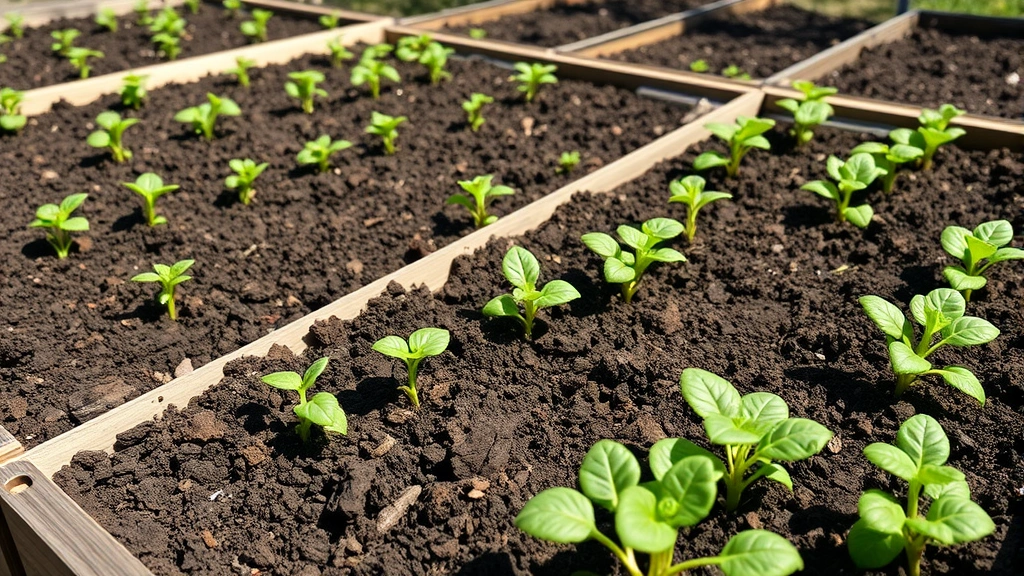
How to Grow a Garden: Expert Tips for Success
Growing a garden is one of the most rewarding experiences you can have as a homeowner or hobby enthusiast. Whether you dream of harvesting fresh vegetables, cultivating vibrant flowers, or creating a peaceful outdoor sanctuary, learning how to grow a garden successfully requires knowledge, patience, and proper planning. This comprehensive guide will walk you through everything you need to know to start and maintain a thriving garden, regardless of your experience level or available space.
The beauty of gardening lies in its accessibility. You don’t need acres of land or advanced horticultural degrees to create a productive garden. With the right foundation, dedication, and willingness to learn from both successes and failures, anyone can develop a flourishing garden that provides beauty, food, and satisfaction. From selecting the perfect location to understanding soil composition and choosing appropriate plants, we’ll cover all the essential aspects that contribute to gardening success.
Choose the Right Location for Your Garden
The foundation of any successful garden begins with location selection. Your garden’s placement dramatically influences plant health, productivity, and overall success. Before breaking ground or preparing containers, spend time observing your property throughout different times of day and during various seasons.
Sunlight is perhaps the most critical factor when choosing a garden location. Most vegetables and flowering plants require between six to eight hours of direct sunlight daily. Observe your yard’s sun patterns—note which areas receive morning sun, afternoon shade, and full-day exposure. Morning sunlight is particularly beneficial as it helps dry dew and reduces fungal diseases. If you have limited sunny spots, consider growing shade-tolerant plants like lettuce and leafy greens, or explore vertical gardening solutions that maximize light exposure.
Access to water is your second priority. Your garden should be reasonably close to a water source, whether that’s a hose connection, rain barrel system, or outdoor faucet. Consistent watering is essential for plant health, and proximity to water makes this task more manageable and likely to be performed regularly. Additionally, consider drainage patterns on your property. Avoid locations where water pools after rainfall, as this can lead to root rot and fungal problems. Slightly elevated or sloped areas typically provide better drainage than low-lying spots.
Wind exposure and microclimate considerations also matter significantly. Strong winds can damage delicate plants, dry out soil quickly, and stress young seedlings. If your location is particularly windy, plan windbreaks using structures, fences, or sturdy plants. Conversely, some air circulation prevents fungal diseases, so completely sheltered areas aren’t ideal either. Look for a balanced location with gentle air movement.
Understand Your Soil and Prepare It Properly
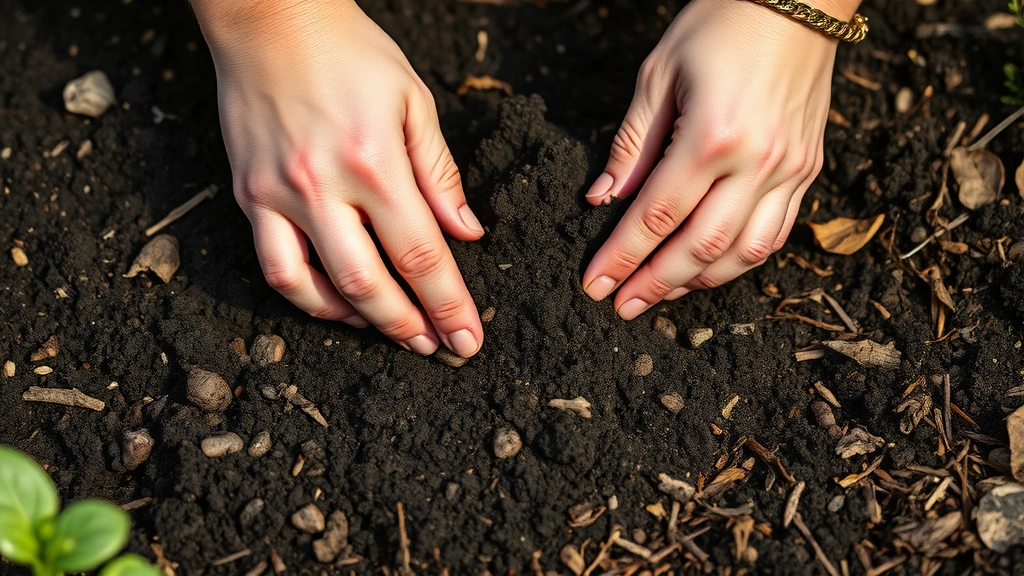
Healthy soil is the lifeblood of a successful garden. Before planting anything, invest time in understanding and improving your soil composition. Soil quality directly impacts nutrient availability, water retention, drainage, and overall plant health. Most plants thrive in soil with a balanced combination of sand, silt, and clay—often called loam.
Conduct a simple soil test to determine your soil’s texture, pH level, and nutrient content. You can perform a basic texture test at home by taking a soil sample, adding water, and observing how it settles in a jar. Sand settles first, followed by silt, then clay. Alternatively, send samples to your local cooperative extension service for professional analysis. This service provides detailed recommendations for amendments specific to your soil type and intended plants.
Most garden plants prefer slightly acidic to neutral soil with a pH between 6.0 and 7.0. If your soil tests outside this range, you can adjust it using amendments like lime to raise pH or sulfur to lower it. Organic matter is universally beneficial—incorporate compost, aged manure, peat moss, or coconut coir to improve soil structure, increase water retention, and enhance nutrient availability. Work these amendments into the top eight to twelve inches of soil before planting.
Nutrient levels matter tremendously for plant growth. The three primary nutrients are nitrogen (N), phosphorus (P), and potassium (K), represented on fertilizer packages as NPK ratios. Nitrogen promotes leafy growth, phosphorus supports root development and flowering, and potassium enhances overall plant vigor. Based on your soil test results, add appropriate fertilizers or organic amendments. Natural options include bone meal for phosphorus, wood ash for potassium, and compost or grass clippings for nitrogen.
Preparing beds in advance—ideally in fall for spring planting—allows amendments to integrate thoroughly with native soil. If starting in spring, prepare beds at least two to four weeks before planting. This settling period helps establish proper soil structure and allows microbial activity to increase nutrient availability.
Select Plants Suited to Your Climate and Space
Plant selection is crucial and should be based on your USDA hardiness zone, available space, and personal preferences. The USDA Plant Hardiness Zone Map divides North America into zones based on average minimum winter temperatures. Knowing your zone helps you select perennials that survive winters in your area and understand which annuals work best for your growing season length.
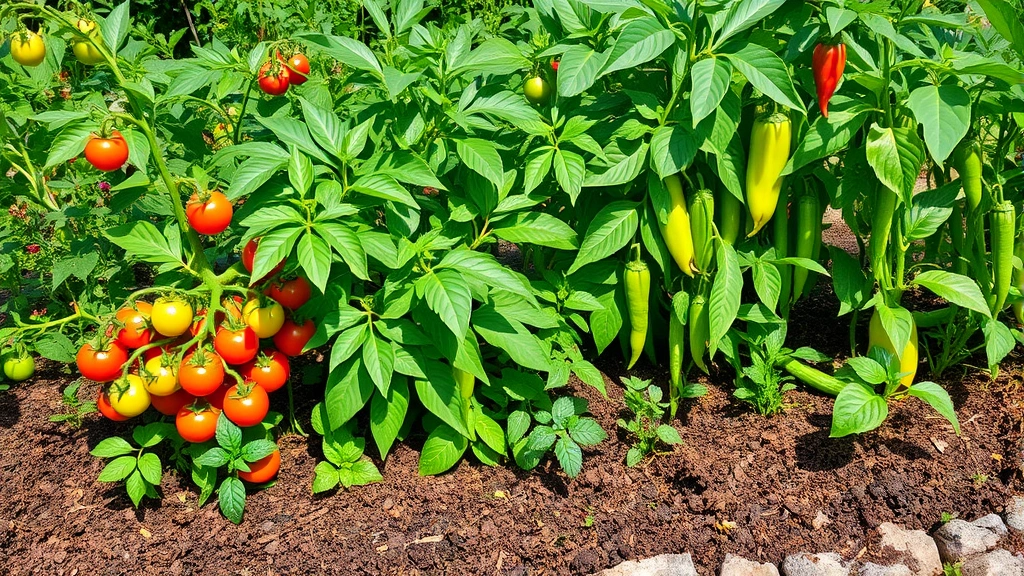
For beginners, starting with easy-to-grow vegetables for beginners builds confidence and provides quick gratification. Tomatoes, peppers, beans, squash, and herbs are forgiving plants that tolerate minor mistakes. Growing garden lettuce is particularly rewarding for new gardeners because it matures quickly and doesn’t require extensive care.
Consider your available space carefully. If you have limited room, explore container gardening or vertical garden approaches that maximize productivity in small areas. Dwarf and compact varieties work well in containers and raised beds. Conversely, if you have ample space, you can grow sprawling plants like pumpkins, melons, and vining crops that require significant room.
Plan for succession planting and crop rotation. Rather than planting everything simultaneously, stagger plantings every two to three weeks to ensure continuous harvests throughout the season. Rotate plant families annually to prevent soil depletion and reduce pest and disease accumulation. For example, follow heavy-feeding vegetables with nitrogen-fixing legumes, then lighter feeders the following year.
Master the Art of Watering and Irrigation
Proper watering is fundamental to garden success, yet many gardeners struggle to find the right balance. Overwatering causes root rot and fungal diseases, while underwatering stresses plants and reduces productivity. The key is understanding your soil’s water-holding capacity and your plants’ specific needs.
Most vegetables and ornamental plants need approximately one inch of water weekly, whether from rainfall or irrigation. Check soil moisture by inserting your finger two inches into the soil—if it feels dry at that depth, watering is needed. Early morning watering is ideal because it allows foliage to dry quickly, reducing disease risk. Water plants at their base rather than overhead to minimize fungal issues and ensure moisture reaches roots where it’s needed.
Investing in a quality best garden hose makes watering more efficient and enjoyable. Soaker hoses and drip irrigation systems deliver water directly to soil, reducing evaporation and waste while ensuring consistent moisture. These systems are particularly valuable during hot, dry periods and for gardeners with limited time for hand watering.
Mulching significantly improves water retention and reduces watering frequency. Apply two to three inches of organic mulch like wood chips, straw, or shredded leaves around plants, keeping it a few inches away from stems to prevent rot. Mulch also moderates soil temperature, suppresses weeds, and gradually breaks down to improve soil structure. As you water, the mulch layer acts as a buffer, slowing evaporation and ensuring moisture penetrates deeper into the root zone.
Implement Proper Planting Techniques
How you plant seeds and transplants significantly influences their establishment and growth. Whether starting from seeds indoors, direct sowing in garden beds, or transplanting nursery seedlings, proper technique ensures strong root development and healthy plants.
When starting seeds indoors, use sterile seed-starting mix that drains well while retaining moisture. Provide adequate light—either from grow lights positioned just above seedlings or a bright, south-facing window. Maintain consistent moisture without waterlogging, and maintain temperatures appropriate for your seeds (usually 65-75°F). Thin seedlings to prevent crowding, and harden off plants by gradually exposing them to outdoor conditions before transplanting.
For direct sowing in garden beds, follow seed packet instructions regarding depth, spacing, and timing. Generally, seeds should be planted at a depth equal to two to three times their diameter. Water gently after sowing to settle soil around seeds without creating a hard crust. Keep soil consistently moist until germination occurs, then adjust watering as seedlings develop.
When transplanting seedlings or nursery plants, dig holes slightly larger than the root ball. Gently remove plants from containers, loosen root-bound plants by carefully teasing apart matted roots, and position them at the same depth they were growing previously. Backfill with soil, gently firm it around the plant, and water thoroughly. Avoid planting too deeply, as this can cause rot, or too shallowly, which exposes roots and causes drying.
Spacing deserves careful attention. Crowded plants compete for nutrients, water, and light, leading to poor growth and increased disease susceptibility. Follow spacing recommendations on seed packets and plant tags. Proper spacing ensures adequate air circulation, easier maintenance, and healthier, more productive plants.
Maintain Your Garden Throughout the Seasons
Successful gardening requires ongoing maintenance that changes with the seasons. Regular care prevents small problems from becoming major issues and ensures continuous productivity.
Spring maintenance involves preparing beds, applying fresh compost or mulch, and monitoring for early pests. As soil warms, plant warm-season crops and continue direct sowing cool-season vegetables in early spring. Stake or trellis plants that need support before they become too large.
Summer care focuses on consistent watering, deadheading spent flowers to encourage more blooms, and harvesting vegetables regularly to promote continued production. Monitor plants frequently for pests and diseases, addressing problems early. Provide shade cloth for plants stressed by extreme heat, and continue succession planting for continuous harvests.
Fall gardening involves planting cool-season crops for autumn and winter harvest. Plant garlic in fall for spring harvest, and sow spinach, kale, and other cold-hardy greens. Begin collecting leaves for composting or mulching, and cut back perennials after frost.
Winter preparation includes protecting tender plants, draining irrigation systems in cold climates, and planning next year’s garden. This quieter season allows time for soil improvement, garden structure repairs, and studying new growing techniques. Consider how to propagate plants for multiplying your favorite varieties or learning indoor growing methods for winter vegetables and herbs.
Address Common Garden Pests and Diseases
Nearly every gardener encounters pests and diseases eventually. Rather than viewing this as failure, recognize it as a natural part of gardening and develop integrated pest management strategies.
Prevention is always superior to treatment. Healthy, well-maintained plants resist pests and diseases far better than stressed plants. Provide appropriate sunlight, water, and nutrients; practice proper spacing for air circulation; and remove diseased plant material promptly. Encourage beneficial insects like ladybugs, lacewings, and parasitic wasps that naturally control pest populations.
When problems occur, identify the specific pest or disease before treating. Many common garden issues can be managed with organic methods like hand-picking insects, spraying with water to dislodge aphids, or applying neem oil for various pests. Fungal diseases often respond to sulfur or copper fungicides, or improved air circulation and reduced overhead watering may suffice. Consult your local Sustainable Agriculture Research and Education program or extension service for region-specific pest management recommendations.
Rotating crops annually, maintaining garden cleanliness by removing debris and dead plants, and avoiding overhead watering prevent many disease issues. Resistant plant varieties, when available, provide built-in protection against common problems. Always read product labels carefully and follow application instructions precisely when using any pest or disease management products.
FAQ
How much space do I need to grow a garden?
You can grow a productive garden in remarkably little space. Even a small 4×8 foot raised bed or several large containers can produce significant vegetables and flowers. Container gardening allows gardening on patios, balconies, and tiny yards. Start small and expand as you gain confidence and experience.
Can I grow a garden if I have limited sunlight?
Yes, though your plant options are more limited. Leafy greens, herbs like parsley and mint, and shade-tolerant perennials thrive in partial shade. Typically, you can grow successful gardens with four to six hours of sunlight. Vertical gardening techniques can help maximize available light in shaded areas.
When should I start gardening?
This depends on your climate zone and what you want to grow. Cool-season crops can be planted in early spring or late summer for fall harvest. Warm-season plants go in after your last frost date. Check your local extension service for specific frost dates and planting calendars for your area.
What’s the best way to improve poor soil?
Incorporate organic matter like compost, aged manure, or peat moss into your soil. Work amendments into the top eight to twelve inches of soil. Conduct a soil test to identify specific deficiencies, then add targeted amendments. Mulching and regular organic matter additions gradually transform poor soil into rich, productive growing medium.
How often should I fertilize my garden?
This varies by plant type and soil quality. If your soil is well-amended with compost, many plants need little additional fertilization. Vegetables typically benefit from mid-season feeding, while established perennials and shrubs often thrive without supplemental fertilizer. Follow specific recommendations for the plants you’re growing, and let soil tests guide your fertilization decisions.
How do I know if I’m watering correctly?
Check soil moisture regularly—soil should be moist but not soggy. Insert your finger two inches into soil; if it feels dry at that depth, water is needed. Most gardens need about one inch of water weekly. Adjust based on rainfall, temperature, and plant type. Mulching helps maintain consistent moisture levels.