Rabbits can devastate a garden overnight, munching through tender seedlings, vegetables, and ornamental plants with remarkable speed. If you’ve watched your carefully cultivated beds disappear into fluffy tails and whiskers, you’re not alone—rabbit damage is one of the most common garden frustrations. The good news? There are proven, practical techniques that actually work to keep rabbits out of your garden without harming them or breaking your budget.
Whether you’re dealing with cottontail rabbits in the suburbs or wild rabbits near wooded areas, the key is understanding what attracts them and implementing multiple layers of defense. A single fence won’t cut it; rabbits are determined, flexible creatures that will find weak points in your defenses. This guide covers everything from physical barriers to strategic plant choices, seasonal considerations, and humane deterrents that experienced gardeners trust.

Physical Barriers: The Most Effective Defense
Physical barriers remain the gold standard for rabbit exclusion because they eliminate the problem entirely—rabbits simply cannot reach your plants. Unlike repellents that work by taste or smell (and can be inconsistent), a properly installed fence creates an impenetrable boundary that works every single time.
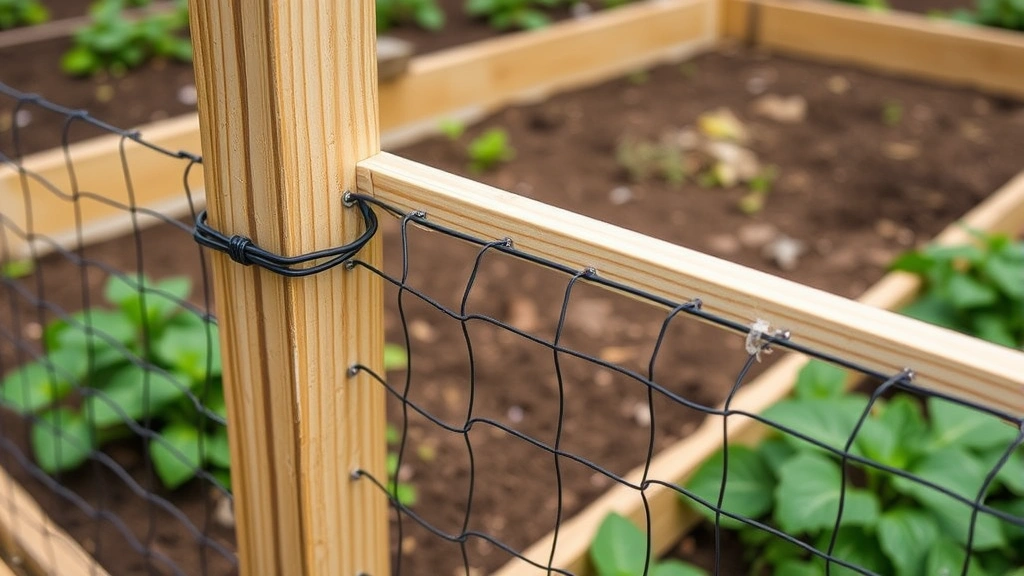
The most effective rabbit fencing is made from 1/4-inch hardware cloth or chicken wire. This small mesh size prevents even young rabbits from squeezing through, unlike larger garden fencing that leaves gaps. The fence must be at least 24-30 inches tall above ground to prevent rabbits from jumping over—rabbits can jump 3-4 feet high, but they prefer not to if they can avoid it. The real secret, however, lies below the soil line.
Extend your fencing 6-12 inches underground, bent outward at a 90-degree angle. This underground barrier stops rabbits from digging underneath, which is their preferred entry method. Many gardeners discover rabbit burrows under existing fences; these tunnels can be extensive and become highways for multiple rabbits. By creating an underground barrier, you close this escape route entirely.
Install fencing around the perimeter of your vegetable garden layout or raised beds, making sure there are no gaps at corners or gates. Rabbits are opportunistic and will exploit even small openings. Check fencing regularly for damage, especially after storms or heavy snow, which can create new entry points.

Fencing Strategies That Actually Work
Not all fencing approaches are created equal. Your fence design should match your garden type and the rabbit population in your area.
For raised garden beds: Install fencing around the entire perimeter, including underneath the bed frame itself. Rabbits will dig from outside the bed and tunnel underneath the wooden or metal frame if given the opportunity. Secure hardware cloth to the bottom of the bed frame before filling it with soil, or use it as a complete enclosure for maximum protection.
For in-ground gardens: Create a continuous barrier with hardware cloth that extends 24-30 inches above ground and 6-12 inches below. Secure it firmly to wooden stakes or metal posts, checking for any gaps or loose sections. Pay special attention to corners and gates, where rabbits often test fencing integrity.
For individual plants or rows: Create protective cages using hardware cloth rolled into cylinders. These work especially well for newly planted seedlings or valuable plants like young fruit trees. The cage should extend both above and below ground level to prevent rabbits from digging underneath.
When installing raised garden beds, consider rabbit-proofing from the start. This is far easier than retrofitting fencing after rabbits have already discovered your garden. Use hardware cloth on all sides and the bottom, creating a complete enclosure that transforms your bed into a fortress against rabbit invasion.
Underground Protection Methods
Understanding rabbit behavior underground is crucial for effective protection. Rabbits don’t just jump over fences; they’re exceptional diggers that create extensive burrow systems. A single rabbit can dig a tunnel in minutes, and they’ll exploit any weakness in underground barriers.
The most reliable underground protection involves burying hardware cloth at least 6 inches deep, though 8-12 inches is better in areas with high rabbit populations. Bend the buried portion outward at a right angle, extending it 6 inches horizontally away from the fence base. This L-shaped barrier prevents rabbits from digging straight down and then tunneling under your fence.
Some gardeners use solid barriers like plastic sheets or metal flashing instead of hardware cloth underground. These work, but they’re less flexible for installation and can disrupt water drainage. Hardware cloth offers the best combination of rabbit-proofing and water permeability.
For existing gardens where rabbits have already established burrow systems, identify the holes and collapse them. Then install barriers over the collapsed areas. This prevents rabbits from simply re-establishing the same tunnels. Flooding a burrow with water can encourage rabbits to relocate, though this is temporary unless combined with fencing installation.
Plant Selection and Rabbit-Resistant Varieties
While fencing is the most reliable solution, strategic plant selection offers an additional layer of protection. Some plants are naturally distasteful or toxic to rabbits, making them skip over these varieties for more palatable options.
Highly resistant plants include:
- Herbs: rosemary, lavender, oregano, thyme, sage (strong aromatic oils deter rabbits)
- Vegetables: garlic, onions, leeks, hot peppers (pungent flavors are unappealing)
- Flowers: snapdragons, zinnias, cleome, marigolds, impatiens
- Shrubs: boxwood, privet, barberry (tough or spiny textures)
Moderately resistant plants: Aster, coneflower, bee balm, catmint, salvia, and many ornamental grasses. These aren’t rabbit-proof but are less attractive than tender vegetables.
Extremely vulnerable plants: Peas, beans, lettuce, clover, alfalfa, young tree seedlings, and tender vegetable transplants. If you’re growing peas in your garden, fencing is non-negotiable—they’re rabbit candy.
The strategy here isn’t to avoid vulnerable plants entirely, but to combine them with resistant plants. Surround tender vegetables with aromatic herbs and tough-textured ornamentals. This creates a less-appealing landscape for rabbits while still allowing you to grow your preferred vegetables. When rabbits have options between lettuce and lavender, they’ll almost always choose lettuce, so make sure the lettuce isn’t available.
Repellents and Deterrents
Repellents work best as a supplementary tool alongside physical barriers, not as a standalone solution. Rabbits are adaptable creatures that become accustomed to tastes and smells over time, so rotating repellents maintains their effectiveness.
Commercial repellents: Products containing capsaicin (hot pepper extract) or predator urine create unpleasant sensations that discourage rabbits. Spray these on plants every 1-2 weeks or after rain. Popular options include Bobbex, Liquid Fence, and Plantskydd. These work by making plants taste bad or smell dangerous.
Homemade repellents: Mix hot pepper sauce with water and dish soap, then spray on vulnerable plants. Alternatively, soak human hair or predator urine-soaked rags around garden perimeters. While less consistent than commercial products, these are economical and often work in early season when rabbit populations are smaller.
Motion-activated deterrents: Sprinklers triggered by motion startle rabbits and condition them to avoid your garden. These work best when combined with other methods and when rabbits have alternative food sources available. Once rabbits realize the sprinkler is harmless, effectiveness diminishes.
Noise deterrents: Wind chimes, radios, and ultrasonic devices have limited effectiveness because rabbits quickly learn they pose no real threat. Use these as supplementary tools only, not primary defenses.
The psychology of repellents matters: they work best when rabbits haven’t yet established your garden as a food source. Once rabbits are accustomed to feeding in your space, they’re more likely to tolerate unpleasant tastes or smells. This is why prevention is superior to treatment—stop them before they start.
Seasonal Rabbit Prevention Tips
Rabbit pressure varies dramatically by season, requiring adjusted strategies throughout the year.
Spring (March-May): This is peak season for rabbit damage. Winter food sources have depleted, and newly emerging garden plants are tender and nutritious. Install fencing before planting and apply repellents to seedlings immediately after transplanting. Young rabbits are exploring new territory, so expect increased activity. This is when gardening tips for beginners emphasize physical barriers over deterrents.
Summer (June-August): Natural food sources are abundant in fields and wild areas, reducing rabbit interest in gardens. However, in drought conditions, garden plants become precious water sources. Maintain fencing and keep repellents applied to valuable plants. Monitor for new burrows, which indicate rabbit population growth.
Fall (September-November): Rabbits increase feeding to build fat reserves for winter. Garden vegetables are at peak attractiveness. Maintain all barriers and consider additional fencing around fall-planted crops. Young rabbits from summer litters are now independent and exploring, increasing population pressure on gardens.
Winter (December-February): Snow provides camouflage for rabbits to approach gardens, and bark becomes a primary food source. Protect young tree trunks with hardware cloth or plastic tree guards. Maintain fencing—snow can create bridges over fencing or hide gaps. In snowy regions, rabbits often use tunnels under the snow to approach plants, so underground barriers are especially important.
Creating Hostile Garden Conditions
Beyond direct rabbit barriers, you can modify your garden environment to make it less attractive to rabbits.
Remove shelter: Rabbits prefer gardens with hiding spots—brush piles, dense shrubs, and overgrown areas provide refuge. Clean up garden debris, trim shrubs to create open space underneath, and remove piles of wood or leaves. An open garden where rabbits feel exposed is less attractive than one with abundant cover.
Eliminate water sources: In dry seasons, gardens with irrigation or standing water attract rabbits. While you can’t eliminate watering entirely, minimize puddles and don’t leave hoses running. Drip irrigation is preferable to sprinklers because it doesn’t create attractive water sources.
Manage perimeter vegetation: Tall grass and weeds near your garden provide food and cover that encourages rabbits to stay nearby. Keep areas adjacent to your garden mowed and cleared. This removes the transition zone between wild habitat and your cultivated plants.
Consider companion planting: A cottage garden approach with dense plantings of mixed vegetables, herbs, and flowers can actually deter rabbits better than monocultures. The diversity is less attractive, and rabbits prefer simpler landscapes with obvious food sources.
These environmental modifications work slowly but create long-term reduction in rabbit populations. Combined with physical barriers, they form a comprehensive rabbit-prevention system.
FAQ
How high should rabbit fencing be?
Rabbit fencing should be at least 24-30 inches tall above ground. While rabbits can jump 3-4 feet, they prefer not to jump into enclosed spaces. The key is combining adequate height with underground barriers—most rabbits will dig under a fence rather than jump over it.
What’s the best material for rabbit-proof fencing?
1/4-inch hardware cloth is the gold standard because the small mesh prevents even young rabbits from squeezing through. Chicken wire works if you use very small gauge (1/2-inch or smaller), but hardware cloth is more durable and rabbit-proof.
Can I use just underground fencing without above-ground barriers?
No. Rabbits will jump over or climb through above-ground openings. You need both: underground barriers to stop digging and adequate above-ground height to prevent jumping or climbing.
Do rabbit repellents work on their own?
Repellents are most effective as supplementary tools alongside physical barriers. Used alone, they have limited effectiveness because rabbits adapt to tastes and smells, and they’re willing to tolerate unpleasant flavors for preferred foods like peas and lettuce.
What plants do rabbits absolutely won’t eat?
No plant is rabbit-proof, but aromatic herbs (rosemary, lavender, oregano), hot peppers, and tough-textured plants like boxwood are strongly avoided. Rabbits prefer tender vegetables, so if they have access to lettuce, they’ll skip the lavender.
When should I install rabbit fencing?
Install fencing before planting, ideally before spring when rabbits emerge from winter dormancy. If you’re already dealing with rabbits, install barriers immediately around vulnerable plants. Waiting allows rabbits to establish feeding patterns in your garden.
How often should I replace rabbit fencing?
Quality hardware cloth lasts 5-10 years depending on weather exposure and rust prevention. Inspect fencing regularly for damage from weather, animals, or rust. Replace sections as needed to maintain integrity.


