
Table of Contents
Introduction
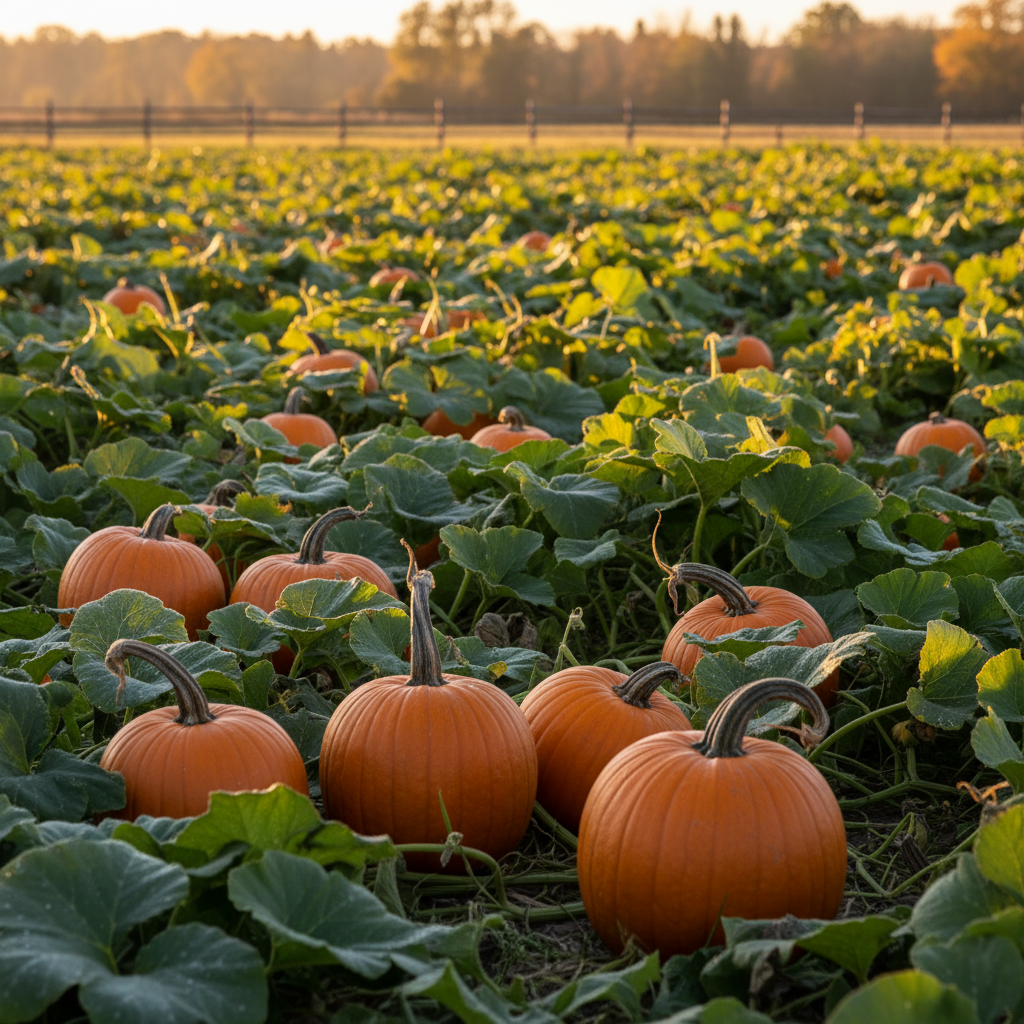
There’s something magical about growing pumpkins. Maybe it’s watching those tiny seeds transform into sprawling vines that eventually produce bright orange treasures. Or perhaps it’s the excitement of carving your very own jack-o’-lantern come October. Whatever draws you to pumpkin growing, you’re in for a treat—these plants are surprisingly rewarding to grow, whether you’re after pie filling or front porch decorations.
Here’s the thing about pumpkins: they’re not as complicated as people think. Sure, they need some space (we’re talking about plants that can sprawl across your entire garden), but once you understand what makes them happy, they’re pretty forgiving. The secret? It all starts with picking the right variety for your space and goals. Then comes soil prep—and trust me, pumpkins have opinions about their dirt. If you’re new to this whole gardening thing, checking out these essential gardening tips for beginners will set you up for success. Think of it as your gardening safety net.
Now, let’s talk about raised beds for a second. They’re like the premium seats of the gardening world—better drainage, easier access, and your back will thank you later. For pumpkins especially, this can be a game-changer if you’re dealing with heavy clay or poorly draining soil. The raised bed gardening advantages guide breaks down why this might be your best bet, particularly when you’re planning a serious pumpkin patch.
Most folks start pumpkins from seed (it’s actually pretty satisfying), but understanding different ways to get plants going can open up new possibilities. Our complete guide to plant propagation covers techniques that might spark some creative ideas for your garden. And here’s something interesting—the patience and attention to detail you need for pumpkins isn’t that different from caring for other plants. Take bonsai trees, for example. While the scale is totally different, the principles in how to care for bonsai trees about consistency and observation? Those same skills will serve you well with pumpkins.
What if you don’t have acres of space? No problem. Container growing might be your answer, and while pumpkins need bigger containers than most plants, it’s totally doable. Learning from other container success stories—like how to grow blueberries in containers—can give you insights about soil mixes, watering schedules, and container sizing that translate perfectly to pumpkin growing. It’s all about adapting techniques to work with what you’ve got.
What You’ll Learn in This Guide
We’re going to walk through everything you need to know to grow pumpkins that’ll make your neighbors jealous. No fluff, just practical advice that actually works.
- Selecting the Right Varieties: Learn how to choose pumpkin types suited for your garden’s climate and the purpose you have in mind, from decorative to culinary uses.
- Preparing and Enriching Your Soil: Understand essential soil preparation techniques, including recommended soil types, pH levels, and how to optimize growing conditions.
- Planting and Spacing: Follow detailed steps on planting times, spacing requirements, and planting depth to provide your pumpkins ample room to grow.
- Caring for Your Plants: Master watering schedules, fertilizing methods, pest and disease prevention, and general maintenance to keep your plants thriving.
Look, growing pumpkins isn’t rocket science, but there are definitely some tricks that make the difference between okay pumpkins and show-stopping ones. Whether you’ve got a huge backyard or you’re working with a few raised beds, this stuff works. And the best part? Once you get the hang of it, you’ll wonder why you waited so long to try.
We’ll also tackle the challenges that trip up most people—like dealing with squash bugs (ugh) and preventing diseases before they become problems. Because nothing’s worse than watching your beautiful vines wilt just when the pumpkins are starting to form. If you want to brush up on general gardening basics while we’re at it, those gardening tips for beginners are gold for building confidence.
Ready to turn your garden into pumpkin paradise? Let’s get started. By the end of this guide, you’ll have everything you need to grow pumpkins that are perfect for whatever you have planned—whether that’s the world’s best pumpkin pie or a Halloween display that stops traffic. Your future self (and your Instagram feed) will thank you.
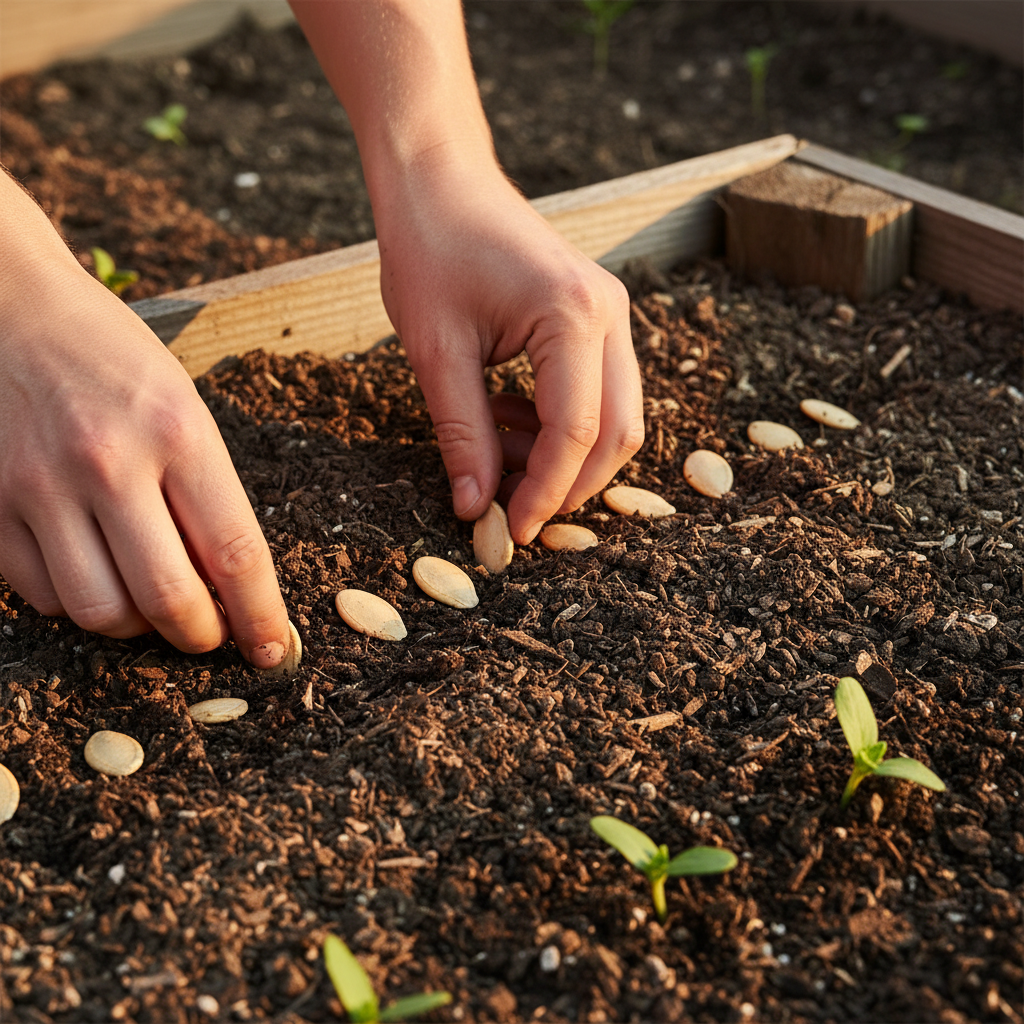
There’s something magical about growing your own pumpkins. Maybe it’s watching those tiny seeds transform into sprawling vines, or the thrill of spotting your first orange globe peeking through the leaves. Whatever draws you in, you’re about to discover that successful pumpkin growing comes down to two game-changing decisions: picking the right varieties and getting your soil just right. These aren’t just gardening basics—they’re the difference between a few scraggly vines and a patch that’ll make your neighbors do double-takes come fall.
Selecting the Right Pumpkin Varieties for Your Garden
Here’s where things get interesting—not all pumpkins are created equal. Think of pumpkin varieties like dog breeds: they all share the same basic DNA, but a Great Dane and a Chihuahua have very different needs (and very different results). Your classic Jack-o’-lantern pumpkins? Perfect for carving but pretty bland in a pie. Sugar pumpkins, on the other hand, are your kitchen workhorses—smaller, sweeter, and absolutely delicious roasted. And if you’re feeling ambitious about those county fair bragging rights, giant pumpkin varieties are your ticket to fame. Just know they’re like having a pet dinosaur—impressive, but they’ll take over your entire yard. Getting clear on what you want before you plant saves you from that “oops, wrong pumpkin” moment later. If you’re just starting out, checking out some solid gardening tips for beginners can really set you up for success.
Now, let’s talk strategy. Your end goal shapes everything—and I mean everything. Planning to make pumpkin soup all winter? You’ll want varieties with thick, flavorful flesh that won’t turn to mush when cooked. Going for pure Instagram-worthy decoration? Size and color matter way more than taste. Competition growing? That’s a whole different ball game where genetics, feeding schedules, and pure dedication separate the weekend warriors from the champions. The cool thing is, once you nail down your “why,” picking varieties becomes so much clearer. And here’s a pro tip: understanding what grows well in your area isn’t just smart—it’s essential. Resources like gardening with native plants often share insights that apply perfectly to seasonal crops like pumpkins.
Key Aspects of Pumpkin Variety Selection
Here are some important factors to consider when selecting pumpkin varieties for your garden:
- Climate Suitability: Each pumpkin variety has a preferred climate range. Selecting varieties that are well-adapted to your local weather ensures better germination, growth, and fruit development.
- Purpose-driven Choice: Whether for cooking, decoration, or competition, specific varieties excel in fulfilling these roles. Knowing your primary goal helps narrow down options efficiently.
- Space Considerations: Some pumpkins, especially giant varieties, require extensive garden space due to their sprawling vines and large fruit size. Planning for adequate spacing prevents competition for resources.
- Resistance and Hardiness: Select varieties known for resistance to common pests and diseases to reduce maintenance efforts and increase the likelihood of a successful crop.
Once you’ve got your varieties sorted, it’s time to talk about what really makes pumpkins happy: the ground they grow in. Because honestly? Great soil is like a five-star hotel for your plants—get this right, and everything else becomes so much easier.
Preparing the Soil for Healthy Pumpkin Growth
Let me tell you something about pumpkins—they’re surprisingly picky about their living conditions. These plants are basically the Goldilocks of the garden world. Too wet? Root rot. Too dry? Stunted growth. Wrong pH? Good luck getting those nutrients absorbed. The sweet spot sits right between 6.0 and 6.8 on the pH scale, with soil that drains well but holds moisture like a good sponge. Before you even think about planting, grab a soil test kit (trust me on this one). Once you know what you’re working with, you can fix any issues instead of hoping for the best. The magic ingredient? Compost. Lots of it. Think of compost as pumpkin superfood—it feeds the soil, improves drainage, and creates that rich, dark earth that makes gardeners weak in the knees. If you’re curious about soil building techniques, exploring raised bed gardening advantages might give you some brilliant ideas for creating the perfect growing environment.
Here’s where the real work begins—and it’s totally worth it. Start by clearing out anything that doesn’t belong: weeds, rocks, random debris, yesterday’s failed experiments. Pumpkins need room to breathe and spread, and competition for resources isn’t doing anyone favors. Next comes the fun part: breaking up that soil. Whether you’re wielding a tiller or going old-school with a garden fork, you want to create loose, airy soil that roots can actually penetrate. Pumpkin roots are like underground highways—they need to spread far and wide to support those massive vines and heavy fruit. Fertilizing is where timing becomes everything. Start with nitrogen to fuel vine growth, then shift focus to phosphorus and potassium when fruit starts forming. It’s like feeding an athlete—different nutrients for different training phases. Getting this balance right separates the okay pumpkin patches from the ones that stop traffic.
Key Aspects of Soil Preparation
Successful soil preparation involves several essential steps to optimize growing conditions:
- Clearing Planting Area: Remove weeds, rocks, and debris that can hinder pumpkin growth or compete for resources. A clean bed supports healthy root establishment and easier maintenance.
- Incorporating Organic Matter: Add compost, aged manure, or organic mulch to enrich soil fertility, improve moisture retention, and create a lively soil ecosystem beneficial to pumpkin roots.
- Soil Loosening: Till or gently dig the soil to aerate it, facilitating oxygen availability to roots and encouraging deep root development necessary for strong pumpkin plants.
- pH Testing and Adjustment: Regular soil testing guides amendments to maintain the soil pH between 6.0-6.8, allowing nutrient uptake efficiency and preventing nutrient lockout issues common in overly acidic or alkaline soils.
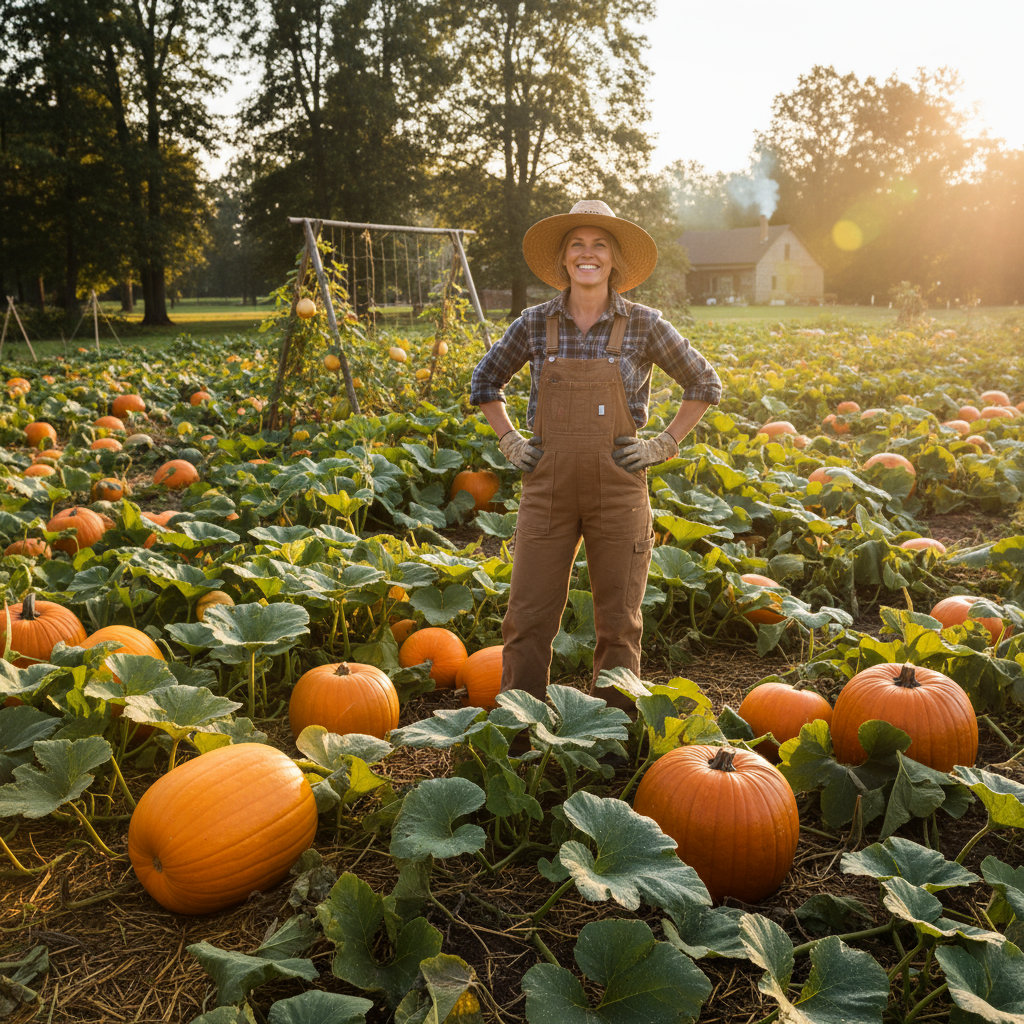
Growing pumpkins? It’s one of those gardening adventures that really pays off. Sure, you’ll need patience and a bit of know-how, but watching those vibrant orange beauties develop is pure magic. The secret starts with picking the right varieties for your space and what you want to do with them. Then comes the soil prep—and trust me, pumpkins are picky about their dirt. They want it fertile, well-draining, and with that sweet spot pH balance. Every step matters, from timing your planting just right to giving each plant enough elbow room so they’re not fighting over nutrients and sunshine.
Here’s where it gets interesting: consistent watering and smart fertilizing based on growth stages. Your pumpkins will thank you for it with vigorous growth. But don’t forget about those pesky pests and diseases—they’re always looking for an invitation to crash your pumpkin party. Stay vigilant, and you’ll keep your crop healthy and productive.
And then comes the best part—harvest time! You’ll know your pumpkins are ready when they show off that deep, rich color, develop a rock-hard rind, and sport a completely dried stem. It’s like they’re announcing, “I’m ready!” Want to avoid problems down the road? Crop rotation and good airflow are your best friends. These simple practices set you up for success year after year, whether you’re growing pumpkins for that perfect pie, Halloween decorations, or maybe even entering the county fair competition.
Ready to turn those pumpkin dreams into reality? Time to get your hands dirty. If you’re just starting out or want to brush up on the basics, check out our gardening tips for beginners—it’s packed with advice that’ll set you up for long-term success. Thinking about upgrading your garden setup? Our guide to raised bed gardening advantages shows you how better drainage and soil quality can make pumpkin growing so much easier. Want to expand your plant collection? The how to propagate plants guide has hands-on techniques you’ll love. And if space is tight, take a peek at our how to grow blueberries in containers guide for container growing inspiration that works for pumpkins too.
You’ve got everything you need to grow amazing pumpkins. Remember, gardening is all about the journey—those learning moments, the natural rhythms, even the occasional setback that teaches you something new. Embrace it all with curiosity and patience. Every pumpkin you grow tells a story of your care and dedication. There’s nothing quite like the satisfaction of harvesting something you nurtured from seed, and sharing that bounty with others? Even better. Keep exploring, stay committed, and watch your garden transform into that pumpkin paradise you’ve been dreaming about.
Frequently Asked Questions
-
How long does it take for pumpkins to grow?
- Typically, pumpkins take between 75 to 100 days from planting to harvest, depending on the variety and growing conditions.
-
Can pumpkins grow in containers?
- Yes, pumpkins can be grown in containers if the container is large enough and well-draining soil is used to support healthy root development.
-
How often should I water pumpkin plants?
- Pumpkin plants should be watered deeply once or twice a week, adjusting for weather and soil moisture to maintain consistent moisture without waterlogging.
-
What soil type is best for pumpkins?
- Well-draining, fertile soil with a slightly acidic to neutral pH (6.0 to 6.8) is ideal for vibrant pumpkin growth and nutrient uptake.
-
Can I grow pumpkins in a small garden?
- Absolutely, with proper spacing, soil preparation, and care, pumpkins can thrive even in small garden spaces.