Can You Grow Tea Plants? Gardener’s Guide
Growing your own tea plants is an exciting and rewarding gardening adventure that transforms your landscape into a personal beverage garden. Whether you dream of harvesting fresh leaves for a warm cup on a cool morning or creating a sustainable tea supply, cultivating tea plants is absolutely achievable for home gardeners. The process combines horticultural knowledge with the simple pleasure of enjoying homegrown refreshments.
Tea plants belong to the Camellia sinensis species, and they produce the leaves used to make black, green, white, and oolong tea varieties. The difference between these tea types comes not from different plants, but from how the leaves are processed after harvest. With proper care, climate conditions, and patience, you can grow these remarkable plants right in your garden and eventually produce your own delicious tea.
Understanding Tea Plants and Their Varieties
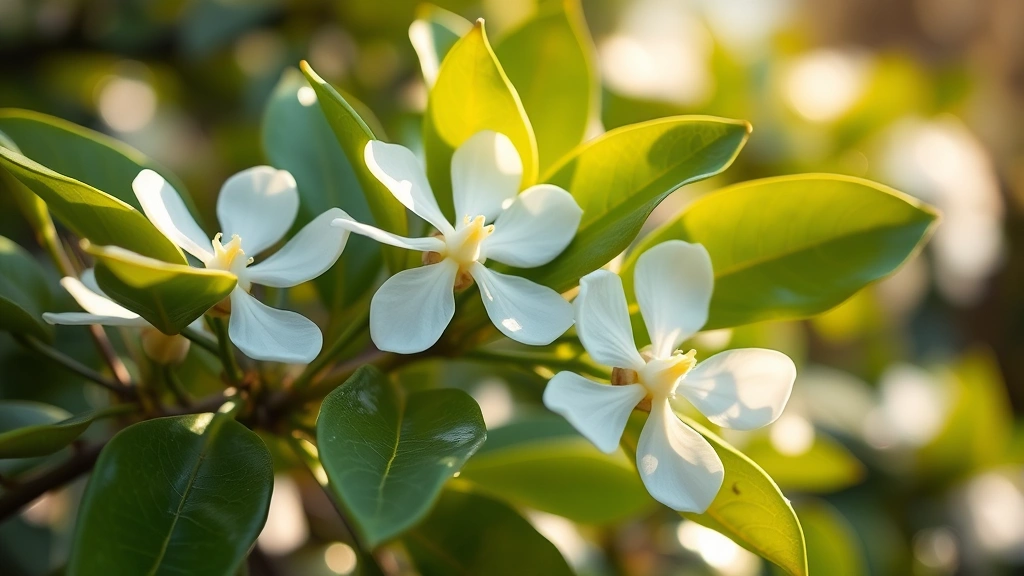
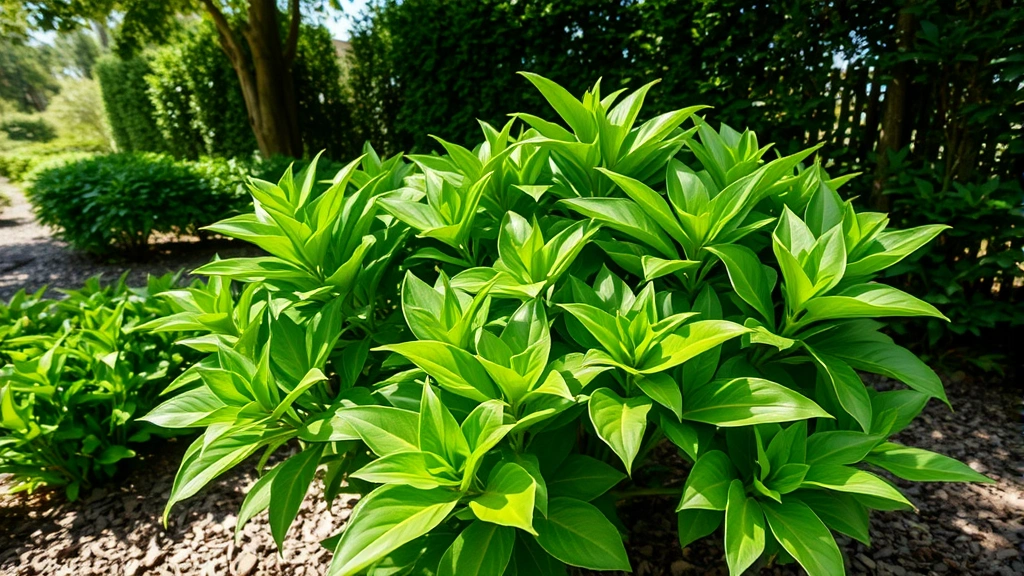
Tea plants are evergreen shrubs that can grow 3 to 6 feet tall in home gardens, though wild varieties reach much greater heights. The plant develops small, fragrant white flowers in the fall, followed by the development of new leaf growth that continues year-round in appropriate climates. Understanding the characteristics of tea plants helps gardeners make informed decisions about growing conditions and expectations.
Camellia sinensis sinensis is the Chinese variety, which tends to be hardier and more cold-tolerant, making it suitable for gardeners in cooler regions. This variety produces smaller leaves and is often used for green tea production. Camellia sinensis assamica, the Assam variety, originates from India and prefers warmer, more humid conditions. It produces larger leaves and is traditionally used for black tea. Many gardeners in moderate climates find success with hybrid cultivars that combine the hardiness of Chinese varieties with the vigorous growth of Assam types.
When selecting a tea plant, consider your local climate zone and the type of tea you prefer. Some popular cultivars for home gardeners include ‘Yabukita,’ a Japanese green tea variety, and ‘Assam,’ a traditional black tea plant. Nurseries specializing in rare or specialty plants often carry tea plant varieties suited to different regions.
Climate Requirements for Tea Plant Success
Tea plants thrive in subtropical to temperate climates with specific temperature and humidity parameters. The ideal growing zone ranges from USDA zones 7 through 11, though gardeners in zone 6 can succeed with winter protection and careful variety selection. Tea plants prefer consistent temperatures between 50°F and 85°F, with protection from hard freezes below 15°F.
Humidity plays a crucial role in tea plant cultivation. These plants appreciate moisture in the air and soil, preferring 70-80% relative humidity. If you live in a dry climate, consider creating a more humid microclimate around your tea plants through strategic placement near water features or using shade cloth to reduce water loss. Regular misting during dry periods helps maintain adequate leaf moisture.
Rainfall distribution matters significantly for tea production. Tea plants require 40-80 inches of annual rainfall, well-distributed throughout the year. If your region receives less precipitation, you’ll need to supplement with consistent irrigation. Spring rains followed by a dry summer period actually triggers the development of the most flavorful leaves, mimicking the natural tea-growing regions of Asia.
Sunlight exposure should be moderate—tea plants prefer 4-6 hours of direct sunlight daily, with afternoon shade in hotter climates. Dappled shade from nearby trees or shade cloth prevents leaf scorching while maintaining adequate light for photosynthesis and flavor development.
Soil Preparation and Garden Setup
Proper soil preparation is fundamental to tea plant success. These plants demand well-draining, acidic soil with a pH between 4.5 and 6.0. If your garden soil is alkaline, you’ll need to amend it significantly before planting. Begin by preparing your garden soil for a thriving garden with organic amendments that lower pH and improve structure.
Create a soil mixture combining peat moss, pine bark, compost, and perlite in equal parts to achieve the acidic, well-draining conditions tea plants require. This mixture prevents waterlogging while maintaining moisture retention. If using raised garden beds with breeze blocks, you can control soil composition entirely and adjust pH as needed throughout the growing season.
Incorporate 2-3 inches of aged compost into the planting area to provide organic matter and beneficial microorganisms. Tea plants benefit from mycorrhizal associations, so avoid sterilizing soil and consider adding mycorrhizal fungi inoculants at planting time. Mulching with pine needles or oak leaves maintains soil acidity while conserving moisture.
Drainage is non-negotiable—tea plants cannot tolerate soggy roots. If your garden has poor drainage, build up the planting area or create a sloped bed that directs water away from the plant’s base. Container growing in large pots (18-24 inches diameter) is an excellent alternative for gardeners with clay soil or limited space.
Planting Your Tea Plants
Spring is the optimal planting time, allowing tea plants to establish roots before summer heat and winter dormancy. Select a location that receives morning sun and afternoon shade, protected from strong winds that can damage tender new growth. Space plants 3-4 feet apart to allow mature growth and air circulation.
Dig a planting hole twice as wide as the root ball and equally deep. Gently remove the tea plant from its container, loosening the root ball to encourage outward growth. Position the plant so the top of the root ball aligns with ground level—planting too deep promotes root rot, while planting too shallow exposes roots to drying. Backfill with your prepared acidic soil mixture, pressing gently to eliminate air pockets.
Water thoroughly after planting, providing 1-2 gallons of water to settle the soil and hydrate the root system. Create a mulch ring around the plant, extending 12 inches from the base, using pine bark or composted oak leaves. This mulch layer maintains soil temperature, conserves moisture, and gradually lowers soil pH.
If you’re growing tea plants in containers, use a quality ericaceous (acid) potting mix and select pots with excellent drainage holes. Container-grown plants require more frequent watering and feeding than in-ground plants, but they offer flexibility for gardeners in unfavorable climates who can move plants indoors during severe winters.
Daily Care and Maintenance
Consistent watering is essential during the establishment phase and throughout the growing season. Tea plants prefer evenly moist soil, never waterlogged or drought-stressed. During growing season, water deeply 1-2 times weekly, depending on rainfall and temperature. Reduce watering frequency in winter when growth slows.
Fertilization supports healthy foliage production necessary for tea harvesting. Apply a balanced, acidifying fertilizer formulated for acid-loving plants in spring as new growth emerges. Use a 3-1-2 ratio fertilizer designed for azaleas, rhododendrons, or blueberries. Repeat applications monthly through mid-summer, then cease feeding to allow plants to harden off before winter.
Pruning shapes the plant and encourages bushier growth with more harvestable leaves. During the first 2-3 years, focus on developing a strong framework by removing weak or crossing branches. Once established, prune lightly after harvesting to maintain a compact 3-4 foot height. Remove any dead, diseased, or damaged wood year-round.
Regular monitoring prevents problems from escalating. Inspect leaf undersides weekly for pests, check soil moisture by inserting your finger 2 inches deep, and observe new growth for signs of nutrient deficiency. Maintaining a comfortable garden bench nearby makes regular inspection and monitoring more enjoyable, allowing you to spend quality time observing your plants’ development.
Harvesting and Processing Your Tea
Tea plants typically require 3-4 years of growth before producing harvestable quantities of leaves suitable for processing into tea. Once established, you can begin harvesting in spring when new growth appears. The youngest leaves—the terminal bud and first two leaves below it—produce the highest quality tea with the most delicate flavor.
Harvesting timing dramatically affects tea quality and flavor profile. Spring flushes, occurring as temperatures warm, produce the most prized leaves with the greatest complexity. Summer harvests yield more robust, malty flavors, while autumn flushes create lighter, more delicate teas. Hand-pick leaves early in the morning after dew dries but before afternoon heat peaks.
Processing fresh tea leaves determines the final product type. Green tea involves heating leaves immediately after harvest to prevent oxidation, preserving the green color and fresh, grassy flavor. Black tea requires withering leaves in shade for 12-24 hours, rolling them to break cell walls, then drying to complete oxidation. Oolong tea combines partial oxidation with rolling and drying techniques, creating complex fruity or floral notes.
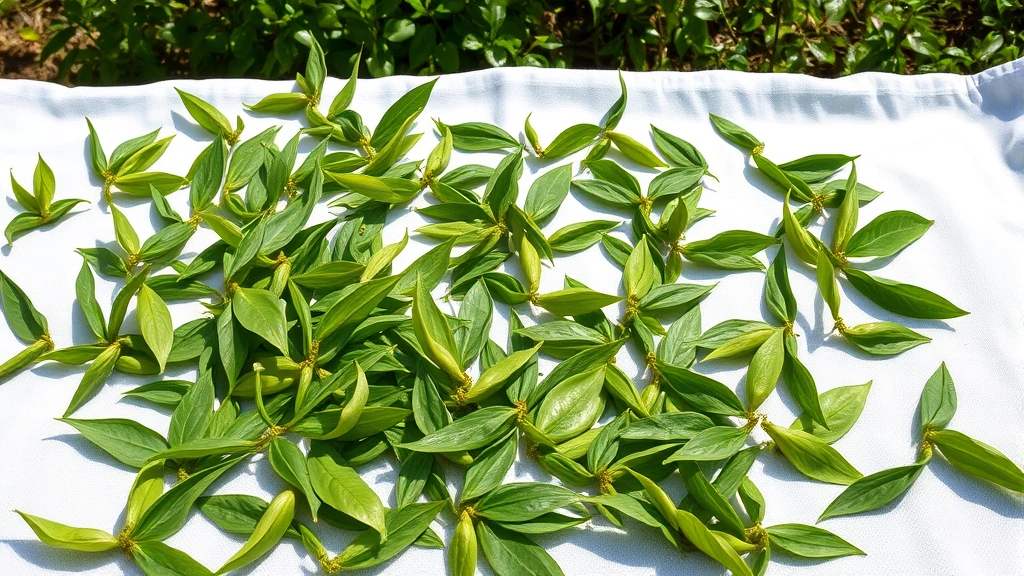
For home tea production, begin with simple sun-drying. Spread fresh leaves on clean cloth in a warm, dry location with good air circulation, turning occasionally until completely crispy. This process takes 7-14 days depending on humidity and temperature. Store dried tea in airtight containers away from light and strong odors.
Common Pests and Disease Management
Tea plants generally remain relatively pest-free compared to many ornamental plants, but several issues warrant attention. Spider mites thrive in hot, dry conditions, causing stippling on leaves and fine webbing between branches. Increase humidity through misting and ensure adequate watering to discourage infestations. Horticultural oil sprays effectively manage spider mites without harming beneficial insects.
Scale insects occasionally colonize tea plants, appearing as small bumps on stems and leaf undersides. These pests weaken plants by extracting sap. Inspect regularly and remove scale by hand using a soft brush dipped in horticultural oil. Severe infestations may require insecticidal soap applications following label directions carefully.
Root rot, caused by poorly draining soil and overwatering, represents the most serious disease threat. Prevention through proper soil preparation and drainage management is far more effective than treatment. If root rot develops, reduce watering immediately and repot container plants in fresh, well-draining soil. In-ground plants may recover if drainage improves and soil dries out somewhat.
Powdery mildew occasionally appears as a white coating on leaves during humid conditions with poor air circulation. Improve air flow through selective pruning, avoid overhead watering, and apply sulfur-based fungicides if needed. Most fungal issues resolve through improved cultural practices rather than chemical intervention.
Maintaining healthy, vigorous plants through proper nutrition, watering, and pruning prevents most pest and disease problems. Strong plants naturally resist stress-related issues and recover quickly from minor pest damage. Your role as a gardener involves creating optimal growing conditions rather than constantly battling problems.
Consider visiting a local horticultural society or university extension service for region-specific guidance on pest management and tea plant cultivation. Master gardener programs offer invaluable local knowledge and community support for specialty plant growing.
FAQ
How long does it take for tea plants to produce harvestable leaves?
Tea plants typically require 3-4 years of growth before developing enough foliage for meaningful harvests. Young plants should be allowed to establish a strong root system and woody framework before harvesting. Once mature, plants produce harvestable leaves continuously throughout the growing season.
Can you grow tea plants indoors?
While possible, indoor cultivation presents challenges due to humidity and light requirements. Greenhouse conditions with supplemental grow lights and humidification can work, but outdoor cultivation in suitable climates produces superior results. Container-grown plants offer a compromise, allowing you to move them indoors during harsh winters while maintaining outdoor growth during favorable seasons.
What’s the difference between using tea plant leaves and tea bags?
Commercial tea bags contain finely broken leaves and dust that brew quickly but offer less complexity than whole or broken leaf teas. Homegrown tea leaves, properly dried and stored, produce superior flavor and can be reinfused multiple times. Freshness and processing method dramatically affect taste compared to commercially produced teas stored for months.
Do all tea plants produce the same type of tea?
All Camellia sinensis varieties produce leaves that can be processed into any tea type, but specific varieties develop characteristics better suited to particular processing methods. Chinese varieties naturally produce excellent green teas, while Assam varieties excel as black teas. Processing technique ultimately determines tea type more than plant variety.
How much tea can one plant produce annually?
A mature tea plant yields approximately 1-2 pounds of dried tea per year, depending on climate, care, and harvest frequency. This represents roughly 100-200 cups of tea, making home cultivation economically worthwhile for dedicated tea enthusiasts. Multiple plants increase production and provide backup if weather damages one plant.
What should I use to sit and enjoy my homegrown tea?
Create a peaceful tea garden experience by setting up comfortable garden chairs and recliners near your tea plants. Enjoying your freshly brewed homegrown tea while sitting among the plants that produced it completes the gardening-to-cup experience and provides well-deserved relaxation after cultivation work.


