Can You Grow Honeysuckle? Gardener’s Guide
Honeysuckle is one of the most rewarding plants to cultivate in any garden, offering fragrant flowers, wildlife appeal, and remarkable versatility. Whether you’re a beginner or experienced gardener, honeysuckle can thrive in your landscape with proper planning and care. This comprehensive guide will walk you through everything you need to know about growing honeysuckle successfully.
The answer to whether you can grow honeysuckle is a resounding yes—for most gardeners. With over 180 species and countless cultivars available, there’s likely a honeysuckle variety perfectly suited to your climate, garden space, and growing conditions. From climbing vines that transform arbors into fragrant havens to compact shrubs that add structure to borders, honeysuckle adapts remarkably well to diverse gardening situations.
Understanding Honeysuckle Varieties
Before you start growing honeysuckle in your garden, understanding the different types available is essential. The two main categories are vining honeysuckles and shrubby honeysuckles, each with distinct characteristics and growing requirements.
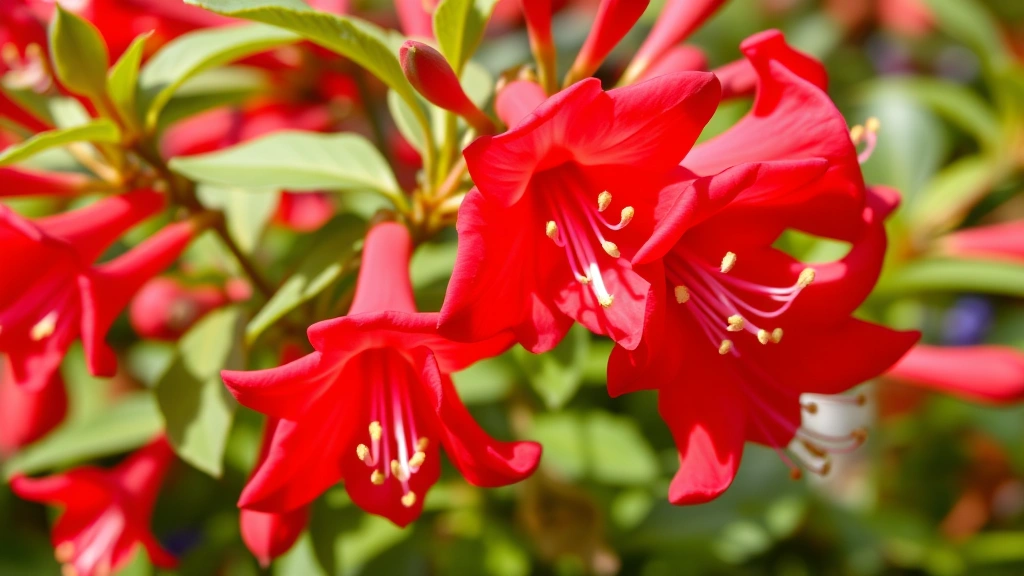
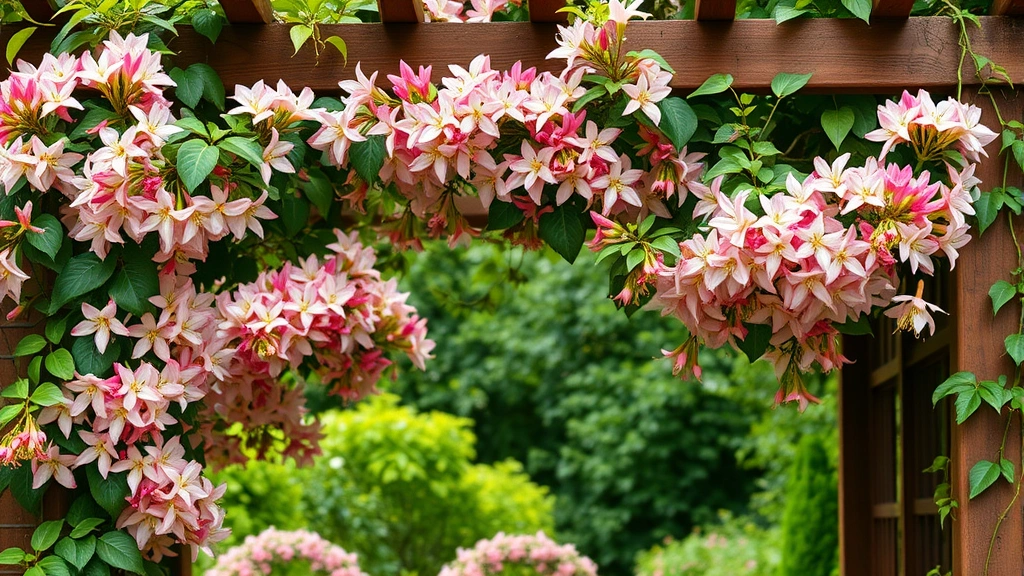
Vining honeysuckles like Lonicera japonica (Japanese honeysuckle) and Lonicera sempervirens (trumpet honeysuckle) are vigorous climbers perfect for covering structures with living beauty. These varieties excel when trained on trellises, arbors, or pergolas. Trumpet honeysuckle is particularly prized for its tubular scarlet flowers that attract hummingbirds throughout the growing season. Japanese honeysuckle, while vigorous, requires careful management in some regions where it’s considered invasive.
Shrubby varieties such as Lonicera nitida and Lonicera fragrantissima offer compact growth habits, making them ideal for borders, hedges, or foundation plantings. Winter honeysuckle blooms early in the season, providing fragrance when few other plants are flowering. These shrubby types are more manageable in smaller garden spaces and require less aggressive pruning than their vining counterparts.
Before selecting your honeysuckle variety, consult your local extension service to ensure you choose a non-invasive species appropriate for your region. Some honeysuckle varieties have become problematic in certain areas, so responsible selection is crucial for environmental stewardship.
Climate and Hardiness Zones
Honeysuckle demonstrates remarkable cold hardiness, thriving across USDA hardiness zones 4 through 11, depending on the specific variety. This broad range makes honeysuckle accessible to gardeners in nearly every climate region across North America.
Most common honeysuckle varieties tolerate temperatures as low as -30°F (-34°C), making them suitable for northern gardens. Trumpet honeysuckle performs excellently in zones 4-9, while Japanese honeysuckle thrives in zones 4-11. For gardeners in warmer climates, fragrant honeysuckle (Lonicera fragrantissima) and box honeysuckle (Lonicera nitida) offer outstanding performance in zones 6-11.
In hot summer regions, providing afternoon shade becomes increasingly important. While honeysuckle generally loves sunlight, intense afternoon heat in zones 9-11 can stress plants, particularly in southern exposures. Planting on the east or north side of structures provides morning sun while protecting from scorching afternoon rays.
Winter hardiness varies slightly among cultivars. ‘Belgica’ and ‘Serotina’ varieties of common honeysuckle are exceptionally cold-hardy, while coral honeysuckle prefers slightly warmer conditions. Understanding your specific zone and selecting accordingly ensures your honeysuckle thrives year-round.
Soil Requirements and Preparation
Honeysuckle is famously adaptable to various soil types, but optimal preparation ensures vigorous growth and abundant flowering. Unlike many ornamental plants, honeysuckle tolerates poor soil conditions, though it performs best in well-draining, moderately fertile soil with a pH between 6.0 and 7.5.
Before planting, amend your soil with organic matter such as compost or aged manure. Mix 2-3 inches of compost into the top 12 inches of native soil. This improves drainage in clay soils while increasing water retention in sandy soils. Good soil preparation is especially important if you’re establishing a raised garden bed for honeysuckle cultivation.
Honeysuckle demonstrates excellent tolerance for slightly alkaline soils, making it valuable in gardens with naturally higher pH. However, extremely acidic soils (below 5.5) may benefit from lime application. Conversely, highly alkaline soils (above 8.0) occasionally show minor nutrient deficiencies, though plants typically recover quickly.
Drainage is non-negotiable. Honeysuckle cannot tolerate waterlogged conditions, which quickly lead to root rot and fungal diseases. If your native soil is heavy clay, consider creating a slight mound or raised area for planting. The small investment in soil preparation dramatically improves long-term plant health and performance.
Planting Your Honeysuckle
Proper planting technique sets the foundation for decades of honeysuckle enjoyment. The best time to plant honeysuckle is during spring or fall, when temperatures are mild and plants can establish roots before extreme seasons arrive.
Dig a planting hole twice as wide as the root ball and equally deep. Gently remove the honeysuckle from its container and loosen the root ball with your fingers, encouraging roots to spread outward. Position the plant so the top of the root ball aligns with the soil surface—planting too deep encourages rot while planting too shallow stresses the plant.
Backfill the hole with amended soil, gently firming it to eliminate air pockets. Water thoroughly to settle soil around the roots. Apply 2-3 inches of mulch around the base, maintaining a 6-inch clearance from the stem to prevent moisture-related diseases.
For vining varieties destined for vertical structures, install sturdy support systems before planting. Honeysuckle vines become quite heavy when mature, so trellises, arbors, and pergolas must be well-constructed. Position young vines near their support structure and gently tie stems as they grow, training them in your desired direction.
Spacing depends on the variety and ultimate purpose. Shrubby types need 3-4 feet between plants, while vigorous vines can be spaced 4-6 feet apart. Remember that honeysuckle grows vigorously, so adequate spacing prevents crowding and ensures good air circulation.
Watering and Moisture Management
Establishing proper watering habits is critical during the first growing season. Young honeysuckle plants require consistent moisture to develop strong root systems, though they’re remarkably drought-tolerant once established.
During the first year, water deeply 2-3 times weekly, providing about 1-2 inches of water per week. Check soil moisture by inserting your finger 2 inches into the earth—water when it feels dry at this depth. An expandable garden hose with a spray nozzle offers convenient watering control and helps you reach plants in various garden locations.
Once established (after 12-18 months), honeysuckle tolerates considerable drought. Mature plants only need supplemental watering during extended dry periods lasting more than 3-4 weeks without rainfall. Overwatering mature honeysuckle actually reduces flowering and encourages vegetative growth at the expense of blooms.
Morning watering is preferable to evening irrigation, as it reduces disease pressure by allowing foliage to dry quickly. Drip irrigation or soaker hoses deliver water directly to root zones while minimizing leaf wetness. Avoid overhead sprinklers, which create humid conditions favoring powdery mildew and other fungal diseases.
Mulching conserves soil moisture while moderating temperature fluctuations. Maintain a 3-4 inch mulch layer (keeping it away from the stem) throughout the growing season. Organic mulches like shredded bark or wood chips gradually decompose, improving soil structure and fertility.
Sunlight Needs
Honeysuckle flourishes in full sun to partial shade conditions, offering gardeners considerable flexibility in placement. Full sun (6+ hours of direct sunlight daily) produces the most abundant flowering and most vigorous growth.
In most climates, honeysuckle performs excellently with 6-8 hours of morning and midday sun. This positioning allows plants to photosynthesize efficiently while avoiding intense afternoon heat stress in hot climates. Afternoon shade becomes increasingly valuable in zones 8-11, where summer temperatures regularly exceed 90°F.
Partial shade (3-6 hours of sunlight) is acceptable for most honeysuckle varieties, though flowering may be somewhat reduced. Honeysuckle in shade produces more foliage relative to flowers, making it useful for screening and privacy purposes. Some cultivars like ‘Halliana’ tolerate shade better than others, so variety selection matters when establishing plants in shadier locations.
Avoid deep shade (less than 3 hours of direct sun), which typically results in sparse flowering, weak growth, and increased disease susceptibility. If your desired planting location is quite shady, consider relocating your honeysuckle or modifying the site by pruning overhead tree branches to increase light penetration.
Reflected heat from light-colored walls and structures can benefit honeysuckle in cooler climates, encouraging earlier blooming and more abundant flowers. Conversely, in hot regions, positioning vines on east-facing walls provides morning sun without afternoon heat stress.
Pruning and Maintenance
Regular pruning keeps honeysuckle plants healthy, attractive, and manageable. The timing and intensity of pruning depend on your honeysuckle variety and desired form.
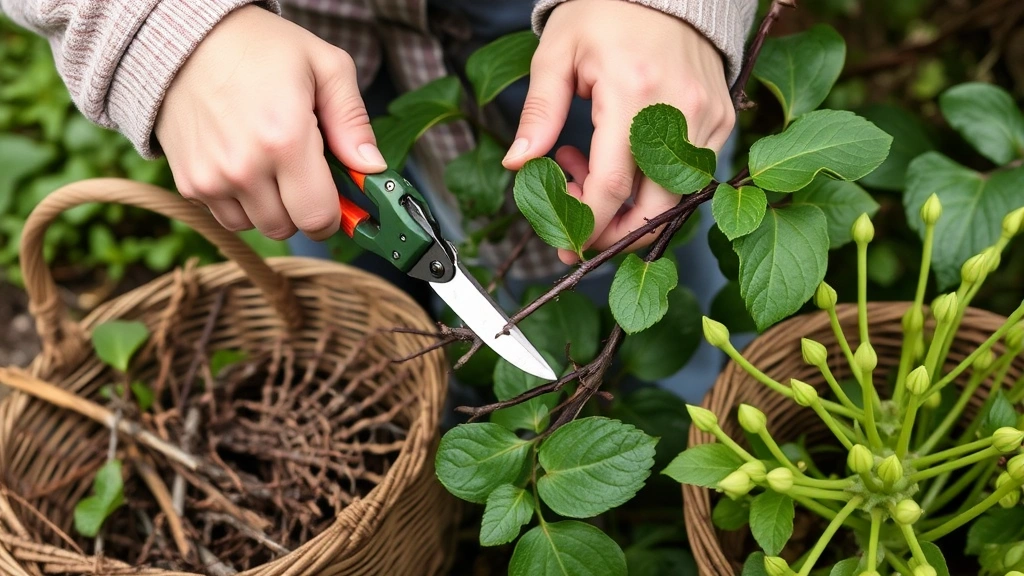
Spring is the ideal pruning season for most honeysuckle varieties, performed just as new growth emerges. Remove dead, diseased, or damaged wood first, cutting back to healthy tissue. Thin out crowded stems to improve air circulation, reducing disease pressure. For vining varieties, prune to maintain your desired shape and size, removing vigorous shoots that extend beyond intended boundaries.
Shrubby honeysuckles benefit from annual pruning to maintain compact, bushy forms. Cut back about one-third of the oldest stems to ground level, encouraging new growth from the base. This rejuvenation pruning keeps plants from becoming leggy and overgrown.
Overgrown honeysuckle vines can be rejuvenated through hard pruning. In early spring, cut the entire vine back to 12-18 inches above ground. Though this seems drastic, honeysuckle responds vigorously, producing abundant new growth that flowers prolifically within weeks. This technique works particularly well for Japanese honeysuckle and other vigorous varieties.
Deadheading (removing spent flowers) encourages continued blooming throughout the season. Pinch off flower clusters as they fade, promoting new flower bud formation. While not essential, deadheading extends the flowering period considerably.
Pruning tools matter. Use sharp, clean shears for precise cuts that heal quickly. Sterilize pruning equipment between plants using a 10% bleach solution to prevent disease transmission. Proper pruning technique prevents injury that invites pests and diseases.
Fertilizing Your Honeysuckle
Honeysuckle generally requires minimal fertilization, particularly in established plantings. Over-fertilizing actually reduces flowering by encouraging excessive vegetative growth. However, strategic feeding supports vigorous establishment and peak performance.
At planting time, incorporate a balanced, slow-release fertilizer into your soil amendment. A 5-10-10 or 10-10-10 formulation provides adequate nutrition without excess nitrogen. Work the fertilizer into the top 6-8 inches of soil before planting.
During the first growing season, apply a balanced fertilizer monthly from spring through mid-summer. Dilute liquid fertilizers to half-strength to avoid burning tender new roots. Alternatively, scratch slow-release granular fertilizer into the soil surface in spring, allowing gradual nutrient release throughout the season.
Established honeysuckle (after year two) typically needs little supplemental feeding. If foliage appears pale or growth seems sluggish, apply a balanced fertilizer in early spring. Avoid fertilizing after mid-summer, as this encourages tender new growth vulnerable to frost damage.
Organic gardeners find excellent results with compost applications. Spread 1-2 inches of finished compost around the base annually, enriching soil while improving structure. Compost also feeds beneficial microorganisms that enhance nutrient availability.
Excessive nitrogen produces lush foliage at the expense of flowers. If your honeysuckle blooms sparsely despite healthy growth, reduce nitrogen inputs and increase phosphorus through bone meal or balanced fertilizers emphasizing phosphorus (the middle number in fertilizer ratios).
Common Pests and Diseases
Honeysuckle is remarkably pest and disease resistant, particularly when grown in appropriate conditions with good air circulation. However, several issues occasionally occur, especially in stressed plants or humid environments.
Aphids frequently colonize new honeysuckle growth, particularly in spring. These small, soft-bodied insects cluster on shoot tips, causing leaf curl and sticky honeydew residue. Strong water spray from your hose dislodges aphids effectively; repeat as needed every few days. Insecticidal soap provides organic control, while neem oil works for heavier infestations.
Powdery mildew appears as white, powdery coating on leaves, particularly in humid conditions with poor air circulation. Improve drainage around plants and increase spacing to enhance airflow. Fungal sprays containing sulfur or potassium bicarbonate control established infections. Prevention through proper siting proves more effective than treatment.
Honeysuckle sawfly larvae occasionally skeletonize leaves, consuming tissue between veins. Hand-picking affected leaves and destroying them removes eggs and young larvae. Insecticidal soap targets young larvae before they cause substantial damage. Severe infestations rarely occur on healthy plants in good growing conditions.
Root rot develops when soil remains waterlogged for extended periods. Ensure excellent drainage and avoid overwatering. Once root rot establishes, it’s typically fatal—prevention through proper site preparation and watering practices is essential.
Leaf spot diseases occasionally occur during wet springs. These fungal infections cause brown or black spots on foliage. Remove affected leaves and improve air circulation. Copper fungicides provide control if needed, though most infections are cosmetic and resolve as conditions dry.
Seasonal Care Guide
Understanding seasonal requirements helps you provide optimal care throughout the year, ensuring healthy plants and abundant flowering.
Spring is the most active season for honeysuckle. As temperatures warm and days lengthen, prune plants to remove winter damage and shape growth. Apply balanced fertilizer as new leaves emerge. Begin regular watering if spring rains are insufficient. Install supports for vining varieties and begin tying in vigorous new growth.
Summer brings peak flowering for most varieties. Maintain consistent moisture during hot, dry periods, though established plants tolerate considerable drought. Deadhead spent flowers to extend blooming. Monitor for powdery mildew and other heat-related issues. Continue training vines onto supports. This is also an excellent time to expand your garden with additional honeysuckle plantings.
Fall brings reduced watering needs as temperatures cool and rainfall typically increases. Avoid heavy pruning in fall, which stimulates tender new growth vulnerable to frost. Continue deadheading if plants are still flowering. Reduce fertilizer applications to allow plants to harden off for winter. Refresh mulch layers as needed.
Winter is relatively dormant for most honeysuckle varieties. In cold climates, evergreen varieties like Japanese honeysuckle provide winter interest. Once plants are fully dormant, pruning can occur without concern about new growth. In harsh climates, protect young plants with a burlap wrap if temperatures drop below their hardiness rating. Avoid watering dormant plants unless snow is absent for extended periods.
FAQ
How long does honeysuckle take to grow?
Honeysuckle grows relatively quickly compared to many woody plants. Young plants establish visible growth within the first growing season. Vining varieties typically reach 10-15 feet within 3-4 years, while shrubby types fill in within 2-3 years. Flowering often begins in the second year for container-grown plants.
Can I grow honeysuckle in containers?
Yes, honeysuckle thrives in containers, particularly compact shrubby varieties. Use a large pot (at least 18-24 inches diameter) with excellent drainage holes. Fill with quality potting soil and water regularly, as container soil dries faster than garden soil. Container honeysuckle requires more frequent fertilizing and watering but offers flexibility for moving plants or creating portable garden displays.
Is honeysuckle invasive?
Some honeysuckle varieties, particularly Japanese honeysuckle, are considered invasive in certain regions. Before planting, check with your local USDA office or extension service for recommendations. Trumpet honeysuckle, fragrant honeysuckle, and box honeysuckle are generally non-invasive alternatives. Even vigorous varieties can be managed through regular pruning and monitoring.
When should I plant honeysuckle?
Spring and fall are ideal planting times when temperatures are mild and moisture availability is good. Spring planting (March-May) allows plants to establish roots before summer heat. Fall planting (September-November) gives plants autumn and winter to develop root systems before spring growth. Avoid planting during summer heat or winter cold extremes.
How much sunlight does honeysuckle need?
Honeysuckle performs best with 6-8 hours of direct sunlight daily. It tolerates partial shade (3-6 hours of sun) though flowering may be reduced. Avoid deep shade, which results in sparse flowering and weak growth. In hot climates, afternoon shade is beneficial to prevent heat stress.
What’s the difference between honeysuckle varieties?
Main differences include growth habit (vining vs. shrubby), hardiness, flowering time, and flower color. Vining varieties climb structures and provide vertical interest, while shrubby types work well in borders. Trumpet honeysuckle attracts hummingbirds, while fragrant varieties are prized for scent. Research specific cultivars to find the best match for your garden conditions and aesthetic preferences.
How often should I water honeysuckle?
Young plants need consistent moisture, about 2-3 times weekly during the first year. Established plants (after 18 months) tolerate drought well and only need supplemental watering during extended dry periods. Water deeply rather than frequently, encouraging deep root development. Morning watering reduces disease pressure.
Can I grow honeysuckle from cuttings?
Yes, honeysuckle propagates readily from softwood cuttings taken in early summer. Cut 4-6 inch stems just below a leaf node, remove lower leaves, and insert into moist potting soil. Cover with a plastic dome or bag to maintain humidity. Roots develop within 3-4 weeks. Harden off rooted cuttings gradually before transplanting outdoors.


