Indoor Herb Garden Success: Top Horticulturist Advice
Growing an herb garden indoors transforms your kitchen into a fresh-herb oasis while providing year-round access to basil, mint, parsley, and dozens of other culinary favorites. Whether you’re a seasoned gardener or complete beginner, creating a thriving indoor herb garden requires understanding light conditions, moisture management, and proper container selection. This comprehensive guide combines expert horticulturist insights with practical strategies to help you cultivate vibrant herbs right in your home.
Indoor herb gardening has exploded in popularity over the past decade, and for good reason. Fresh herbs elevate cooking, reduce grocery expenses, and bring the satisfaction of growing your own food indoors. However, success depends on replicating the conditions these Mediterranean and tropical plants need to flourish. With the right setup and knowledge, you can enjoy fresh-picked herbs year-round, regardless of outdoor climate or season.
Lighting Requirements for Indoor Herbs
Light represents the most critical factor in indoor herb gardening success. Most culinary herbs evolved in Mediterranean climates with intense, direct sunlight—typically 6 to 8 hours daily. Indoor environments rarely provide this naturally, making supplemental lighting essential for robust growth.
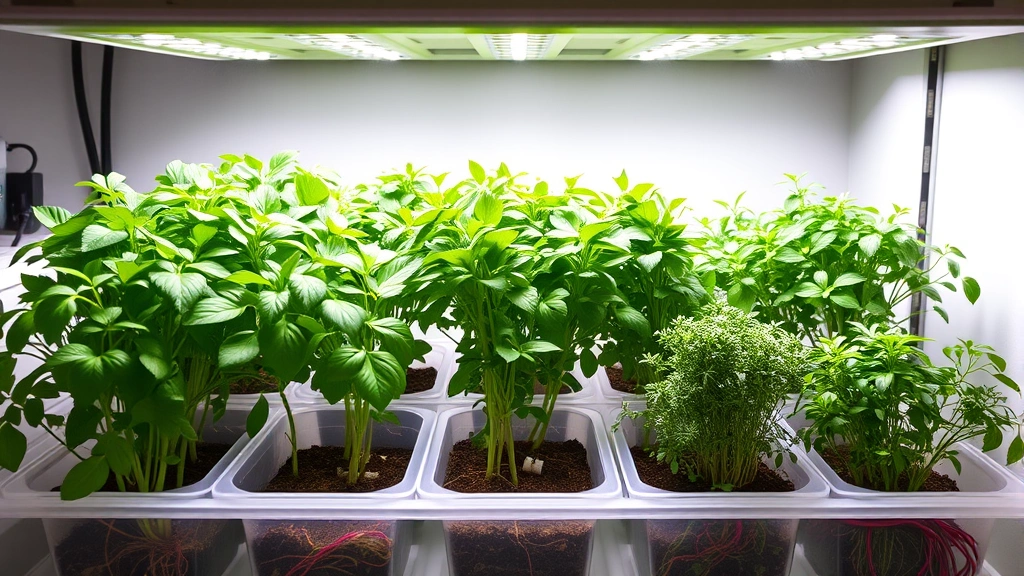
South-facing windows offer the best natural light, particularly during winter months. If you lack adequate window space, LED grow lights are game-changers for indoor herb cultivation. Full-spectrum LED lights mimic natural sunlight and consume minimal electricity compared to older fluorescent options. Position lights 6 to 12 inches above herb foliage and maintain 14 to 16 hours of daily illumination for optimal photosynthesis.
Different herbs have varying light tolerances. Basil, oregano, and thyme crave intense light and perform best under grow lights or bright south-facing windows. Mint, parsley, and chives tolerate partial shade better and can survive with 4 to 6 hours of quality light daily. Monitor leaf color—pale or yellowing leaves indicate insufficient light, while leaf scorching suggests excessive intensity.
Choosing the Right Containers and Growing Medium
Container selection dramatically impacts drainage, root health, and overall plant vigor. Choose pots with drainage holes at the bottom—never use sealed containers, as waterlogging causes root rot and fungal diseases. Terracotta pots offer excellent breathability but dry quickly, requiring frequent watering. Plastic containers retain moisture longer and suit busy gardeners. Fabric pots provide superior air circulation to roots and prevent compaction.
For sizing, select containers 6 to 8 inches in diameter for individual herb plants. Larger containers accommodate multiple herbs but risk overwatering due to excessive soil volume. Prepare quality growing medium by combining components thoughtfully. Standard potting soil alone often compacts and retains too much moisture indoors where evaporation rates differ from outdoor gardens.
Create an ideal growing mix by blending: 40% high-quality potting soil, 30% coconut coir (or peat moss), 20% perlite, and 10% compost. This combination provides nutrients while maintaining excellent drainage and aeration. Avoid garden soil, which contains clay and compacts in containers. Quality fertilizer additions can be incorporated into the initial mix or applied later as needed.
Watering and Humidity Management
Indoor herb watering requires finesse—the challenge isn’t providing enough water but avoiding excess. Overwatering kills more indoor herbs than any other factor. Check soil moisture before watering by pressing your finger 1 inch into the medium. Water only when soil feels dry at this depth.
Most culinary herbs prefer slightly moist but never soggy conditions. Water thoroughly until liquid drains from container bottoms, then allow excess to drain completely. This flushes accumulated salts and ensures adequate root hydration. During growing season (spring and summer), herbs typically need water every 2 to 4 days, depending on light intensity, temperature, and humidity.
Winter watering decreases significantly as growth slows and evaporation declines. Reduce watering frequency but never allow soil to become bone-dry for extended periods. Use room-temperature water—cold water shocks tropical herbs and can cause leaf spotting and wilting.
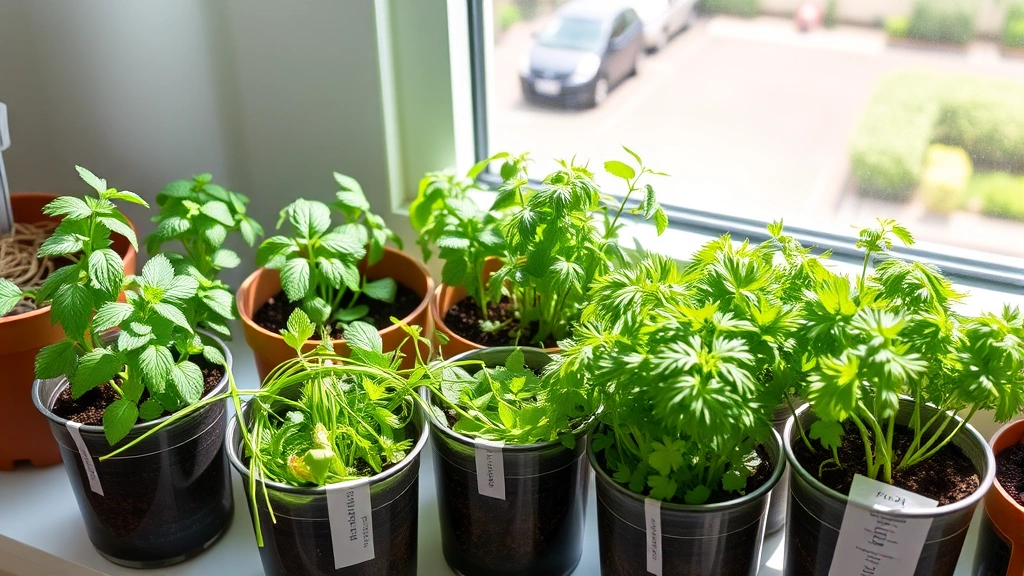
Indoor environments typically have lower humidity than outdoor gardens, which stresses herb foliage and invites spider mites and other pests. Increase humidity by grouping herb containers together (creating a microclimate), placing saucers filled with water beneath pots, or using a small room humidifier. Avoid misting foliage, which promotes fungal diseases in stagnant indoor air. Improved air circulation from a small fan helps moisture evaporate from leaves while strengthening stems.
Temperature and Air Circulation
Most culinary herbs thrive in temperatures between 65 and 75 degrees Fahrenheit during the day, with 10 to 15 degree drops at night. Indoor homes typically provide stable temperatures within this range, but avoid placing herb gardens near heating vents, air conditioning units, or cold windows during winter. Drafts and temperature fluctuations cause stress, weakened growth, and increased pest susceptibility.
Air circulation prevents fungal diseases and strengthens herb stems, encouraging stockier, bushier growth. A small oscillating fan running on low speed for 2 to 4 hours daily significantly improves plant health. Position fans to create gentle movement without harsh, direct wind. This mimics outdoor breezes that naturally strengthen plant tissues.
Proper ventilation also reduces humidity around foliage, preventing powdery mildew and other moisture-loving pathogens. Ensure your indoor herb garden location allows some air exchange—slightly cracked windows or room fans maintain healthy growing conditions without temperature stress.
Fertilizing Your Indoor Herbs
Container-grown herbs exhaust available nutrients faster than garden-soil herbs because water leaches nutrients through drainage holes. Regular fertilization maintains vigor and productivity. Begin fertilizing 4 to 6 weeks after planting, once herbs establish strong root systems.
Choose balanced, water-soluble fertilizers formulated for vegetables or herbs, with NPK ratios like 5-5-5 or 10-10-10. Apply at half the recommended strength every 2 to 3 weeks during active growth (spring and summer). Reduce fertilizing in fall and winter when growth naturally slows. Over-fertilizing causes excessive leafy growth with reduced flavor intensity and increased pest problems.
Organic fertilizer options include fish emulsion, seaweed extract, and compost tea. These provide slow-release nutrients and beneficial microorganisms that enhance soil health. Proper fertilization strategies adapted to indoor conditions ensure consistent productivity without nutrient deficiencies or toxicity.
Best Herbs for Indoor Growing
Certain herbs adapt exceptionally well to indoor environments and reward beginners with reliable success. Basil tops the list—this tender annual thrives under grow lights, produces abundantly, and enhances countless dishes. Pinch growing tips regularly to encourage bushy growth rather than tall, leggy plants.
Mint grows vigorously indoors and tolerates lower light than most herbs. Keep mint in separate containers because aggressive roots outcompete neighboring plants. Peppermint and spearmint both excel indoors and provide culinary and medicinal uses.
Parsley handles indoor conditions reasonably well, though it grows slower than basil. Both flat-leaf and curly varieties succeed with 4 to 6 hours of quality light daily. Chives are nearly foolproof—they tolerate shade better than other herbs and provide continuous harvests when grown indoors.
Oregano and thyme prefer bright light and drier conditions than tender herbs. These Mediterranean natives appreciate good drainage and moderate watering. They grow slowly but produce flavorful leaves for months.
Cilantro thrives indoors with adequate light but bolts (flowers and sets seed) quickly in warm conditions. Succession planting every 3 to 4 weeks provides continuous fresh harvests. Rosemary grows indoors but requires intense light and excellent drainage. Patience rewards you with years of aromatic foliage.
Common Problems and Solutions
Leggy, Weak Growth: Insufficient light causes this most common problem. Move herbs closer to windows, add supplemental grow lights, or extend daily light duration. Increase air circulation with a small fan to strengthen stems.
Yellow Leaves: Overwatering, poor drainage, or nutrient deficiencies cause yellowing. Check soil moisture, verify drainage holes function properly, and begin fertilizing if herbs haven’t been fed recently. Nitrogen deficiency causes older leaves to yellow first.
Spider Mites: Low humidity and warm temperatures invite these tiny pests. Increase humidity, improve air circulation, and spray affected foliage with neem oil or insecticidal soap. Isolate infested plants from healthy herbs.
Powdery Mildew: This fungal disease thrives in stagnant air and moderate humidity. Improve ventilation, reduce watering frequency, and avoid wetting foliage. Remove affected leaves and treat with sulfur dust or baking soda solution.
Slow Growth: Inadequate light, cold temperatures, or nutrient deficiencies slow development. Verify lighting meets requirements (6 to 8 hours minimum), maintain temperatures between 65 and 75°F, and apply balanced fertilizer every 3 weeks.
Bolting (Flowering): Cilantro and parsley flower prematurely when stressed by heat or drought. Maintain consistent moisture, provide adequate light without excessive heat, and harvest regularly to delay flowering.
For specific pest identification and management, consult your local Master Gardener Program, which provides free horticultural advice tailored to your region.
FAQ
Can I grow herbs indoors without grow lights?
Yes, if you have a bright south-facing window providing 6 to 8 hours of direct sunlight daily. However, grow lights dramatically improve success, especially during winter months. They’re relatively inexpensive and enable year-round productivity.
How often should I harvest indoor herbs?
Begin harvesting once plants develop 6 to 8 true leaves. Regular harvesting encourages bushier growth and higher productivity. Pinch off flower buds to extend the leafy growth phase. Never remove more than one-third of foliage at once.
What’s the best potting soil for indoor herbs?
A homemade blend of potting soil, coconut coir, perlite, and compost provides excellent drainage and aeration. Pre-made seed-starting mixes also work well. Avoid heavy garden soil, which compacts and retains excessive moisture indoors.
Can I propagate indoor herbs from cuttings?
Absolutely! Basil, mint, oregano, and other herbs root easily in water or moist potting medium. Take 4 to 6-inch cuttings from healthy stems, remove lower leaves, and place in water or soil. Roots develop within 1 to 2 weeks for most species.
How do I prevent my indoor herbs from getting leggy?
Provide sufficient light (6 to 8 hours daily), maintain warm temperatures (65 to 75°F), and improve air circulation with a fan. Pinch growing tips regularly to encourage lateral branching instead of vertical growth. Reduce watering slightly to avoid excessive nitrogen-driven growth.
Is it better to grow herbs from seeds or transplants?
Both work well. Seeds offer cost savings and variety selection but require more time and attention to lighting. Transplants establish faster and provide quicker harvests. Beginners often succeed better with healthy transplants from garden centers.
Can I grow herbs year-round indoors?
Yes! Supplemental lighting enables year-round indoor herb cultivation. Without grow lights, winter growth slows significantly due to reduced natural light. Many gardeners reduce harvesting in winter and accelerate production in spring and summer when light naturally increases.


