Beginner’s Herb Garden? Pro Tips Inside
Starting an herb garden is one of the most rewarding ways to begin your gardening journey. Whether you dream of fresh basil for pasta, aromatic rosemary for roasted vegetables, or soothing chamomile tea, growing herbs at home puts flavorful, fragrant plants right at your fingertips. The best part? Herbs are forgiving plants that thrive even when you’re new to gardening, making them perfect for beginners who want to build confidence before tackling more demanding crops.
An herb garden doesn’t require extensive space, expensive equipment, or years of experience. A sunny windowsill, a small raised bed, or even a few containers can become a productive herb-growing operation. Herbs grow quickly, reward consistent care with abundant harvests, and transform your cooking and home atmosphere. This comprehensive guide will walk you through everything you need to know to establish a thriving herb garden, from selecting the right varieties to harvesting and preserving your bounty.
Whether you’re interested in easy-to-grow vegetables for beginners or want to focus exclusively on culinary herbs, understanding the fundamentals of herb gardening will set you up for success. Let’s explore how to create your perfect herb garden.

Why Start an Herb Garden
Growing your own herbs offers advantages that store-bought varieties simply cannot match. Homegrown herbs are fresher, more flavorful, and harvested at peak potency compared to herbs that have spent days in transit and storage. When you clip fresh basil, oregano, or thyme minutes before cooking, you’re accessing the full spectrum of essential oils and flavors that make these plants so valuable in the kitchen.
Beyond culinary benefits, an herb garden provides medicinal and wellness advantages. Mint aids digestion, chamomile promotes relaxation, and lavender soothes anxiety and promotes better sleep. Growing these plants yourself ensures you know exactly how they were cultivated—no pesticides or synthetic fertilizers unless you choose them.
Economically, an herb garden pays for itself quickly. A single basil plant produces more leaves than you’d buy in several grocery store packages, and perennial herbs like rosemary and thyme provide harvests year after year. Herbs also make excellent gifts and can inspire friends and family to start their own gardens.
From a gardening perspective, herbs teach fundamental skills applicable to all plants. You’ll learn about how to prepare garden soil for a thriving garden, understand watering needs, recognize nutrient deficiencies, and develop the observational skills that make successful gardeners. These lessons transfer directly to vegetable and ornamental gardening.
Best Herbs for Beginners
Not all herbs are created equal when it comes to beginner-friendliness. Some herbs practically grow themselves, while others demand specific conditions. Start with these proven winners:
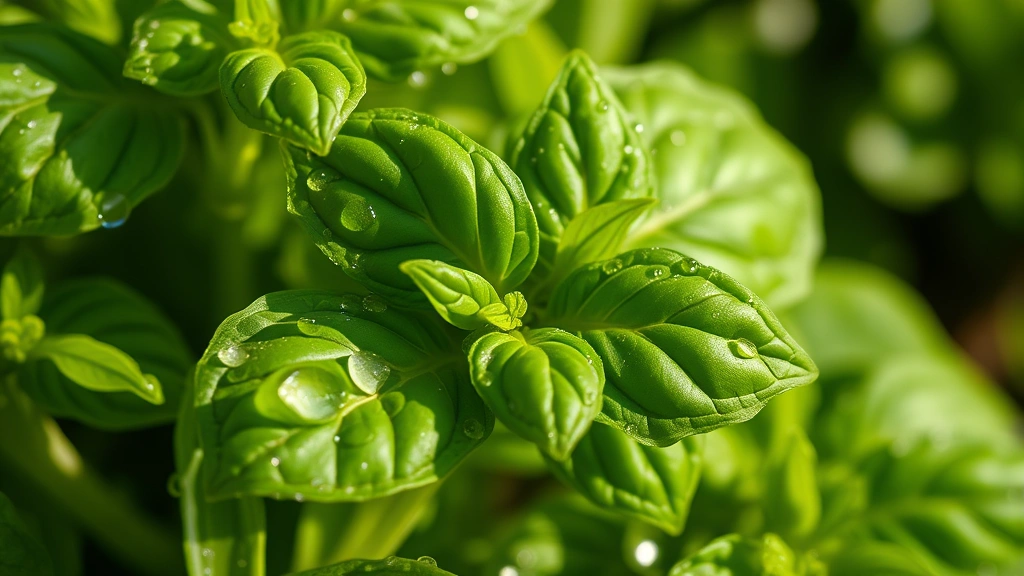
Basil is the quintessential beginner herb. This annual grows rapidly from seed, produces abundant leaves within weeks, and thrives in warm conditions with plenty of sunlight. Sweet basil is the most common variety, but you can experiment with Thai basil, lemon basil, and purple basil once you gain confidence.
Mint is nearly impossible to kill. This perennial spreads vigorously (sometimes too vigorously), making it perfect for beginners. Peppermint and spearmint are the most popular varieties. The only challenge with mint is containing its growth, which is why many gardeners grow it in separate containers.
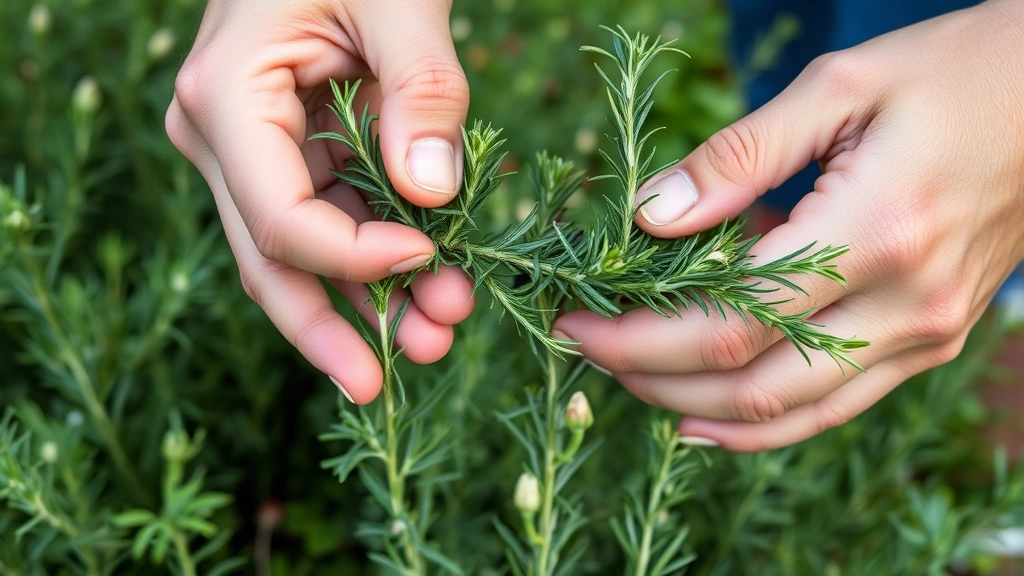
Rosemary is a woody perennial that tolerates neglect better than most herbs. It prefers dry conditions and actually performs worse with excessive watering. Once established, rosemary provides harvests for years with minimal intervention. Rosemary’s needle-like leaves are perfect for roasted vegetables, breads, and Mediterranean dishes.
Thyme is another hardy perennial that thrives on neglect. This low-growing herb produces tiny but flavorful leaves and beautiful flowers that attract pollinators. Thyme tolerates poor soil and dry conditions, making it ideal for beginners who forget to water occasionally.
Oregano and Marjoram are related perennials that grow similarly to thyme. Both are drought-tolerant once established and produce abundant leaves for culinary use. Oregano is more robust and flavorful, while marjoram is milder and more delicate.
Parsley is a biennial that germinates slowly but grows steadily once established. Both flat-leaf (Italian) and curly parsley are beginner-friendly. Parsley is rich in vitamins and adds nutritional value to any meal.
Cilantro grows quickly and provides fresh leaves within weeks. This herb prefers cooler temperatures, so plant it in spring and fall for best results. Many people love cilantro while others find it soapy-tasting—try it before committing extensively.
Chives are perennial bulbs that produce mild onion-flavored leaves and beautiful purple flowers. Chives spread gradually and return reliably year after year, making them set-and-forget herbs.
Sage is a woody perennial with velvety leaves and excellent flavor. Like rosemary and thyme, sage prefers drier conditions and requires minimal maintenance once established. Sage’s strong flavor means a little goes a long way in cooking.
Choosing Your Growing Location
Sunlight is the most critical factor for successful herb gardening. Most culinary herbs require six to eight hours of direct sunlight daily. Without adequate light, herbs become leggy, weak, and less flavorful. The oils that give herbs their distinctive tastes and aromas develop most fully in sunlight.
Assess your home and outdoor spaces for sunny locations. South-facing windowsills receive the most consistent sunlight throughout the day. If you lack indoor window space, south or west-facing garden beds, patios, or balconies work excellently. East-facing locations provide morning sun, which is gentler than afternoon sun and works for most herbs, though afternoon sun is generally preferable.
If your home is naturally shady, consider grow lights. Modern LED grow lights consume minimal electricity while providing plants with the light spectrum they need for healthy growth. Position lights 6-12 inches above plants and operate them 12-16 hours daily.
Temperature is another important consideration. Most herbs prefer temperatures between 60-75°F, though many tolerate cooler winters. Tender annuals like basil need warmth and will decline or die if exposed to frost. Hardy perennials like rosemary and thyme tolerate cold better but still appreciate protection from harsh winter conditions in northern climates.
Wind can be beneficial or problematic depending on intensity. Gentle air circulation strengthens herb stems and reduces fungal disease risk. Strong winds, however, dry out plants excessively and damage tender growth. If you’re gardening on a windy patio or balcony, provide some shelter or windbreak.
Consider establishing an herb garden near your kitchen for convenience. When herbs are steps away, you’re more likely to harvest them regularly, which encourages bushier growth and prevents flowering. Kitchen gardens also make harvesting quick and easy while cooking.
Soil and Container Essentials
Herb garden success depends heavily on proper soil composition. Herbs generally prefer well-draining soil that doesn’t retain excessive moisture. Soggy soil leads to root rot, the primary killer of herb plants. If you’re using containers, quality potting soil is essential.
For container gardening, use a commercial potting mix rather than garden soil. Potting mixes contain perlite or vermiculite that improves drainage while retaining adequate moisture. Garden soil compacts in containers and drains poorly, creating conditions that stress and kill herbs.
Container size matters more than many beginners realize. Small containers dry out quickly and force plants into constant stress. Use containers at least 6-8 inches in diameter for most herbs, with larger containers (10-12 inches) for perennials like rosemary and sage. Ensure containers have drainage holes—this is non-negotiable.
If you’re gardening in raised beds or ground beds, amend native soil with compost or aged manure. Most herbs prefer slightly lean soil—over-fertilized plants produce excessive foliage but less flavorful leaves. A good starting point is mixing 50% native soil with 50% compost, then adding perlite if drainage seems poor.
Soil pH matters for some herbs. Most prefer slightly acidic to neutral pH (6.0-7.0), though they tolerate a wider range than many plants. If you’re concerned about pH, test your soil through your local extension service or with an inexpensive home test kit.
When establishing raised bed gardening, fill with quality soil mix rather than filling the bottom with rocks or logs. Herbs need adequate root space and proper drainage throughout the bed.
Planting Your Herbs
You have two primary options for starting an herb garden: seeds and transplants. Seeds are economical and offer variety, but require patience and consistent care. Transplants (seedlings or nursery plants) establish quickly and provide faster harvests, making them ideal for beginners.
If planting seeds, start indoors 6-8 weeks before your last spring frost for tender annuals like basil. Fill seed trays with seed-starting mix, plant seeds at the depth indicated on the packet, and maintain consistent moisture until germination. Once seedlings develop true leaves, provide bright light and good air circulation.
When transplanting seedlings outdoors, harden them off first by gradually exposing them to outdoor conditions over 7-10 days. Start with 1-2 hours of outdoor time, gradually increasing exposure. This prevents transplant shock and adjusts plants to outdoor conditions.
For transplants from nurseries, gently remove plants from pots and loosen the root ball before planting. Position plants at the same depth they grew in their containers. Water thoroughly after planting to settle soil and eliminate air pockets.
Space herb plants according to their mature size. Basil and other upright herbs need 8-12 inches between plants. Sprawling herbs like thyme and oregano need 12-18 inches. Crowded plants compete for nutrients and develop fungal diseases from poor air circulation.
Plant perennial herbs like rosemary, sage, and thyme in fall or early spring when soil is workable and plants can establish roots before summer heat. Annual herbs like basil plant after your last frost date when soil and air warm up.
Watering and Feeding
Watering is where most beginning herb gardeners struggle. The key is understanding that most herbs prefer slightly dry conditions to soggy soil. Water when the top inch of soil feels dry to the touch. For container plants, this might mean daily watering during hot weather, but only twice weekly during cool seasons.
Water deeply but infrequently. Shallow, frequent watering encourages shallow root systems and fungal problems. When you water, water until it drains from the bottom of containers. This ensures moisture reaches all roots and flushes out accumulated salts.
Water at the soil level rather than overhead. Wet foliage promotes fungal diseases like powdery mildew. Early morning watering is ideal—it allows any foliage moisture to dry quickly as temperatures rise.
Feeding is straightforward for herbs. Most don’t need heavy fertilization. In fact, over-fertilized herbs develop excessive foliage at the expense of flavor. If plants seem pale or growth slows, apply a balanced, diluted fertilizer (like half-strength fish emulsion) monthly during the growing season.
Container plants benefit from occasional feeding since frequent watering leaches nutrients from potting mix. Ground-planted herbs in amended soil rarely need fertilizer beyond the initial compost addition.
Mulching helps retain moisture and regulate soil temperature. Apply 1-2 inches of organic mulch (straw, shredded leaves) around plants, keeping it away from stems to prevent rot. Mulch is particularly helpful in raised beds and ground gardens.
Pruning and Harvesting
Proper harvesting and pruning techniques ensure herbs remain productive and attractive. The fundamental rule: pinch off the top 1/4 inch of growth regularly. This encourages bushier plants with more branches and more harvestable leaves.
Never strip all leaves from a plant. Always leave at least 1/3 of the foliage so plants can photosynthesize and recover. Harvest from the top down, which naturally encourages branching and bushiness.
For leafy herbs like basil and mint, pinch off flower buds as they form. Flowering diverts energy from leaf production and changes flavor. Once herbs flower and set seed, leaf production typically declines and flavor becomes bitter.
For herbs grown primarily for flowers (like chamomile), allow flowering but harvest flowers at peak bloom when they’re just opening.
Harvest in the morning after dew dries but before heat stress wilts plants. Herbs harvested in morning are most flavorful and aromatic because essential oil concentrations are highest.
Regular harvesting keeps plants productive. Basil can be harvested continuously throughout summer if you pinch it regularly. Perennials like rosemary and thyme can be harvested year-round, though growth slows in winter.
As perennial herbs mature, they can become woody and less productive. Prune them more heavily in early spring to rejuvenate growth. Cut back rosemary and sage by 1/3 to 1/2 their size in spring—they’ll quickly regrow with fresh, tender leaves.
Common Pest and Disease Solutions
Healthy herbs grown in proper conditions rarely suffer serious pest or disease problems. However, understanding common issues helps you respond quickly if problems develop.
Powdery Mildew appears as white powder on leaves, typically developing in warm, humid conditions with poor air circulation. Prevent it by watering at soil level, spacing plants adequately, and providing good air movement. If it develops, remove affected leaves and improve conditions.
Root Rot is caused by overwatering and poor drainage. Prevent it by using well-draining soil and avoiding soggy conditions. If a plant develops root rot, reduce watering immediately and consider repotting in fresh soil.
Spider Mites occasionally attack herbs, especially indoors under grow lights. These tiny pests create fine webbing and cause stippled leaves. Spray affected plants with water to dislodge mites, or use insecticidal soap if infestations are severe.
Aphids cluster on new growth and suck plant juices. A strong spray of water often removes them. For persistent infestations, neem oil or insecticidal soap works well. Always follow label directions carefully.
Whiteflies are small white insects that congregate on leaf undersides. Yellow sticky traps help control them, and insecticidal soap provides control if populations explode.
The best pest management approach is prevention: maintain healthy plants, provide proper growing conditions, ensure good air circulation, and inspect plants regularly. Healthy, vigorous herbs resist pests and diseases far better than stressed plants.
Preserving Your Herb Harvest
When your herb garden produces abundantly, preservation extends the harvest year-round. Several methods work well for different herbs.
Drying is the simplest preservation method. Tie herb stems in small bundles and hang them upside down in a warm, well-ventilated location away from direct sunlight. Alternatively, arrange leaves on a screen in a warm room. Once completely dry, crumble leaves and store in airtight containers away from light and heat. Dried herbs retain flavor for 6-12 months.
Freezing preserves fresh flavor better than drying for delicate herbs like basil and cilantro. Wash and dry leaves thoroughly, then place them in freezer bags or ice cube trays with water or oil. Frozen herbs work well in cooked dishes but lose crispness when thawed.
Herb Oils are made by infusing fresh herbs in quality olive oil. This creates flavorful oils perfect for dressing salads or finishing dishes. Store herb oils in the refrigerator and use within a few weeks to prevent spoilage.
Herb Butters combine fresh herbs with softened butter, then are frozen in portions. These butters melt over hot vegetables, grilled meats, or bread, providing concentrated herb flavor.
Vinegars infused with herbs make excellent cooking ingredients and salad dressings. Pack fresh herbs in clean jars, cover with quality vinegar, and let infuse for 2-4 weeks before straining.
For how to propagate plants like mint and oregano, take cuttings, place them in water or moist soil, and grow new plants. This extends your herb garden and creates gifts for friends.
FAQ
How much sunlight do herbs actually need?
Most culinary herbs require six to eight hours of direct sunlight daily for optimal growth and flavor. Some herbs like mint and parsley tolerate partial shade (4-6 hours of sun), but full sun is always preferable. Without adequate light, herbs become weak and pale.
Can I grow herbs indoors year-round?
Yes, with proper setup. Indoors, you’ll need grow lights positioned 6-12 inches above plants, operating 12-16 hours daily. Ensure good air circulation with a small fan to prevent fungal diseases. Indoor herbs may grow slower than outdoor plants but can be productive year-round.
What’s the best time to plant herbs?
Plant tender annuals like basil after your last spring frost when soil and air warm. Plant perennials like rosemary and sage in fall or early spring. Cool-season herbs like cilantro and parsley plant in spring and fall for best results.
How often should I harvest herbs?
Harvest regularly—even if you don’t need the leaves. Regular harvesting encourages bushier growth and prevents flowering. You can harvest basil and mint multiple times per week during peak growing season. Rosemary and thyme can be harvested year-round but more conservatively in winter.
Why are my herbs getting leggy and sparse?
Leggy growth usually indicates insufficient light or infrequent harvesting. Ensure plants receive six to eight hours of direct sunlight. Pinch off the top growth regularly to encourage branching. If plants are severely leggy, cut them back by half in spring and they’ll regrow fuller.
Can I start an herb garden from seeds?
Absolutely. Start seeds indoors 6-8 weeks before your last frost, or direct-sow them outdoors after frost danger passes. Some herbs like basil germinate quickly, while others like parsley germinate slowly. Follow seed packet instructions for best results.
What’s the difference between annual and perennial herbs?
Annual herbs like basil complete their life cycle in one growing season, then die. You replant them yearly. Perennial herbs like rosemary and thyme return year after year from the same root system. Perennials are more economical long-term but take longer to establish.
Should I use fertilizer on my herbs?
Most herbs prefer lean conditions and don’t need heavy fertilization. If plants seem pale or growth slows, apply diluted balanced fertilizer monthly during growing season. Over-fertilized herbs produce excessive foliage with less concentrated flavor.
How do I prevent my mint from taking over?
Mint spreads aggressively through underground runners. Contain it by growing mint in separate containers rather than in ground beds. If mint is in ground, install barriers 12-18 inches deep around plants to limit spread, or divide and thin plants regularly.
Can I grow herbs in low-light conditions?
Most culinary herbs need bright light to thrive. If your space lacks natural light, invest in LED grow lights. Some herbs like mint and parsley tolerate partial shade better than others, but they’ll never be as productive as sun-grown plants. Grow lights are your best solution for low-light spaces.
What should I do if my herbs flower?
For most culinary herbs, remove flowers as they develop to keep energy focused on leaf production. Once herbs flower, flavor often becomes bitter and leaf production declines. However, herb flowers are often edible and attractive, so leaving some flowers is fine if you prioritize appearance over maximum leaf harvest.
How do I know when to harvest herbs for best flavor?
Harvest in early morning after dew dries but before heat stress. At this time, essential oil concentrations are highest, making herbs most flavorful and aromatic. Avoid harvesting during hot afternoon hours or after rain when flavor compounds are diluted.
Starting an herb garden as a beginner is an excellent decision that yields immediate, practical rewards. Follow these proven tips, choose beginner-friendly varieties, and provide proper growing conditions. Your herb garden will thrive, providing fresh flavors for your kitchen and the satisfaction of growing your own food. For additional gardening tips for beginners, explore comprehensive resources that build on these herb gardening fundamentals. Visit your local cooperative extension service for region-specific growing advice, or consult the USDA Plant Database for detailed information about specific herbs. Join local gardening societies and master gardener programs to connect with experienced growers who can provide personalized guidance for your unique growing situation.


