
Create a Happy Garden? Pro Gardener Tips for Thriving Plants and Peace of Mind
A happy garden is more than just a collection of plants—it’s a living ecosystem that brings joy, beauty, and abundance to your outdoor space. Whether you’re a seasoned gardener or just starting your green journey, the principles of creating a thriving garden remain consistent: understanding your plants’ needs, nurturing the soil, and maintaining proper care routines. The difference between a struggling garden and a flourishing one often comes down to intentional practices and a willingness to learn from both successes and failures.
Creating a happy garden doesn’t require expensive tools, rare plants, or years of experience. Instead, it demands attention to detail, patience, and a genuine commitment to understanding what makes plants thrive in your specific environment. When you invest time in learning these fundamental principles, you’ll discover that gardening becomes less about fighting nature and more about working alongside it. Your garden will reward your efforts with vibrant blooms, healthy vegetables, and an environment that attracts beneficial wildlife and pollinators.
This comprehensive guide reveals the professional strategies that experienced gardeners use to create gardens that flourish year-round. From soil preparation to pest management, from plant selection to seasonal maintenance, you’ll learn actionable tips that transform your outdoor space into a sanctuary of growth and natural beauty.
Start with Superior Soil Foundation
The foundation of any happy garden begins beneath the surface, in the soil itself. Healthy soil is the difference between plants that merely survive and plants that genuinely thrive. Professional gardeners understand that soil isn’t just dirt—it’s a complex living system teeming with microorganisms, minerals, organic matter, and nutrients that plants depend on for sustained growth.
When you prepare garden soil for a thriving garden, you’re essentially creating a nutrient-rich environment that supports healthy root development and strong plant growth. Begin by testing your soil’s pH level and nutrient content. Most plants prefer slightly acidic soil with a pH between 6.0 and 7.0, though some plants like blueberries and azaleas thrive in more acidic conditions. You can obtain a soil test through your local USDA office or cooperative extension service.
Incorporate organic matter generously into your garden beds. Compost, aged manure, peat moss, and coconut coir all improve soil structure, increase water retention, and feed the beneficial microorganisms that make soil alive. Aim to add 2-4 inches of quality compost to existing beds annually, and mix it into the top 6-8 inches of soil. For new garden beds, create a foundation using equal parts compost, topsoil, and peat moss or coconut coir.
Consider using raised bed gardening if your native soil is poor quality or contaminated. Raised beds give you complete control over soil composition and drainage, making them ideal for beginners and urban gardeners. They also warm up faster in spring and provide better drainage in areas prone to waterlogging.
Choose Plants Suited to Your Climate
One of the quickest paths to gardening frustration is attempting to grow plants that aren’t suited to your climate. A happy garden celebrates the plants that naturally thrive in your region rather than fighting against environmental limitations. Understanding your USDA hardiness zone is essential—this determines which perennials, shrubs, and trees will survive your winter temperatures.
Beyond hardiness zones, consider your local climate patterns: annual rainfall, humidity levels, temperature fluctuations, and sun exposure patterns. A plant that loves moisture might struggle in an arid region, while sun-loving varieties become leggy and weak in shaded locations. When selecting plants, match them to the specific conditions your garden offers rather than modifying your garden extensively to accommodate plant preferences.
Native plants offer tremendous advantages for creating happy gardens because they’ve evolved to thrive in your local conditions. Native plants require less water once established, attract local pollinators and wildlife, and typically need fewer chemical inputs to stay healthy. Many native plants also offer seasonal interest through flowers, berries, and fall foliage that support the entire ecosystem.
When starting your garden, learning how to start a flower garden with climate-appropriate selections ensures your efforts produce visible results. Visit local botanical gardens and native plant nurseries to see which varieties perform best in your area. Speak with experienced gardeners in your community—they’re invaluable resources for learning which plants consistently produce beautiful results.
Master the Art of Watering
Improper watering ranks among the top reasons gardens struggle. Many gardeners either underwater, causing stress and wilting, or overwater, leading to root rot and fungal diseases. Mastering watering techniques is crucial for maintaining a happy garden that stays healthy throughout the growing season.
Water deeply but less frequently rather than shallow daily watering. Deep watering encourages roots to grow downward into the soil, creating stronger, more drought-resistant plants. Most plants need about 1-1.5 inches of water weekly from rainfall or irrigation combined. Water early in the morning to reduce disease pressure and allow foliage to dry before nightfall. Avoid wetting leaves unnecessarily, as moisture on foliage creates ideal conditions for fungal diseases.
Apply mulch around plants to regulate soil moisture, moderate temperature fluctuations, and suppress weeds. A 2-3 inch layer of organic mulch (wood chips, shredded bark, or straw) keeps soil consistently moist while allowing excess water to drain. As organic mulch decomposes, it enriches the soil with valuable organic matter. Replace mulch annually to maintain optimal depth and appearance.
Consider installing drip irrigation or soaker hoses for vegetable and flower gardens. These systems deliver water directly to the soil at the base of plants, minimizing evaporation and reducing disease pressure compared to overhead sprinklers. Drip systems also make consistent watering effortless, especially during hot summer months when daily attention becomes critical.
Monitor soil moisture by inserting your finger 2-3 inches into the soil. If it feels dry at that depth, watering is needed. During hot, dry periods, check soil moisture daily. During cooler seasons or after rainfall, check less frequently. Container plants dry out faster than in-ground gardens, so they typically need daily watering during growing season.

” alt=”Gardener using soaker hose to water garden beds at soil level, morning light creating soft shadows across healthy green plants” />
Implement Smart Spacing and Design
Proper plant spacing creates a happy garden by reducing disease pressure, minimizing competition for nutrients and water, and allowing air circulation that keeps foliage dry and healthy. Many beginning gardeners plant too densely, imagining how plants will look at maturity but underestimating their eventual size. This crowding creates stressed plants that struggle with diseases and pest infestations.
Follow spacing recommendations on plant labels or from reliable gardening references. Plants need sufficient space for their root systems to establish and their foliage to receive adequate light and air circulation. Spacing also prevents the competitive stress that weakens plants and makes them susceptible to problems. As you learn gardening tips for beginners, understanding spacing becomes second nature.
Design your garden with layers in mind: tall plants in back, medium-height plants in the middle, and low-growing plants in front. This tiered approach ensures all plants receive adequate light, creates visual interest, and makes maintenance easier. Combine plants with complementary growth habits and care requirements—grouping plants with similar water and light needs simplifies garden management.
Consider vertical gardening techniques for small spaces. Trellises, arbors, wall-mounted planters, and hanging baskets expand your growing area without requiring more ground space. Vertical gardens also improve air circulation around plants and make harvesting easier for climbing vegetables or trailing flowers.
Manage Pests Naturally
A happy garden naturally resists pest problems when you implement integrated pest management (IPM) strategies that work with nature rather than against it. Rather than defaulting to chemical pesticides, professional gardeners use a combination of prevention, monitoring, and targeted interventions.
Prevention begins with selecting disease-resistant plant varieties and maintaining healthy growing conditions. Stressed, weakened plants attract pests and succumb to diseases far more readily than vigorous, well-cared-for plants. Proper spacing, adequate watering, appropriate light exposure, and quality soil all contribute to plant vigor that naturally resists problems.
Encourage beneficial insects that prey on garden pests. Ladybugs, lacewings, parasitic wasps, and ground beetles all consume aphids, mites, and other problematic insects. Attract these beneficial allies by planting flowers that provide pollen and nectar, including calendula, yarrow, dill, fennel, and cilantro. Allow some areas of your garden to remain slightly wild, providing shelter and overwintering sites for beneficial insects.
Monitor plants regularly for early signs of pest or disease problems. Catching issues early makes management dramatically easier. Check the undersides of leaves where many pests congregate. Remove affected leaves or branches promptly. For minor pest problems, hand-picking insects or spraying affected areas with water often resolves issues without chemical intervention.
When chemical or organic pesticides become necessary, always choose the least toxic option that addresses your specific problem. Neem oil, insecticidal soaps, and spinosad effectively manage many common garden pests while posing minimal harm to beneficial insects and the broader ecosystem. Always follow label directions carefully and apply treatments in early morning or late evening when beneficial pollinators are less active.
Maintain Seasonal Care Routines
Gardens change throughout the year, and a happy garden requires different care approaches with each season. Spring demands preparation and planting, summer requires consistent maintenance and pest management, fall involves harvest and preparation for winter, and winter offers opportunities for planning and soil improvement.
Spring is the season for renewal. As soil becomes workable (not waterlogged), incorporate compost and prepare beds for planting. Prune spring-flowering shrubs immediately after blooming to encourage next year’s flowers. Start seeds indoors 6-8 weeks before your last frost date, and transplant seedlings outdoors once soil warms and frost danger passes. Apply fresh mulch to beds after spring cleanup.
Summer brings peak growing season. Water consistently as heat intensifies, deadhead spent flowers to encourage continued blooming, and monitor for pest and disease problems when humidity rises. Continue planting heat-loving vegetables and flowers. Apply supplemental fertilizer to heavy feeders like tomatoes and roses. Begin harvesting vegetables at peak ripeness to encourage continued production.
Fall transitions gardens toward dormancy. Continue harvesting vegetables and fruits. Plant spring-flowering bulbs, perennials, and trees when temperatures cool. Begin reducing watering as plant growth slows. Cut back dead perennial foliage after frost, leaving seed heads for wildlife food and visual winter interest. Add leaves to compost piles or shred them to use as mulch.
Winter allows planning and soil improvement. Reduce watering dramatically as most plants enter dormancy. Apply dormant oil sprays to fruit trees and ornamentals to manage overwintering pests. Use this quiet season to plan next year’s garden layout, order seeds, and maintain tools. In mild climates, continue harvesting cool-season crops like kale, carrots, and lettuce.
Create Supportive Growing Conditions
Beyond the basics of soil, water, and plant selection, creating a happy garden involves understanding the specific conditions that support plant health. Light, nutrients, air circulation, and temperature all influence how well your plants perform.
Understand your garden’s light patterns throughout the day. Most vegetables and flowering plants need 6-8 hours of direct sunlight daily. Shade gardens require different plant selections but can be equally beautiful with appropriate choices like hostas, ferns, shade-tolerant perennials, and understory trees. Observe how sunlight moves across your property throughout the season—shade patterns change dramatically from summer to winter.
Feed your plants appropriately based on their needs. Young plants establishing roots benefit from balanced fertilizers (equal nitrogen, phosphorus, and potassium). Flowering plants often benefit from higher phosphorus to encourage blooms. Leafy vegetables need nitrogen for foliage development. Organic fertilizers like compost, fish emulsion, bone meal, and seaweed extract feed plants gradually while improving soil structure. Synthetic fertilizers provide quick nutrient boosts but don’t build long-term soil health.
Ensure adequate air circulation, especially in humid climates where fungal diseases thrive. Space plants appropriately, avoid overhead watering that leaves foliage wet, and consider pruning lower branches to increase air movement around the base of plants. In areas with high humidity, choose disease-resistant plant varieties and monitor frequently for early disease signs.
Protect plants from temperature extremes. Use row covers or frost cloth to protect tender plants from unexpected spring or fall frosts. Provide afternoon shade to heat-sensitive plants during scorching summers. In cold climates, mulch around perennials after the first hard freeze to insulate roots and reduce frost heaving damage.
When growing easy-to-grow vegetables for beginners, you’re learning these fundamental principles through hands-on experience. Start with forgiving varieties that tolerate minor mistakes, then expand your skills as confidence grows. Success builds motivation to continue gardening and experimenting with new plants and techniques.
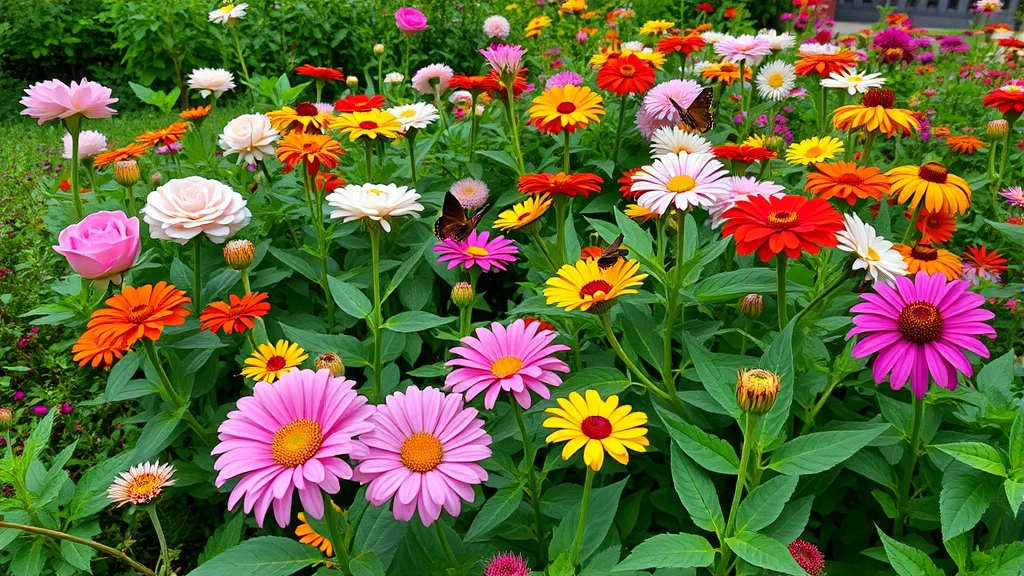
” alt=”Thriving garden bed with diverse colorful flowers blooming abundantly, lush green foliage, butterflies and bees visiting flowers, morning dew on petals” />
FAQ
How often should I fertilize my garden?
Fertilization frequency depends on your soil quality, plant types, and fertilizer type. Gardens with excellent compost-rich soil may need minimal supplemental fertilization. Heavy feeders like tomatoes, roses, and corn benefit from monthly feeding during growing season. Use a soil test to determine specific nutrient deficiencies, then address those needs rather than applying fertilizer indiscriminately. Organic fertilizers applied monthly are safer than chemical fertilizers applied at recommended intervals.
What’s the best time to plant in my garden?
Timing varies by plant type and climate zone. Spring (after last frost) is ideal for warm-season vegetables and annuals. Fall (6-8 weeks before first frost) suits cool-season vegetables, spring-flowering bulbs, and perennials. Trees and shrubs can be planted in spring or fall when soil moisture is adequate. Check your specific USDA hardiness zone for accurate frost dates and planting windows.
How can I improve poor soil quickly?
Add 2-4 inches of quality compost annually and work it into the top 6-8 inches of soil. Compost improves both soil structure and nutrient content while feeding beneficial microorganisms. Consider raised beds filled with custom soil mix if native soil is severely compromised. Avoid tilling, which damages soil structure and beneficial microorganisms. Instead, layer compost on top and allow nature to integrate it.
Why are my plants yellowing?
Yellowing leaves indicate several possible issues: nutrient deficiency (especially nitrogen), overwatering causing root rot, underwatering causing stress, poor drainage, disease, or pest damage. Examine plants closely for other symptoms. Check soil moisture—if waterlogged, improve drainage. If dry, increase watering. If nutrient deficiency seems likely, apply balanced fertilizer. Consult a local extension service if problems persist.
Should I use mulch in my garden?
Yes, mulch provides tremendous benefits including moisture retention, temperature moderation, weed suppression, and soil improvement as it decomposes. Apply 2-3 inches of organic mulch around plants, keeping it slightly away from plant stems to prevent rot. Replace annually as mulch decomposes. Avoid mulching directly against tree trunks, which can cause damage and encourage pest problems.
How do I know if my garden gets enough sunlight?
Observe your garden throughout the day and across seasons. Full sun means 6+ hours of direct sunlight daily. Partial shade means 3-6 hours. Shade means less than 3 hours. Remember that shade patterns shift dramatically between summer and winter. Most vegetables and flowering plants need full sun. If your garden lacks adequate light, choose shade-tolerant plants or consider removing tree branches to increase light penetration.
What’s the most common gardening mistake?
Overwatering tops the list of common mistakes, causing root rot and fungal diseases that kill otherwise healthy plants. Other frequent errors include overcrowding plants, poor soil preparation, planting inappropriate varieties for the climate, and expecting instant results. Remember that gardens develop over time—be patient and adjust practices based on what you observe. Successful gardening involves learning from mistakes and continuously refining your approach.


