Grow a Thriving Garden: Expert Update 2023
Creating a flourishing garden requires more than wishful thinking and occasional watering. As we move through 2023, gardening experts have refined their approaches based on climate shifts, emerging plant varieties, and proven cultivation techniques. Whether you’re a seasoned gardener or just beginning your horticultural journey, understanding the latest strategies will help you build a garden that not only survives but truly thrives throughout the seasons.
This comprehensive guide brings you the most current insights from agricultural extension services and master gardeners, covering everything from soil preparation to seasonal maintenance. We’ll explore how modern gardening practices have evolved to address environmental challenges while maximizing your harvest and creating beautiful outdoor spaces.
Foundation: Soil Health and Preparation
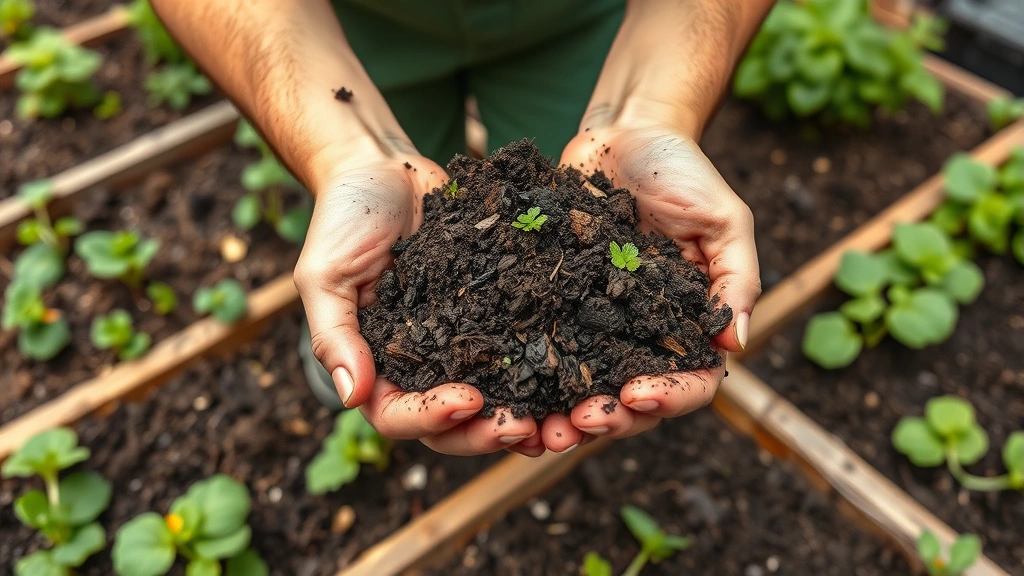
The foundation of any thriving garden begins beneath the surface. Healthy soil is the cornerstone of successful plant growth, nutrient uptake, and water retention. In 2023, soil testing has become more accessible and affordable than ever before. Rather than guessing about your soil’s composition, most cooperative extension services offer affordable soil testing kits that reveal pH levels, nutrient content, and organic matter percentages.
When preparing your garden beds, focus on building soil structure through organic matter incorporation. Compost, aged manure, and leaf mold improve drainage in clay soils and increase water retention in sandy soils. Aim to add 2-3 inches of quality compost annually. This amendment not only provides essential nutrients but also encourages beneficial microbial activity that makes nutrients available to plant roots.
pH balance remains crucial for nutrient availability. Most vegetables prefer slightly acidic soil between 6.0 and 7.0, while acid-loving plants like blueberries thrive at 4.5-5.5. If your soil tests indicate pH imbalance, limestone raises pH while sulfur lowers it. These amendments work slowly, so apply them in fall for spring gardens whenever possible.
Building raised beds has gained popularity for good reason. They offer superior drainage control, warmer soil temperatures in spring, and easier accessibility. Fill raised beds with a quality blend of topsoil, compost, and peat moss or coconut coir in a 50-30-20 ratio. This creates an ideal growing medium for vegetables and ornamentals alike.
Selecting the Right Plants for Your Climate
Plant selection has evolved significantly with climate awareness at the forefront. The USDA Plant Hardiness Zone Map was updated in 2023, reflecting warming trends across North America. Check your updated zone at the USDA Plant Hardiness Zone Map to ensure you’re selecting plants appropriate for your region’s current conditions.
Beyond zones, consider your local microclimate. South-facing walls provide additional warmth for tender plants, while northern exposures offer cool refuges for shade-lovers. Morning sun exposure helps prevent fungal diseases by drying dew quickly. Understanding these microclimates allows you to expand your plant palette beyond typical recommendations.
Gardening with native plants offers tremendous advantages for creating resilient, low-maintenance landscapes. Native plants have evolved to thrive in local conditions, requiring less water, fertilizer, and pest management once established. They also support local pollinators and wildlife, creating a balanced ecosystem within your garden.
For those interested in low-maintenance options, succulent gardens provide year-round interest with minimal care requirements. These drought-tolerant plants store water in their tissues, making them ideal for water-conscious gardeners or those in arid regions. Similarly, small evergreen garden plants maintain structure and visual appeal throughout winter months, providing backbone to any landscape design.
Heirloom and open-pollinated varieties have experienced a resurgence among home gardeners. These plants produce seeds you can save for next season, reducing costs and allowing you to select for traits that perform well in your specific garden. Many seed companies now offer heritage varieties alongside modern hybrids, giving gardeners excellent choice.
Water Management Strategies
Efficient watering separates thriving gardens from struggling ones. Rather than shallow daily watering that encourages weak root systems, water deeply and less frequently. This approach pushes roots deeper into the soil where they access more stable moisture and nutrients. Most vegetables need 1-2 inches of water weekly, though this varies with rainfall, soil type, and temperature.
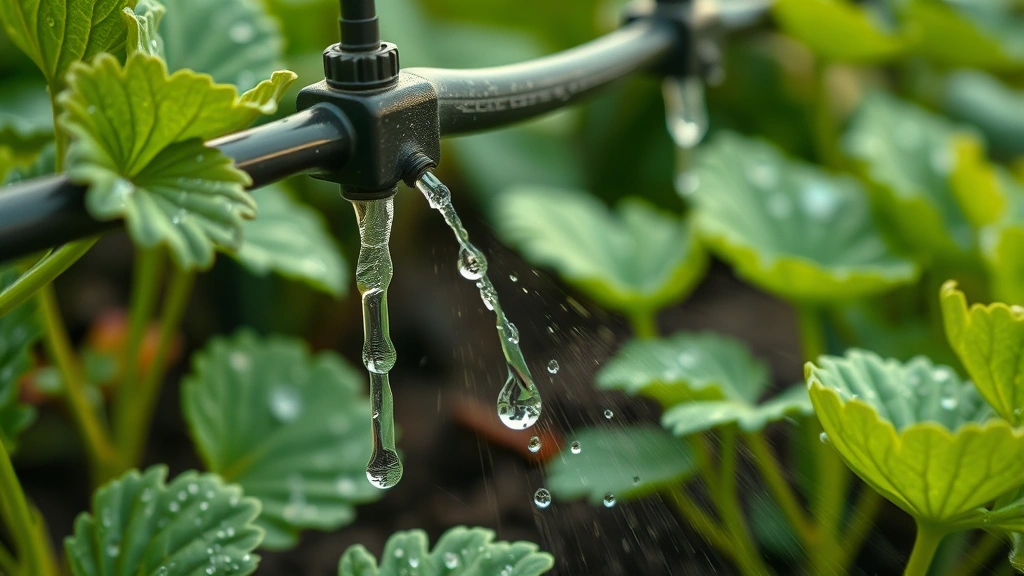
Drip irrigation and soaker hoses deliver water directly to root zones, minimizing evaporation and fungal disease pressure. These systems are far more efficient than overhead sprinklers, which lose significant water to evaporation. Installing a timer allows consistent watering even during busy periods or vacations. For those with multiple garden areas, investing in the best expandable garden hose provides flexibility and durability for various watering tasks.
Mulching conserves soil moisture while regulating temperature and suppressing weeds. Apply 2-3 inches of organic mulch like wood chips, straw, or shredded leaves around plants, keeping it several inches away from plant stems to prevent rot. As mulch decomposes, it enriches soil with organic matter, creating a beneficial cycle.
Rainwater harvesting captures free water while reducing runoff and flooding. Simple rain barrels connected to downspouts collect thousands of gallons annually. This water is ideal for plants, containing no chlorine or other chemicals found in municipal supplies. In drier climates, rainwater harvesting becomes essential for maintaining gardens during dry periods.
Seasonal Garden Maintenance
Successful gardens follow seasonal rhythms. Spring demands attention to soil preparation, seed starting, and early pest monitoring. As soil warms in spring, apply pre-emergent herbicides if desired, then plant cool-season crops like lettuce, peas, and brassicas. Direct sow warm-season crops after last frost danger passes and soil reaches 60°F.
Summer requires consistent watering, deadheading spent flowers to encourage continued blooming, and vigilant pest monitoring. Many insects reach peak populations in summer heat, so regular inspection catches problems early. Pruning suckers and lower branches improves air circulation, reducing disease pressure. Succession planting ensures continuous harvests throughout the season.
Fall is ideal for establishing perennials, shrubs, and trees. Cooler temperatures stress plants less during establishment, and fall rains reduce watering needs. Plant spring bulbs in fall for next year’s display. Cut back perennials after frost, but leave some standing for winter interest and wildlife habitat. Apply fall fertilizer to lawns and shrubs to strengthen root systems before winter dormancy.
Winter maintenance varies by climate. In cold regions, mulch protects perennial roots from freeze-thaw cycles. Prune deciduous trees and shrubs during dormancy, removing crossing branches and improving structure. In mild climates, cool-season vegetables like kale, spinach, and root crops thrive. Winter is also ideal for planning next year’s garden, reviewing successes and failures, and ordering seeds.
Pest and Disease Management
Integrated Pest Management (IPM) remains the gold standard for sustainable pest control. This approach combines cultural practices, biological controls, and chemical interventions only when necessary. Start with resistant varieties, proper spacing for air circulation, and removing infected plant material promptly.
Encourage beneficial insects like ladybugs, lacewings, and parasitic wasps by planting diverse flowers and avoiding broad-spectrum pesticides. Companion planting creates natural pest suppression: marigolds deter some insects, while basil planted near tomatoes may reduce pest pressure. These ecological approaches build resilience into your garden system.
Common diseases like powdery mildew and early blight respond well to preventive measures. Space plants appropriately, water at soil level rather than overhead, and remove lower leaves to improve air circulation. Fungal diseases thrive in humid conditions, so morning watering allows foliage to dry quickly. If chemical intervention becomes necessary, organic options like sulfur and copper fungicides provide effective control.
Regular scouting catches pest problems early when they’re easiest to manage. Check undersides of leaves weekly, noting any unusual spots, holes, or insect presence. Early intervention with hand-picking, water sprays, or targeted treatments prevents pest populations from exploding into major problems.
Garden Layout and Design
Garden layout significantly impacts both aesthetics and productivity. Vegetable gardens benefit from raised beds or in-ground rows oriented north-south to maximize sun exposure. Group plants by water needs, creating efficient irrigation zones. Tall plants on the north side prevent shading of shorter plants to the south.
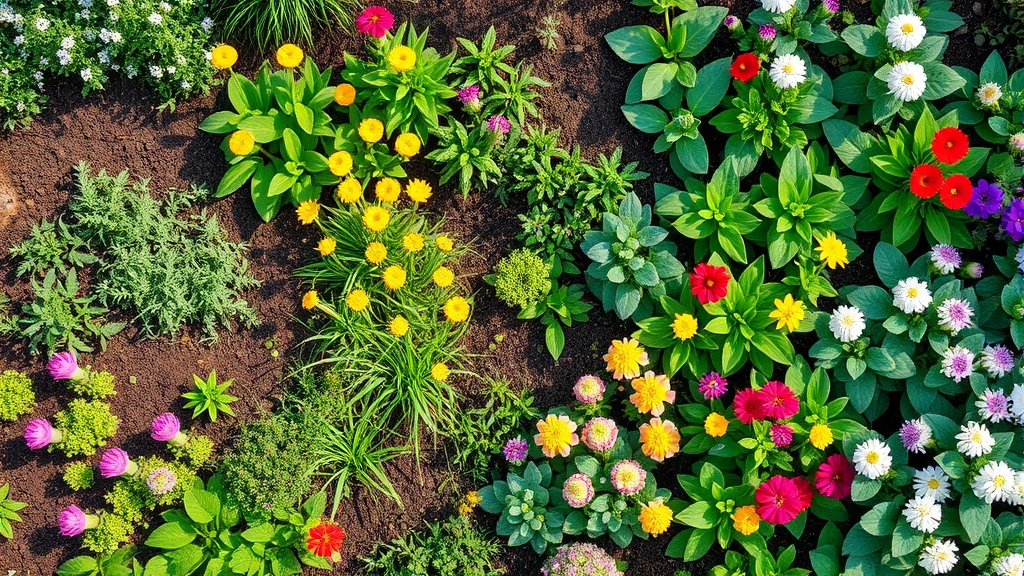
Ornamental gardens benefit from thoughtful design principles. Layer plants by height, placing taller specimens in back or center depending on viewing angles. Combine colors, textures, and bloom times for continuous seasonal interest. Understanding flower arranging tips helps gardeners design attractive combinations that also provide cut flowers for indoor displays.
Pathways improve accessibility and reduce soil compaction. Mulched paths, stepping stones, or hardscaping define garden spaces while making maintenance easier. Garden decorations add personality and focal points, creating inviting spaces that reflect your style. Arbors, trellises, and pergolas add vertical elements while supporting climbing plants.
Container gardening offers flexibility for those with limited space or poor soil. Large containers (18+ inches) allow deeper root development than small pots. Use quality potting mix rather than garden soil, which compacts in containers. Containers dry faster than ground beds, requiring more frequent watering but offering the advantage of controlled growing conditions.
FAQ
When should I start seeds indoors?
Start seeds indoors 6-8 weeks before your last spring frost date. Count backward from your local frost date to determine the ideal starting time. Provide bright light immediately after germination to prevent leggy seedlings. Most seedlings need 14-16 hours of light daily under grow lights positioned a few inches above plants.
How often should I fertilize my garden?
Fertilizing frequency depends on soil fertility and plant type. Vegetables in rich soil may need minimal supplemental feeding, while container plants require regular fertilization since nutrients leach from containers with watering. Slow-release fertilizers provide steady nutrition over months. Organic options like compost, fish emulsion, and seaweed extract work gradually while building soil health.
What’s the best way to prevent weeds?
Prevention beats removal every time. Mulch blocks sunlight from weed seeds, preventing germination. Hand-pull weeds when soil is moist for easier removal of entire roots. Landscape fabric under mulch provides additional weed suppression. Regular hoeing when weeds are small prevents them from establishing deep roots or setting seed.
How do I know if my plants need water?
Check soil moisture by inserting your finger 2-3 inches into the soil. If it feels dry, water thoroughly. Container plants may need daily watering in hot weather, while ground beds require less frequent watering due to deeper moisture reserves. Morning watering is ideal, allowing foliage to dry and reducing disease pressure.
Can I garden in shade?
Many plants thrive in partial shade (3-6 hours of sun). Hostas, ferns, shade-tolerant perennials, and shade-loving vegetables like lettuce and spinach perform well in dappled light. Full shade (less than 3 hours) limits options significantly, but moss gardens and shade-tolerant groundcovers create attractive alternatives. Reflective surfaces and strategic pruning increase available light in shaded areas.
What’s the difference between annual and perennial plants?
Annuals complete their life cycle in one season, blooming prolifically before dying. They’re ideal for continuous color and maximum productivity. Perennials return yearly, establishing deeper root systems over time. They require less annual work once established but typically take longer to reach full size. Most gardens benefit from a mix of both types.


