
How to Grow Sweet Tea Plants: A Gardener’s Guide
Sweet tea plants, scientifically known as Osmanthus fragrans, are delightful additions to any garden, offering fragrant flowers and leaves perfect for brewing a soothing beverage. These evergreen shrubs thrive in temperate climates and provide year-round interest with their delicate blooms and glossy foliage. Whether you’re a seasoned gardener looking to expand your plant collection or a beginner eager to grow a garden from scratch, sweet tea plants offer an accessible and rewarding growing experience.
Growing sweet tea plants requires attention to specific environmental conditions, including proper lighting, soil composition, and watering schedules. With the right knowledge and care techniques, you can cultivate thriving sweet tea plants that produce abundant fragrant flowers for tea brewing and garden enjoyment. This comprehensive guide covers everything you need to know about planting, caring for, and harvesting your sweet tea plants successfully.
Understanding Sweet Tea Plants
Sweet tea plants are tropical to subtropical shrubs native to Asia, particularly China and Japan, where they’ve been cultivated for centuries. These evergreen plants produce small, creamy-white flowers that emit an intensely sweet fragrance, especially during autumn and winter months. The leaves and flowers both contribute to the plant’s aromatic qualities, making them ideal for creating homemade herbal teas with natural sweetness and floral notes.
The botanical characteristics of sweet tea plants make them distinctive garden specimens. They typically grow 6-15 feet tall in optimal conditions, though container-grown plants remain more manageable. The glossy, dark green leaves provide year-round foliage interest, while the delicate flowers attract pollinators and create a pleasant ambiance in any garden setting. Unlike many flowering plants, sweet tea plants bloom during cooler months, providing welcome fragrance when many other plants are dormant.
Understanding the plant’s origin and natural habitat is crucial for successful cultivation. Sweet tea plants evolved in mild, subtropical climates with consistent moisture and filtered sunlight. Replicating these conditions in your garden—whether through strategic placement, soil amendments, or container gardening—will significantly improve your success rate. Many gardeners find that sweet tea plants adapt well to various growing situations when their fundamental needs are met.
Ideal Growing Conditions
Sweet tea plants thrive in partial shade to filtered sunlight environments. While they can tolerate some direct sun, especially in cooler climates, they prefer dappled light conditions similar to their natural forest understory habitat. In hot climates, afternoon shade becomes essential to prevent leaf scorch and stress. Consider planting your sweet tea plant where it receives morning sunlight and afternoon protection from intense heat.
Temperature and hardiness present important considerations for sweet tea plant cultivation. Most varieties are hardy in USDA zones 8-11, though some cultivars can survive in zone 7 with winter protection. These plants prefer consistently warm temperatures between 60-75°F and struggle in areas with hard freezes. If you live in a colder climate, growing sweet tea plants in containers allows you to move them indoors during winter months, ensuring survival and continued growth.
Humidity levels significantly impact sweet tea plant health and flowering. These plants appreciate moderate to high humidity, mimicking their tropical origins. In dry climates, regular misting or grouping plants together creates beneficial microclimates. If you’re in an arid region, consider incorporating your sweet tea plant into a rain garden design that maintains consistent soil moisture and humidity levels throughout the growing season.
Planting Your Sweet Tea Plant
Soil composition is paramount when planting sweet tea plants. These plants prefer well-draining, slightly acidic to neutral soil rich in organic matter. Ideal soil pH ranges from 6.0-7.0, though they can tolerate slightly more acidic conditions. Before planting, amend your garden soil with compost, peat moss, and perlite to improve drainage while maintaining adequate moisture retention. If your native soil is heavy clay, creating raised garden beds filled with custom soil mixtures ensures optimal growing conditions.
When selecting a planting location, choose an area protected from harsh winds and extreme temperature fluctuations. Shelter from strong winds prevents leaf damage and stress during the growing season. Spacing is also important—allow at least 4-6 feet between plants to ensure adequate air circulation, which reduces disease pressure and promotes healthy foliage development. For container cultivation, select pots with drainage holes and fill them with high-quality potting soil amended with compost.
The best time to plant sweet tea plants is during spring or early fall, when temperatures are moderate and the plant can establish roots before extreme seasonal conditions arrive. Dig a planting hole slightly larger than the root ball, position the plant at the same depth it was growing in its nursery container, and backfill with amended soil. Water thoroughly after planting to settle the soil and eliminate air pockets. Apply 2-3 inches of mulch around the base, keeping it several inches away from the stem to prevent rot.
Watering and Moisture Management
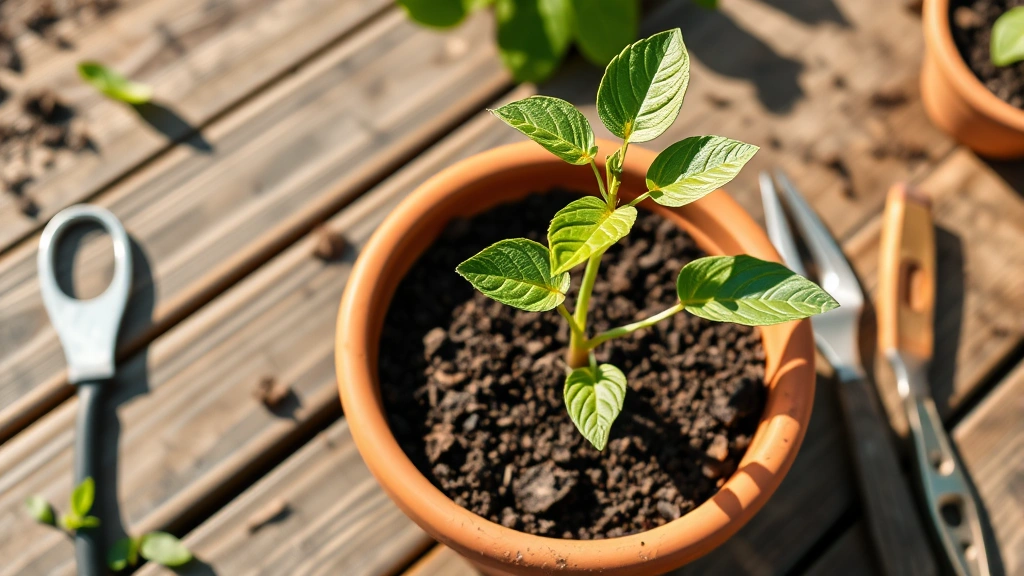
Consistent moisture is essential for sweet tea plant health, though overwatering presents a common problem. These plants prefer soil that remains evenly moist but never waterlogged. During the growing season (spring and summer), water deeply when the top inch of soil becomes dry. Check soil moisture regularly, as container-grown plants dry out faster than in-ground specimens. In cooler months, reduce watering frequency while still maintaining adequate soil moisture.
The frequency of watering depends on numerous factors including climate, soil type, pot size, and seasonal conditions. In hot, dry climates, you may need to water every 2-3 days during peak summer. Conversely, in cooler regions with regular rainfall, watering once weekly may suffice. Use a quality garden hose with adjustable nozzle settings to deliver water gently and avoid soil compaction. Always water at the base of the plant rather than overhead to minimize fungal disease pressure and conserve water.
Humidity management works hand-in-hand with watering practices. In addition to adequate soil moisture, sweet tea plants benefit from ambient humidity. Misting foliage during dry seasons provides temporary humidity relief, though this should be done in early morning to allow foliage to dry before evening, reducing disease risk. Grouping plants together, placing them near water features, or using pebble trays filled with water beneath containers all enhance humidity levels naturally.
Fertilizing for Optimal Growth
Sweet tea plants benefit from regular fertilization during active growth periods, though they’re not heavy feeders. Apply a balanced, slow-release fertilizer formulated for acid-loving plants in early spring as new growth emerges. Follow product instructions carefully, as over-fertilizing can cause salt accumulation in soil and damage plant roots. A spring application typically provides sufficient nutrients for the entire growing season, though container-grown plants may benefit from lighter supplemental feeding in midsummer.
Organic fertilization options work wonderfully for sweet tea plants and align with sustainable gardening practices. Incorporate well-aged compost into the soil annually, applying 1-2 inches as a top dressing in spring. This gradual nutrient release supports healthy growth while improving soil structure and microbial activity. Fish emulsion or seaweed-based fertilizers provide gentle nutrient boosts during the growing season without risk of chemical burn.
Nutrient deficiency symptoms occasionally appear in sweet tea plants, particularly iron chlorosis in alkaline soils. If foliage yellows while veins remain green, apply chelated iron according to product directions. Magnesium deficiency causes similar symptoms; Epsom salt applications (1 tablespoon per gallon of water, applied monthly) address this issue effectively. Consistent soil testing every 2-3 years reveals nutrient imbalances before they negatively impact plant health.
Pruning and Maintenance
Regular pruning maintains sweet tea plant shape, encourages bushier growth, and improves air circulation. Prune in late winter or early spring before new growth emerges. Remove any dead, damaged, or diseased branches first, cutting back to healthy tissue. Then selectively prune to shape the plant, removing crossing branches and thinning crowded areas. Use sharp garden shears to make clean cuts, preventing disease entry and promoting rapid healing.
Sweet tea plants respond well to moderate pruning and can handle significant cutting back if needed to rejuvenate older plants. However, avoid heavy pruning immediately before winter, as new tender growth may be damaged by frost. Light maintenance pruning throughout the growing season—removing spent flowers and stray branches—keeps plants tidy without stressing them. Some gardeners successfully train sweet tea plants as small trees or topiary specimens, similar to techniques used in bonsai cultivation.
Deadheading spent flowers encourages continued blooming and prevents excessive self-seeding. While sweet tea plants aren’t prolific seed producers, removing faded flowers directs energy toward new flower development. This practice extends the blooming season and keeps plants looking their best. During dormant winter months, minimal pruning is necessary—simply remove any obviously dead wood or branches damaged by harsh weather.
Pest and Disease Management
Sweet tea plants are relatively pest-resistant, though spider mites occasionally become problematic in hot, dry conditions. These tiny arachnids create fine webbing on foliage and cause yellowing leaves. Increase humidity through regular misting and ensure adequate watering to discourage infestations. If spider mites appear, spray foliage with neem oil or insecticidal soap according to product directions, repeating treatments every 7-10 days as needed.
Scale insects and mealybugs occasionally affect sweet tea plants, particularly in indoor or container situations. These sap-feeding pests weaken plants and excrete sticky honeydew that promotes sooty mold growth. Inspect plants regularly, checking both leaf surfaces and stems. Remove light infestations by hand or with alcohol-soaked cotton swabs. For severe problems, horticultural oils or neem oil applications prove effective when applied according to label directions.
Root rot represents the primary disease concern for sweet tea plants, typically resulting from overwatering or poor drainage. Prevention is far easier than treatment—ensure well-draining soil and appropriate watering practices. If root rot develops, unpot the plant, remove rotted roots with sterile tools, repot in fresh soil, and reduce watering frequency. Leaf spot diseases occasionally appear in humid conditions; improve air circulation and avoid overhead watering to minimize fungal pressure. Remove affected leaves promptly to prevent spread.
Harvesting and Brewing
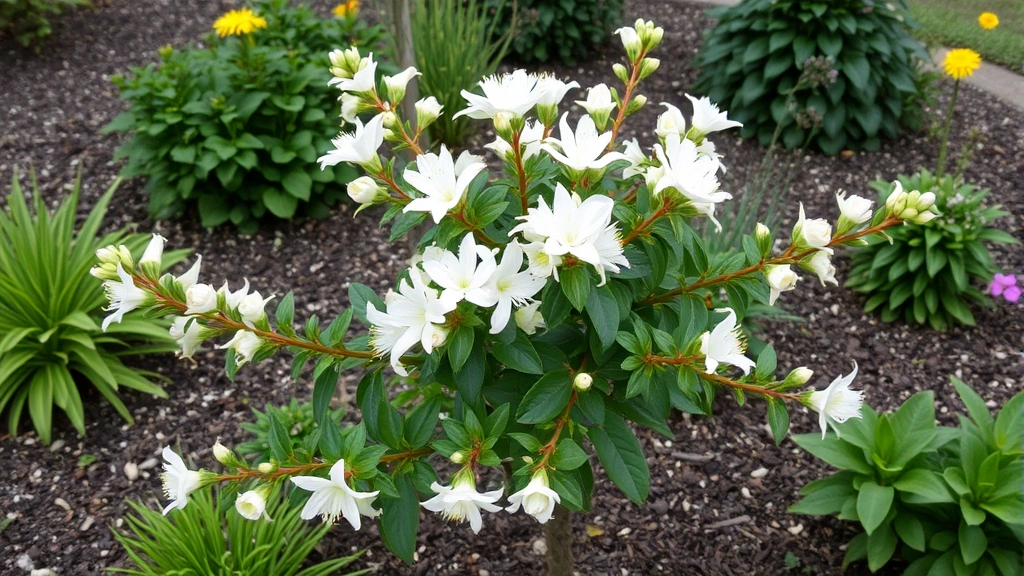
Harvesting sweet tea plant flowers and leaves begins once plants are established—typically after 1-2 years of growth. Pick flowers in the morning after dew dries but before intense heat develops, as this timing preserves optimal fragrance and flavor. Collect flowers throughout the blooming season, typically fall through early spring in most climates. Young leaves can also be harvested year-round, though they’re most flavorful during active growth periods.
For fresh tea, simply steep freshly picked flowers and leaves in hot water for 5-10 minutes, allowing flavors to infuse. The natural sweetness of sweet tea plants means little or no additional sweetener is needed, though honey or sugar complement the delicate floral notes beautifully. For dried tea, spread freshly harvested flowers and leaves on screens or paper towels in a warm, well-ventilated location away from direct sunlight. Once completely dry (typically 1-2 weeks), store in airtight containers away from light and heat.
Sustainable harvesting practices ensure continued plant productivity. Never remove more than one-third of the plant’s foliage during any single harvest session. This restraint maintains plant vigor and allows continued flowering. Regular harvesting actually encourages bushier growth and more abundant flowering, creating a beneficial cycle. Many experienced gardeners find that harvesting sweet tea plants becomes a delightful seasonal ritual, connecting them more deeply with their garden’s natural rhythms.
Frequently Asked Questions
Can sweet tea plants survive outdoors in cold climates?
Sweet tea plants have limited cold tolerance, thriving only in USDA zones 8-11 without protection. In colder areas, grow them in containers that can be moved indoors during winter. Some gardeners in zone 7 successfully overwinter plants against south-facing walls with mulch protection, though results are inconsistent. Container cultivation offers the most reliable approach for cold-climate gardeners.
How long does it take for sweet tea plants to flower?
Nursery-grown sweet tea plants often flower within the first year of planting, though newly established plants may delay flowering to focus on root development. Young plants grown from seed require 2-3 years to reach flowering maturity. Patience and proper care—adequate light, appropriate watering, and balanced fertilization—encourage earlier flowering in young plants.
Are sweet tea plants toxic to pets or humans?
Sweet tea plants are non-toxic to both humans and pets, making them excellent choices for families and pet owners. The flowers and leaves are completely safe to consume as tea. However, ensure any plants you harvest haven’t been treated with pesticides or herbicides before brewing them for consumption.
What’s the difference between sweet tea and osmanthus?
Sweet tea plant is the common name for Osmanthus fragrans, a single species. Various cultivars exist, including those with white, yellow, or pale pink flowers. Some regional names vary—it’s also called fragrant olive or tea olive, though it’s not related to true olives. All refer to the same delightful plant species.
Can I propagate sweet tea plants at home?
Yes, sweet tea plants propagate successfully from semi-hardwood cuttings taken in summer or fall. Cut 4-6 inch stems just below a leaf node, remove lower leaves, and dip in rooting hormone powder. Place in moist potting soil and provide warmth and humidity. Roots typically develop within 4-8 weeks. Seed propagation is possible but slower and produces variable results.


