Garden Recipes for Beginners: Chef-Approved Ideas to Grow What You Cook
There’s nothing quite like the satisfaction of harvesting fresh vegetables from your own garden and transforming them into a delicious meal. Whether you’re a complete novice or someone who’s dabbled in houseplants, growing a garden specifically designed around recipes you love is one of the most rewarding ways to start your gardening journey. Instead of planting random vegetables and hoping they work in your kitchen, this approach puts your culinary interests first—and lets your garden follow.
The beauty of recipe-based gardening is that you’ll actually use everything you grow. You’ll understand why certain herbs pair with specific dishes, discover which vegetables taste infinitely better fresh from the soil, and develop a genuine connection to your food. Plus, when you grow ingredients intentionally for meals you want to cook, you’re far more likely to maintain your garden consistently and feel motivated to expand your growing space year after year.
Start with Your Favorite Recipes
Before you buy a single seed or plant, take time to think about the dishes you cook most frequently. Do you make pasta primavera weekly? Stir-fries? Fresh salads? Thai curries? Your answer determines what you should grow. This is the opposite of traditional gardening advice that says “grow what grows well in your zone.” While that’s still important, matching plants to your actual cooking preferences ensures your garden won’t become an overgrown jungle of unloved vegetables.
Start by listing five to ten recipes you’d love to cook more often if you had fresh ingredients. Next to each recipe, write down the key fresh ingredients. For example, a simple pasta with fresh tomatoes and basil needs tomato plants and a basil plant. A Vietnamese pho might require cilantro, Thai basil, mint, and green onions. Once you have this list, you’ve essentially created your garden blueprint.
When starting your green journey, this recipe-first approach keeps you focused and motivated. You’re not growing for the sake of gardening—you’re growing to eat better.
Essential Garden Herbs for Cooking
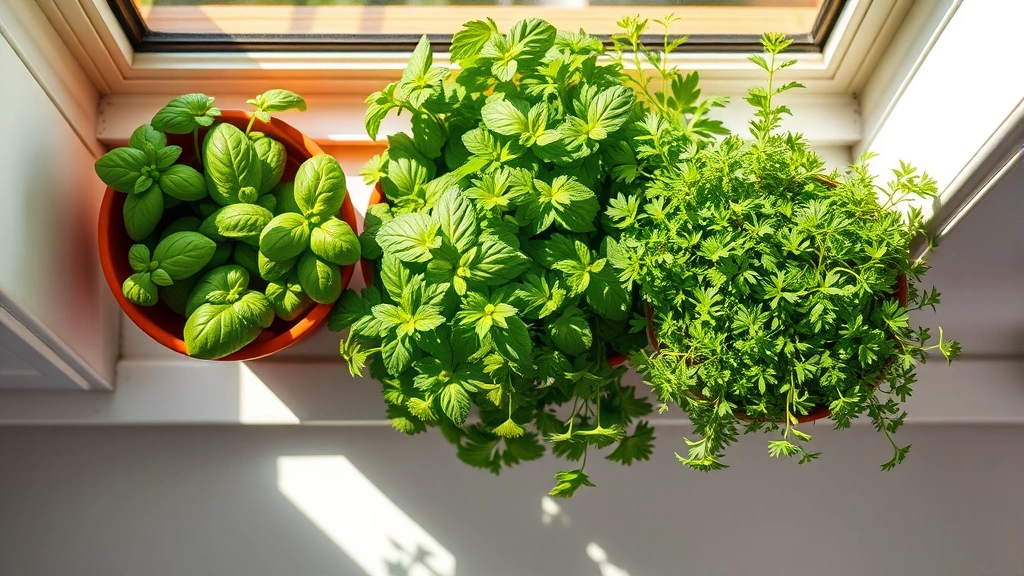
Herbs are the secret weapon of beginner gardeners and home chefs alike. They’re incredibly forgiving to grow, don’t require much space, and transform ordinary meals into restaurant-quality dishes. Most culinary herbs thrive in containers, raised beds, or small garden patches, making them perfect for beginners.
Basil is the undisputed king of cooking herbs. Sweet basil pairs beautifully with tomatoes, mozzarella, and pasta dishes. Thai basil adds peppery, licorice notes to Asian cuisine. Lemon basil brightens fish dishes and salads. Plant basil after your last frost date, keep it in full sun, and pinch off flower buds to encourage bushier growth. You’ll have fresh basil all summer.
Cilantro is essential for Mexican, Indian, and Asian cooking. It bolts quickly in hot weather, so plant it in spring and again in late summer for fall harvesting. The bonus? When cilantro flowers, the seeds become coriander—a completely different spice with warm, citrusy notes.
Parsley comes in flat-leaf (Italian) and curly varieties. Flat-leaf has better flavor for cooking. It’s cold-hardy and grows vigorously. Chop fresh parsley into soups, salads, sauces, and garnishes. Unlike some herbs, parsley actually improves in flavor after a light frost.
Oregano and marjoram are Mediterranean workhorses. They’re drought-tolerant, perennial in most zones, and essential for Italian and Greek cooking. Plant them once and harvest for years. They’re nearly impossible to kill.
Thyme is another perennial powerhouse. Lemon thyme, French thyme, and creeping thyme all have culinary uses. Thyme dries beautifully if you want to preserve your harvest. It’s perfect for soups, roasted vegetables, and meat dishes.
Mint deserves a dedicated container because it spreads aggressively. Spearmint is classic for cocktails and teas. Chocolate mint adds depth to desserts. Peppermint is stronger and better for medicinal teas. Once planted, mint requires only water and occasional harvesting.
Chives are virtually foolproof. These perennial onion relatives produce delicate purple flowers (edible!) and mild onion flavor. They multiply year after year and tolerate shade better than most herbs.
Vegetables Every Home Cook Should Grow
Beyond herbs, certain vegetables deliver the most flavor and value when homegrown. Supermarket tomatoes often taste like cardboard compared to garden-fresh varieties ripened on the vine. Homegrown lettuce stays crisp longer. Fresh zucchini picked at the right size tastes entirely different from oversized grocery store specimens.
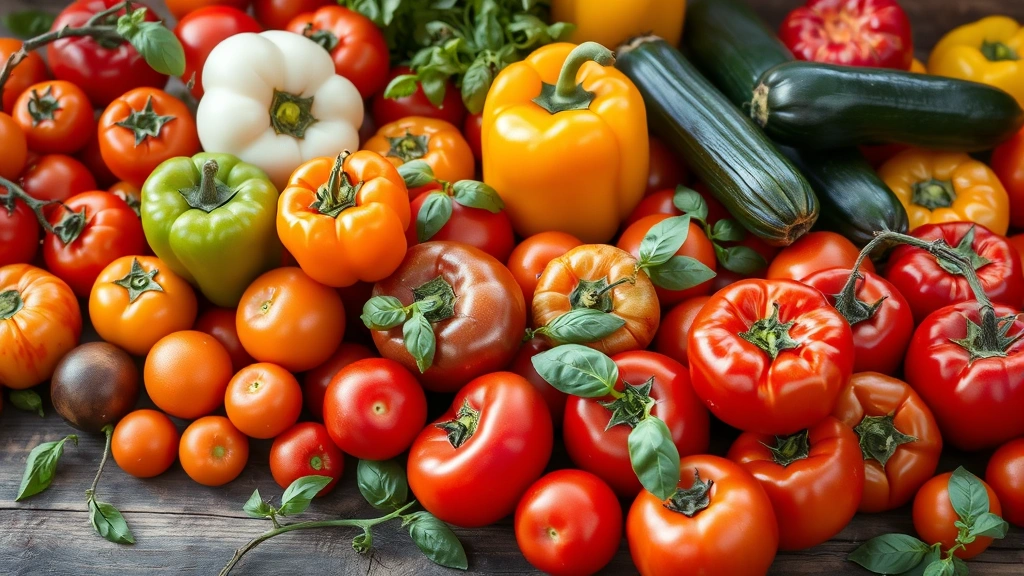
Tomatoes are the gateway vegetable for gardeners. They reward your effort with abundant harvests and incomparable flavor. Determinate varieties produce all at once (great for canning). Indeterminate varieties produce continuously until frost. Cherry tomatoes are prolific and perfect for snacking. Paste tomatoes make excellent sauce. Easy to grow vegetables for beginners include cherry and heirloom tomato varieties.
Peppers (both sweet and hot) grow alongside tomatoes with similar requirements. Bell peppers, poblanos, and serranos all thrive in warm weather. Start seeds indoors 8-10 weeks before your last frost date for best results.
Zucchini and summer squash produce abundantly from just one or two plants. They’re prolific to the point of overwhelming, but fresh zucchini bread, grilled squash, and zucchini noodles make them worthwhile. Plant them mid-season to avoid the overwhelming mid-summer glut.
Lettuce and leafy greens are perfect for salad lovers. Loose-leaf varieties like buttercrunch and oak leaf produce continuously when you harvest outer leaves. Spinach, arugula, and kale are nutritional powerhouses. These cool-season crops grow in spring and fall, and some varieties tolerate light frosts.
Green beans are reliable producers and excellent for canning or freezing. Bush varieties take up less space than pole varieties but produce over a shorter period. Pole beans climb vertically and produce longer, making them ideal for small spaces.
Cucumbers come in slicing varieties for salads and pickling varieties for preserving. They’re warm-season crops that grow quickly on trellises. Vertical growing saves space and improves air circulation.
Onions and garlic are culinary staples worth growing despite their long growing seasons. Garlic plants in fall, harvest the following summer. Onions start from sets or transplants for faster harvests. Both store well, extending your harvest season into winter.
Italian Garden Recipe Collection
Italian cuisine celebrates fresh, simple ingredients. If you love Italian cooking, your garden should reflect this. The core Italian garden includes tomatoes, basil, oregano, garlic, onions, zucchini, and eggplant. Add parsley, thyme, and rosemary for additional depth.
For fresh pasta with tomato sauce, grow San Marzano or Roma tomatoes (paste varieties concentrate flavor), sweet basil, garlic, and onions. Fresh basil stirred in at the end makes all the difference.
For caprese salad, you need ripe slicing tomatoes (like Brandywine or Cherokee Purple), fresh mozzarella (store-bought is fine), fresh basil, and quality olive oil. The simplicity means every ingredient must be excellent.
For pasta primavera, grow zucchini, summer squash, bell peppers, snap peas, and fresh herbs. The beauty of this dish is that it adapts to whatever vegetables are ready at the moment.
For minestrone soup, grow tomatoes, zucchini, beans, carrots, celery, onions, and leafy greens. This vegetable-forward soup uses whatever’s available and improves with fresh herbs like basil and parsley.
When preparing garden soil for a thriving garden, Italian vegetables benefit from rich, well-draining soil with plenty of organic matter. Tomatoes and peppers especially appreciate consistent moisture and good drainage.
Asian-Inspired Garden Ingredients
Asian cuisines rely heavily on fresh herbs and quick-cooking vegetables. If you love stir-fries, pho, curries, and Asian noodle dishes, grow Thai basil, cilantro, mint, green onions, ginger, and bok choy.
Thai basil differs from sweet basil with its peppery, slightly licorice flavor. It’s essential for Thai curries and stir-fries. Grow it alongside sweet basil in warm weather.
Cilantro appears in Vietnamese, Thai, Indian, and Mexican cuisines. Plant succession crops every two weeks in spring and again in late summer to ensure continuous harvests.
Mint (especially spearmint) features prominently in Vietnamese and Thai cooking. Grow it in containers to prevent aggressive spreading.
Green onions (scallions) are quick-growing and can be harvested within weeks. Plant them in succession for continuous supply. You can even regrow them from kitchen scraps in water.
Ginger grows in containers in most climates. Plant rhizomes in spring, keep soil consistently moist, and harvest in fall. Fresh ginger’s warmth and zing elevate countless Asian dishes.
Bok choy and other Asian greens grow quickly in cool weather. They’re less familiar than lettuce but equally nutritious and delicious. Try mizuna, tatsoi, and baby bok choy varieties.
Hot peppers range from mild to fiery. Thai chilies, habaneros, and bird’s eye peppers add heat to curries, stir-fries, and condiments. Grow several varieties to match your heat preference.
Salad Garden Essentials
Salad lovers should dedicate garden space to leafy greens and vegetables that make salads exciting. A salad garden produces year-round in most climates with thoughtful seasonal planning.
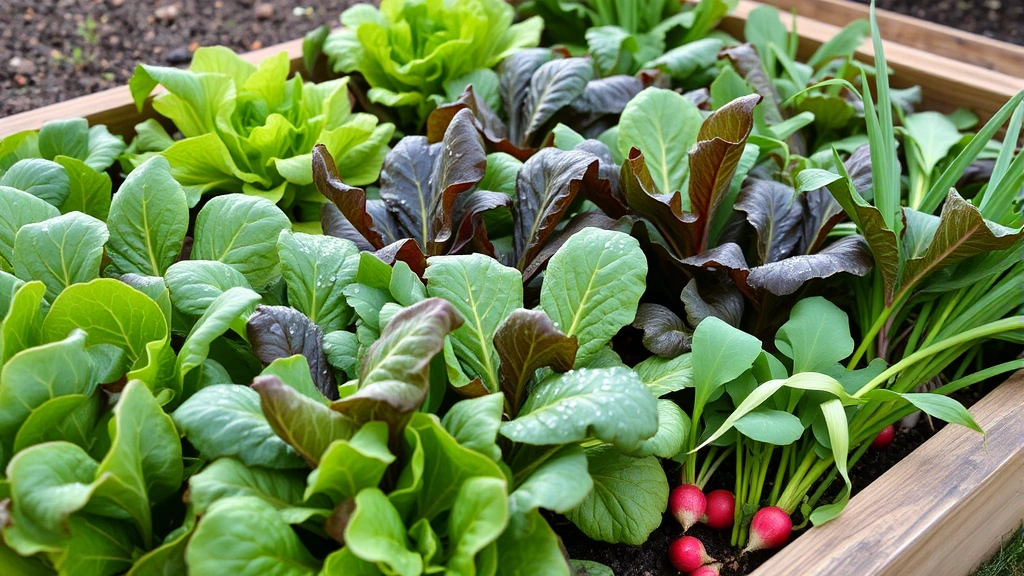
Lettuce varieties provide the foundation. Loose-leaf varieties (buttercrunch, oak leaf, lollo rosso) produce continuously when you harvest outer leaves. Head lettuce (romaine, iceberg) matures all at once. Mix varieties for different textures and colors.
Spinach is a cool-season crop packed with iron and minerals. Baby spinach is tender and mild. Mature spinach has earthier flavor and tougher texture. Spinach tolerates shade, making it valuable for partial-sun gardens.
Arugula adds peppery bite to salads. It grows quickly (ready in 30-40 days) and tolerates cool weather. Plant succession crops for continuous harvests.
Radishes add crunch and peppery flavor. They mature incredibly fast (25-30 days) and can be interplanted with slower crops. Try different varieties: red, white, watermelon, and daikon radishes offer different flavors and textures.
Cucumbers provide refreshing crunch. Plant slicing varieties specifically for salads. Harvest frequently to encourage more production.
Tomatoes in various sizes (cherry, grape, slicing) add sweetness and acidity. Cherry tomatoes are especially prolific and perfect for salads.
Bell peppers in multiple colors add sweetness and crunch. They’re available in red, yellow, orange, and purple varieties.
Fresh herbs elevate simple salads. Basil, parsley, cilantro, dill, and chives all work beautifully in salads.
Edible flowers add visual appeal and subtle flavors. Nasturtiums have peppery flavor. Borage flowers taste like cucumber. Calendula petals are mildly citrusy. Grow them specifically for salads.
Container Gardening for Recipe Ingredients
If you lack garden space, container gardening lets you grow abundant fresh ingredients on patios, balconies, and doorsteps. Most herbs and many vegetables thrive in containers when given proper care.
Best herbs for containers: Basil, parsley, cilantro, chives, mint, thyme, oregano, and rosemary all grow beautifully in pots. Use containers at least 12 inches deep for herbs. Mint requires its own container to prevent spreading.
Best vegetables for containers: Cherry tomatoes, peppers, lettuce, spinach, arugula, radishes, green beans, and cucumbers (on trellises) produce well in containers. Use containers at least 18-24 inches deep for tomatoes and peppers, 12 inches for greens and radishes.
Container soil: Use quality potting mix (not garden soil). Add compost to enrich it. Containers dry out faster than ground gardens, so check soil moisture daily during hot weather.
Drainage: All containers must have drainage holes. Without proper drainage, roots rot and plants die.
Fertilizing: Container plants need regular fertilizing since water leaches nutrients from the soil. Use balanced liquid fertilizer every two weeks, or work in slow-release fertilizer pellets at planting time.
Watering: Check container soil daily. It should be moist but not waterlogged. In hot weather, containers may need watering twice daily.
Consider raised bed gardening advantages if you want more growing space without committing to in-ground beds. Raised beds offer excellent drainage and soil control for recipe gardening.
Seasonal Planting Schedule
Success in recipe gardening requires understanding your local growing season and planting times. Different vegetables thrive in different seasons.
Spring planting (after last frost): Tomatoes, peppers, eggplant, basil, cilantro, cucumber, squash, beans, corn. These warm-season crops need soil temperatures above 60°F.
Summer planting (mid-summer): Fall crops like lettuce, spinach, arugula, kale, and cool-season herbs. Plant these 8-10 weeks before your first fall frost for harvest before winter.
Fall planting (for spring harvest): Garlic, onions (in some regions), and perennial herbs like thyme and oregano establish themselves over winter for spring/summer production.
Year-round in mild climates: Cool-season crops (lettuce, spinach, brassicas) grow throughout winter. Warm-season crops grow spring through fall.
Check your local USDA Plant Hardiness Zone and frost dates to determine your growing season. Contact your local extension service for region-specific planting recommendations.
Keep a garden journal noting what you plant, when it matures, how much it produces, and how it tastes. This record becomes invaluable for planning future seasons and refining your recipe garden.
FAQ
What’s the easiest vegetable for beginners to grow?
Cherry tomatoes are incredibly forgiving and prolific. They tolerate neglect better than other tomato varieties, produce abundantly from a single plant, and taste delicious. Zucchini is another exceptionally easy option—perhaps too easy, as you’ll likely have more than you can eat.
Can I grow a recipe garden in containers on my apartment balcony?
Absolutely. Herbs and many vegetables thrive in containers with adequate sunlight (6-8 hours minimum). Cherry tomatoes, peppers, lettuce, radishes, and most herbs all produce well in pots. The key is choosing appropriately sized containers and maintaining consistent watering.
How much space do I need for a recipe garden?
A 4×8 foot raised bed provides substantial fresh produce for a family of four. A smaller 4×4 bed grows enough herbs and greens for regular cooking. Even a collection of containers on a sunny patio can supply fresh ingredients for recipes.
When should I start seeds indoors?
Start seeds 6-8 weeks before your last frost date for tomatoes and peppers, 4 weeks for basil, and 2-3 weeks for beans and squash. Cool-season crops like lettuce and spinach can be direct-seeded in the garden.
Why do my herbs bolt so quickly?
Bolting (flowering) happens when plants experience stress from heat, drought, or poor soil. Cilantro bolts especially quickly in heat. Pinch off flower buds from basil and parsley to encourage leaf production. For cilantro, plant in spring and again in late summer when temperatures are cooler.
How do I preserve my garden harvest?
Fresh herbs freeze beautifully in ice cube trays with a bit of water or oil. Tomatoes can, freeze, or dry. Peppers freeze or dry. Green beans freeze or can. Most vegetables last weeks in the refrigerator. Onions and garlic store for months in cool, dry places. Herbs like basil, oregano, and thyme dry well for winter use.
Can I grow a recipe garden in partial shade?
Leafy greens, herbs (especially mint, parsley, and chives), and some vegetables tolerate 3-4 hours of direct sunlight. Tomatoes, peppers, and other fruiting vegetables need 6-8 hours of direct sun. Assess your garden’s light patterns before choosing what to grow.
What’s the best fertilizer for a recipe garden?
Organic compost mixed into soil before planting provides steady nutrition. Side-dress growing plants with compost mid-season. For container plants, use balanced liquid fertilizer every two weeks. Avoid synthetic fertilizers if you prefer organic methods—your homegrown vegetables deserve the same care you’d give store-bought organic produce.