Can You Grow Mandrake? Expert Gardener Insights
Mandrake (Mandragora officinarum) stands as one of the most intriguing and historically significant plants a gardener can attempt to cultivate. This Mediterranean native has captivated botanists, herbalists, and folklore enthusiasts for centuries, earning its place in both ancient medicine cabinets and modern ornamental gardens. Growing mandrake presents unique challenges that separate casual gardeners from dedicated plant enthusiasts willing to invest time in understanding this temperamental specimen.
The question “can you grow a garden mandrake?” deserves a nuanced answer: yes, but with substantial caveats. Unlike conventional garden vegetables you might grow in raised garden beds, mandrake demands patience, specific environmental conditions, and careful handling due to its toxic properties. This comprehensive guide explores every aspect of mandrake cultivation, from seed germination to mature plant care, drawing on horticultural expertise and botanical science.
Understanding Mandrake: History and Botany
Mandrake belongs to the nightshade family (Solanaceae), placing it alongside tomatoes, peppers, and potatoes—though with markedly different characteristics and applications. The plant earned its legendary status through centuries of folklore, medieval superstition, and genuine pharmacological potency. Ancient Greek physicians documented its use in surgical procedures, while medieval herbals depicted it as a humanoid creature with mystical properties.
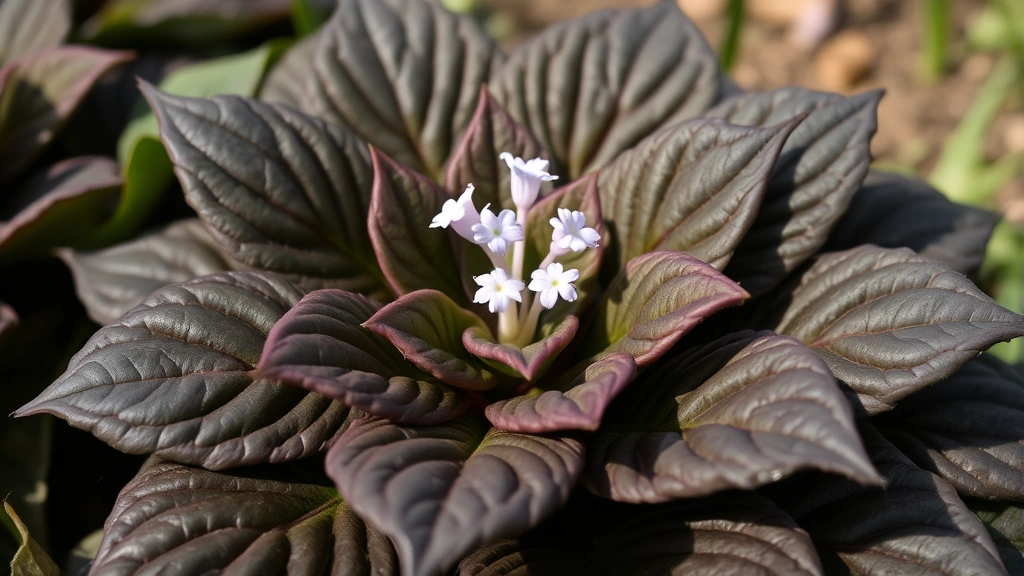
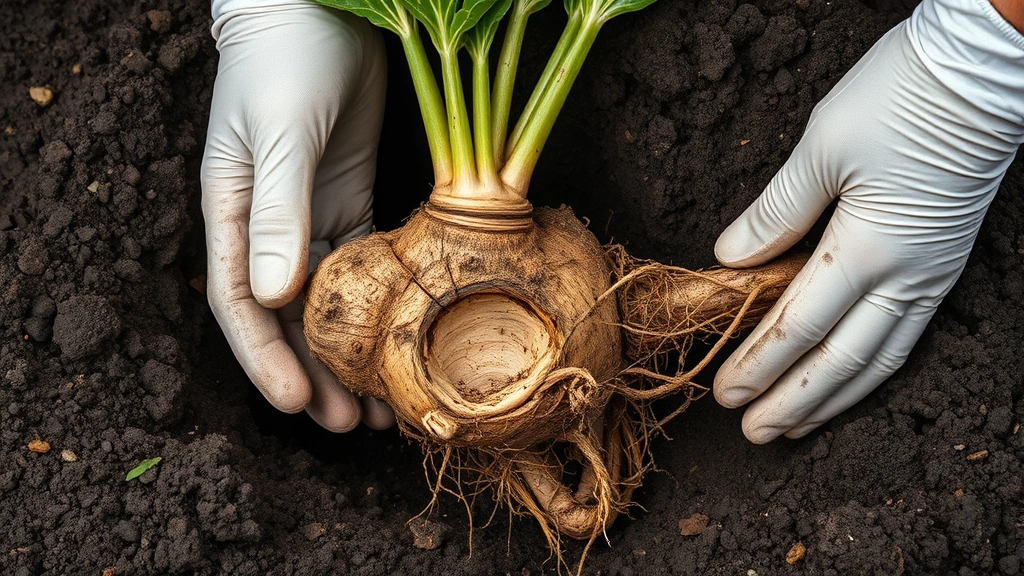
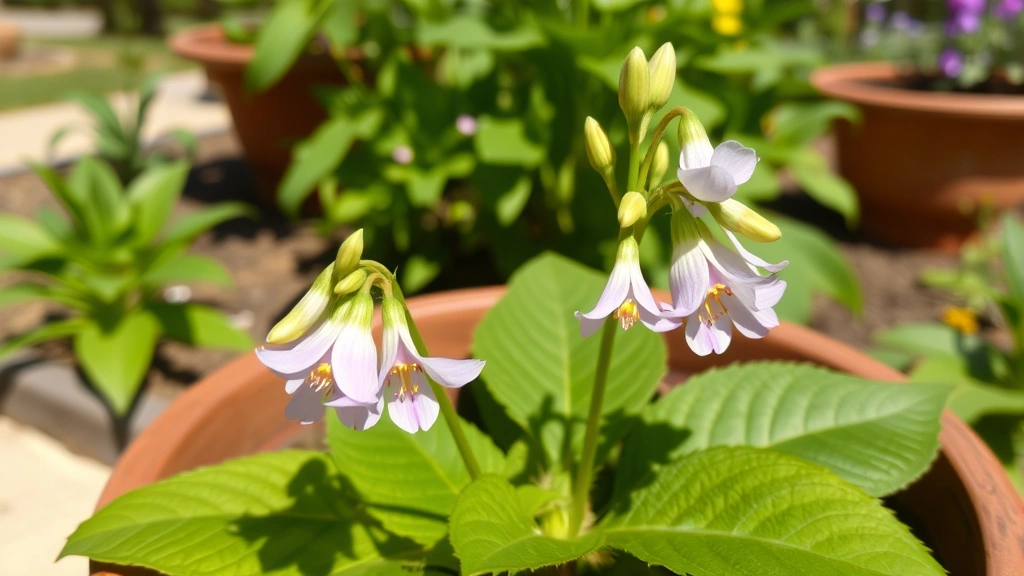
Botanically, Mandragora officinarum features a distinctive thick taproot that can extend three feet or deeper into soil, large wrinkled leaves that form rosette patterns, and delicate flowers ranging from pale yellow to violet. The plant produces small apple-like fruits containing numerous seeds. This underground architecture explains why mandrake proves so challenging in cultivation—its root system demands exceptional drainage and deep soil penetration that typical container gardening cannot always provide.
The plant’s psychoactive alkaloids (scopolamine, hyoscyamine, and atropine) make it simultaneously valuable for pharmaceutical research and dangerously toxic for casual consumption. Understanding these properties is essential before attempting cultivation, as every part of the plant contains these compounds in varying concentrations.
Growing Conditions and Climate Requirements
Mandrake thrives in Mediterranean climates characterized by mild winters, warm summers, and distinct seasonal variations. USDA hardiness zones 6-11 provide suitable conditions, though zone 7-9 represents the optimal range for most gardeners. The plant demonstrates remarkable cold tolerance for a Mediterranean species, surviving temperatures down to 15°F (-9°C) when properly acclimated, though growth slows considerably during winter months.
Light requirements demand full sun exposure—at least six to eight hours of direct sunlight daily produces vigorous specimens with robust foliage and prolific flowering. Partial shade tolerates in extremely hot climates (above 95°F consistently), where afternoon shade prevents stress and leaf scorching. The plant responds poorly to dense shade, becoming leggy and producing fewer flowers.
Humidity levels should remain moderate, between 40-60 percent. Unlike tropical plants requiring constant moisture in the air, mandrake prefers drier conditions that prevent fungal diseases. Mediterranean air circulation patterns suit it perfectly, while humid tropical environments create persistent pathogen pressure.
Temperature fluctuations trigger flowering in many mandrake specimens. A winter dormancy period with temperatures between 35-50°F for 4-8 weeks often stimulates spring blooming. Gardeners in consistently warm climates may need to artificially create this chilling period using refrigeration or unheated frames to encourage reproductive growth.
Propagation Methods: Seeds and Root Cuttings
Two primary propagation methods work for home gardeners: seed germination and root cuttings. Each approach presents distinct advantages and challenges depending on your access to plant material and patience tolerance.
Seed Propagation: Mandrake seeds possess a thick seed coat that inhibits rapid germination. Successful propagation requires scarification—mechanical treatment that weakens the seed coat. Rubbing seeds gently with sandpaper, filing small notches into the seed coat, or brief soaking in warm water followed by cold stratification dramatically improves germination rates. The most reliable method combines mechanical scarification with 6-12 weeks of cold stratification at 35-40°F in moist sand or peat moss.
Following stratification, sow seeds in well-draining seed-starting mix and maintain temperatures between 55-70°F. Germination typically occurs within 2-4 weeks, though some seeds may sprout months later. Seedlings develop slowly during their first year, with true mandrake characteristics becoming apparent only after 12-18 months of growth. Patience proves essential—rushing seedlings into unfavorable conditions results in failure.
Root Cuttings: Established mandrake plants can be propagated from root sections, bypassing the lengthy seed germination period. During dormancy (late autumn or early spring), carefully excavate a portion of the root system and remove 2-3 inch sections. Plant these cuttings horizontally in moist sand or peat-based mix, maintaining cool temperatures (50-60°F) and high humidity. New growth emerges from the cutting surface after 4-8 weeks. This method produces mature plants significantly faster than seed propagation, often flowering within 18-24 months.
Soil Preparation and Container Selection
Mandrake’s deep taproot demands exceptional drainage and sufficient depth—factors that separate successful cultivation from frustrating failures. The plant absolutely cannot tolerate waterlogged conditions; soggy soil invariably causes root rot and plant death within weeks.
Soil Composition: Blend a custom growing medium combining 40% coarse sand or perlite, 30% coconut coir or peat moss, and 30% compost. This mixture provides drainage excellence while retaining minimal moisture. Some experienced growers add small amounts of crushed limestone (5-10%) to achieve the slightly alkaline pH range (7.0-7.5) that mandrake prefers. Avoid standard potting soils, which retain excessive moisture for this species.
Container Selection: Choose containers at least 18-24 inches deep, with multiple drainage holes in the bottom. Terracotta pots offer advantages over plastic—they breathe, allowing excess moisture to evaporate through sidewalls, and their weight provides stability for plants developing substantial foliage. Drainage is so critical that some experienced growers place containers on pot feet or risers, elevating them above ground level to ensure air circulation beneath drainage holes.
For permanent outdoor cultivation in suitable climates, rain garden principles apply—ensure the planting location slopes slightly to prevent water pooling around the base. Amending native soil with sand and organic matter creates a transitional zone that accommodates the plant’s drainage needs while establishing it in the garden landscape.
Watering, Feeding, and Seasonal Care
Mandrake’s watering requirements follow the “soak and dry” principle rather than consistent moisture. During the growing season (spring through early autumn), water thoroughly until moisture drains from the bottom, then allow the top 2-3 inches of soil to dry completely before watering again. This cycle typically means watering every 7-14 days depending on temperature, humidity, and container size.
During dormancy (late autumn through early spring), reduce watering dramatically. The plant’s aboveground foliage may completely disappear, and the root system enters a resting state requiring minimal moisture. Watering once monthly or less frequently prevents root rot while maintaining the taproot’s viability. Think of dormancy as the plant’s hibernation period—interrupting it with excessive water causes more harm than benefit.
Fertilization should remain conservative. Mandrake evolved in nutrient-poor Mediterranean soils and responds poorly to heavy feeding. Apply a balanced, slow-release fertilizer (such as 5-5-5 NPK) at half strength once monthly during active growth. Alternatively, incorporate small amounts of organic compost into the soil surface during spring, allowing nutrients to leach downward naturally. Excessive nitrogen promotes leafy growth at the expense of flowers and fruits.
Seasonal care involves monitoring temperature fluctuations and providing winter protection in colder climates. In zones 6-7, mulch around outdoor plants with 3-4 inches of straw or leaves after the first frost, removing this protection as temperatures warm in spring. Container plants in cold climates benefit from placement against south-facing walls or in unheated cold frames, providing modest protection while maintaining necessary dormancy conditions.
Managing Pests and Diseases
Mandrake’s toxic alkaloids provide significant pest resistance—most insects and animals avoid the plant instinctively. However, several challenges still emerge under improper growing conditions.
Fungal and Bacterial Issues: Excessive moisture creates environments favoring root rot (Pythium and Phytophthora species) and leaf spot diseases. These conditions prove nearly impossible to reverse once established. Prevention through proper drainage, air circulation, and conservative watering prevents 95% of disease problems. If leaf spots appear, remove affected foliage immediately and reduce humidity by increasing air movement and reducing watering frequency.
Pest Management: Spider mites occasionally appear in very dry conditions, and whiteflies may colonize plants kept indoors without adequate ventilation. Insecticidal soaps or neem oil applications address these issues effectively. Scale insects occasionally infest mandrake; manual removal with rubbing alcohol on a cotton swab proves most effective for small infestations.
Environmental Stress: Yellowing leaves often indicate overwatering or poor drainage rather than nutrient deficiency. Wilting despite moist soil suggests root rot requiring immediate repotting into fresh, drier soil. Slow growth in adequate light typically indicates either cold temperatures or nitrogen deficiency—adjust conditions or apply minimal fertilizer accordingly.
Safety Considerations for Home Gardeners
Growing mandrake introduces significant safety responsibilities that cannot be overlooked. Every part of the plant—roots, stems, leaves, fruits, and seeds—contains tropane alkaloids in toxic concentrations. These compounds affect the nervous system, causing hallucinations, delirium, respiratory depression, and potentially fatal cardiac arrhythmias.
Handling Precautions: Always wear gloves when working with mandrake. Never touch your face, eyes, or mouth after handling the plant without thorough hand washing. The alkaloids can absorb through skin, and eye contact causes severe irritation. Wash gloves thoroughly after use. If you have children or pets, consider whether mandrake cultivation introduces unacceptable risk in your household—accidental ingestion of even small amounts produces serious poisoning.
Storage and Documentation: Keep detailed records of your mandrake location if growing it outdoors, and clearly label container specimens. Many poisoning cases result from misidentification—someone unfamiliar with the plant consuming it believing it to be something else. Inform family members and visitors about the plant’s presence and toxic properties.
Legal Considerations: In some jurisdictions, growing mandrake requires permits or licenses due to its controlled status in certain regions. Before cultivating mandrake, research local regulations regarding possession of plants containing controlled alkaloids. Contacting your American Horticultural Society or local extension service clarifies legal status in your area.
Harvesting and Using Your Mandrake
Harvesting mandrake requires consideration of your intended use and the plant’s maturity stage. Plants grown from seed typically require 3-4 years before roots reach harvestable size. Container-grown specimens develop more slowly than field-grown plants due to space constraints.
Root Harvesting: Mandrake roots reach pharmaceutical and folkloric value after 3-5 years of growth. Traditional harvesting occurs during autumn dormancy when alkaloid concentrations peak. Carefully excavate the entire plant, working around the taproot to avoid breakage. The root system may weigh several pounds for mature specimens, with the characteristic humanoid shape that inspired centuries of legend.
Leaf and Flower Harvesting: Many gardeners harvest fresh leaves and flowers during the growing season for ornamental purposes or botanical study. Pick leaves in morning after dew evaporates, using gloved hands. Flowers appear in spring and early summer, displaying delicate beauty that justifies cultivation for aesthetic purposes alone. These materials dry well for pressed botanical collections or herbarium specimens.
Seed Collection: Allow fruits to fully ripen on the plant (typically late summer), turning from green to orange-yellow. Collect entire fruits, extract seeds, and allow them to dry thoroughly before storage. Properly stored seeds remain viable for 2-3 years when kept in cool, dry conditions.
Creating garden border edging around mandrake plantings provides both aesthetic definition and practical containment, clearly delineating the plant’s location for household members and visitors unfamiliar with its presence and hazards.
FAQ
How long does it take to grow mandrake from seed?
Mandrake grown from seed typically requires 12-18 months to develop true foliage characteristics, and 3-5 years before roots reach substantial size for harvesting. Patience proves essential; rushing growth through excessive fertilization or forcing conditions results in weak specimens prone to disease.
Can mandrake survive freezing temperatures?
Yes, mandrake demonstrates surprising cold tolerance for a Mediterranean plant, surviving temperatures to 15°F (-9°C) when acclimated. However, growth slows dramatically in cold conditions. Container plants in harsh climates benefit from winter protection through mulching or placement in unheated frames.
Is growing mandrake legal?
Legality varies by jurisdiction. While mandrake cultivation is legal in most of North America and Europe for botanical or ornamental purposes, some regions classify it as a controlled plant due to its alkaloid content. Consult your local USDA Forest Service office or extension service before cultivation.
What are the main reasons mandrake plants die?
Overwatering and poor drainage cause the vast majority of mandrake failures. The plant’s absolute intolerance for waterlogged conditions means soggy soil causes root rot within weeks. Secondarily, insufficient light, cold temperatures during the growing season, and excessive fertilization stress plants, reducing vigor and disease resistance.
Can you grow mandrake indoors year-round?
Yes, mandrake adapts to indoor cultivation with proper lighting and temperature management. Provide 8+ hours of bright light daily (grow lights supplement natural light), maintain temperatures between 60-75°F during growth, and reduce to 40-50°F during winter dormancy. Indoor cultivation requires meticulous attention to drainage and humidity control to prevent fungal issues.
How often should mandrake be watered?
During active growth, water when the top 2-3 inches of soil dry out—typically every 7-14 days depending on conditions. During dormancy, reduce watering to once monthly or less. The key principle: allow soil to dry significantly between waterings rather than maintaining consistent moisture.
What makes mandrake so difficult to grow?
Mandrake’s primary challenges include its deep taproot requiring exceptional drainage and soil depth, slow growth rates testing gardener patience, specific temperature and dormancy requirements, and toxic properties demanding careful handling. These factors separate casual gardeners from dedicated enthusiasts willing to invest substantial time and attention.
Can mandrake be grown outdoors year-round?
In USDA zones 8-11 with Mediterranean or semi-arid climates, mandrake thrives outdoors year-round with minimal protection. In colder zones (6-7), outdoor cultivation succeeds with winter mulching and careful site selection. Zones 5 and colder require container cultivation with winter protection or indoor overwintering.


