How to Grow a Garden Fence: Expert Advice for Living Plant Barriers
A garden fence doesn’t have to be made of wood, vinyl, or metal. One of the most beautiful and functional approaches is growing a living fence using plants and vines that create natural boundaries while adding aesthetic appeal to your outdoor space. Whether you’re looking to establish privacy, define garden zones, or create a sustainable barrier, a living fence offers environmental benefits, wildlife habitat, and year-round visual interest that traditional fencing cannot match.
Growing a garden fence requires understanding plant growth patterns, selecting appropriate species for your climate, and implementing proper care techniques. This comprehensive guide walks you through everything you need to know about establishing a thriving plant-based fence that will serve your garden for decades to come.
Choosing the Right Plants for Your Living Fence
Selecting the appropriate plants is the foundation of a successful garden fence. The best choices depend on your climate zone, desired height, growth rate, and maintenance preferences. Consider whether you want deciduous plants that offer seasonal interest or evergreens that provide year-round screening.
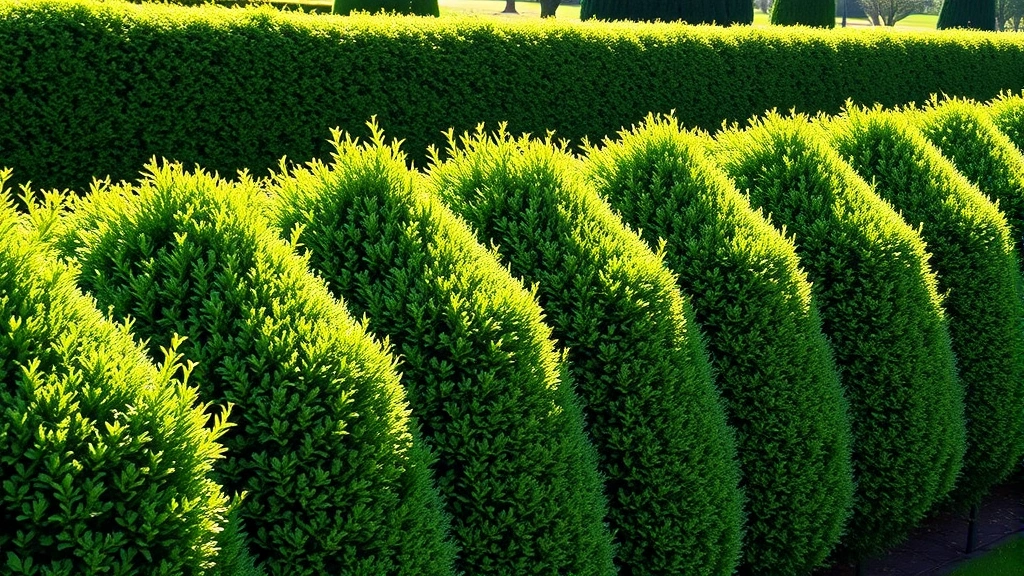
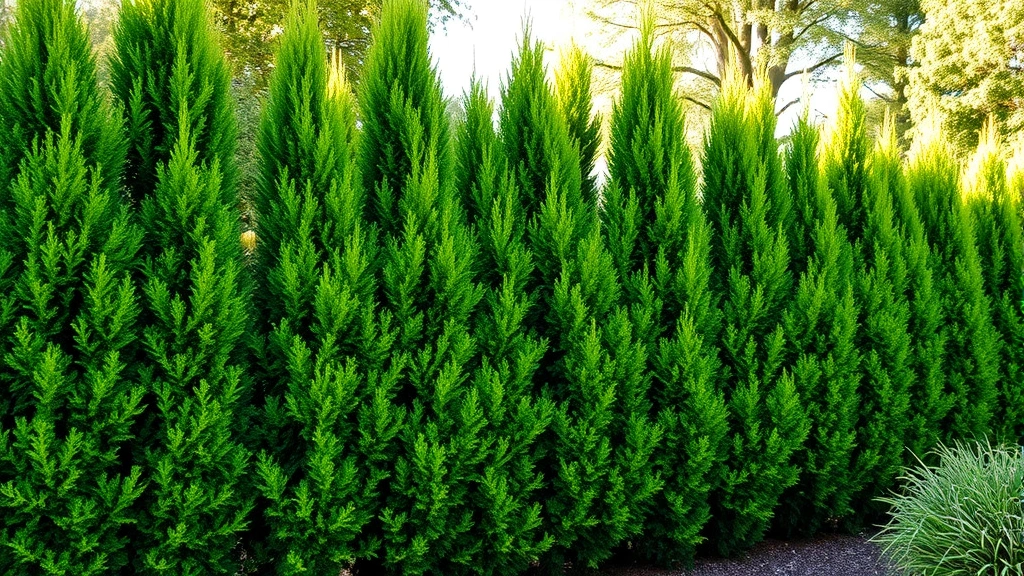
Evergreen Options are ideal for maximum privacy throughout the year. Boxwood creates dense, formal hedges and tolerates pruning exceptionally well. Privet grows quickly and densely, though it requires regular trimming. Yew offers dark foliage and slow, controlled growth. Holly varieties provide attractive berries and spiky foliage for added security. Arborvitae grows tall and narrow, perfect for space-conscious gardens. These plants typically reach 4-12 feet depending on variety and can live 50+ years with proper care.
Deciduous Shrubs offer seasonal variety and often feature spring flowers or fall colors. Beech creates elegant screens with copper-colored foliage that persists through winter. Hawthorn provides fragrant spring blooms and red berries for wildlife. Hornbeam grows densely and develops beautiful golden autumn tones. These options often establish faster than evergreens and cost less initially.
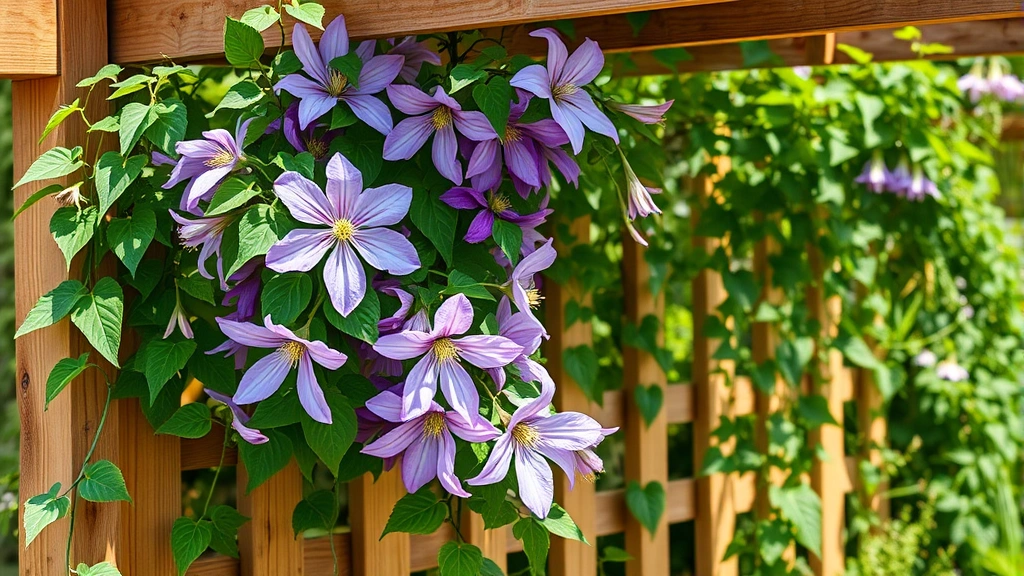
Climbing Vines work wonderfully when trained on trellises or wire supports. Clematis produces stunning flowers and can reach 15-20 feet. Ivy provides evergreen coverage and dramatic textural interest. Honeysuckle offers fragrant blooms and attracts pollinators. When incorporated into your vegetable garden layout, climbing vines can frame productive areas beautifully while maximizing vertical space.
Consider your region’s hardiness zone and local climate patterns. The USDA Plant Hardiness Zone Map helps identify plants suited to your area. Consult your local Cooperative Extension Service for region-specific recommendations and native plant options that support local ecosystems.
Site Preparation and Planning
Before planting your living fence, invest time in thorough site assessment and preparation. Walk the fence line multiple times at different times of day to observe sunlight exposure, wind patterns, and existing conditions.
Sunlight Requirements vary significantly by plant species. Most evergreens and shrubs need 4-6 hours of direct sunlight daily. Some shade-tolerant options like boxwood and yew can manage with 3-4 hours. Climbing vines vary widely—clematis prefers afternoon shade with morning sun, while ivy adapts to almost any condition. Document sun exposure patterns in your garden before selecting plants.
Soil Preparation is critical for long-term success. Test your soil pH, nutrient levels, and drainage characteristics. Most hedge plants prefer slightly acidic to neutral soil (pH 6.0-7.0). Amend heavy clay soils with compost or peat moss to improve drainage. Add organic matter to sandy soils to increase water retention. Poor drainage is the leading cause of hedge plant failure, so invest in proper soil preparation rather than struggling with problem plants later.
Spacing Calculations depend on your plant choice and desired timeline. For rapid screening, space plants closer together (18-24 inches apart). For slower-growing varieties or budget considerations, space at 3-4 feet and accept that full coverage takes longer. Consider the plant’s mature width and multiply by 0.5-0.7 to determine optimal spacing. Closer spacing creates denser fences but increases competition and maintenance costs.
Infrastructure Planning includes installing support structures before planting. For climbing vines, install sturdy trellises, wire systems, or lattice panels. Ensure supports are rated for mature plant weight—vines become surprisingly heavy when fully leafed out. For shrub hedges, consider installing drip irrigation systems during site preparation rather than retrofitting later.
Planting Techniques and Spacing
Proper planting technique directly impacts survival rates and establishment speed. The best planting window depends on your climate but generally occurs in fall (September-November) or early spring (March-April) when plants are dormant.
Digging and Preparation requires creating holes twice the width of the root ball and equally deep. Place the plant so the top of the root ball aligns with ground level—planting too deep causes root rot. Backfill with amended native soil, gently firming to eliminate air pockets. Water thoroughly immediately after planting to settle soil and eliminate voids.
Root Barrier Installation prevents aggressive root systems from invading adjacent areas. If planting near property lines or gardens, install 18-24 inch deep plastic or metal barriers. This protects neighboring plants and prevents future disputes about encroaching roots.
Initial Spacing Guide for common plants: Boxwood (18-24 inches), Privet (18-36 inches), Yew (24-36 inches), Holly (24-36 inches), Arborvitae (24-36 inches), Clematis on trellis (4-6 feet), Ivy (12-18 inches). Remember these are starting spacings; plants will fill in as they mature. When planning a DIY raised garden bed near your fence line, account for the mature width of fence plants to avoid shading or root competition.
Mulching Practice significantly improves establishment. Apply 2-3 inches of organic mulch around each plant, keeping it 3-4 inches away from stems to prevent rot. Mulch moderates soil temperature, retains moisture, suppresses weeds, and gradually improves soil structure as it decomposes. Refresh mulch annually as it breaks down.
Establishing Growth and Early Care
The first two years after planting determine whether your fence becomes a thriving asset or a struggling liability. This establishment period requires consistent attention to watering, feeding, and protection.
Watering Schedule is crucial during establishment. Young plants need consistent moisture—aim for 1-1.5 inches weekly through rainfall or irrigation. Water deeply rather than frequently to encourage deep root development. Reduce watering frequency as plants mature, but increase duration during droughts. Established hedges typically need supplemental water only during extended dry periods.
Fertilization Strategy varies by plant type. Evergreens prefer slow-release fertilizers applied in early spring. Deciduous shrubs benefit from applications in spring and early summer. Avoid high-nitrogen fertilizers that promote excessive soft growth susceptible to disease. Many established hedges thrive without supplemental feeding if planted in decent soil with annual mulch applications. When growing peas in your garden near your fence, avoid excessive fertilizer runoff that could damage developing hedge plants.
Pest and Disease Prevention begins with selection and site preparation. Stressed plants attract pests; healthy plants resist problems. Monitor for common issues like spider mites, scale insects, or fungal diseases. Address problems early with appropriate treatments—starting with cultural practices before resorting to chemical interventions. Proper spacing ensures air circulation, reducing fungal disease risk.
Staking and Support may be necessary for tall or thin-stemmed plants in windy locations. Install stakes at planting for trees like arborvitae or columnar evergreens. Remove stakes after one season to encourage trunk strength development. For climbing vines, guide young stems toward support structures to establish desired growth patterns.
Maintenance and Training Your Fence
Ongoing maintenance determines whether your living fence becomes a beautiful asset or an overgrown mess. Different plant types require different approaches.
Pruning Evergreen Hedges should begin in the plant’s second year. Light pruning in the first year encourages branching but delays fence formation. Prune in late spring (May-June) and again in mid-summer (July-August) for two-flush growth. Cut back by no more than one-third of new growth to maintain plant vigor. Formal hedges require more frequent trimming (3-4 times yearly), while informal hedges need only annual pruning in late summer.
Shaping Techniques create denser, more attractive fences. Taper the top narrower than the bottom—this allows lower branches to receive adequate light and prevents the classic “umbrella” shape where tops are wider than bottoms. A 45-degree angle on each side creates an ideal profile. Avoid cutting into bare wood on old hedges unless willing to wait 2-3 years for regrowth.
Hedge Trimmer Selection impacts results and effort. Manual hedge shears work for small hedges but tire quickly on large projects. Electric or gas-powered trimmers save time and effort, though they require maintenance and safety precautions. Invest in quality tools with sharp blades—dull trimmers damage plant tissue and invite disease. Maintain blade sharpness with regular honing.
Climbing Vine Training requires regular attention to guide growth along support structures. Tie young stems loosely to supports using soft ties that won’t girdle stems. Prune side shoots to encourage vertical growth, then allow lateral branching once vines reach desired height. Remove any growth heading in wrong directions before it becomes established. Annual pruning in late winter maintains shape and controls spread.
Your herb garden located near your fence benefits from the microclimate created by mature plants, providing wind protection and afternoon shade for shade-tolerant herbs.
Seasonal Care Calendar
Spring (March-May) is the primary growing season. Apply slow-release fertilizer in early spring. Prune winter damage and shape plants. Begin regular watering as growth accelerates. Install support structures for climbing vines. Monitor for emerging pests. Apply first pruning to evergreen hedges in late May.
Summer (June-August) requires consistent watering during dry periods. Provide second pruning in mid-July for formal hedges. Monitor for drought stress, pest infestations, and fungal diseases. Mulch to conserve soil moisture. Continue tying climbing vine growth to supports. Reduce fertilizer applications to avoid stimulating excessive growth.
Fall (September-November) is ideal planting season for new hedges and shrubs. Reduce watering as growth slows, but maintain moisture until ground freezes. Avoid pruning in fall—this stimulates tender new growth vulnerable to frost damage. Clean up fallen leaves and debris. Prepare new planting sites during this season for spring installation.
Winter (December-February) requires minimal care for established plants. Protect young plants from harsh winds and heavy snow that could break branches. Prune dormant deciduous shrubs in late winter before spring growth begins. Inspect for winter damage and disease. Plan upcoming season improvements and propagation projects.
Consider how your living fence coordinates with your garden lettuce and vegetable beds—tall fences on the north side provide afternoon shade for cool-season crops while allowing morning sun exposure.
FAQ
How long does it take to grow a garden fence?
Timeline depends on plant selection and spacing. Rapidly growing plants like privet may create basic screening in 2-3 years with proper care. Slower evergreens like boxwood or yew require 5-7 years for full maturity. Closer spacing reduces timeline but increases initial costs. Climbing vines can provide coverage in 2-3 seasons once established.
What’s the best height for a living fence?
This depends on your needs and local regulations. Privacy fences typically reach 4-6 feet. Shorter hedges (2-3 feet) work for defining garden zones without blocking views. Tall screens (8-10 feet) provide maximum privacy but require tall-growing species and more maintenance. Check local zoning laws—many areas limit fence heights to 6 feet.
Can I grow a garden fence in shade?
Yes, though options are more limited. Boxwood, yew, and ivy tolerate partial shade (3-4 hours sun). Beech and hornbeam manage with dappled shade. Full shade (under 2 hours sun) eliminates most options. Test your specific site’s light exposure before selecting plants, as “shade” varies considerably by location and season.
How much does growing a living fence cost?
Initial costs range from $300-$2,000+ for 50 linear feet depending on plant selection, size at purchase, and site preparation. Smaller plants cost less initially but take longer to establish. Larger specimens cost more but provide faster results. Factor in soil amendments, mulch, irrigation, and tools. Long-term costs are generally lower than traditional fencing due to minimal replacement needs.
What if my living fence develops bare spots?
Address bare spots by identifying the underlying cause—usually poor drainage, disease, or pest damage. Remove affected plants and improve conditions before replanting. For small gaps, selective pruning of surrounding plants may fill spaces over time. For large bare sections, remove and replace plants rather than struggling with struggling specimens.
Can I use native plants for my living fence?
Absolutely—native plants often perform better than non-natives and support local wildlife. Native options vary by region but commonly include serviceberry, viburnum, holly species, and dogwood. Native plants typically require less maintenance once established and reduce reliance on supplemental watering and fertilizers. Consult your local native plant society for regional recommendations.


